Route: Bukhara / Farap Border – Ancient Merv – Mary – Overnight Train to Ashgabat – Ashgabat – Darvaza Gas Crater – Kunya-Urgench – Shavat Border / Hojaili Border – Khiva / Nukus
Tour Overview
This 4-day Turkmenistan transit tour from Bukhara to Khiva or Nukus offers an efficient overland route across Turkmenistan while combining some of the country’s most important historical, cultural and desert attractions.
Enter Turkmenistan through the Farap Border and travel towards the UNESCO-listed ruins of Ancient Merv, once one of the great cities of the Silk Road. After exploring the archaeological park, continue to Mary and board an overnight sleeper train to Ashgabat.
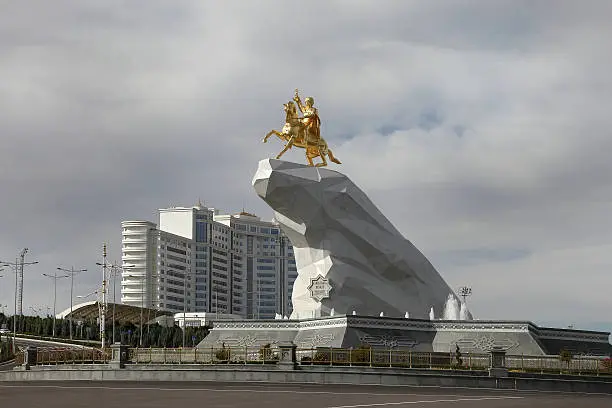
Spend the following day discovering Ashgabat, famous for its distinctive white-marble architecture, monuments and colourful local bazaars.
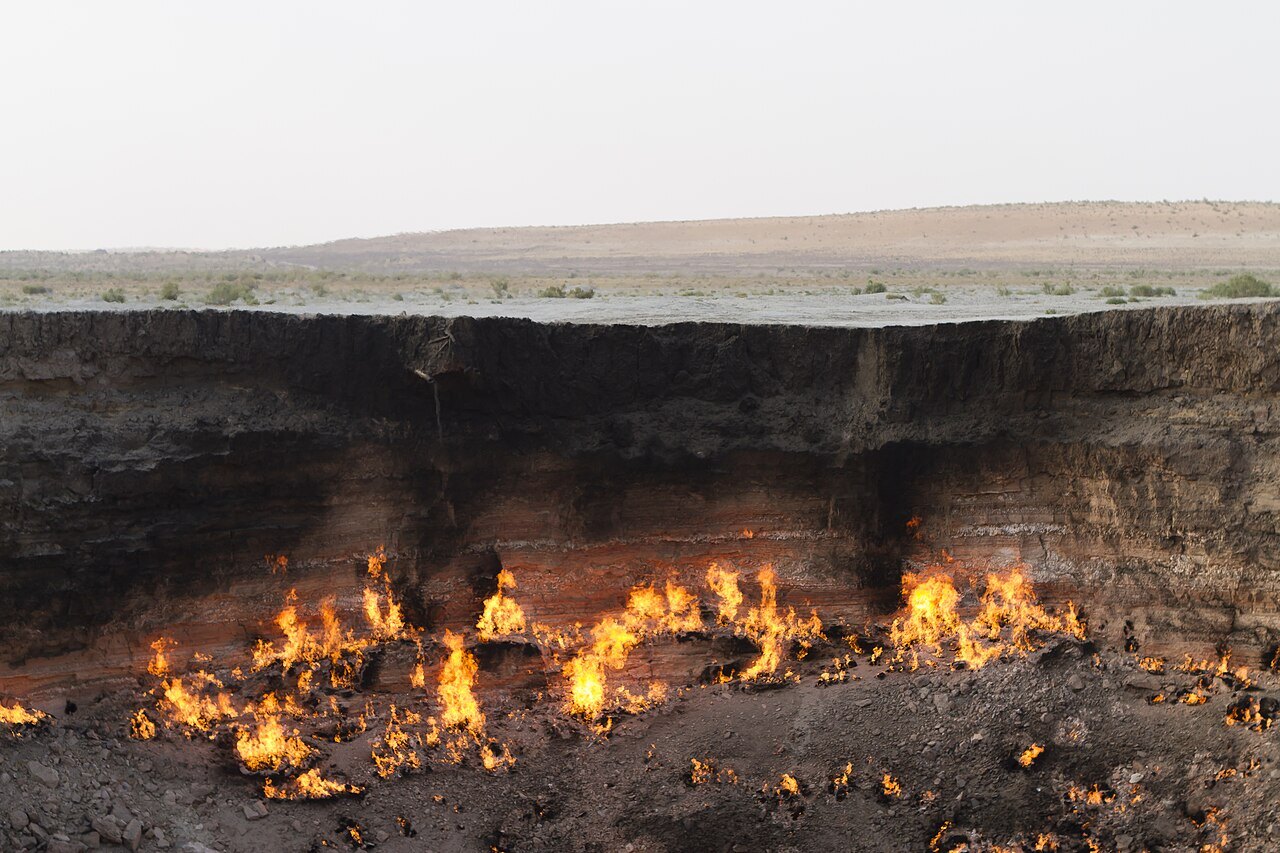
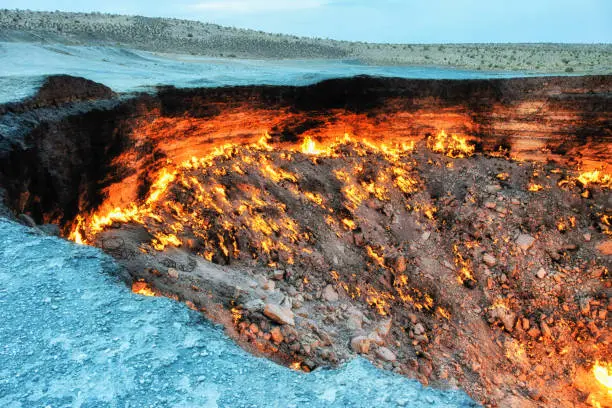
The journey then continues north into the Karakum Desert, with stops at the Water and Mud craters before reaching the legendary Darvaza Gas Crater. Enjoy a traditional BBQ dinner and spend the night in a Turkmen yurt or comfortable tented camp beside the glowing crater.
On the final day, travel north to Kunya-Urgench, another UNESCO World Heritage Site, before travelling to the crossing agreed at booking for your onward journey to Khiva, Urgench, Nukus or Muynak.
Day 1: Farap Border – Ancient Merv – Mary – Overnight Train to Ashgabat
Approximately 09:00 – Farap Border Meeting
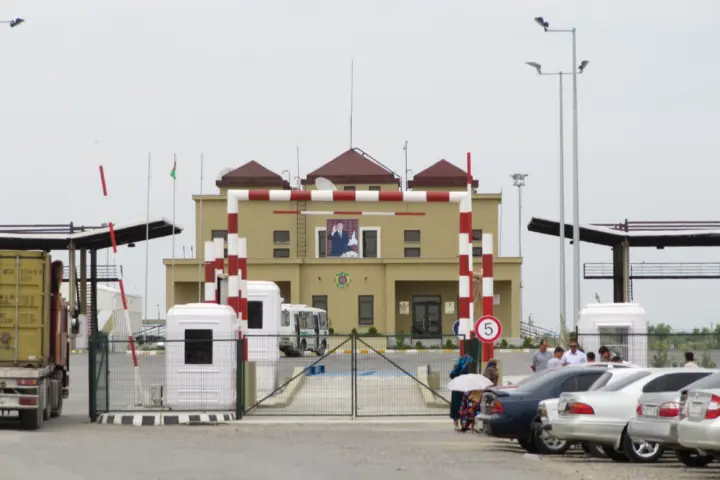
After entering Turkmenistan through the Farap Border, complete the required passport control and migration formalities inside the main hall of the Turkmen border terminal.
Border officers will contact our team, and your local guide will enter the terminal to meet you directly using the photograph provided in advance.
Drive to Ancient Merv
Leave the border area and travel southwest through the eastern Karakum region towards the Merv oasis.
The road journey from the Farap border crossing via Mary to Ancient Merv covers approximately 320 km. The exact distance and journey time depend on the road taken and the stops along the way.
Lunch in Mary
Stop in Mary for a traditional local lunch before beginning the historical sightseeing programme.
Ancient Merv Guided Tour
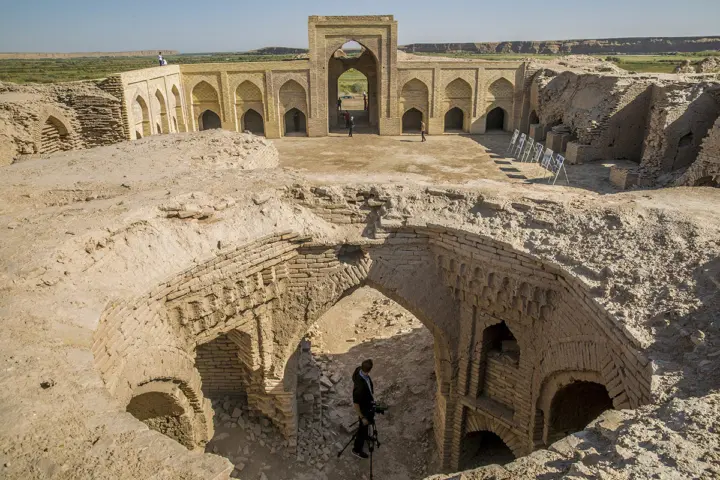
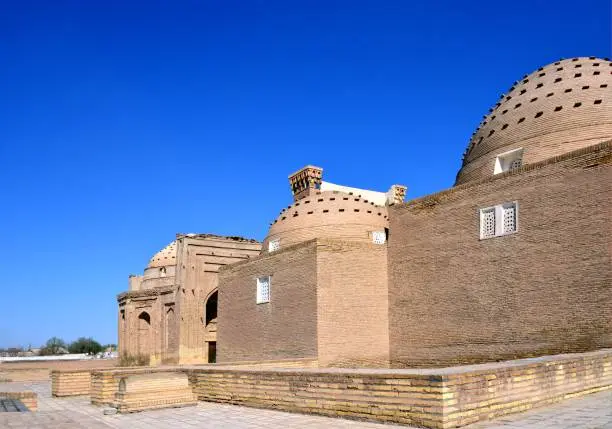
Continue to the archaeological park of Ancient Merv, a recognised UNESCO World Heritage Site and one of the most important historic centres of the Silk Road.
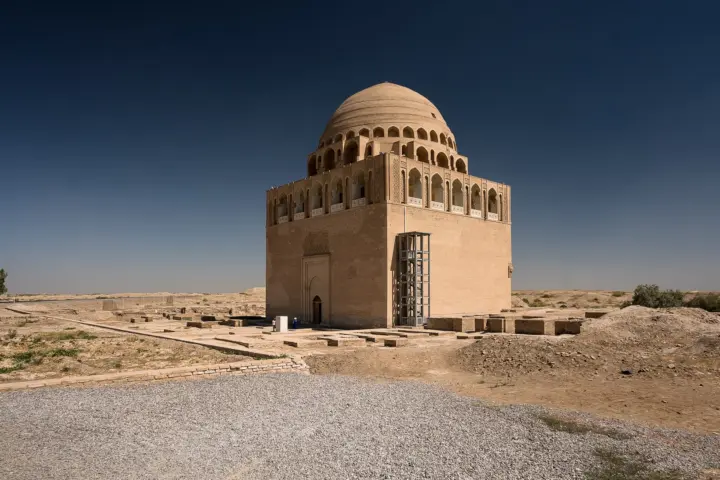
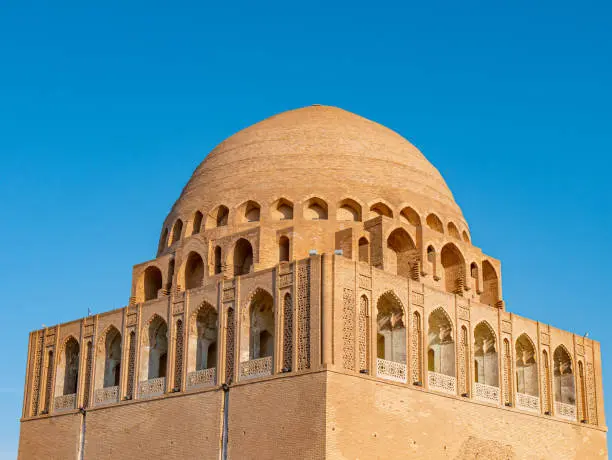
Mausoleum of Sultan Sanjar
Visit the monumental Mausoleum of Sultan Sanjar, a 12th-century masterpiece of Seljuk architecture known for its remarkable double-dome construction.
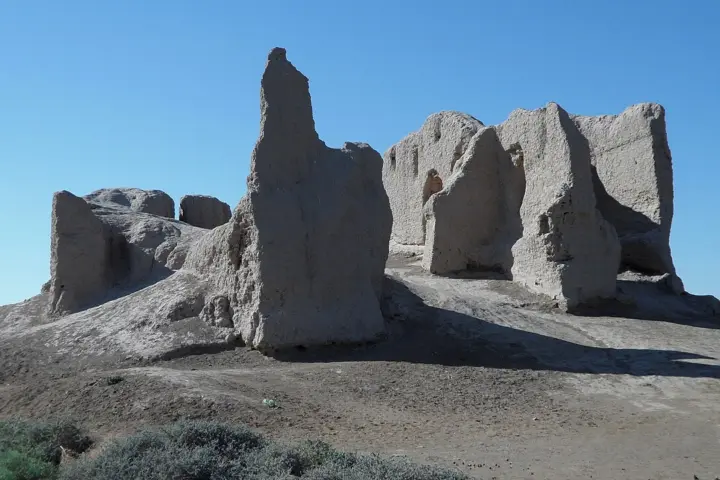
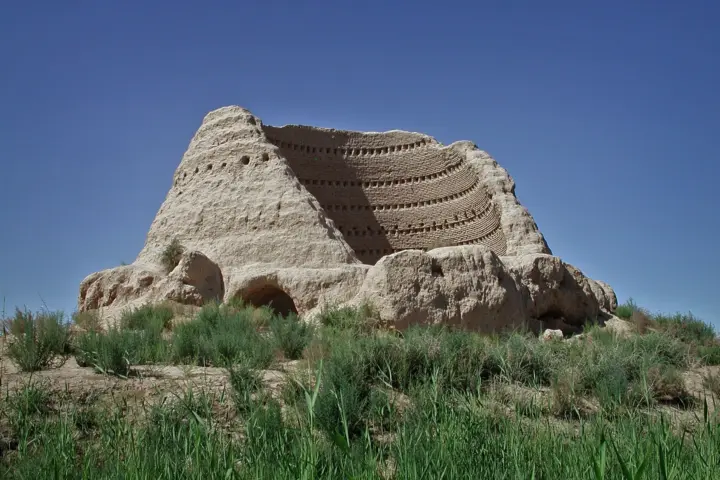
Greater and Lesser Kyz Kala
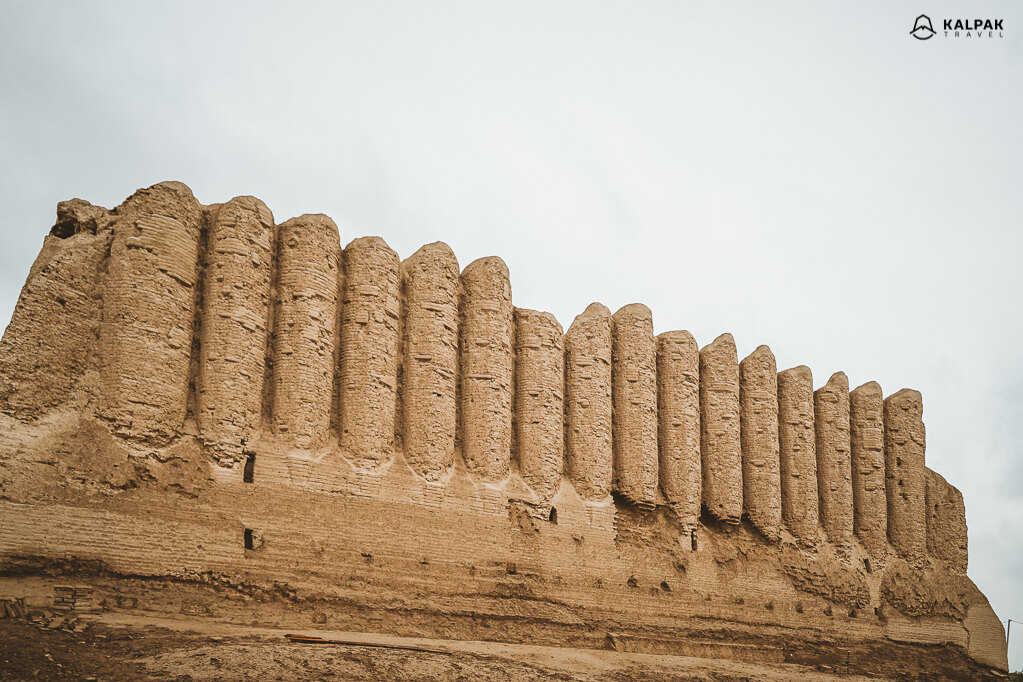
Explore the distinctive mud-brick fortresses of Greater Kyz Kala and Lesser Kyz Kala, dating from approximately the 7th to 12th centuries.
They are especially known for their striking corrugated walls.
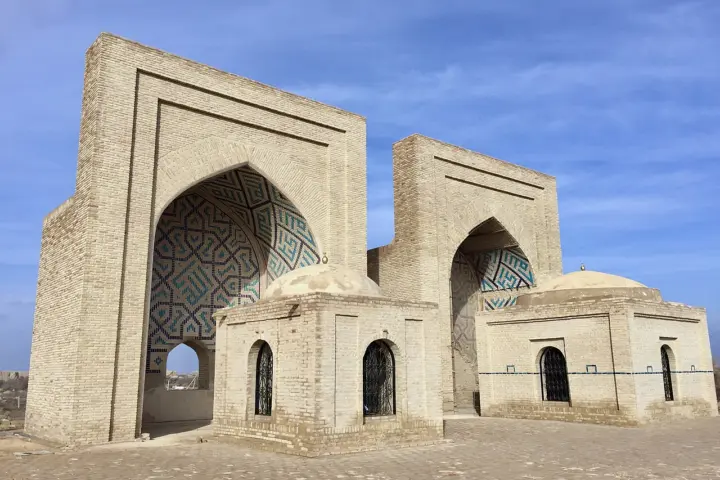
Askhabs Mausoleums and Ancient Sardoba
Visit the sacred mausoleums associated with the companions of the Prophet Muhammad.
Nearby, see the historic Sardoba, an ingenious water-storage structure created for desert conditions.
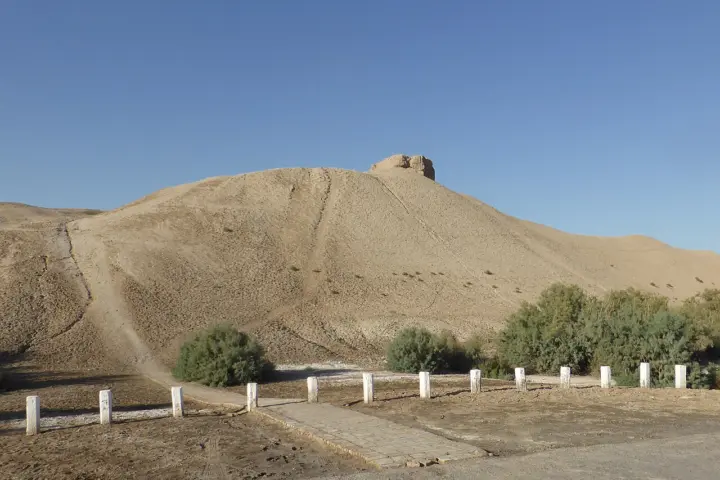
Erk Kala and Gyaur Kala
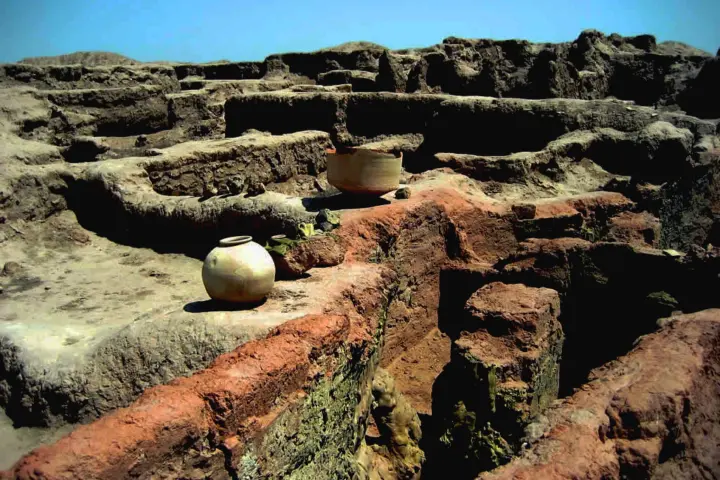
Explore the vast ancient settlements of Erk Kala and Gyaur Kala and enjoy panoramic views across the archaeological landscape.
Please note: Ancient Merv contains many additional historic ruins. Smaller monuments can be visited depending on available time and your interests.
Transfer to Mary Railway Station
After completing the Ancient Merv tour, return to Mary and transfer to the railway station.
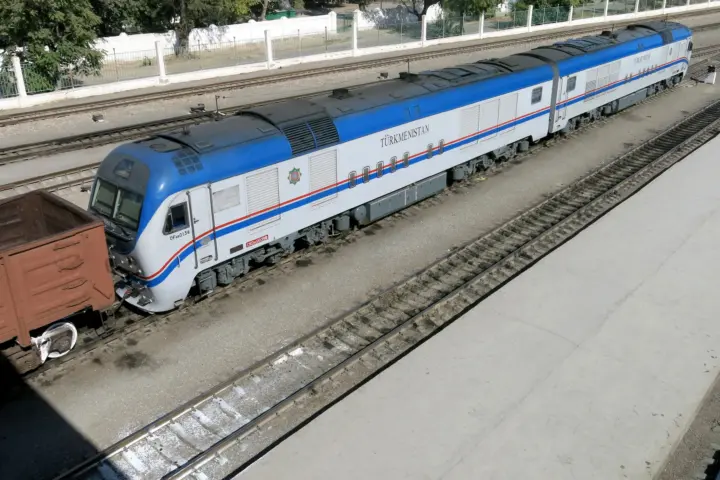
Board the overnight sleeper train to Ashgabat.
Overnight: Overnight train from Mary to Ashgabat.
Day 2: Ashgabat City Tour
08:05 – Arrival in Ashgabat
Arrive at Ashgabat Railway Station at approximately 08:05.
Meet your private driver at the station and transfer for breakfast before beginning the day’s sightseeing.
Ashgabat Highlights Tour
Spend the day exploring Ashgabat with your local guide.
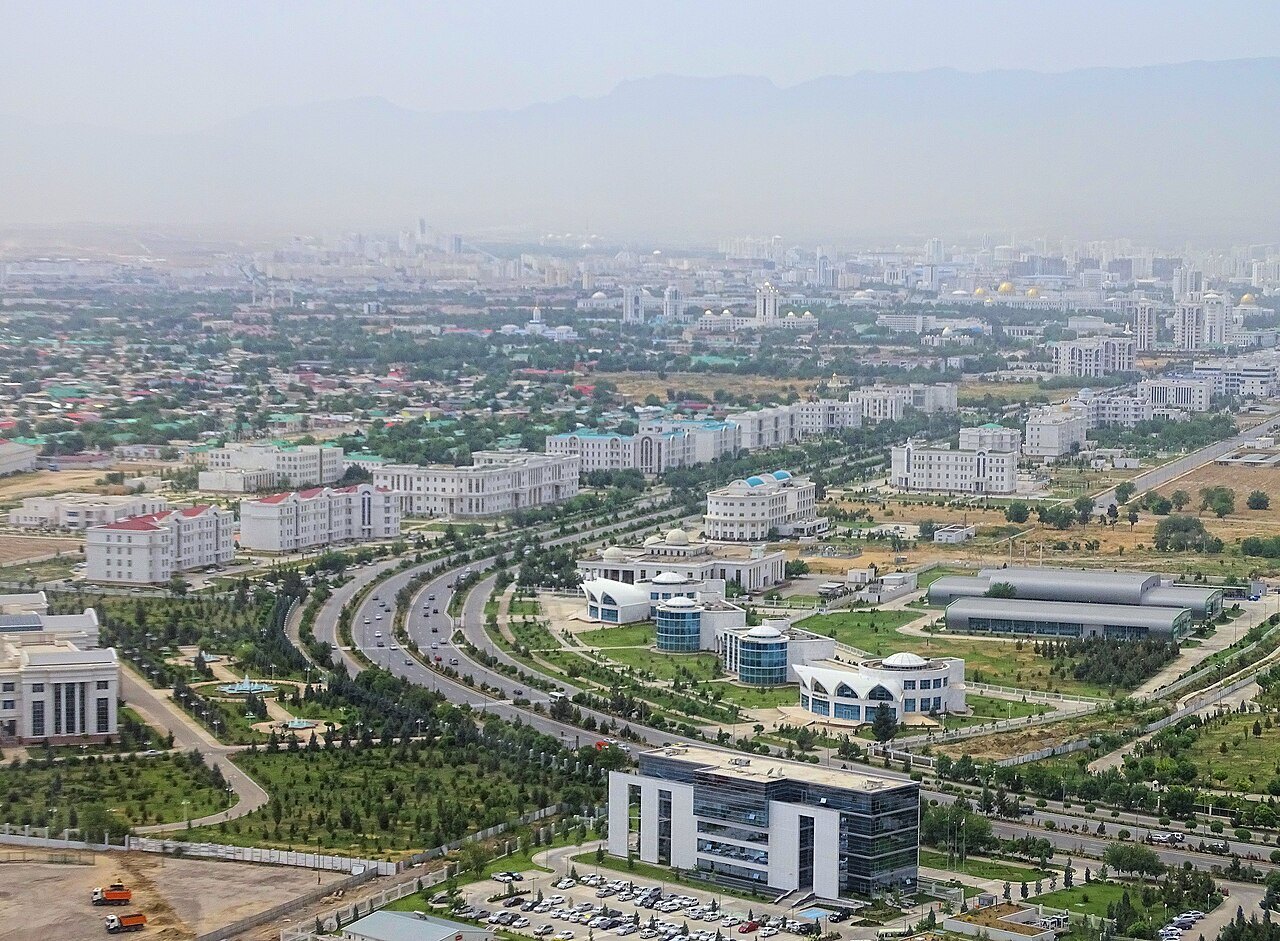
Discover the capital’s famous white-marble architecture, impressive monuments, parks and cultural attractions.
The programme is flexible and can be adjusted according to your interests and preferred pace.
Lunch and Dinner
Take a break during the day for a traditional lunch at a local restaurant.
In the evening, enjoy a relaxed dinner and sample authentic Turkmen or regional cuisine.
Overnight: Hotel in Ashgabat.
Day 3: Ashgabat – Water Crater – Mud Crater – Darvaza Gas Crater
Breakfast and Check-Out
Enjoy breakfast at your hotel before completing check-out.
Free Morning in Ashgabat
Spend a relaxed morning in the capital.
You may visit additional sights, browse a local bazaar for traditional Turkmen souvenirs or purchase snacks and fresh fruit for the journey into the desert.
Lunch
Enjoy a traditional lunch at a local restaurant before departing Ashgabat.
Journey Into the Karakum Desert
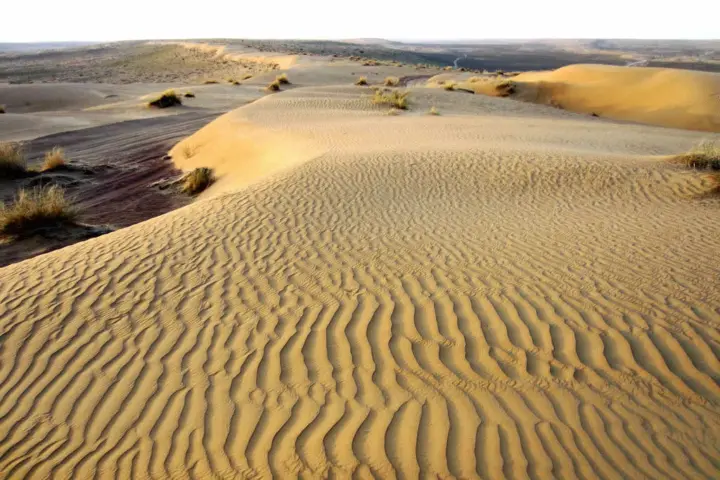
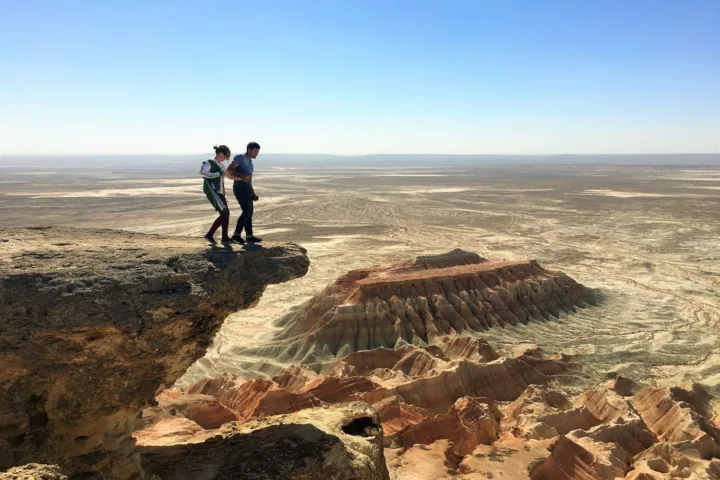
In the afternoon, travel north from Ashgabat into the vast Karakum Desert.
The distance to Darvaza is approximately 270 km, with an estimated driving time of around 3.5 hours.
Some sections of the road are rough and uneven, so expect a bumpy ride in places.
Water and Mud Craters
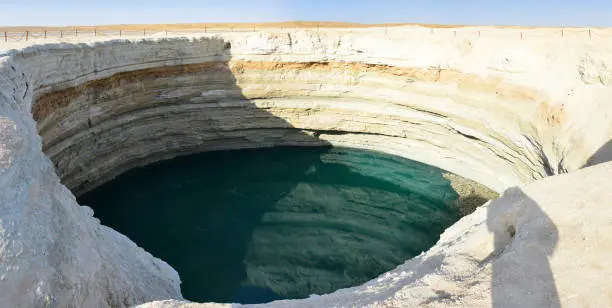
On the way, make short photo stops at the unusual Water Crater and Mud Crater.
These geological formations provide an interesting introduction to the desert landscape before reaching Darvaza.
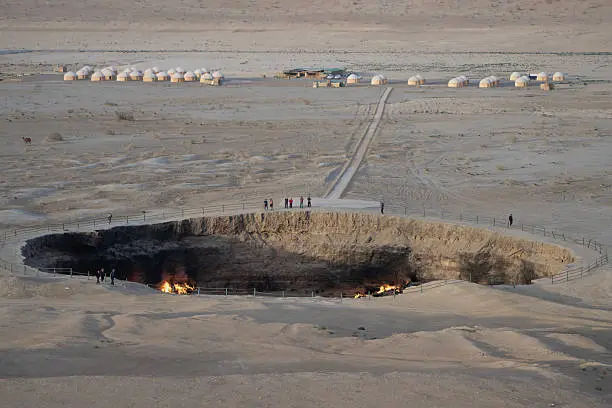
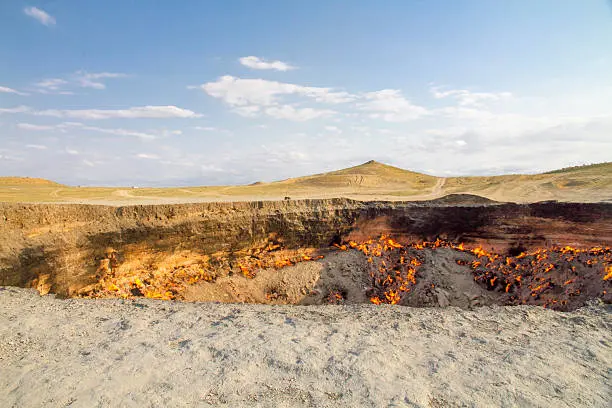
Darvaza Gas Crater
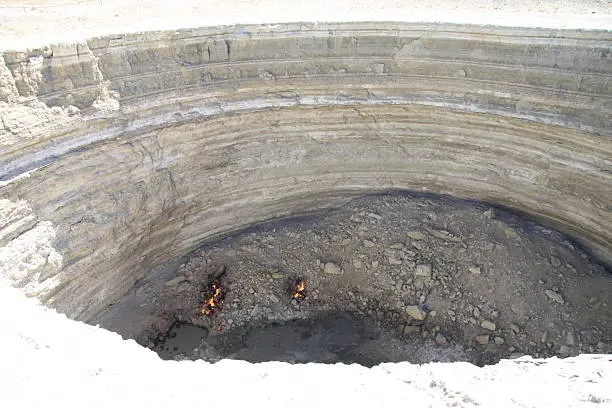
Arrive at the legendary Darvaza Gas Crater in time for sunset.
As the sky darkens, the fiery glow becomes increasingly dramatic against the surrounding Karakum Desert.
BBQ Dinner Under the Stars
Enjoy a traditional open-air BBQ dinner prepared by our team at the camp.
The evening provides excellent opportunities for night photography, quiet desert views and stargazing away from city lights.
Overnight at Darvaza
Spend the night in a traditional Turkmen yurt or comfortable tented camp near the crater.
Overnight: Yurt or tented camp at Darvaza.
Day 4: Darvaza – Kunya-Urgench – Shavat or Hojaili Border – Khiva / Nukus
Optional Sunrise Experience
Wake before dawn for an optional visit to the crater edge.
Experience the changing desert light as the glow of the flames gradually becomes less visible with sunrise.
Breakfast and Departure
Return to camp for a freshly prepared breakfast before packing up and beginning the journey north towards Kunya-Urgench.
The road distance from Darvaza Gas Crater to Kunya-Urgench is approximately 275 km by the direct desert route or 395 km via Dashoguz. The route used and journey time depend on road and weather conditions.
Some sections of the route are rough and uneven, so expect a bumpy desert journey.
Kunya-Urgench Historical Tour
Explore the UNESCO-listed historical monuments of Kunya-Urgench, once an important centre of the Khorezm region and the Silk Road.
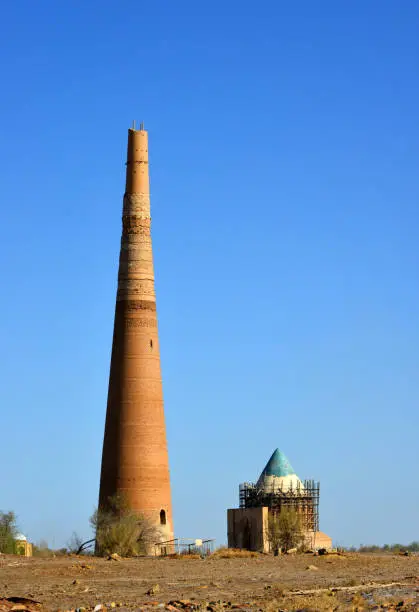
Kutlug-Timur Minaret
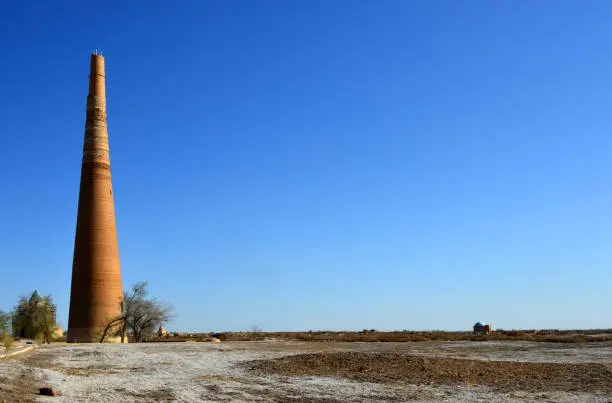
See the towering Kutlug-Timur Minaret, one of the most impressive medieval monuments in Central Asia.
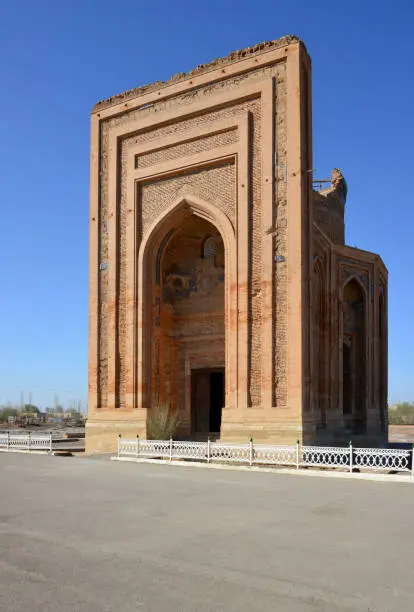
Turabek-Khanum Mausoleum
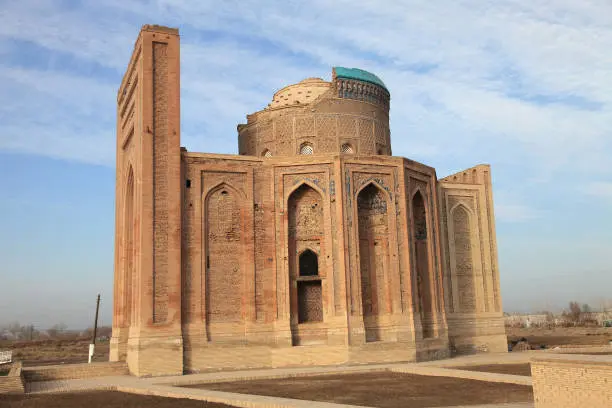
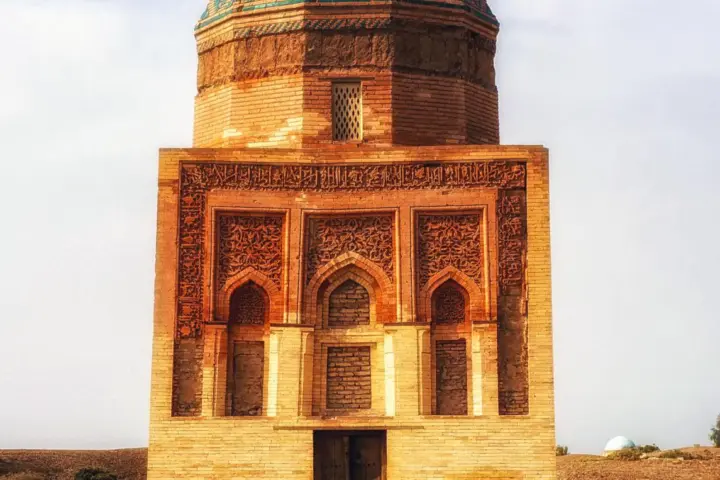
Visit the elegant Turabek-Khanum Mausoleum, particularly famous for the intricate geometric decoration of its interior dome.
Sultan Tekesh and Il-Arslan Mausoleums
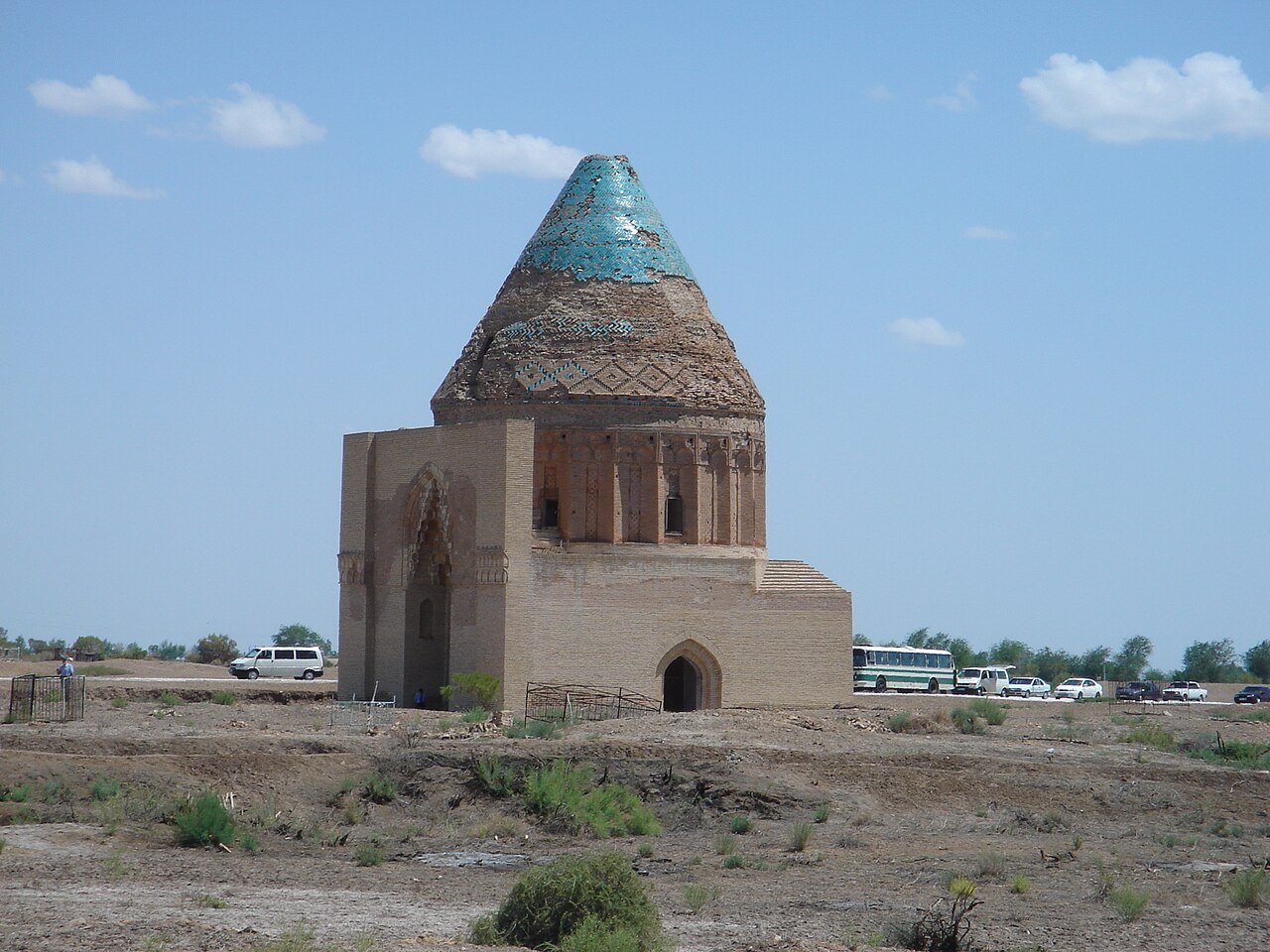
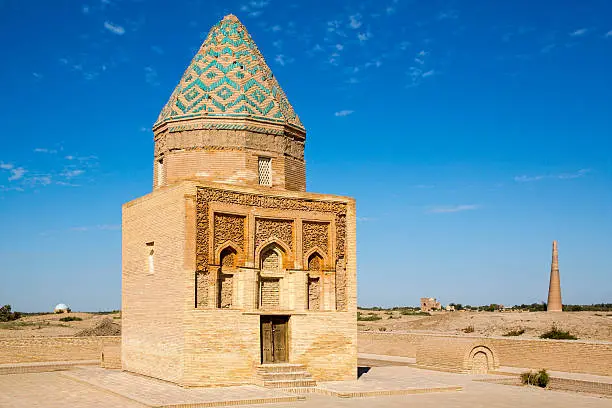
Explore the historic mausoleums of Sultan Tekesh and Il-Arslan, recognisable by their distinctive conical domes.
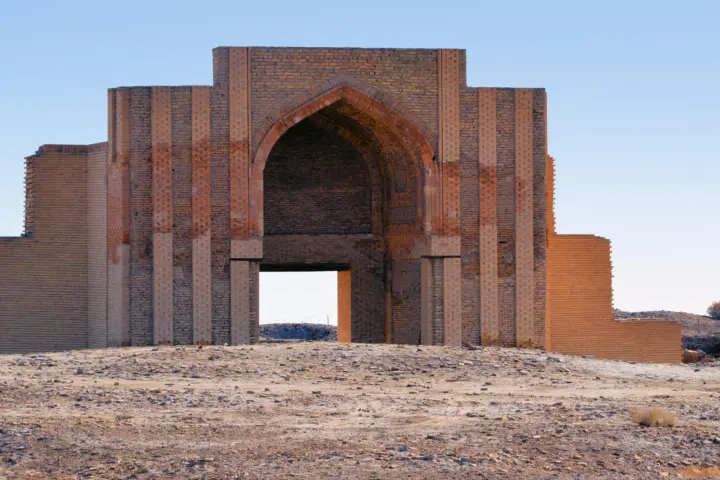
Caravanserai Gate
See the surviving Caravanserai Gate, a reminder of Kunya-Urgench’s historic role along the Silk Road trade network.
Lunch in Kunya-Urgench
Enjoy a traditional lunch at a local restaurant before continuing towards the Uzbekistan border.
Border Transfer Options
Confirm your exit crossing with us when you book. On the last day, your driver will take you to that crossing.
Option A: Shavat Border – Best for Khiva / Urgench
Travel south via Dashoguz to the Shavat Border Crossing.
The distance is approximately 130 km, with an estimated driving time of around 2 hours.
This option is best suited to travellers continuing towards Khiva or Urgench.
Option B: Hojaili Border – Best for Nukus / Muynak
Travel north directly to the Hojaili–Kunya-Urgench Border Crossing.
The distance is approximately 35 km, with an estimated driving time of around 45 minutes.
This option is more convenient for travellers continuing towards Nukus or Muynak.
Border Formalities and Departure
Upon arrival at your chosen border terminal, our team will assist you with the required Turkmen customs and departure immigration procedures in accordance with official border regulations.
After completing the crossing, continue your journey through Uzbekistan towards Khiva, Urgench, Nukus or Muynak.
End of Tour Services.
Compare Routes and Plan Your Visit
If you can allow more time, explore our 5-day Bukhara–Khiva or Nukus tour.
If you can allow more time, explore our 6-day Bukhara–Khiva or Nukus grand tour.
For background on the monuments, explore our Kunya-Urgench travel guide.