Route: Bukhara / Farap Border – Ancient Merv – Ashgabat – Turkmenbashi – Yangykala Canyon – Nokhur – Kow Ata – Ashgabat – Darvaza Gas Crater – Kunya-Urgench – Shavat Border / Hojaili Border – Khiva / Nukus
Tour Overview
This 6-day Turkmenistan transit tour from Bukhara to Khiva or Nukus combines the country’s major Silk Road monuments, dramatic desert landscapes, mountain villages and natural attractions in one comprehensive overland journey.
Enter Turkmenistan through the Farap Border from Bukhara and begin with UNESCO-listed Ancient Merv, one of the most important historic cities of the Silk Road.
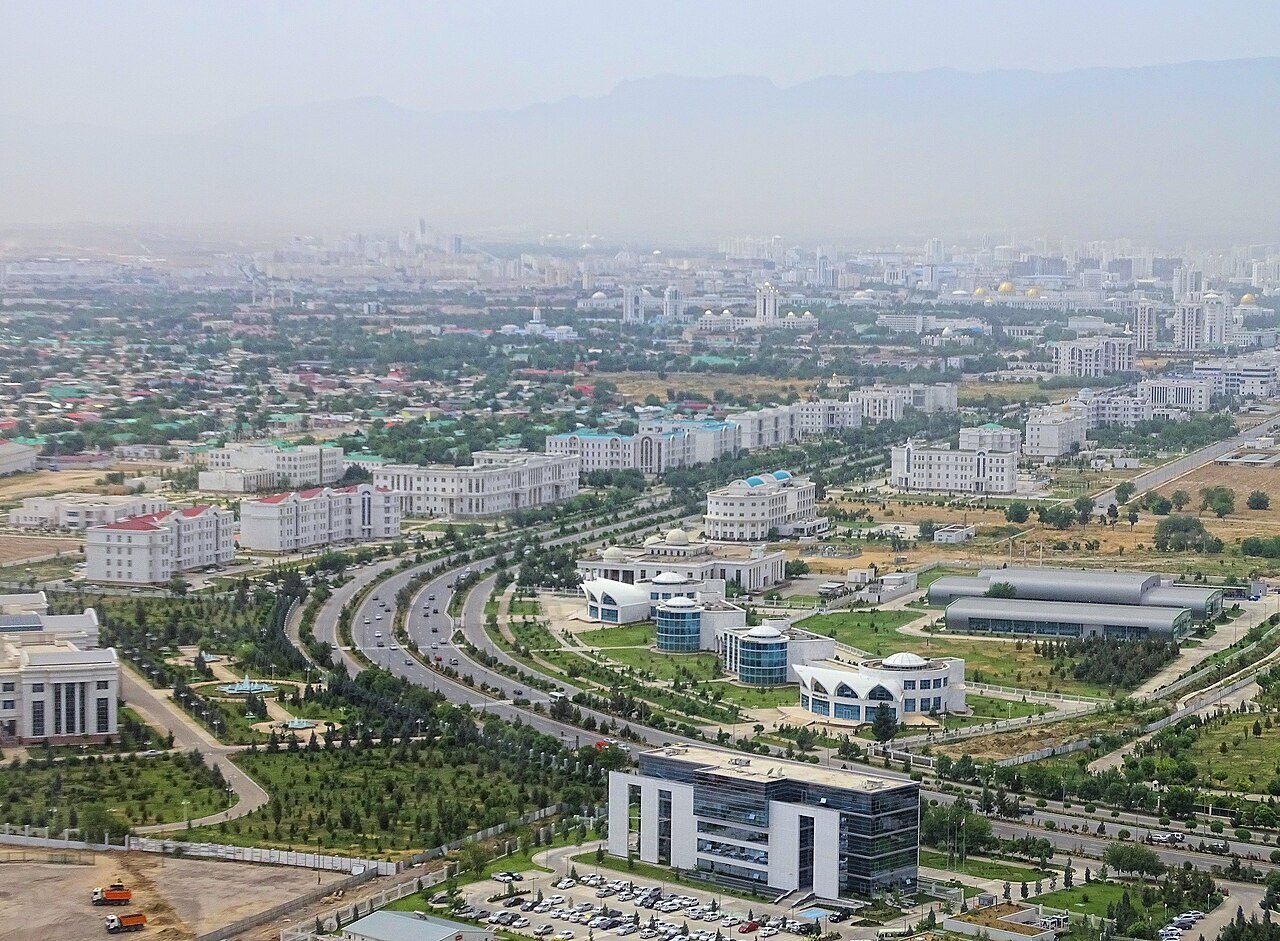
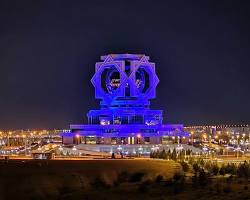
Continue to Ashgabat, known for its striking white-marble architecture, before travelling overnight by sleeper train to Turkmenbashi on the Caspian coast.
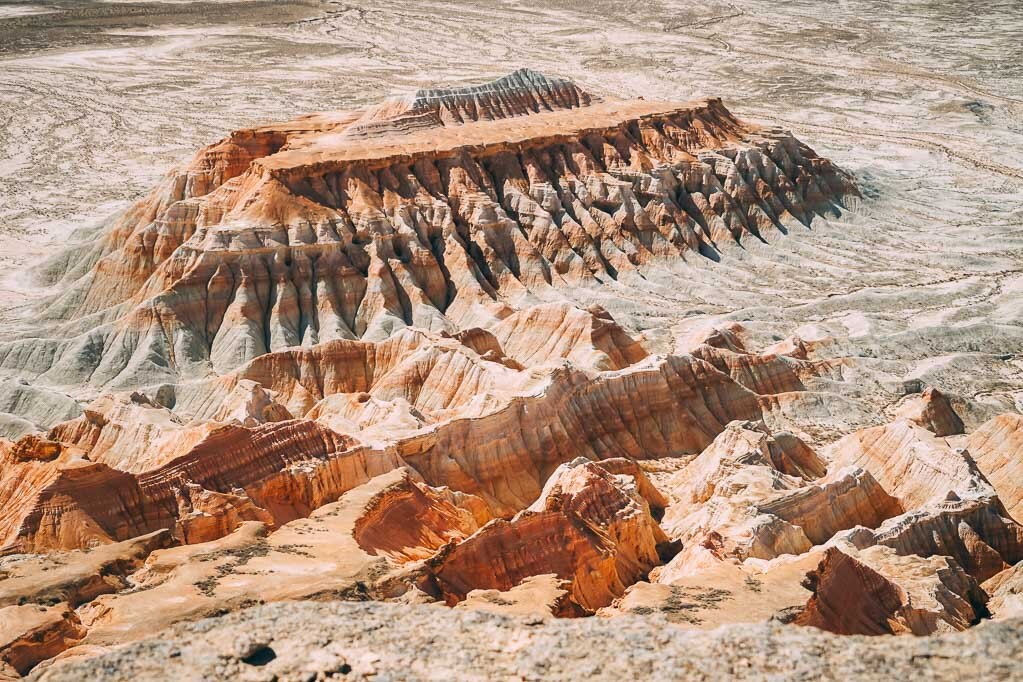
Explore the colourful cliffs of Yangykala Canyon, visit the remote mountain village of Nokhur and descend into the famous Kow Ata underground lake.
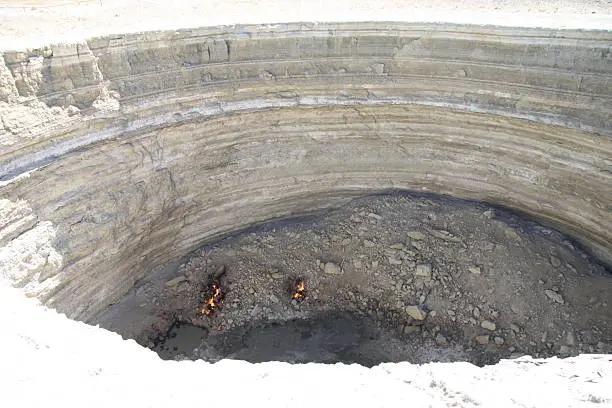
The final part of the journey takes you deep into the Karakum Desert for a night beside the legendary Darvaza Gas Crater, followed by UNESCO-listed Kunya-Urgench.
Choose the most convenient border crossing for your onward journey to Khiva, Urgench, Nukus or Muynak.
Day 1: Farap Border – Ancient Merv – Ashgabat
09:00 AM – Meet at Farap Border
After crossing from Uzbekistan, complete passport, migration and customs formalities at the Farap Border.
Meet our local guide inside the main hall of the Turkmenistan border terminal.
During the entry process, border officers will contact our team, and your guide will recognise you using the photograph provided in advance.
Drive to the Mary Region
Depart the border and travel southwest along the modern motorway towards the Mary oasis.
The total distance is approximately 380 km, with an estimated driving time of around 4 hours.
Lunch in Mary
Enjoy a traditional lunch at a local restaurant in the Mary region.
Ancient Merv Guided Tour
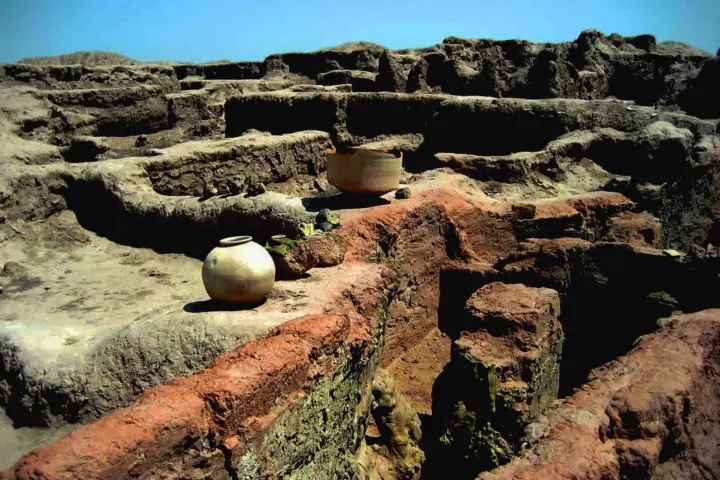
Continue to Ancient Merv, a UNESCO World Heritage Site and one of the greatest historic centres of the Silk Road.
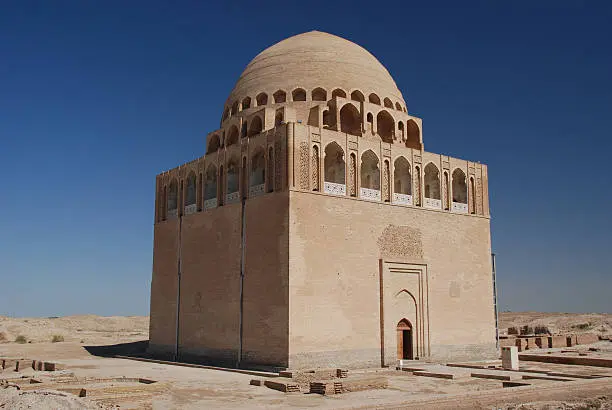
Mausoleum of Sultan Sanjar
Visit the monumental Mausoleum of Sultan Sanjar, a masterpiece of 12th-century Seljuk architecture.
Greater and Lesser Kyz Kala
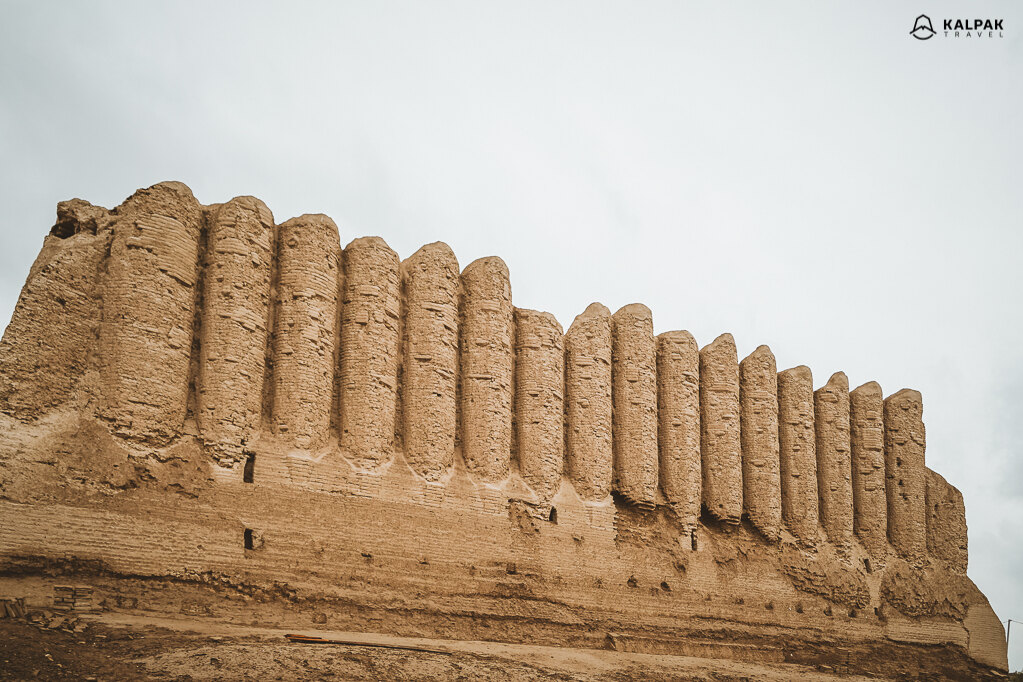
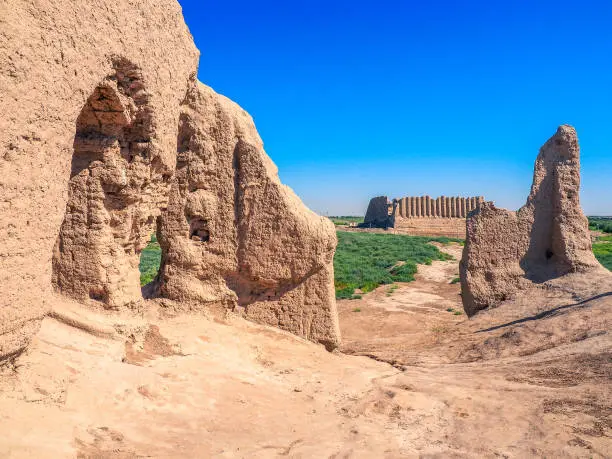
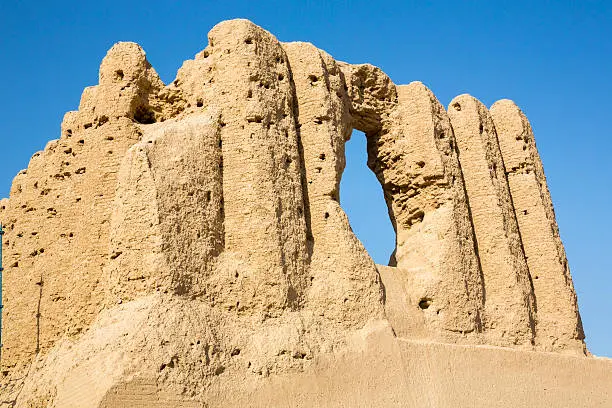
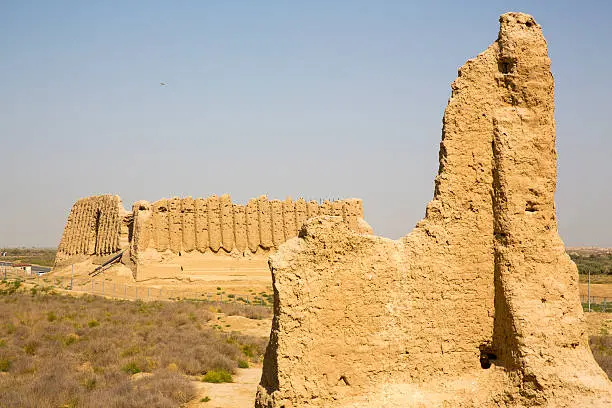
Explore Greater Kyz Kala and Lesser Kyz Kala, famous for their distinctive corrugated mud-brick walls.
Askhabs Mausoleums and Ancient Sardoba
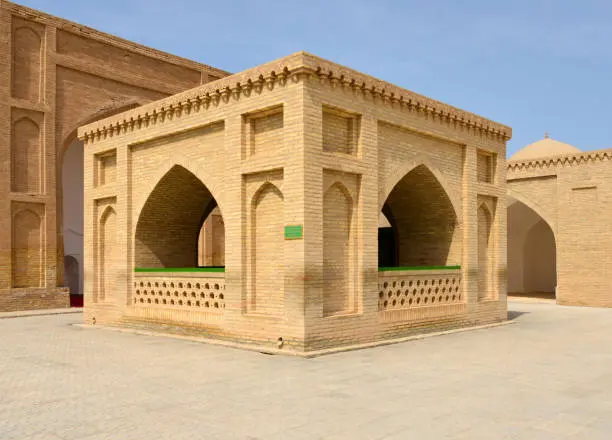
Visit the sacred mausoleums associated with the companions of the Prophet Muhammad and see the ancient Sardoba, once used for storing water in the desert.
Erk Kala and Gyaur Kala
Explore the ancient settlements of Erk Kala and Gyaur Kala and enjoy panoramic views across the vast archaeological landscape.
Please note: Ancient Merv contains many additional ruins and smaller monuments. Extra sites may be visited depending on available time and your interests.
Drive to Ashgabat
After completing the Merv tour, travel west towards the capital along the high-speed motorway.
The distance is approximately 367 km, with a driving time of around 4 hours.
Enjoy changing desert scenery as you travel towards Ashgabat.
Dinner in Ashgabat
Arrive in the capital in the evening and enjoy dinner at a local restaurant.
Overnight: Hotel in Ashgabat.
Day 2: Ashgabat City Tour – Overnight Train to Turkmenbashi
Breakfast and Check-Out
Enjoy breakfast at your hotel and complete check-out.
Private Ashgabat City Tour
Begin a flexible Ashgabat city tour tailored to your interests.
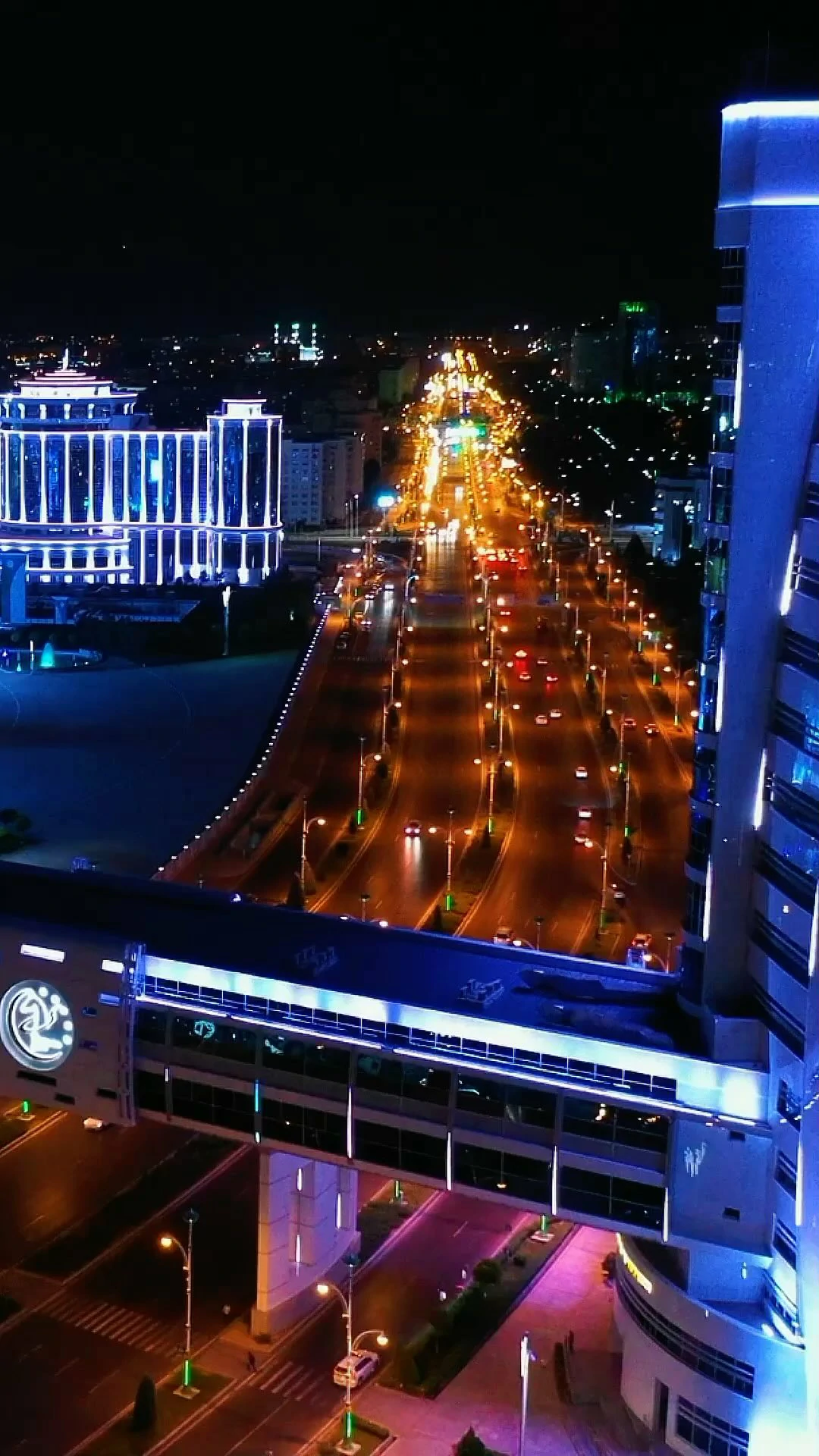
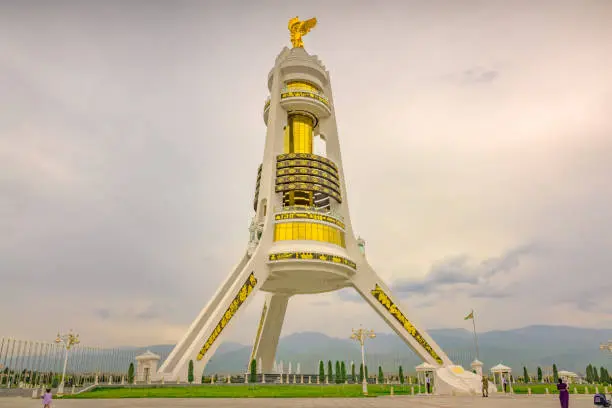
Discover the capital’s famous white-marble architecture, grand monuments, parks and cultural attractions.
Your guide can adjust the route according to your preferred pace and available time.
Lunch
Enjoy a traditional lunch at a local restaurant.
Dinner Before the Train
Depending on your preference, enjoy an early dinner in Ashgabat or collect freshly prepared Turkmen dishes to eat during the train journey.
Overnight Train to Turkmenbashi
Transfer to Ashgabat Railway Station.
Board the overnight train to Turkmenbashi, scheduled to depart at approximately 17:50.
Travel in a comfortable four-berth sleeper compartment.
Overnight: Sleeper train to Turkmenbashi.
Day 3: Turkmenbashi – Yangykala Canyon – Balkan Region
08:05 AM – Arrival in Turkmenbashi
Arrive at Turkmenbashi Railway Station in the morning.
Meet your private driver on arrival and take some time to refresh before starting the day’s programme.
Turkmenbashi and the Caspian Coast
Enjoy a short orientation tour of this historic port city on the Caspian Sea.
See examples of pre-revolutionary architecture constructed from local Caspian limestone.
Stop near the distinctive 1895 Moorish-style railway station and enjoy views of the Caspian coastline.
Optional Awaza Visit
An excursion to the nearby Awaza Sea Resort can be arranged on request, subject to access conditions during your visit.
Lunch
Enjoy fresh Caspian seafood or traditional Turkmen cuisine at a local restaurant.
Optional Gozli Ata Visit
If time permits, make a short detour to Gozli Ata, one of Turkmenistan’s important pilgrimage sites.
The shrine is surrounded by striking white and pink cliff formations.
Yangykala Canyon Expedition
Continue across the desert plateau towards the magnificent Yangykala Canyon.
The distance from Turkmenbashi is approximately 165 km, with an estimated journey time of 2.5 to 3 hours.
Some sections are rough and off-road.
Explore the vast canyon plateau with its dramatic red, pink and white limestone cliffs, formed from sediments of the ancient Tethys Ocean.
Enjoy time for panoramic views, walking and photography.
Dinner
Depending on weather and season, enjoy a packed picnic dinner near the canyon or a warm dinner after reaching your overnight destination.
Drive to the Balkan Region
Travel south from Yangykala towards your hotel.
The distance is approximately 169 km, with a driving time of around 2 to 2.5 hours.
Overnight: Hotel in Balkanabat or another suitable location in the Balkan region.
Day 4: Balkan Region – Nokhur – Kow Ata – Ashgabat
Morning Departure
After breakfast, leave the hotel and travel east along the highway running parallel to the Kopet Dag Mountains.
Nokhur Mountain Village
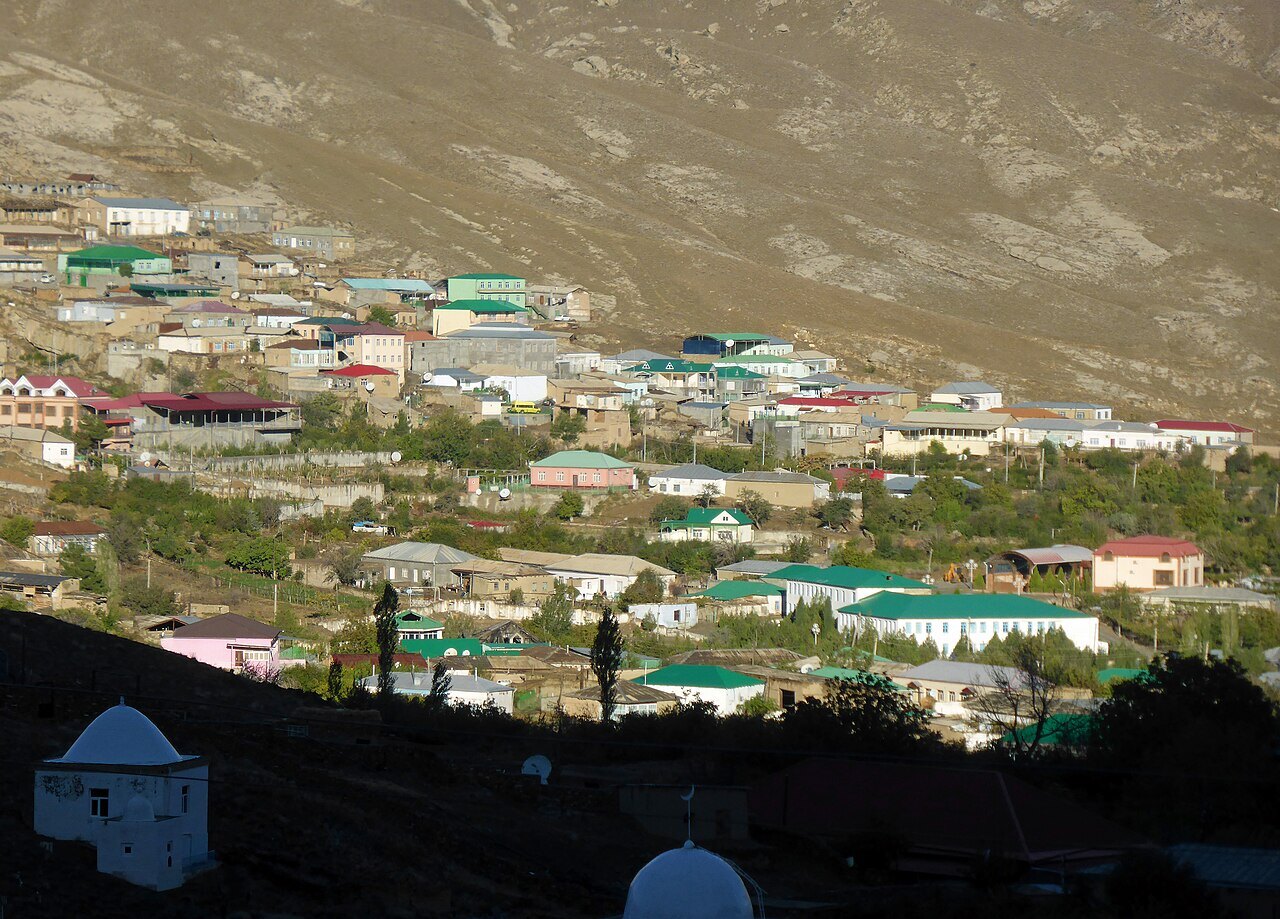
Take a scenic mountain detour to Nokhur, one of Turkmenistan’s distinctive mountain villages.
Explore the village, meet local residents and learn about local customs and traditional mountain life.
Visit the unusual Nokhur cemetery, where many graves are decorated with ibex horns.
Traditional Lunch
Enjoy a home-style lunch with a local family or at a local restaurant.
The mountain road includes steep and winding sections. Access depends on favourable weather and road conditions.
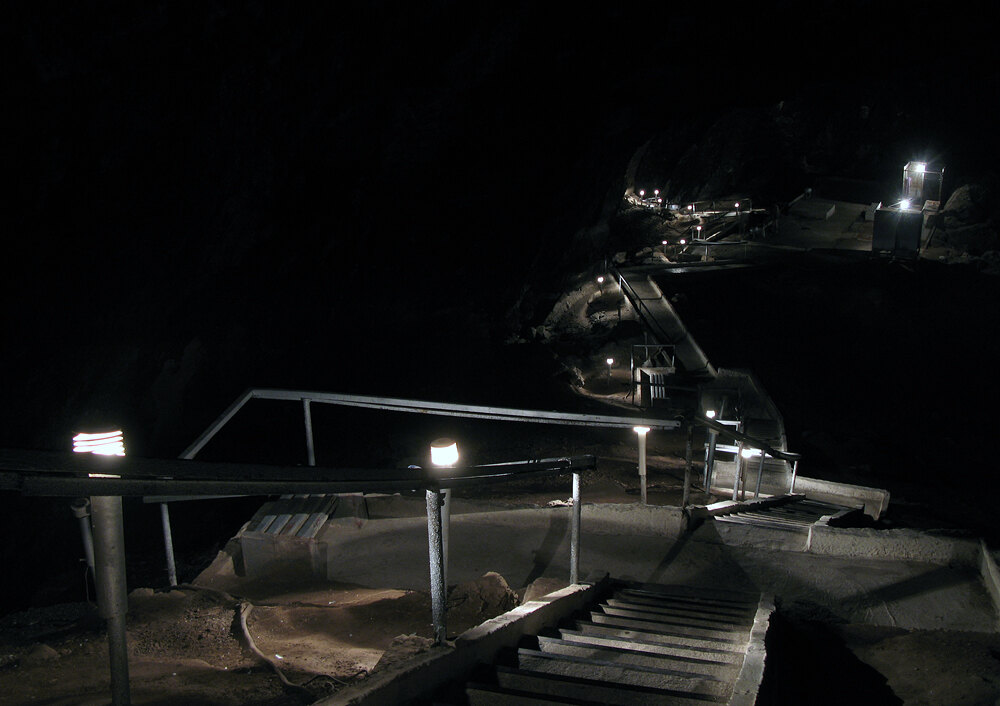
Kow Ata Underground Lake
Continue approximately 71 km towards Kow Ata.
The drive takes around 1 hour.
Descend into the deep limestone cave and experience the naturally warm underground lake.
Its mineral-rich thermal waters remain at approximately 35°C throughout the year.
Visitors can enjoy a relaxing swim inside the cave.
Return to Ashgabat
Continue approximately 89 km back to Ashgabat.
The journey takes around 1.2 hours.
Dinner
Enjoy dinner at a local restaurant.
Overnight: Hotel in Ashgabat.
Day 5: Ashgabat – Water Crater – Mud Crater – Darvaza Gas Crater
Breakfast and Check-Out
Enjoy breakfast at your hotel before completing check-out.
Easy Morning in Ashgabat
Spend a relaxed morning in the capital.
Visit a local bazaar to purchase fresh fruit, snacks or supplies for the journey into the Karakum Desert.
If time allows, enjoy a short walk or additional sightseeing with your guide.
Lunch
Enjoy a traditional lunch at a local restaurant.
Journey into the Karakum Desert
Leave Ashgabat in the afternoon and travel north towards Darvaza.
The distance is approximately 270 km, with a driving time of around 3.5 hours.
Certain sections of the desert road are rough and uneven, so expect a bumpy ride.
Water and Mud Craters
Make short stops at the unusual Water Crater and Mud Crater along the route.
These geological formations offer an interesting introduction to the desert environment.
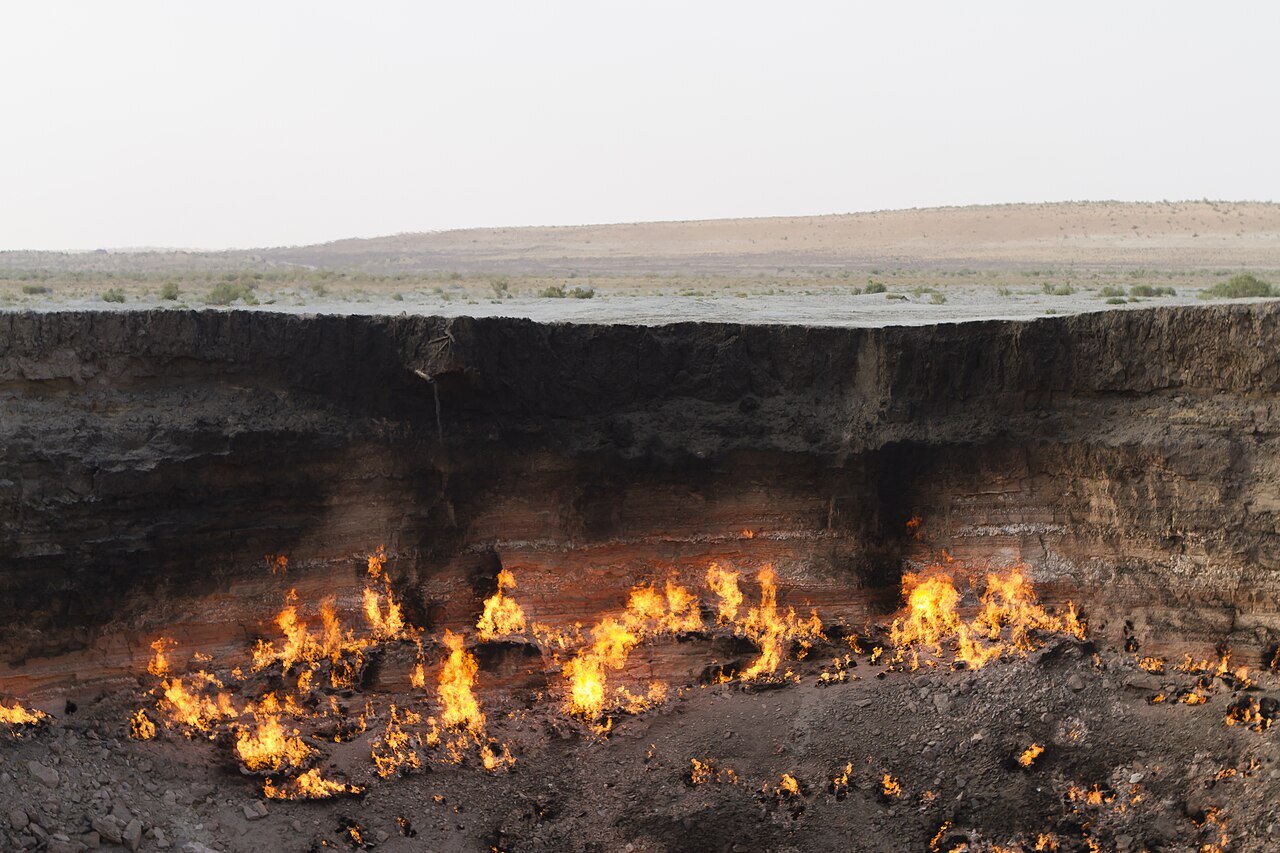
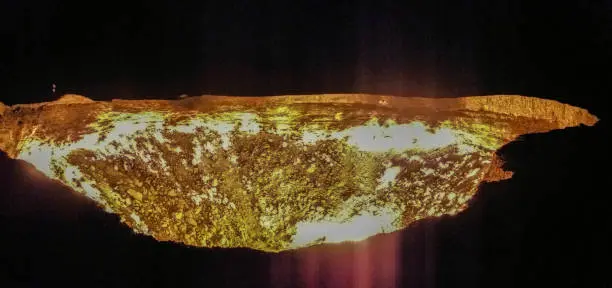
Darvaza Gas Crater
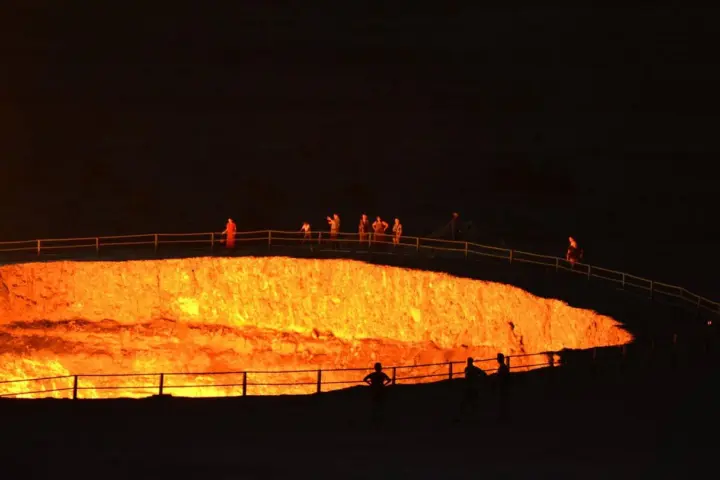
Arrive at the legendary Darvaza Gas Crater around sunset.
As darkness falls, the flames become increasingly dramatic against the surrounding Karakum Desert.
BBQ Dinner Under the Stars
Enjoy a traditional open-air BBQ dinner prepared by our team at the camp.
Spend the evening beside the crater and enjoy excellent opportunities for night photography beneath the desert sky.
Desert Overnight
Spend the night in a traditional Turkmen yurt or a comfortable tent at the camp near the crater.
Overnight: Yurt or tent camp at Darvaza.
Day 6: Darvaza – Kunya-Urgench – Shavat / Hojaili Border – Khiva / Nukus
Optional Sunrise at Darvaza
Wake before dawn for an optional return to the crater edge.
Enjoy the changing colours of the desert as the sun rises.
Breakfast and Departure
Return to camp for breakfast before beginning your journey north towards Kunya-Urgench.
The direct desert route is approximately 260 km.
Depending on seasonal weather and road conditions, an alternative route via Dashoguz may be used, increasing the distance to approximately 390 km.
Expected driving time is around 4 to 5.5 hours.
Some sections of the desert road may be rough and uneven.
Kunya-Urgench Historical Tour
Explore the UNESCO-listed monuments of Kunya-Urgench, one of the most important historical centres of medieval Khorezm.
Kutlug-Timur Minaret
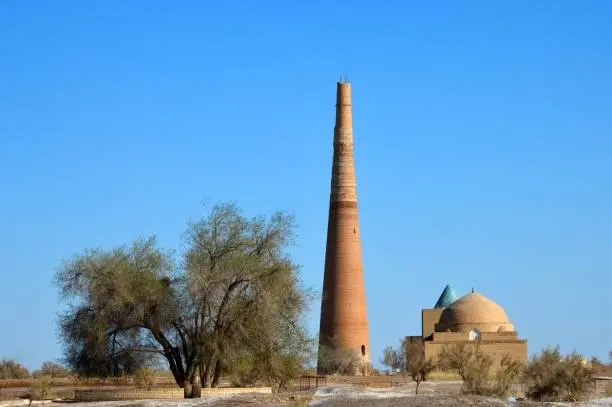
See the impressive Kutlug-Timur Minaret, one of the most remarkable medieval structures in Central Asia.
Turabek-Khanum Mausoleum
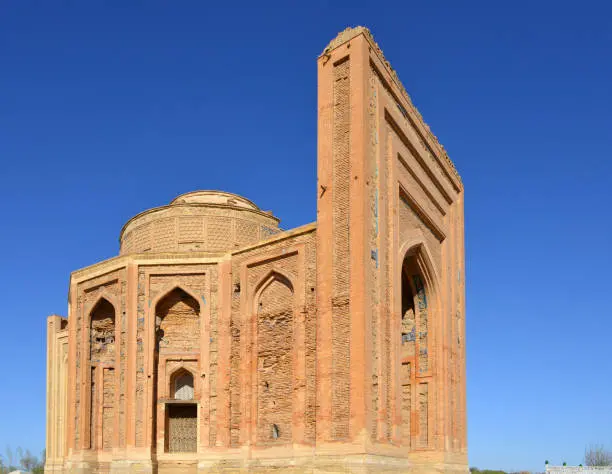
Visit the elegant Turabek-Khanum Mausoleum, famous for the elaborate geometric decoration of its interior dome.
Sultan Tekesh and Il-Arslan Mausoleums
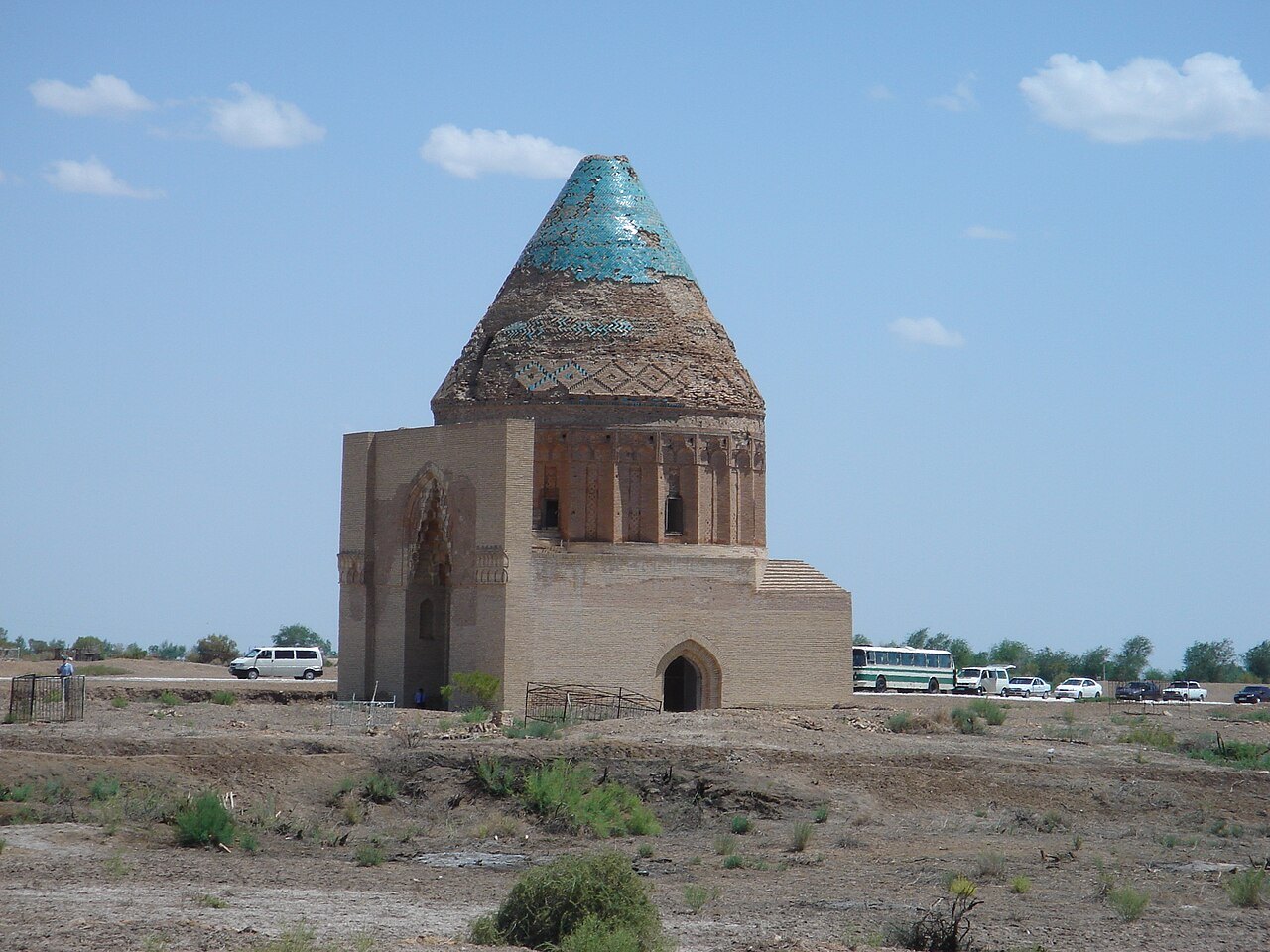
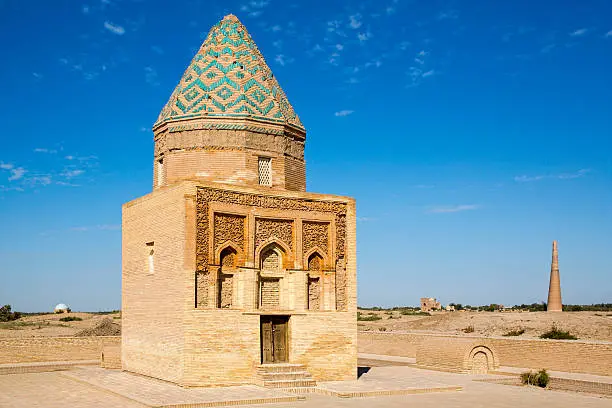
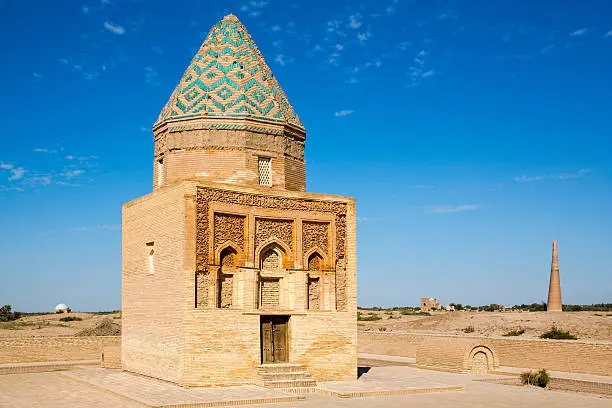
Explore the historic mausoleums of Sultan Tekesh and Il-Arslan, known for their distinctive architectural forms and conical domes.
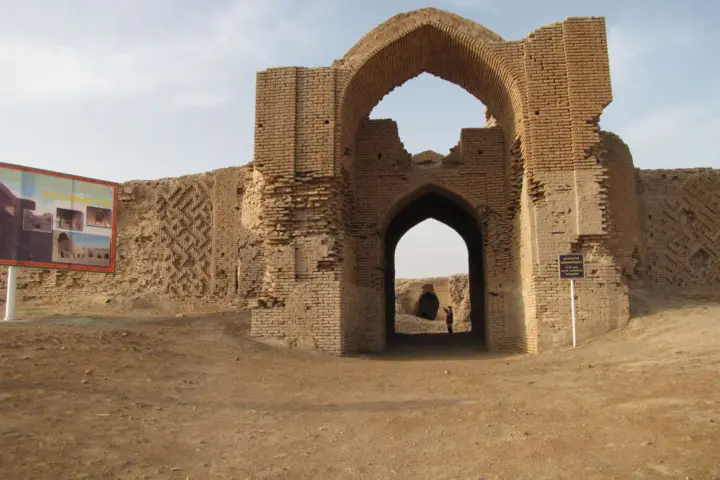
Caravanserai Gate
See the surviving Caravanserai Gate, a reminder of the city’s historic role in Silk Road trade.
Lunch in Kunya-Urgench
Enjoy a traditional lunch at a local restaurant.
Border Transfer Options
Choose the most convenient border crossing according to your onward journey in Uzbekistan.
Option A: Shavat Border – Khiva / Urgench
Travel south via Dashoguz to the Shavat Border Crossing.
The distance is approximately 130 km, with a driving time of around 2 hours.
This option is recommended for travellers continuing to Khiva or Urgench.
Option B: Hojaili Border – Nukus / Muynak
Travel directly to the nearby Hojaili–Kunya-Urgench Border Crossing.
The distance is approximately 35 km, with a journey time of around 45 minutes.
This option is best for travellers continuing to Nukus or Muynak.
Border Assistance and Departure
Upon arrival at the selected border terminal, our team will assist with Turkmen customs and departure immigration formalities in accordance with official border regulations.
After crossing into Uzbekistan, continue your onward journey towards Khiva, Urgench, Nukus or Muynak.
End of Tour Services.