Ancient Merv in Turkmenistan is a major Silk Road destination in Mary region. Its neighbouring city sites show how an oasis changed over centuries, with earthwork defences, medieval monuments and traces of earlier settlements. The State Historical and Cultural Park “Ancient Merv” was inscribed on the UNESCO World Heritage List in 1999.
Where is Ancient Merv: Mary and Bayramaly?
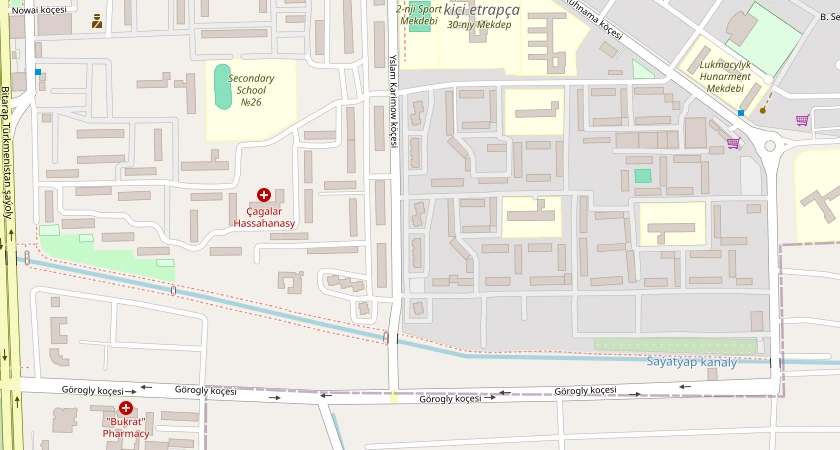
Ancient Merv is an archaeological park near Bayramaly in Mary region. Modern Mary is a separate city and a base for accommodation and transport; it should not be confused with the ancient ruins. The monuments are spread across a large area, so agree transport between stops and allow time for short walks.
Why was Merv important on the Silk Road?
Merv was an oasis city on the Silk Road in the Murgab oasis. Its successive cities helped shape the cultures of Central Asia and Iran over several millennia. In the eleventh and twelfth centuries, Merv became a capital of the Great Seljuks, whose legacy includes Sultan Sanjar’s mausoleum. This history connects the earthen city walls, religious remains and medieval architecture you see during a visit. Ask your guide to relate the monuments to the different periods of the oasis.
Understanding the archaeological park
Merv is best approached as a group of historic settlements rather than a single preserved town. Looking at a plan before the excursion helps make sense of the distances and the sequence of cities. Ask your guide to explain which period each stop represents and how it relates to the wider oasis.
What to see at Ancient Merv
Erk Kala. The early fortified core is recognised by its substantial earthen ramparts and citadel. It offers a starting point for understanding the development of the urban centre. Use permitted paths and viewpoints rather than climbing vulnerable sections of the defences.
Gyaur Kala. This neighbouring walled city has a roughly square plan. Excavations have revealed a Buddhist complex and a mosque among other structures, reflecting changes in the city’s religious and urban life. Not every excavated feature is readily visible during a short visit.
Sultan Kala and Sultan Sanjar’s mausoleum. The medieval city is associated with Merv’s importance under the Great Seljuks. The mausoleum is a prominent surviving monument, with brickwork and architectural details worth examining at a slower pace.
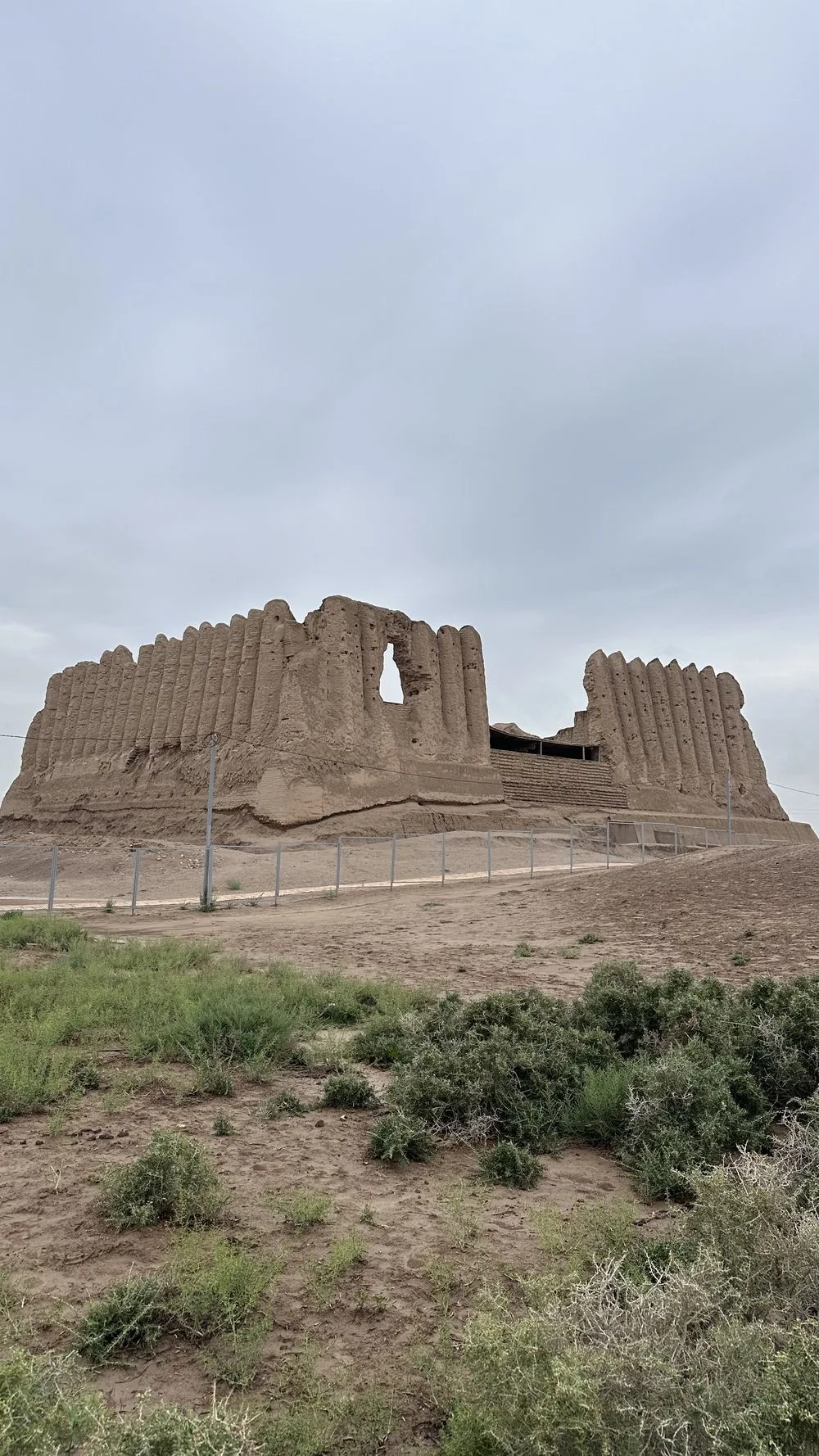
Great Kyz Kala. Its corrugated earthen façades make this one of Merv’s most recognisable buildings. Archaeologists study it as part of the region’s tradition of substantial defended residences, known as köshks. View the walls from authorised areas and follow conservation restrictions.
Planning a Merv visit: Mary, Ashgabat or Bukhara
Agree the main stops, transport between them, walking distances and the language of your guide. A short overview and a detailed archaeological visit need different amounts of time. If you also want a museum visit in Mary, include it explicitly when arranging the day. Compare Ancient Merv tours from Ashgabat and the Bukhara side of the border to choose a starting point that fits your trip.
Ashgabat to Bukhara
Stay in Ashgabat on the first night, then visit Merv on day two and continue to Farap. Choose this for an eastbound journey into Uzbekistan. The second day combines substantial driving with sightseeing; agree the departure schedule and border arrangements in advance.
Bukhara round trip by road
Meet at Farap, visit Turkmenabat and stay in Mary. Day two combines Ancient Merv with Turkmen Ojagy before returning to Farap. This is the option to compare if you want a hotel night in Mary and travel between the main stops by road.
Bukhara with Dayahatyn
Visit Dayahatyn on day one, then take the evening train from Turkmenabat to Mary. Transfer to a hotel after the late arrival. Merv and Turkmen Ojagy follow on day two before the return to Farap. Confirm the train schedule and availability for your dates.
Meeting point and onward transfers: both Bukhara round trips start and finish on the Turkmen side at Farap. The Ashgabat route finishes there too. Confirm the Bukhara–border transfers on the Uzbek side separately when booking, including whether they are included in your quotation.
In the eight-day Turkmenistan Highlights Tour, the visit to Merv takes place on day five as an Ashgabat–Merv–Ashgabat excursion. A separate day tour requires its own agreed starting point, endpoint and quotation.
Ancient Merv or Gonur Depe?
For a different historical focus, read our guide to Gonur Depe and Bronze Age Margiana. Gonur Depe requires a separate journey and should not be assumed to be part of a standard Merv excursion. Discuss both destinations when deciding how many days to allow in Mary region.
Practical tips for your visit
Bring water, sun protection, a hat and comfortable footwear. Check the forecast and tell your organiser about any mobility requirements. Leave time to rest and photograph the monuments without rushing between stops.
Keep pottery and other finds where they are, stay out of closed excavation areas and respect visitors at religious monuments. To arrange a programme, contact Darwaza Travel with your dates and interests.
Sources: UNESCO’s Ancient Merv entry and UCL’s account of research, conservation and site presentation.