Route: Bukhara / Farap Border – Dayahatyn Caravanserai – Turkmenabat – Evening Train to Mary – Ancient Merv – Turkmen Ojagy – Amu Darya River – Farap Border / Bukhara
Tour Overview
This 2-day Dayahatyn and Ancient Merv Silk Road tour from Bukhara is designed for travellers who want to explore two very different chapters of Turkmenistan’s Silk Road heritage in one compact journey.
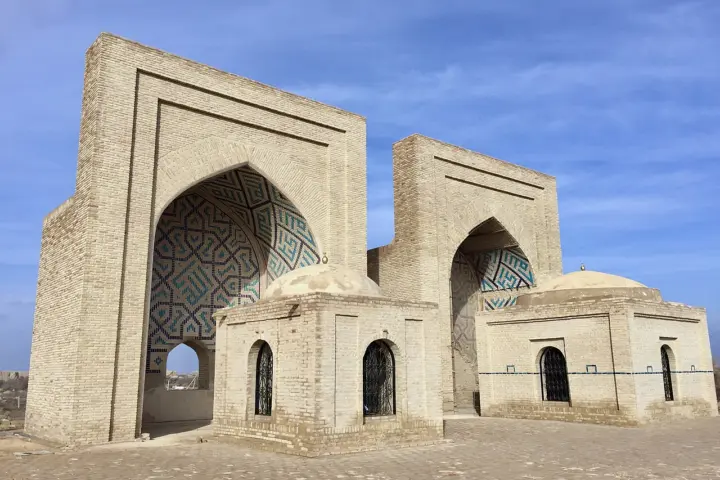
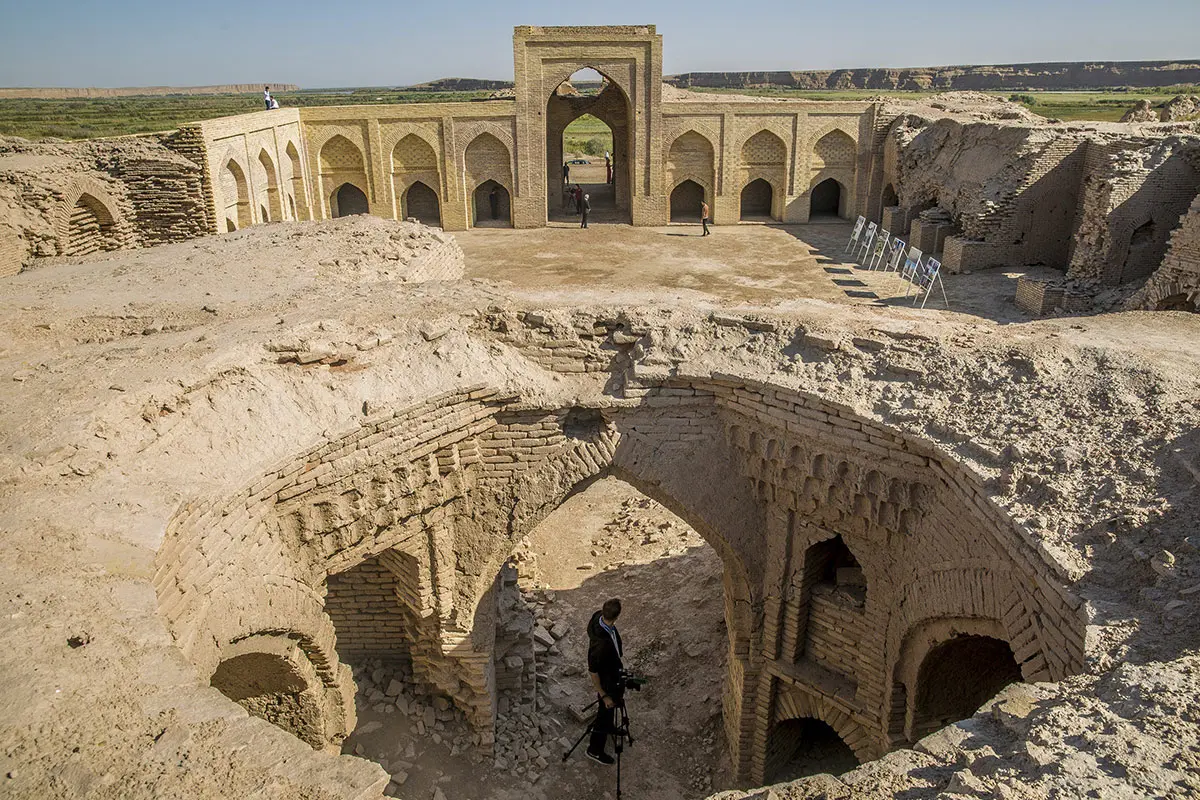
Enter Turkmenistan through the Farap Border and travel north through the Karakum Desert to the medieval Dayahatyn Caravanserai, known for its elegant Seljuk brickwork and historic courtyard layout.
Return to Turkmenabat for an evening train to Mary. After arrival after midnight, transfer to a hotel in Mary for rest.
On the second day, explore UNESCO-listed Ancient Merv, including the Mausoleum of Sultan Sanjar, Kyz Kala fortresses and other major archaeological sites.
Continue to Turkmen Ojagy for a cultural programme with traditional lunch, Alabay dogs, Bactrian camels, national clothing and a Chorek bread-baking experience.
Visiting Turkmen Ojagy. Turkmen Ojagy welcomes groups of 4 or more. If you are travelling solo, you can book the same itinerary and spend the time set aside for this visit exploring the city instead.
The journey finishes with a motorway transfer back towards Farap, including an Amu Darya River photo stop before returning to Bukhara.
Day 1: Farap Border – Dayahatyn Caravanserai – Turkmenabat – Evening Train to Mary
09:00 AM – Meet at Farap Border
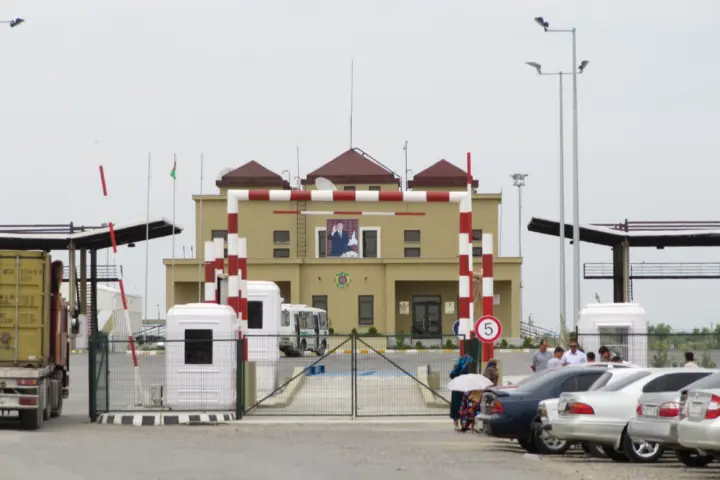
After crossing from Uzbekistan, complete passport and migration formalities at the Farap Border.
Meet our local guide inside the main hall of the Turkmen border terminal.
During the entry process, border officers will contact our team, and your guide will recognise you using the photograph provided in advance.
Journey to Dayahatyn Caravanserai
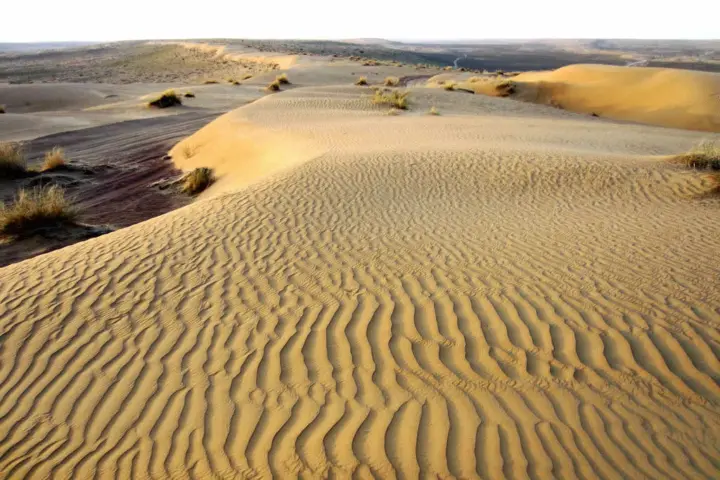
Leave the border area and travel north through the Karakum Desert towards Dayahatyn Caravanserai.
The distance is approximately 210 km, with a driving time of around 3 hours.
The route includes uneven asphalt and rough desert sections, giving the journey an authentic overland character.
Lunch En Route
Enjoy a traditional lunch at a roadside restaurant before continuing to the historic site.
Guided Tour of Dayahatyn Caravanserai
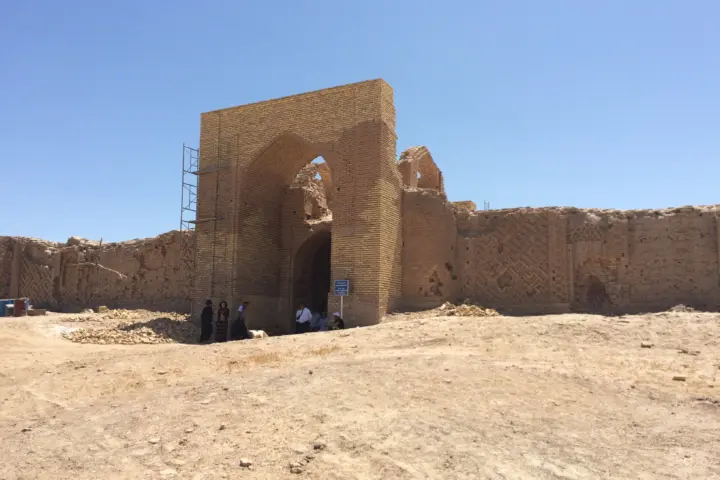
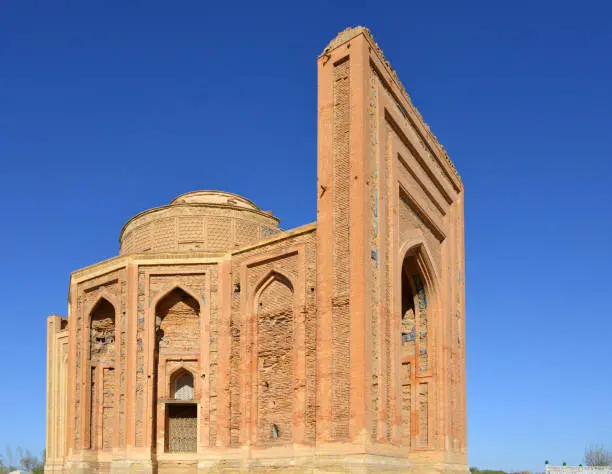
Explore Dayahatyn Caravanserai, one of the remarkable medieval monuments associated with the northern Silk Road.
Seljuk Architecture
Admire the decorative brickwork, monumental entrance arches and balanced courtyard layout dating mainly from the 11th–12th centuries.
Caravan History
Walk through the historic chambers and courtyard spaces that once served merchants and travellers moving along long-distance trade routes.
Your guide will explain the role of caravanserais in medieval travel across Central Asia.
Return to Turkmenabat
After the visit, travel back towards Turkmenabat.
The distance is approximately 170 km, with a driving time of around 2.5 hours.
Turkmenabat Highlights
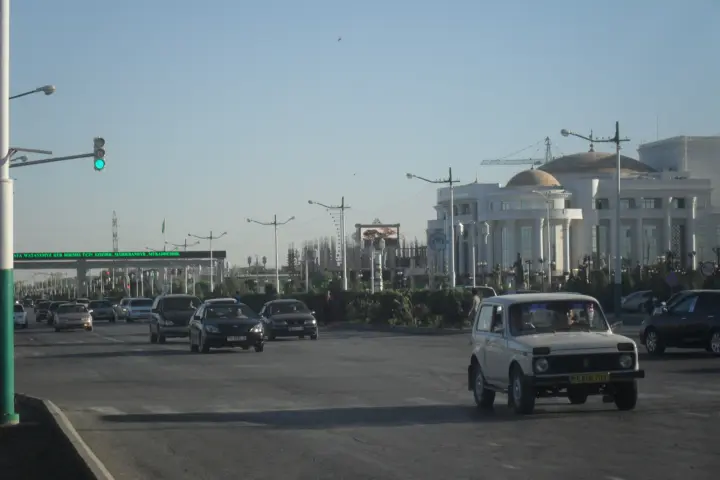
If time permits, enjoy a short orientation drive through the city.
See the historic Amul Fortress area and pass the Lebap Regional History Museum before continuing to the railway station.
Evening Train to Mary
Arrive at Turkmenabat Railway Station by approximately 18:15.
Board the sleeper train to Mary, scheduled approximately 18:45–00:50.
The train departs in the evening and arrives after midnight; hotel accommodation in Mary follows the journey. Confirm the timetable, tickets and late hotel check-in for your dates before booking.
Dinner on Board
Enjoy a traditional packed dinner during the train journey across eastern Turkmenistan.
Arrival in Mary
Upon arrival at Mary Railway Station, transfer to your hotel for check-in and rest.
Overnight: Hotel in Mary.
Day 2: Ancient Merv – Turkmen Ojagy – Amu Darya – Farap Border
Breakfast and Check-Out
Enjoy breakfast at your hotel and complete check-out.
Meet your guide and driver to begin the second day of the tour.
Ancient Merv Guided Tour
Explore the UNESCO World Heritage archaeological park of Ancient Merv, one of the most important historical centres along the Silk Road.
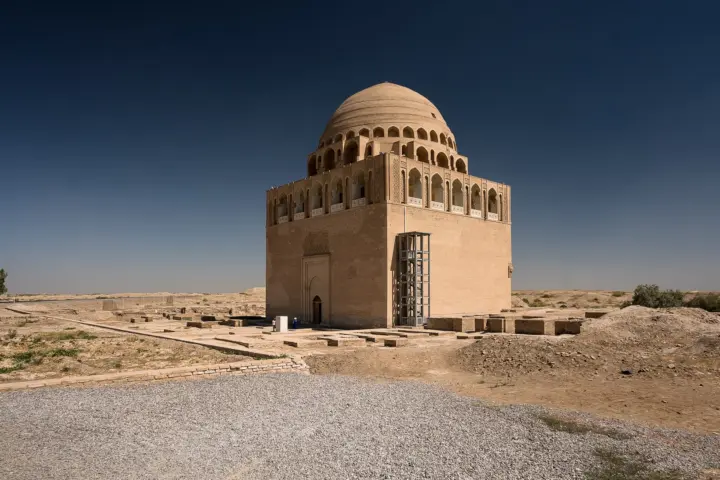
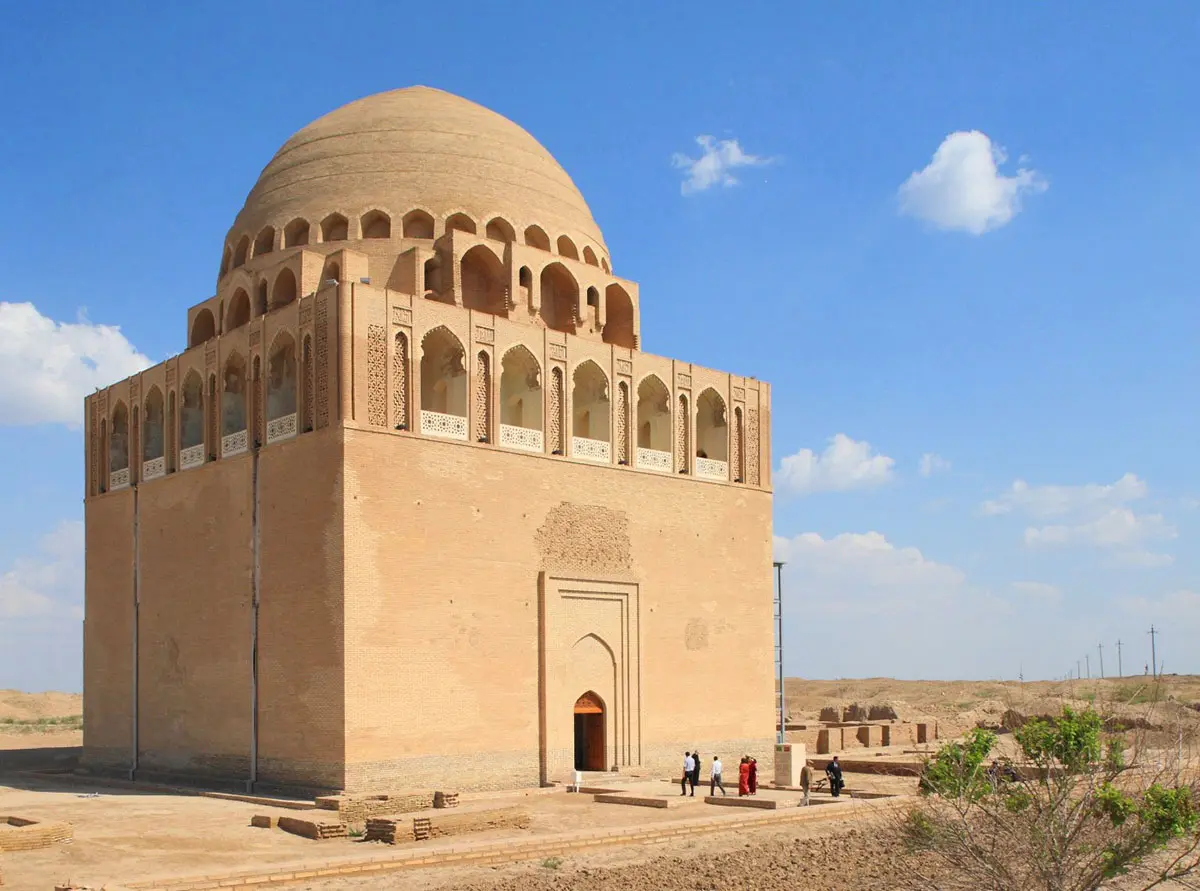
Mausoleum of Sultan Sanjar
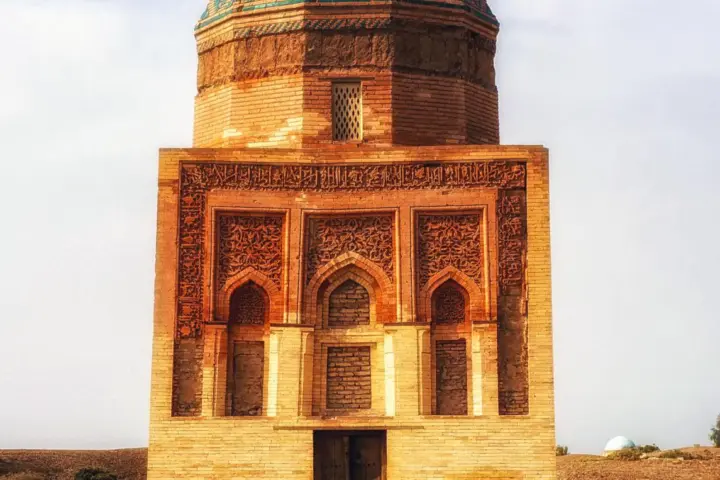
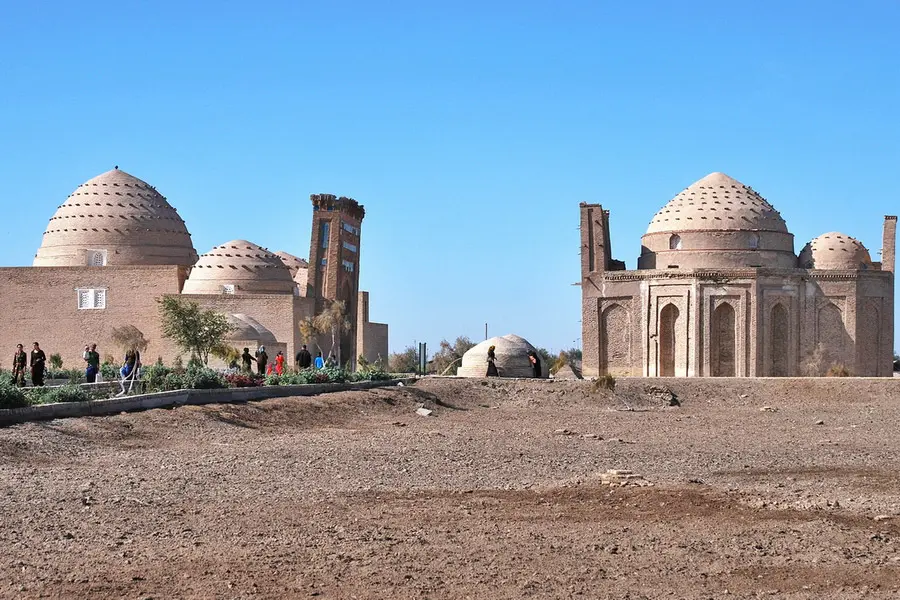
Visit the monumental Mausoleum of Sultan Sanjar, a 12th-century masterpiece of Seljuk architecture.
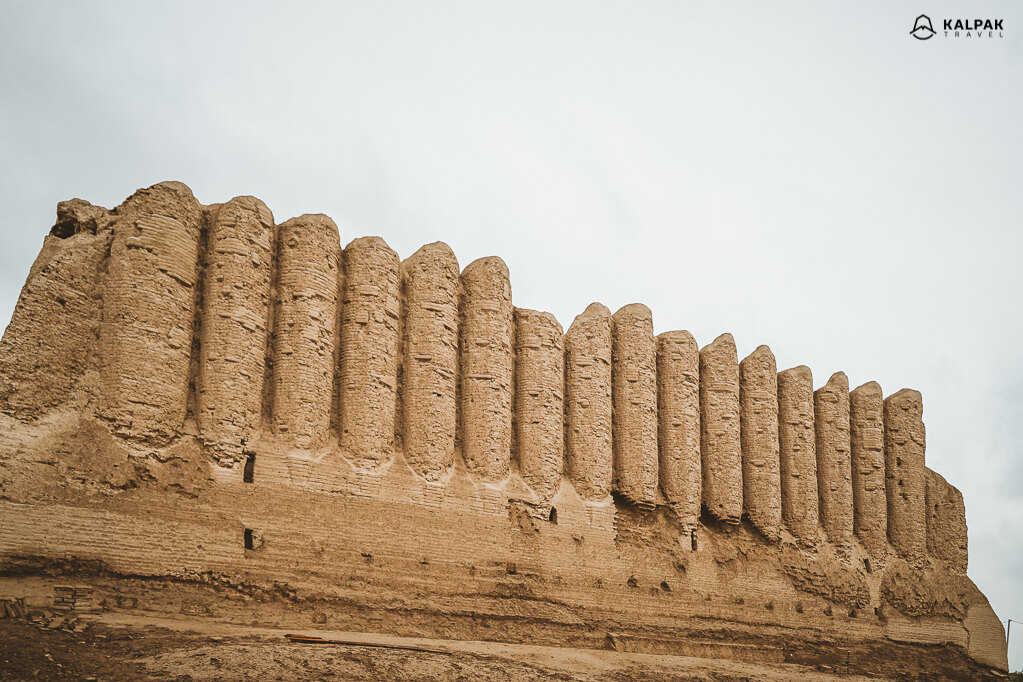
Greater and Lesser Kyz Kala
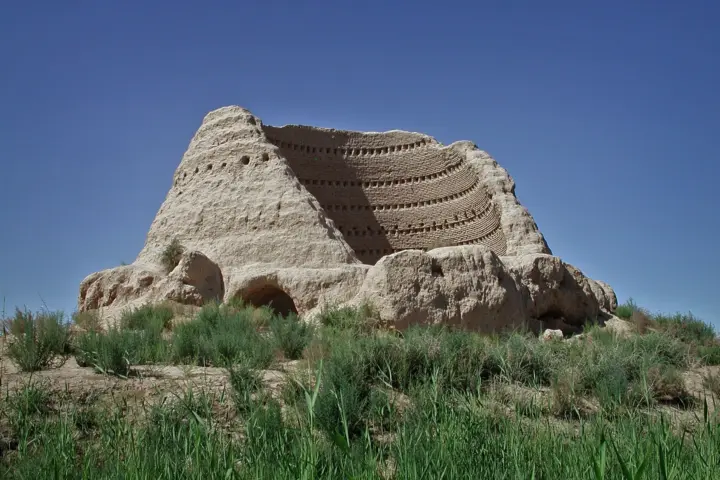
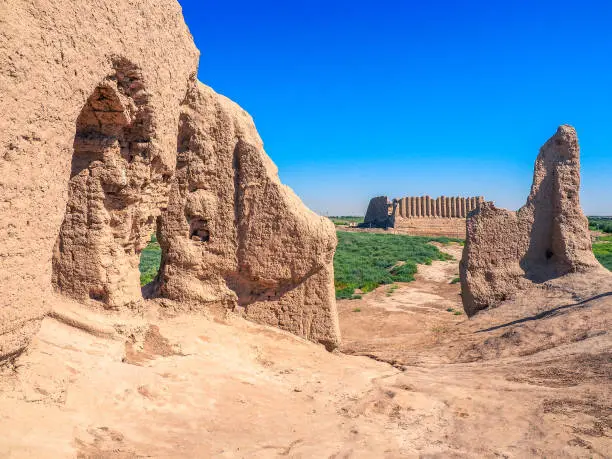
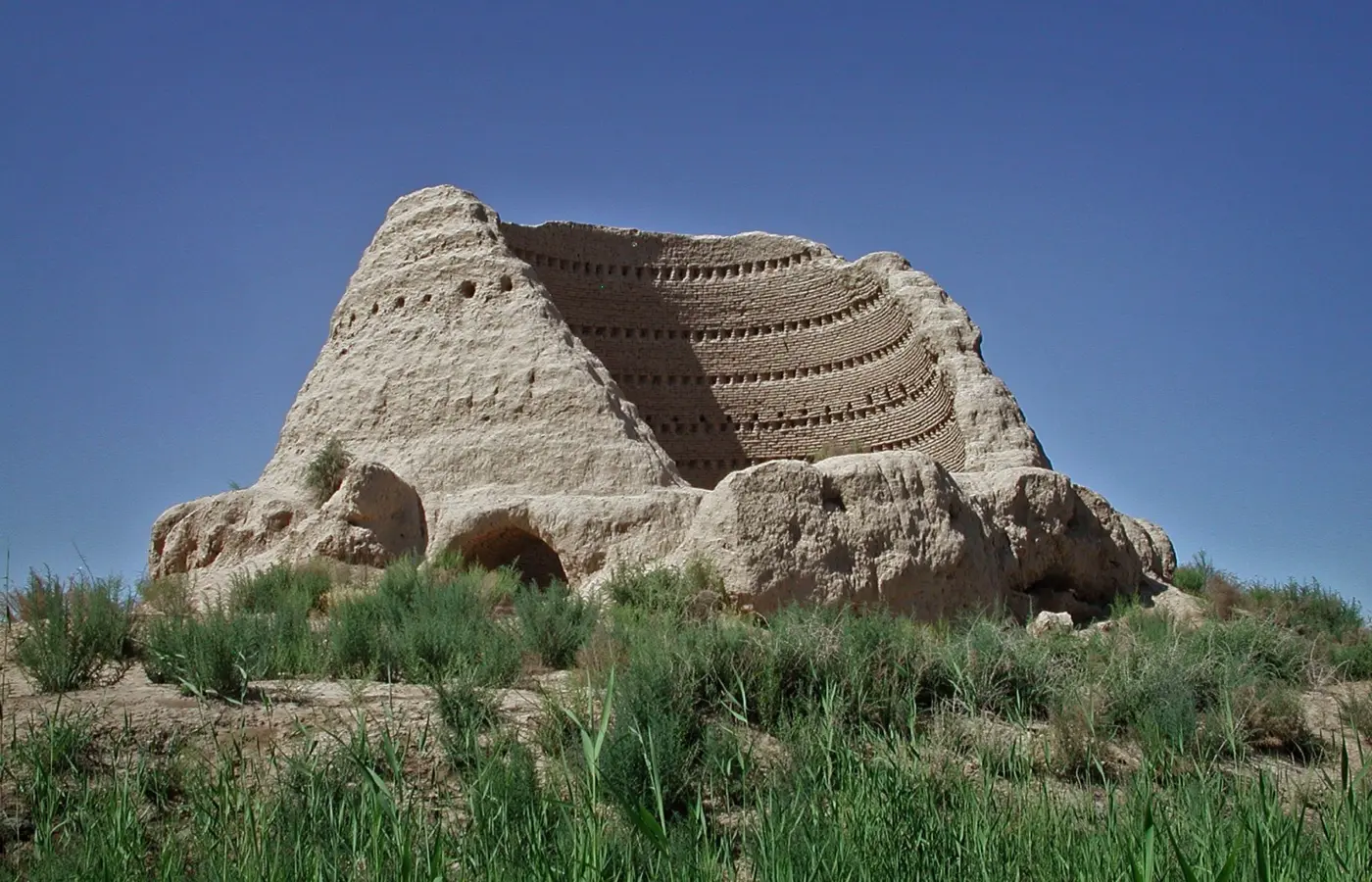
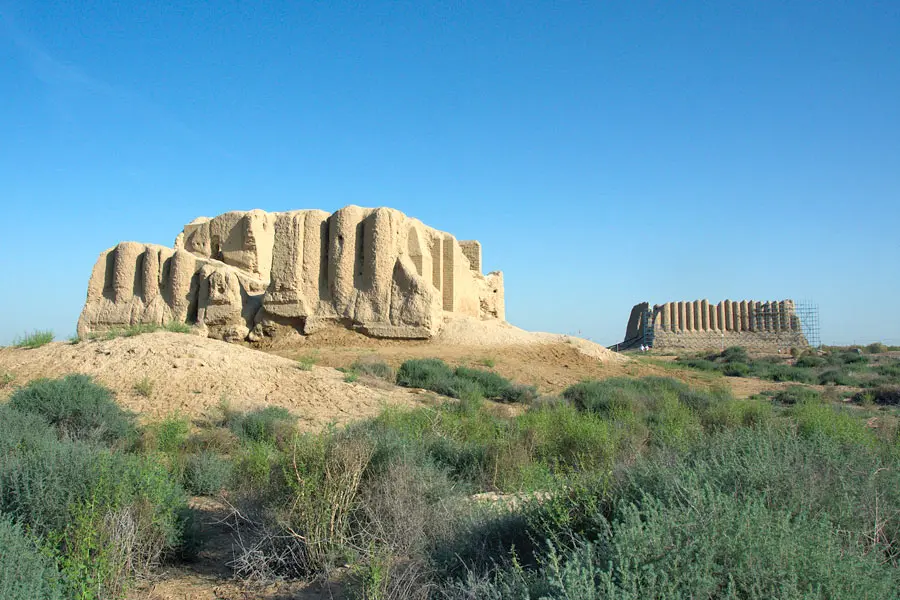
Explore the distinctive Greater Kyz Kala and Lesser Kyz Kala, known for their corrugated mud-brick walls.
Askhabs Mausoleums and Ancient Sardoba
Visit the sacred mausoleums associated with the companions of the Prophet Muhammad and see the historic Sardoba, once used for storing water in the desert.
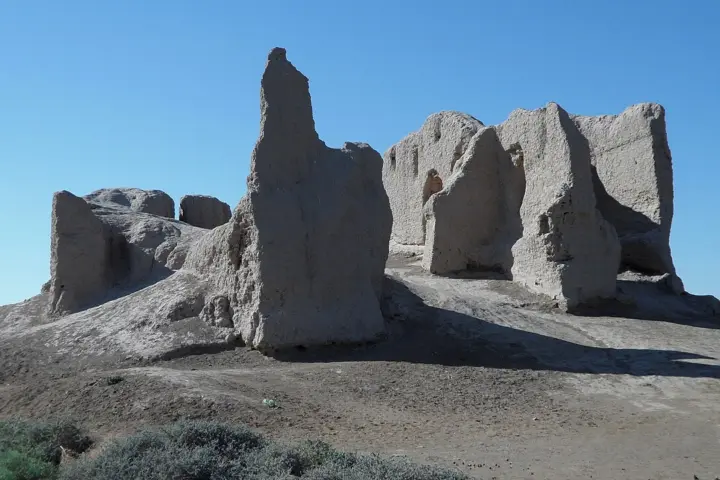
Erk Kala and Gyaur Kala
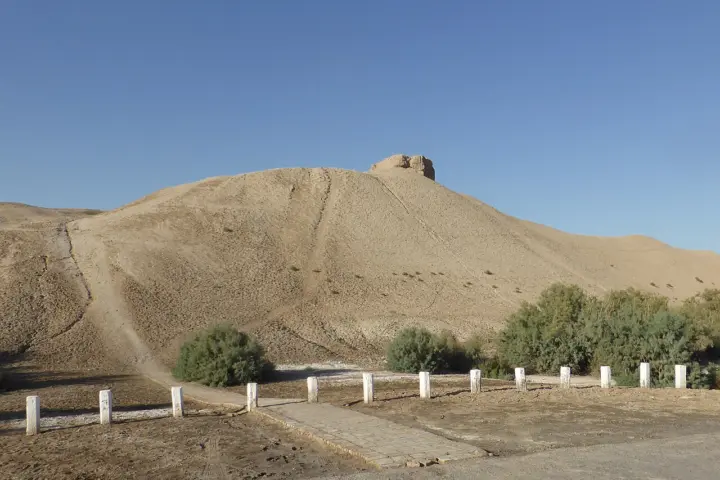
Explore the ancient settlements of Erk Kala and Gyaur Kala and enjoy panoramic views across the archaeological landscape.
Please note: Additional smaller monuments within Ancient Merv can be visited depending on available time and your interests.
Turkmen Ojagy Ethnographic Experience
Continue to the nearby Turkmen Ojagy complex for a traditional lunch and cultural programme.
Alabay Dogs and Bactrian Camels
Meet Turkmenistan’s famous Alabay dogs and see Bactrian camels, long associated with desert travel and traditional life.
National Dress Experience
Try on traditional Turkmen clothing, including the Telpek sheepskin hat and decorative national garments.
This is also an excellent opportunity for photographs inside a traditional yurt setting.
Chorek Bread-Baking Experience
Take part in a practical demonstration of how traditional Chorek flatbread is baked in a clay Tamdyr oven.
Drive Towards Farap Border
Depart the Bayramaly area at approximately 14:00 and travel northeast along the modern Mary–Turkmenabat motorway.
The distance is approximately 240 km, with a driving time of around 2.5 hours.
Amu Darya River Photo Stop
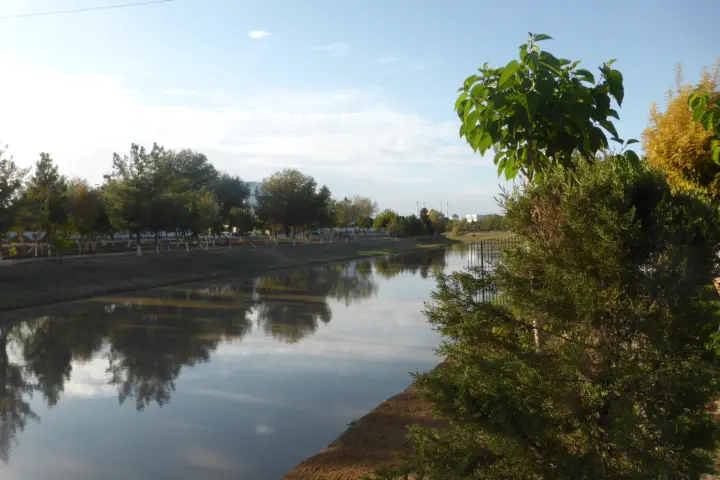
Near Turkmenabat, make a short stop by the Amu Darya River for photographs.
The river has played an important role in the history, trade and settlement patterns of Central Asia.
Farap Border
Continue to the Farap Border.
Upon arrival, our team will assist you with Turkmen customs and departure immigration procedures in accordance with official border regulations.
After crossing into Uzbekistan, continue your journey towards Bukhara.
End of Tour Services.
Compare Routes and Plan Your Visit
For another itinerary of the same length, explore our 2-day Merv and Turkmen Ojagy tour from Bukhara.
If you have fewer days available, compare our 1-day Dayahatyn Caravanserai tour from Bukhara.
Prepare for the archaeological sites with our Ancient Merv travel guide.
Before travelling, read our Dayahatyn guide to the history, architecture and practical preparations.