About This 4-Day Turkmenistan Highlights Tour
This 4-day Turkmenistan highlights tour from Ashgabat combines the country’s western landscapes, mountain culture and ancient Silk Road heritage in one compact circular journey.
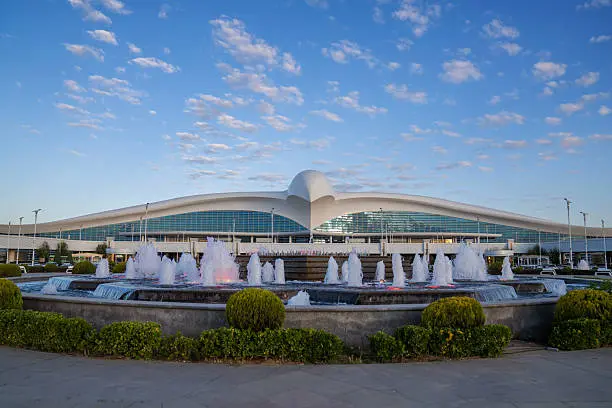
Starting and ending at Ashgabat International Airport (ASB), the itinerary begins with a private exploration of the white-marble capital before an early domestic flight to Turkmenbashi on the Caspian Sea.
From the coast, continue across the desert plateau to the colourful cliffs of Yangykala Canyon. The following day, travel along the Kopet Dag Mountains to the traditional mountain village of Nokhur and the naturally warm underground waters of Kow Ata.
The final day takes you east by motorway to Ancient Merv, a UNESCO World Heritage Site and one of the major historic centres of the Silk Road, before returning to Ashgabat for a farewell dinner and airport transfer.
This itinerary is ideal for travellers who want to combine Yangykala, Nokhur, Kow Ata and Ancient Merv in a four-day round trip from Ashgabat.
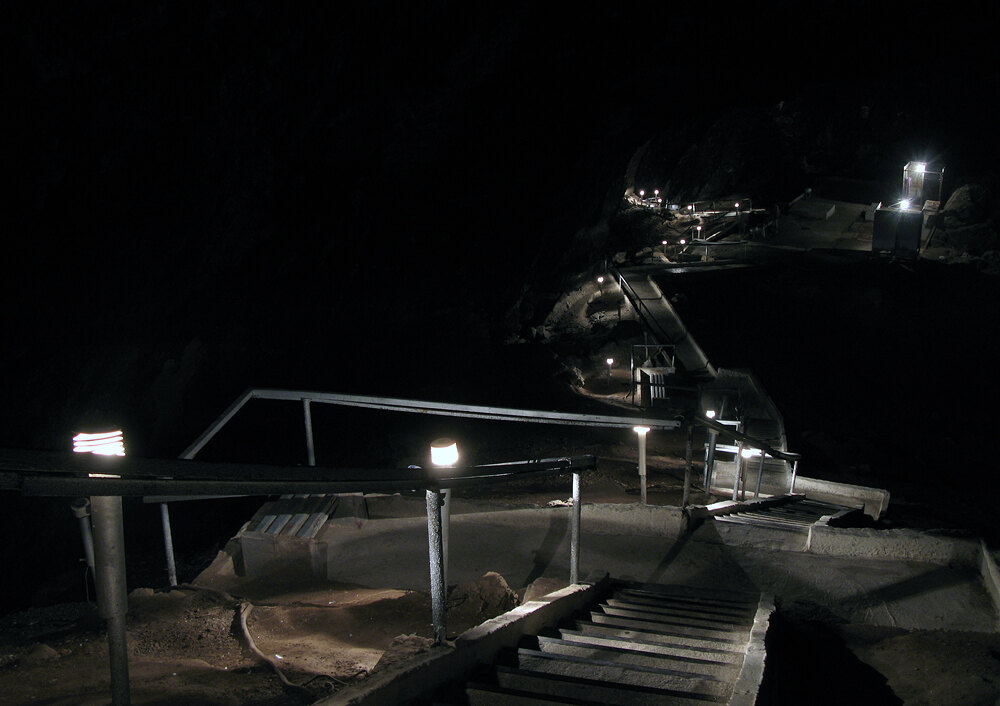
Before travelling, read our Kow-Ata visitor guide: the cave staircase and what to bring.
Route
Ashgabat International Airport (ASB) → Ashgabat → Turkmenbashi → Yangykala Canyon → Balkan Region → Nokhur → Kow Ata → Ashgabat → Mary / Bayramaly → Ancient Merv → Ashgabat → Ashgabat International Airport (ASB)
Tour Highlights
- Start and finish at Ashgabat International Airport
- Explore Ashgabat’s white-marble architecture
- Take a domestic flight to Turkmenbashi
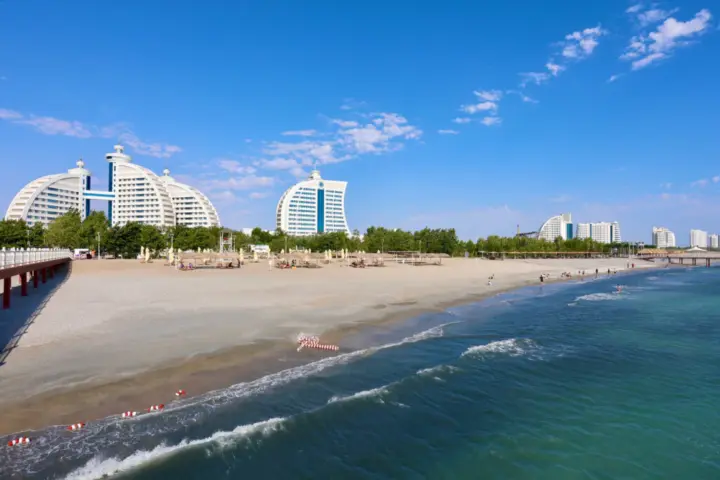
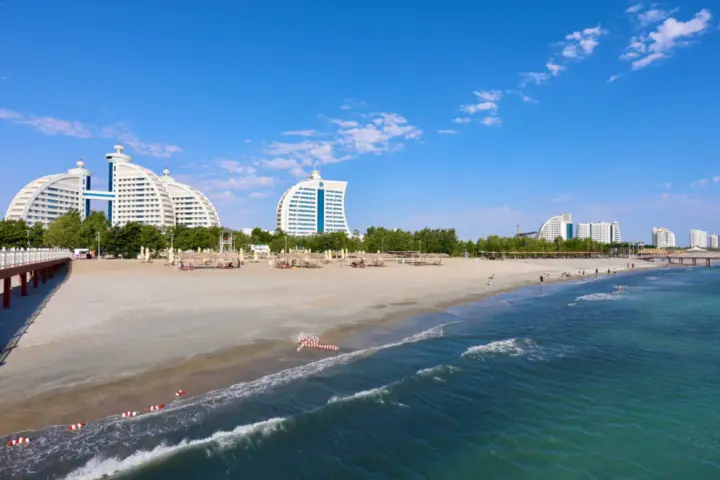
- Discover the Caspian Sea coast
- Optional visit to Awaza
- Optional stop at Gozli Ata
- Explore Yangykala Canyon
- Travel through the Balkan Region
- Visit Nokhur mountain village
- Swim in the warm waters of Kow Ata Underground Lake
- Travel east along the Ashgabat–Mary motorway
- Explore UNESCO-listed Ancient Merv
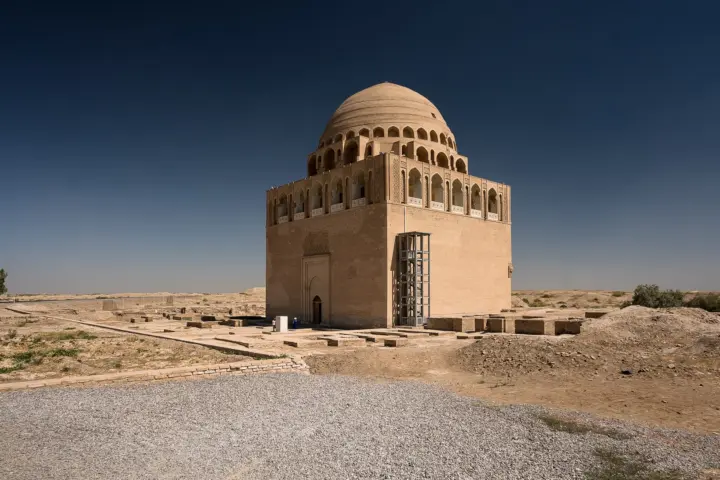
- Visit the Mausoleum of Sultan Sanjar
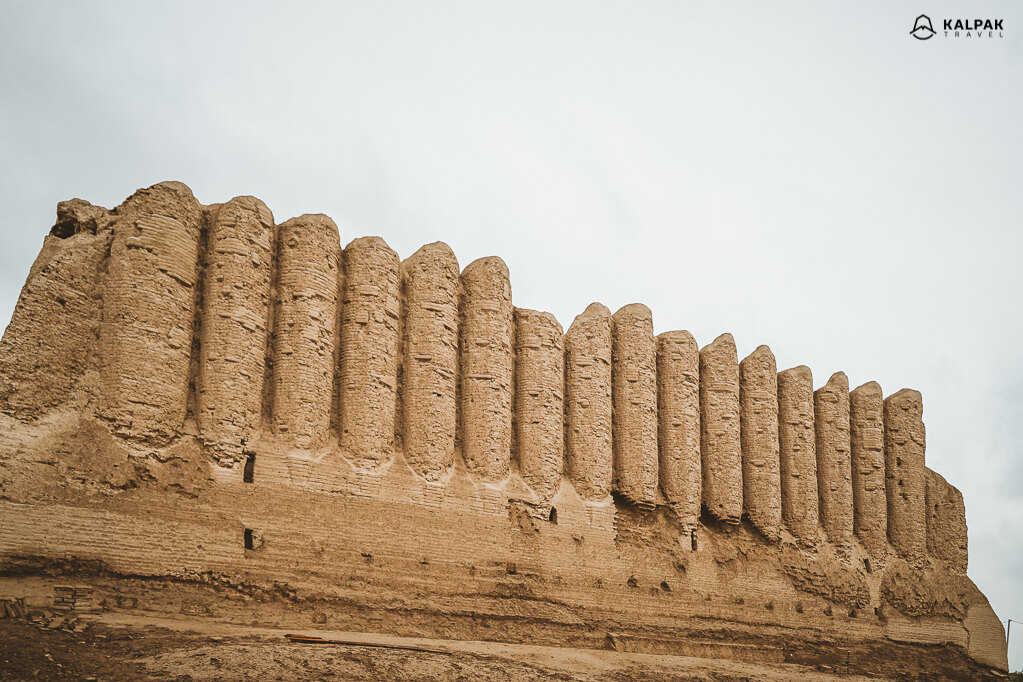
- See Greater and Lesser Kyz Kala
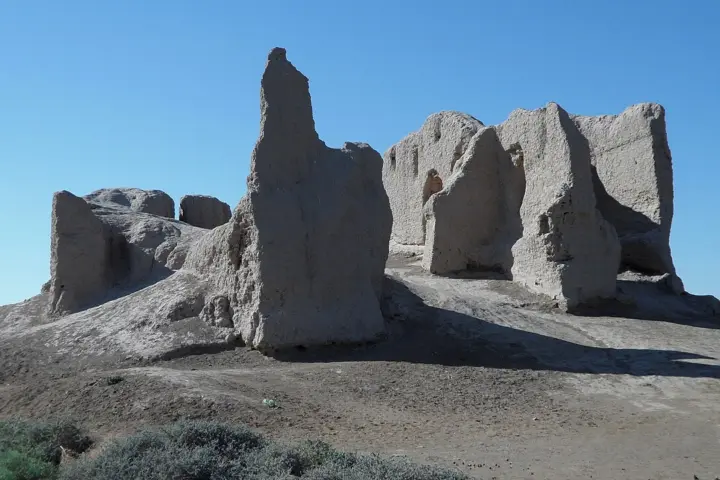
- Explore Erk Kala and Gyaur Kala
- Return to Ashgabat for a farewell dinner and airport transfer
Day 1 – Arrival and Ashgabat City Highlights
Arrival at Ashgabat International Airport
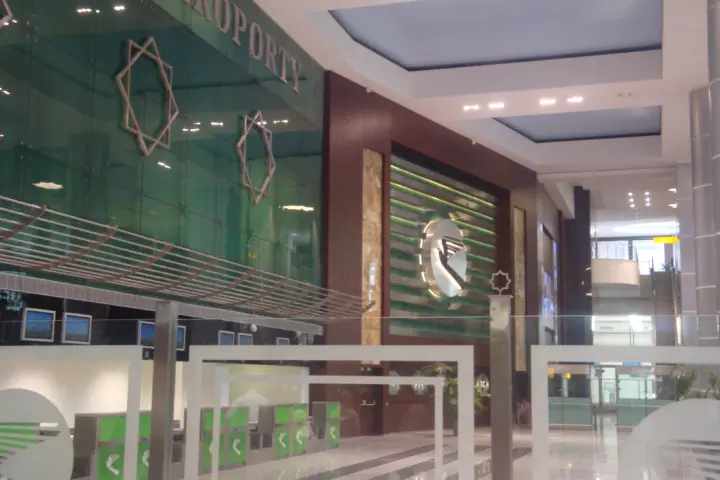
Upon arrival at Ashgabat International Airport (ASB), complete customs and immigration formalities.
Our guide or driver will meet you at the arrivals area and recognise you using your photograph.
Breakfast and Transfer
Transfer to a local restaurant for breakfast before beginning the day’s programme.
Private Ashgabat City Tour
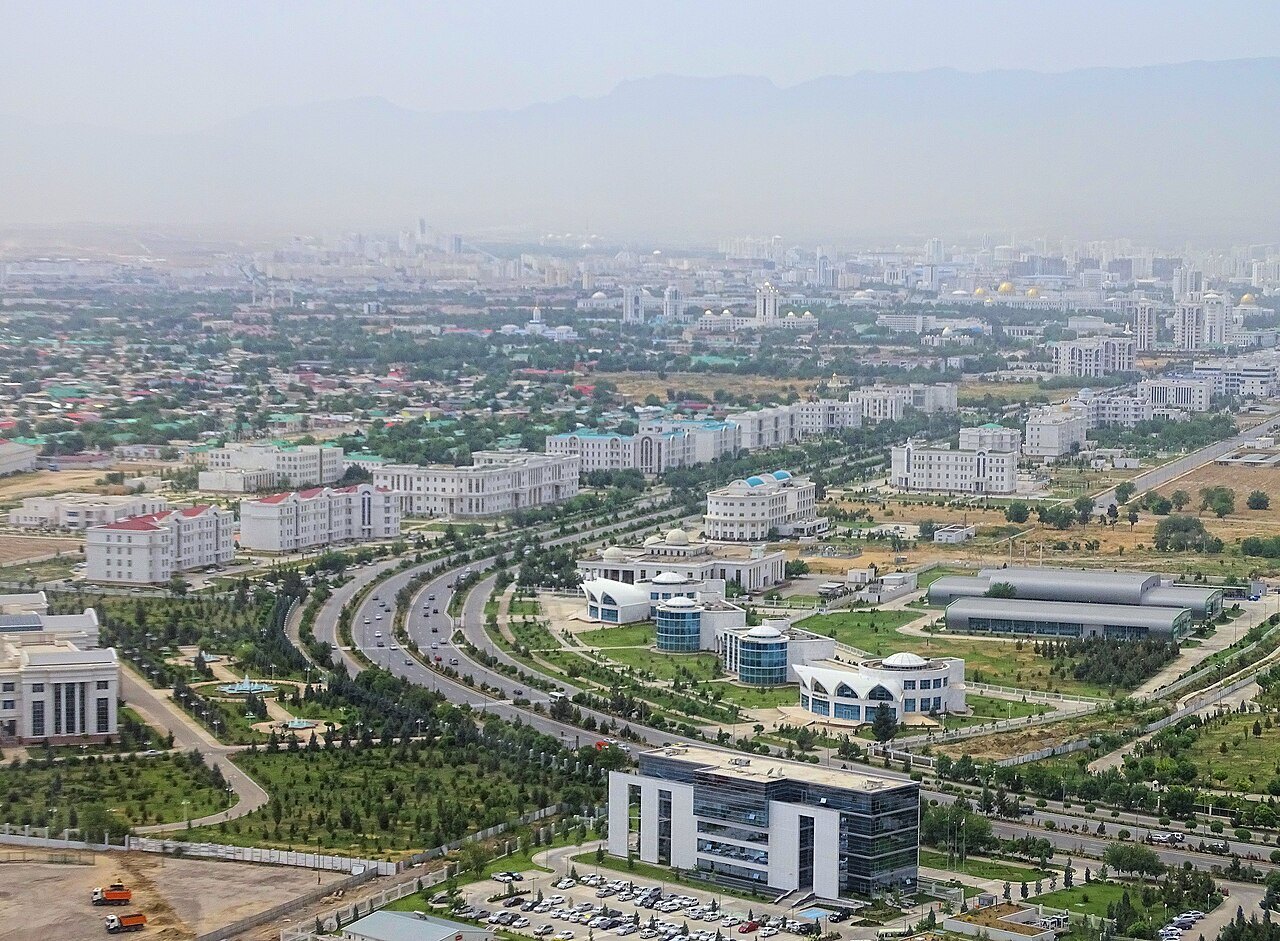
Begin your journey with a private exploration of Ashgabat, Turkmenistan’s distinctive white-marble capital.
The programme is fully flexible and can be adapted to your pace and personal interests.
Your guide can combine monumental architecture, modern avenues, cultural sites and locations connected with Turkmenistan’s history and the Silk Road.
Meals and Leisure
The day is planned at a comfortable pace with breaks for a traditional lunch and relaxed dinner at local restaurants.
Overnight in Ashgabat
Stay overnight at a hotel in Ashgabat.
Overnight: Hotel in Ashgabat.
Day 2 – Turkmenbashi, Caspian Coast and Yangykala Canyon
Early Morning Flight to Turkmenbashi
Complete an early hotel check-out and transfer to Ashgabat International Airport.
Take the morning flight to Turkmenbashi, departing at 06:20 AM.
A freshly prepared breakfast box will be provided by the hotel for the journey.
Meet your local driver upon arrival at Turkmenbashi Airport.
Turkmenbashi city tour and optional visit to Awaza
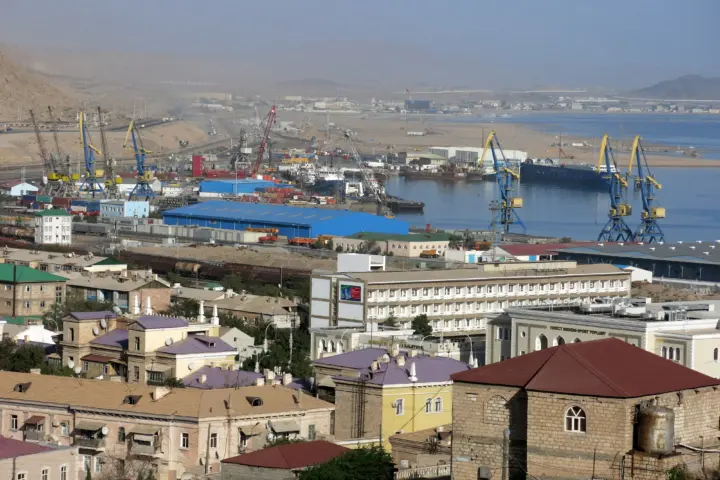
Enjoy a short orientation tour of Turkmenbashi, the historic port city on the Caspian Sea.
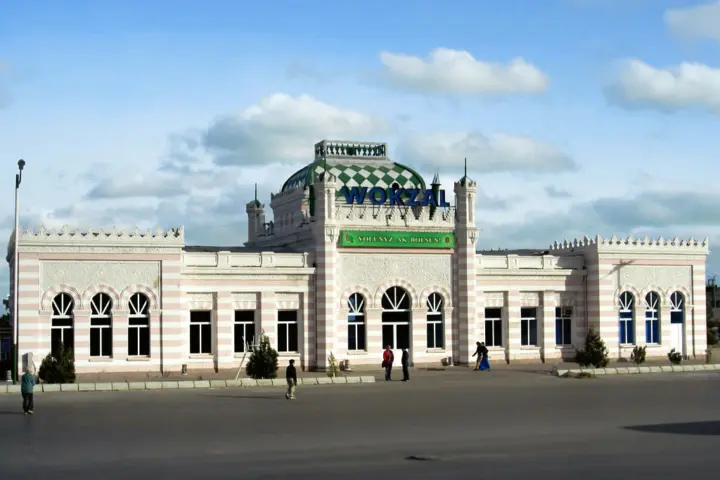
See examples of pre-revolutionary architecture built from local Caspian limestone, visit the 1895 Moorish-style railway station, and enjoy coastal views.
An optional excursion to the nearby Awaza Sea Resort can be arranged upon request, subject to accessibility at the time of your visit.
Lunch
Enjoy fresh Caspian seafood or a traditional lunch at a local restaurant.
Drive Towards Yangykala
Leave Turkmenbashi and travel east through the desert towards the canyon region.
Optional Gozli Ata Visit
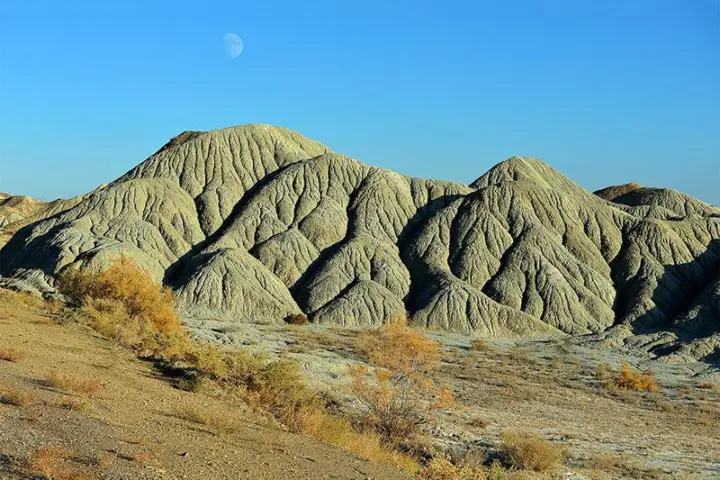
If time allows, make an optional stop at Gozli Ata, a pilgrimage site surrounded by striking white and pink cliffs.
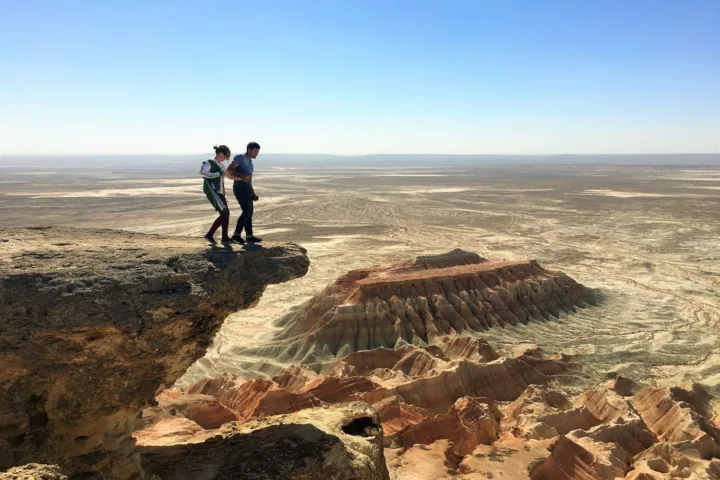
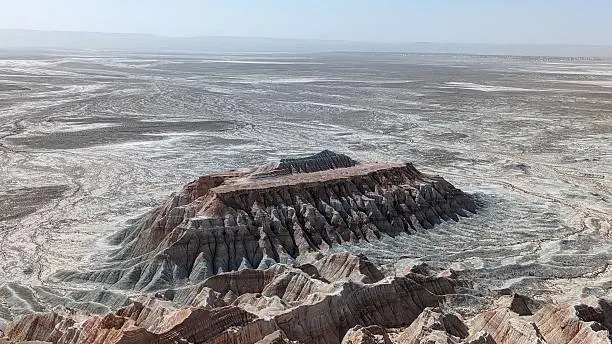
Yangykala Canyon
Continue your off-road journey across the desert plateau to Yangykala Canyon.
The drive from Turkmenbashi covers approximately 160 km and takes around 3 hours.
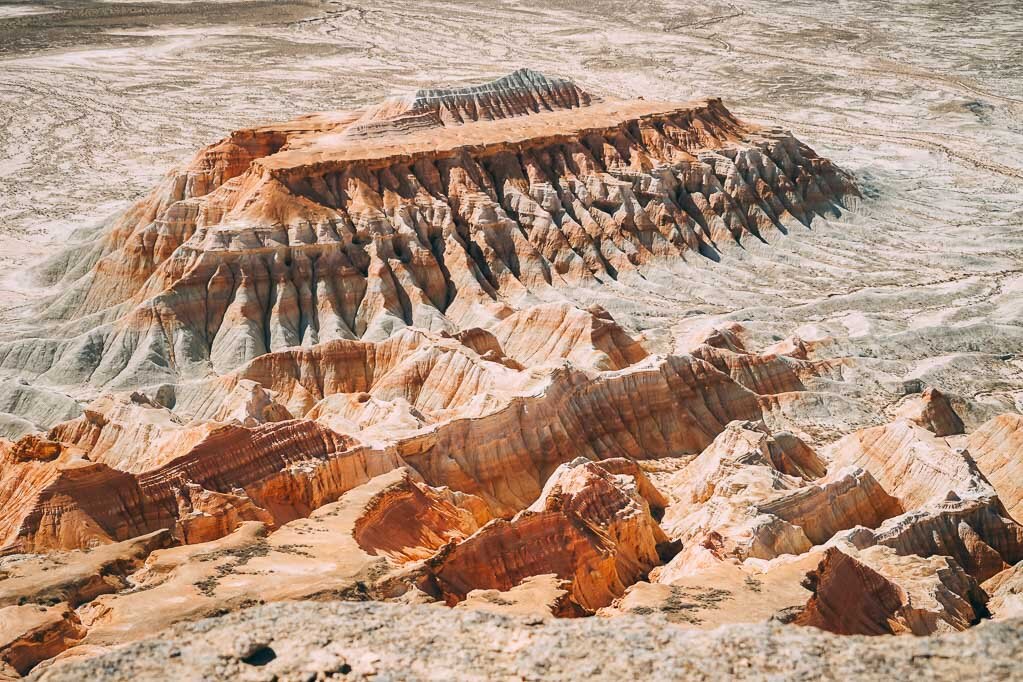
Explore the vast red and pink limestone formations, remnants of the ancient seabed of the Tethys Ocean.
Please note that the approach to the canyon plateau includes rough off-road sections.
Dinner
Depending on the season and weather, enjoy a packed picnic dinner in the canyon landscape or a warm dinner after reaching your destination.
Drive to the Balkan Region
Continue south from the canyon towards your hotel in the Balkan Region.
The journey takes approximately 2–2.5 hours to the nearest suitable hub.
Overnight in the Balkan Region
Stay at a hotel in Balkanabat or another nearby transit hub, depending on availability.
Overnight: Hotel in the Balkan Region.
Day 3 – Nokhur, Kow Ata and Return to Ashgabat
Morning Departure
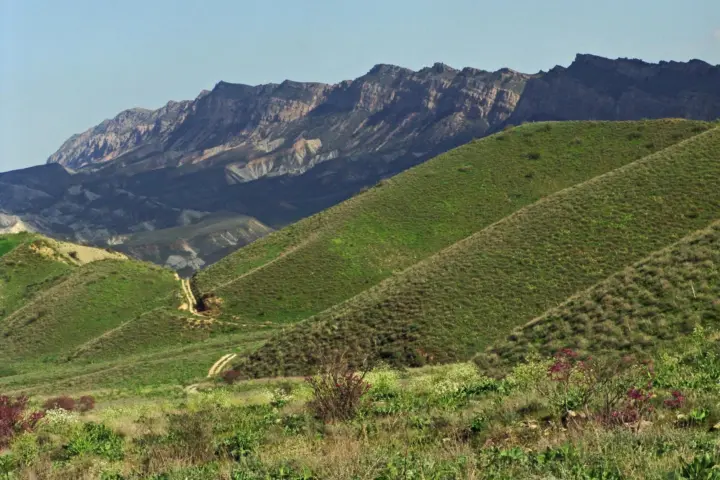
After breakfast, depart your hotel and travel east along the highway running parallel to the Kopet Dag Mountains.
Nokhur Mountain Village
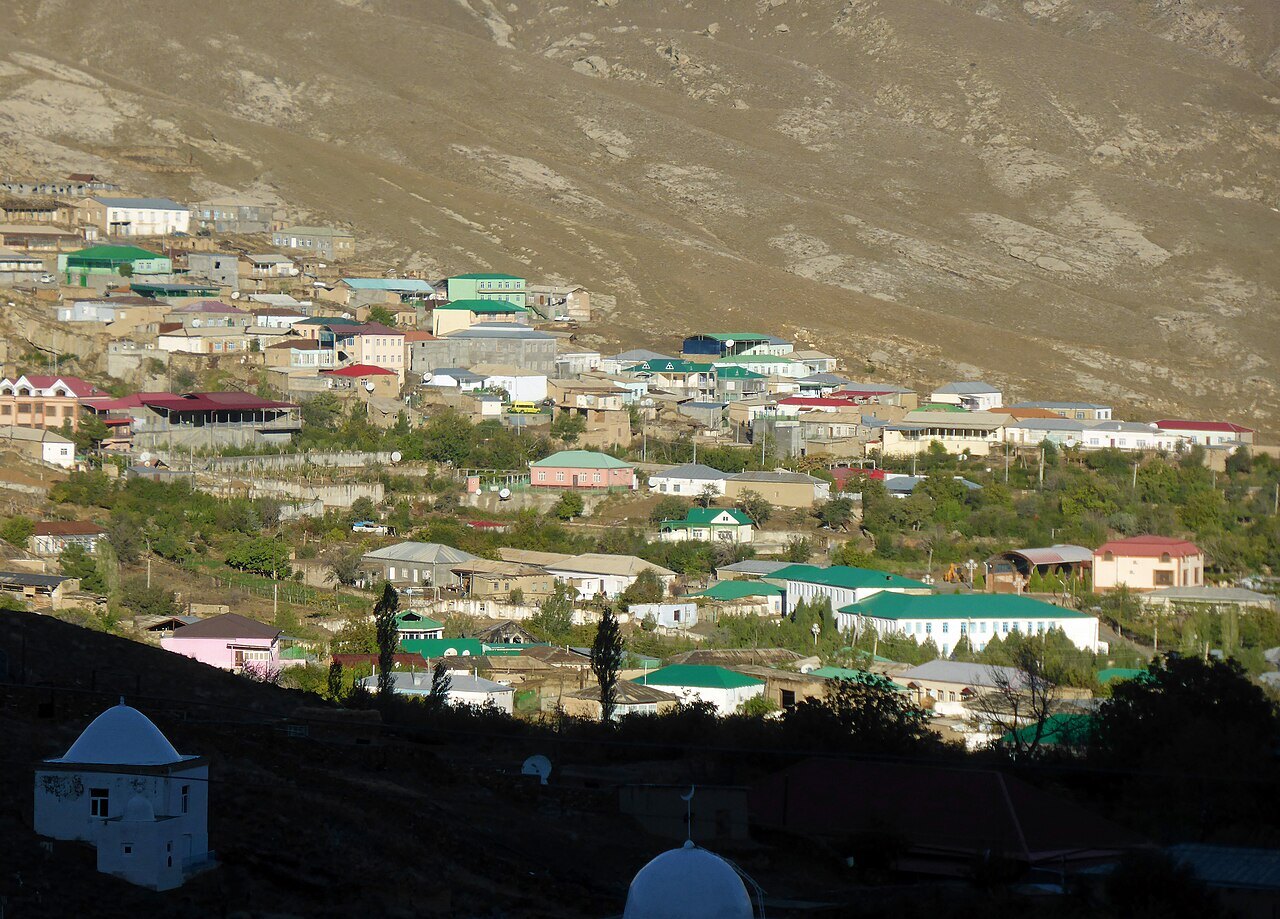
Take a mountain detour to visit Nokhur, a traditional village known for its distinctive local culture.
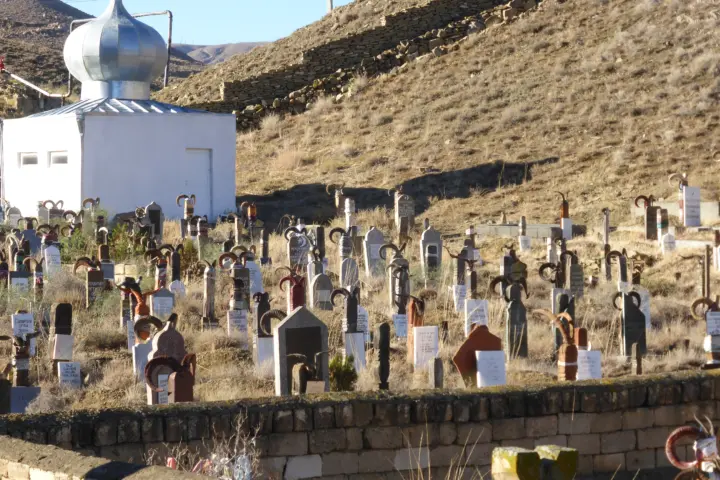
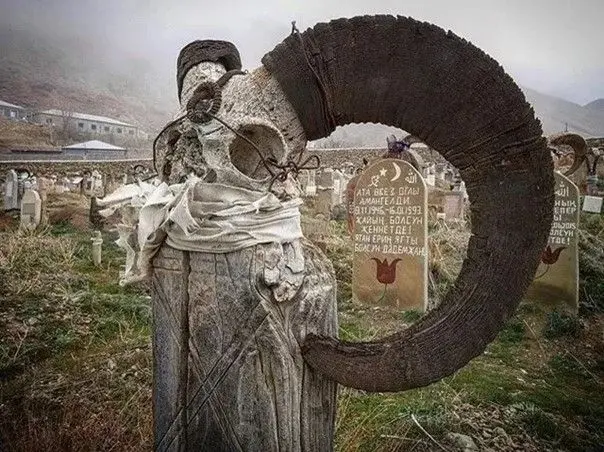
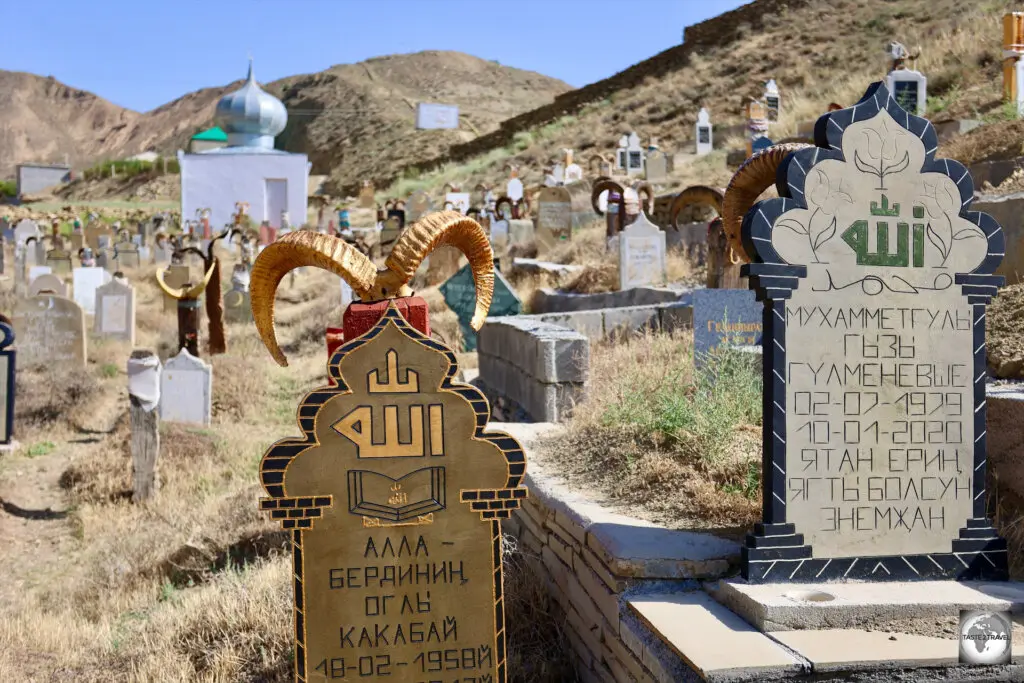
Visit the unusual local cemetery decorated with ibex horns, meet local residents and enjoy a traditional home-cooked lunch at a family home or local restaurant.
The mountain road includes steep serpentine sections. Access depends on favourable weather and road conditions.
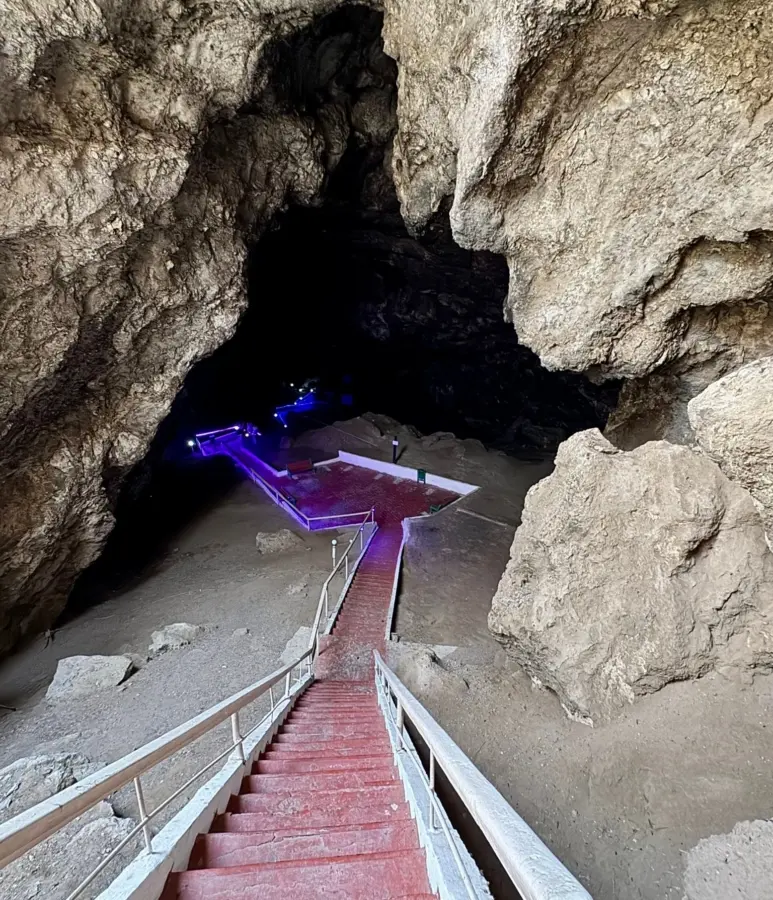
Kow Ata Underground Lake
Continue from Nokhur to the famous Kow Ata Underground Lake.
The journey covers approximately 100 km and takes around 1.5 hours.
Descend into the limestone cave and enjoy the opportunity to swim in naturally warm, mineral-rich sulphur waters that remain at approximately 35°C throughout the year.
Return to Ashgabat
Continue the final stretch back to Ashgabat.
The journey covers approximately 100 km and takes around 1.5 hours.
Dinner
Enjoy dinner at a recommended local restaurant in Ashgabat.
Overnight in Ashgabat
Stay overnight at a hotel in Ashgabat.
Overnight: Hotel in Ashgabat.
Day 4 – Ancient Merv and Return to Ashgabat
Breakfast and Hotel Check-Out
Enjoy breakfast at your hotel before completing check-out.
Drive to the Mary Region
Leave Ashgabat along the modern high-speed motorway towards the Mary region.
The journey covers approximately 360 km and takes around 4 hours.
Lunch in Mary or Bayramaly
Arrive in the Mary region around 11:30 AM–12:00 PM and enjoy a traditional Turkmen lunch at a local restaurant in Mary or Bayramaly.
Ancient Merv Guided Tour
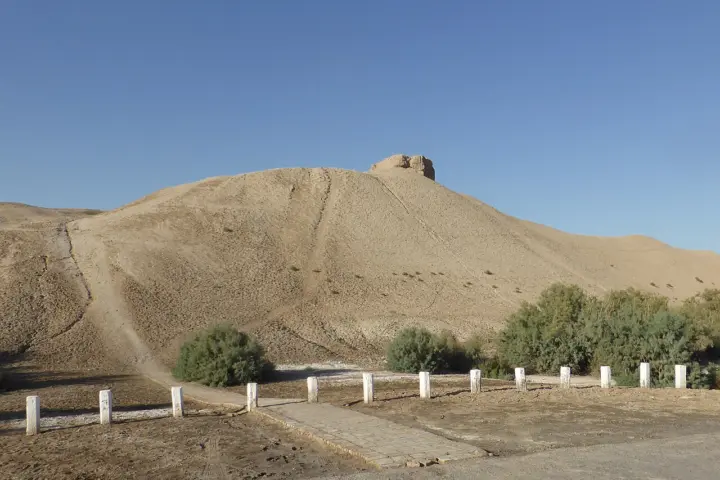
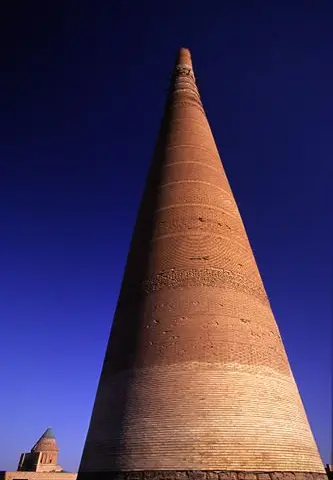
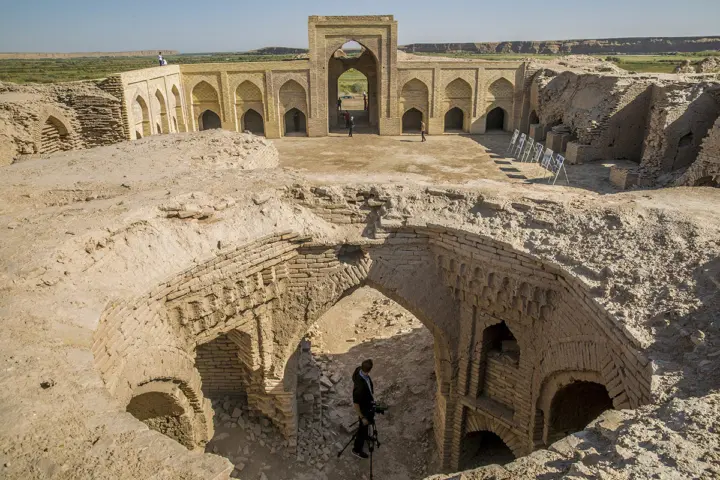
Continue to Ancient Merv, a UNESCO World Heritage Site and one of the major historical centres of the Silk Road.
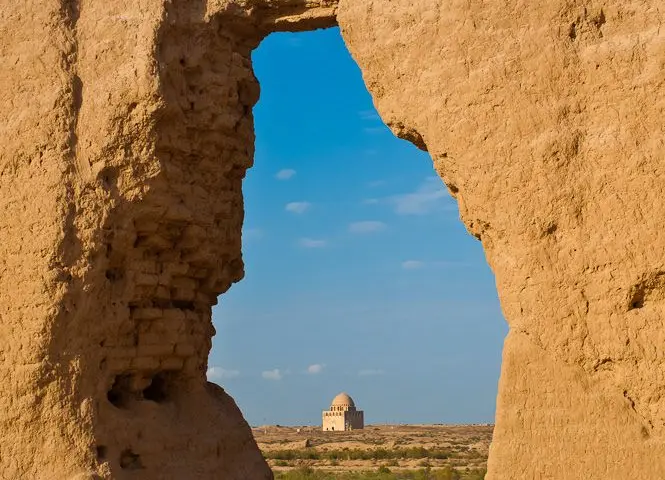
Mausoleum of Sultan Sanjar
Visit the 12th-century Seljuk mausoleum, known for its distinctive double-dome construction.
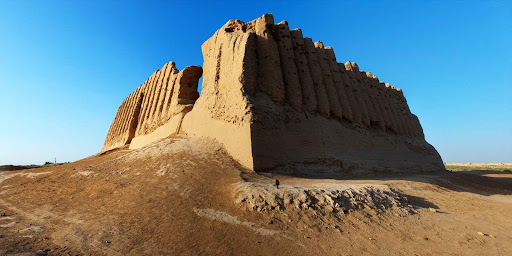
Greater and Lesser Kyz Kala
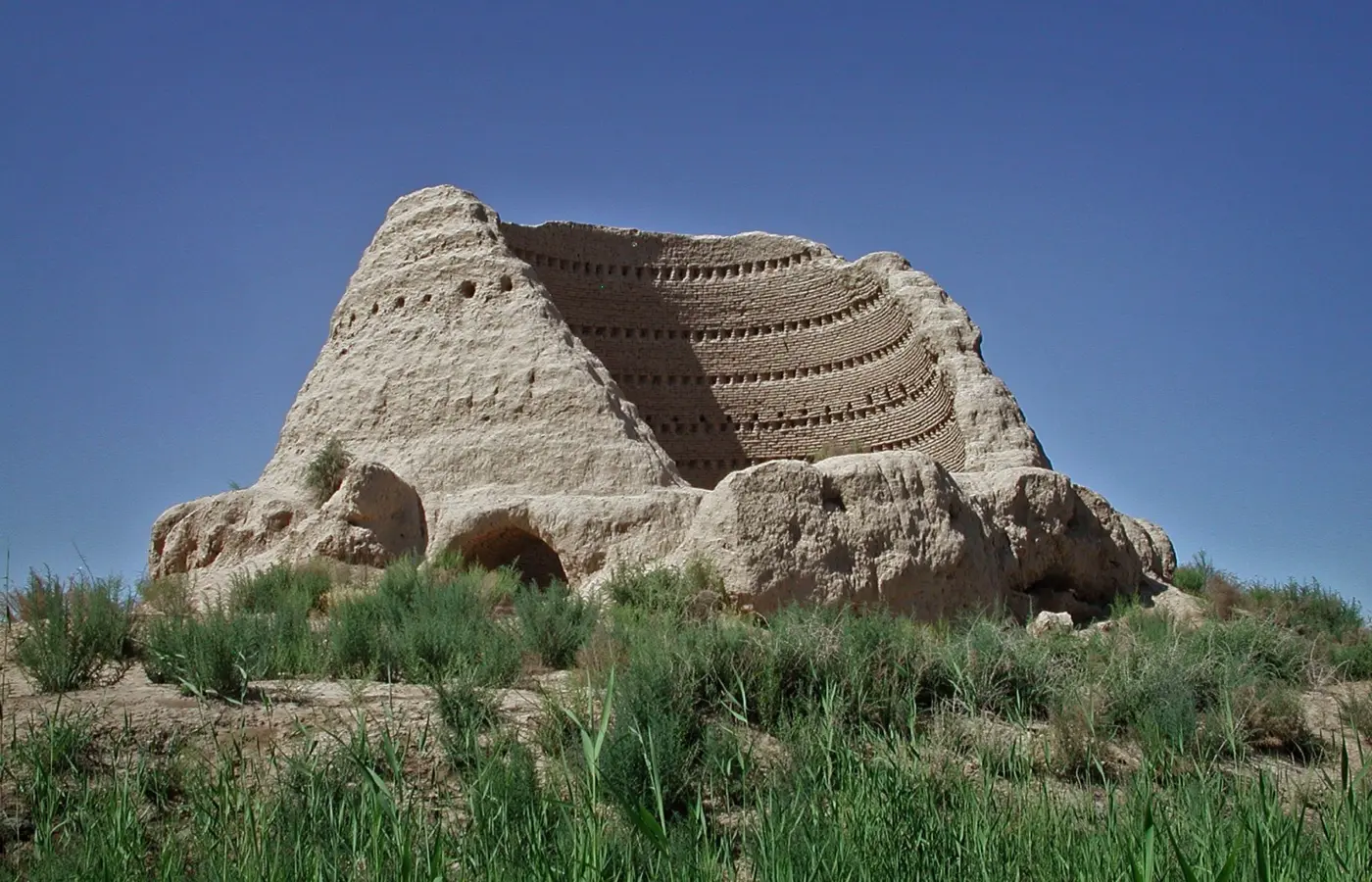
Explore the iconic mud-brick fortresses with their characteristic corrugated walls, dating from the 7th to 12th centuries.
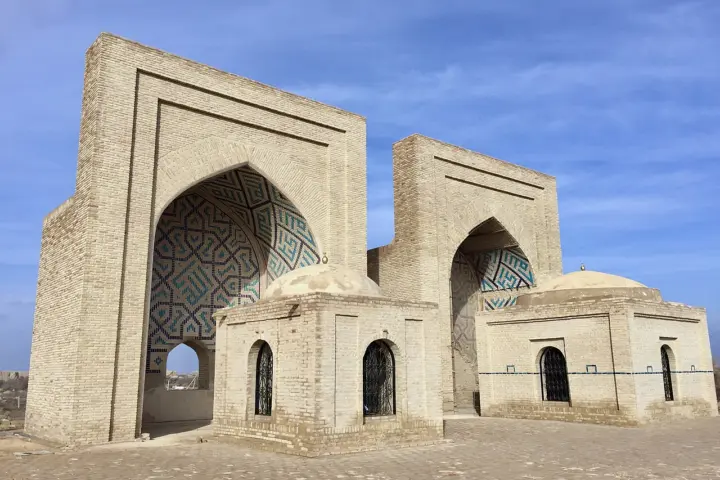
Askhabs Mausoleums and Ancient Sardoba
Visit the sacred burial sites and see the traditional desert water-storage system.
Erk Kala and Gyaur Kala
Explore the massive ancient citadels and enjoy panoramic views across the archaeological park.
Additional smaller historical sites within Ancient Merv can be explored upon request, depending on available time.
Return to Ashgabat
After the Merv visit, travel back to Ashgabat via the high-speed motorway.
The return journey covers approximately 360 km.
Farewell Dinner and Airport Transfer
Enjoy a farewell dinner at a local restaurant in Ashgabat.
Depending on your international flight schedule, transfer privately to Ashgabat International Airport (ASB) for departure.
End of Tour Services
Compare Routes and Plan Your Visit
If you have fewer days available, compare our 3-day Western Turkmenistan tour from Ashgabat.
If you can allow more time, explore our 5-day Turkmenistan round trip from Ashgabat.
For more on the canyon landscape, read our Yangykala Canyon travel guide.