About This 8-Day Khiva to Bukhara Tour via Turkmenistan
This 8-day Turkmenistan transit tour from Khiva to Bukhara via Koytendag and Dayahatun is an extensive overland journey combining desert landscapes, Silk Road heritage, mountain scenery and some of the country’s most unusual natural attractions.
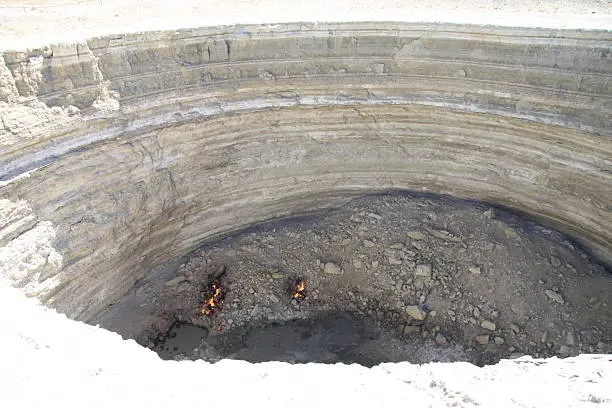
Enter Turkmenistan through the Shavat border near Khiva and cross the Karakum Desert to spend your first night beside the glowing Darvaza Gas Crater.
Continue south to Ashgabat for two days of flexible sightseeing before travelling east to UNESCO-listed Ancient Merv. From Mary, board an overnight train to Kerki and continue into the remote Koytendag Mountains.
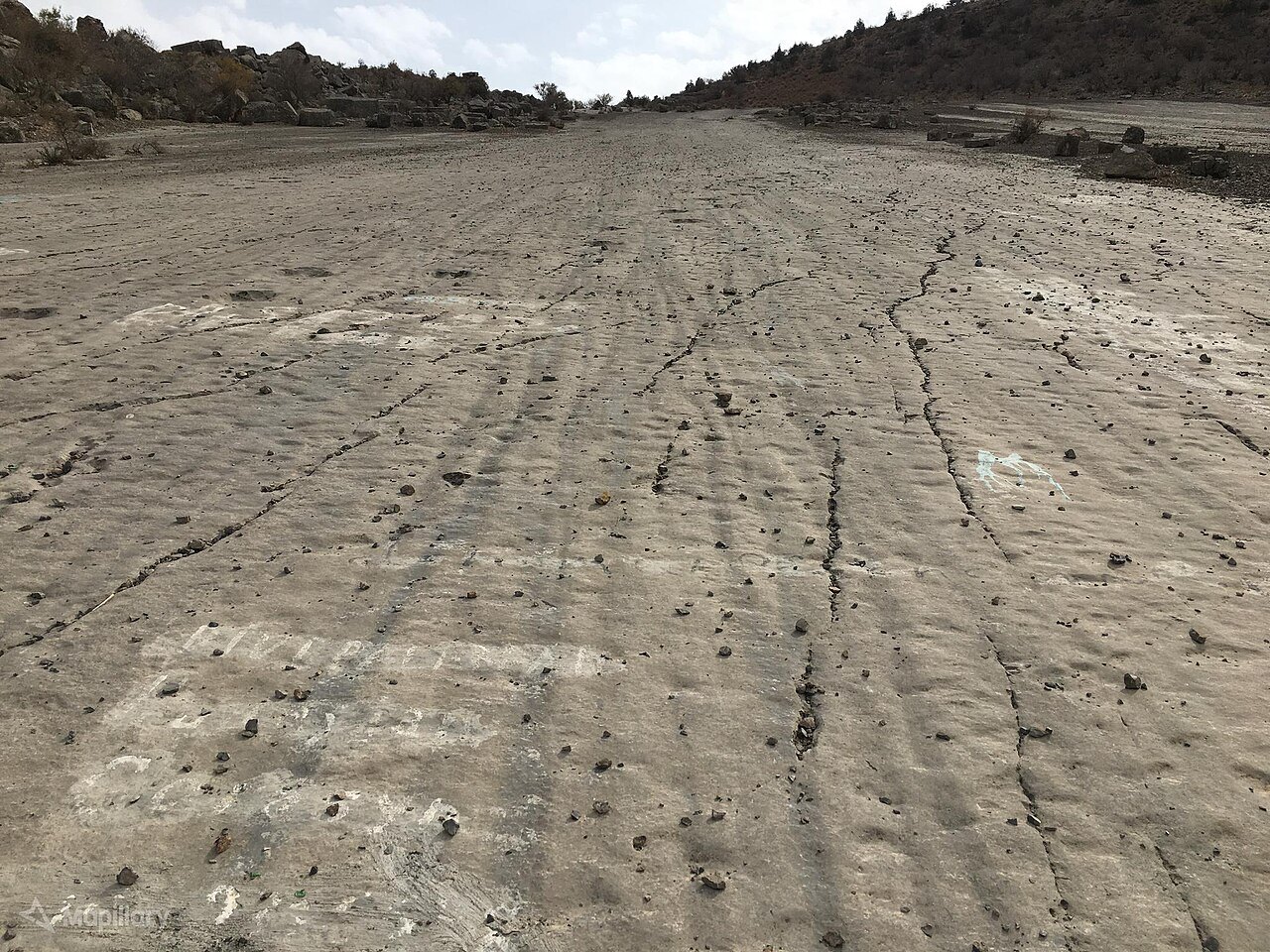
Explore natural sulphur springs, mountain gorges, sacred caves and the extraordinary Dinosaur Plateau, where fossilised dinosaur tracks are preserved in the limestone.
After two nights in the mountains, descend towards Kerki and visit important medieval monuments before continuing to Turkmenabat.
On the final day, travel north through the Amu Darya region to the remote Dayahatun Caravanserai, return to Turkmenabat for sightseeing, and finish the journey at the Farap border for onward travel to Bukhara.
Tour Route
Khiva → Shavat Border → Dashoguz → Darvaza Gas Crater → Water Crater → Mud Crater → Ashgabat → Ancient Merv → Mary → overnight train → Kerki → Gaynar Baba → Koytendag Mountains → Dinosaur Plateau (Hojapil) → Umbar Dere Gorge → Pälwan Daş → Kyrk Gyz Cave → Kerki → Astana Baba → Alamberdar Mausoleum → Idris Baba Madrasah → Turkmenabat → Dayahatun Caravanserai → Lebap Regional Museum → Amul Fortress → Amu Darya → Farap Border → Bukhara
Tour Highlights
- Enter Turkmenistan through the Shavat border from Khiva
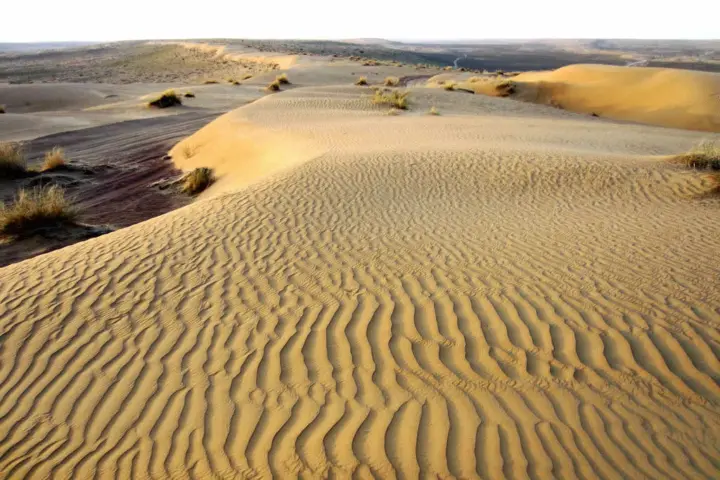
- Cross the Central Karakum Desert
- Spend the night beside Darvaza Gas Crater
- Enjoy a traditional BBQ dinner in the desert
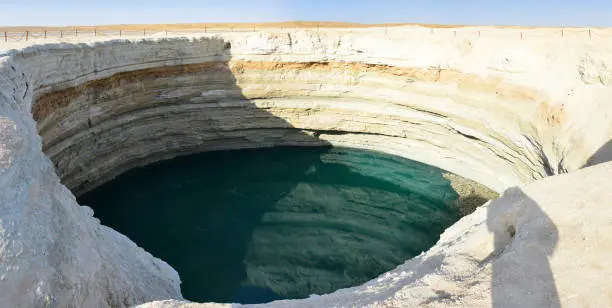
- Visit the Water and Mud craters
- Explore Ashgabat over two days
- Discover UNESCO-listed Ancient Merv
- Travel overnight by train from Mary to Kerki
- Journey into the remote Koytendag Mountains
- Visit Gaynar Baba sulphur spring
- Optional local traditional therapeutic experience
- Stay in a mountain guesthouse or tourist base
- Explore the Dinosaur Plateau at Hojapil
- Walk through Umbar Dere Gorge
- Visit the legendary Pälwan Daş
- Explore sacred Kyrk Gyz Cave
- Visit Astana Baba pilgrimage complex
- See the Alamberdar Mausoleum
- Visit Idris Baba Madrasah
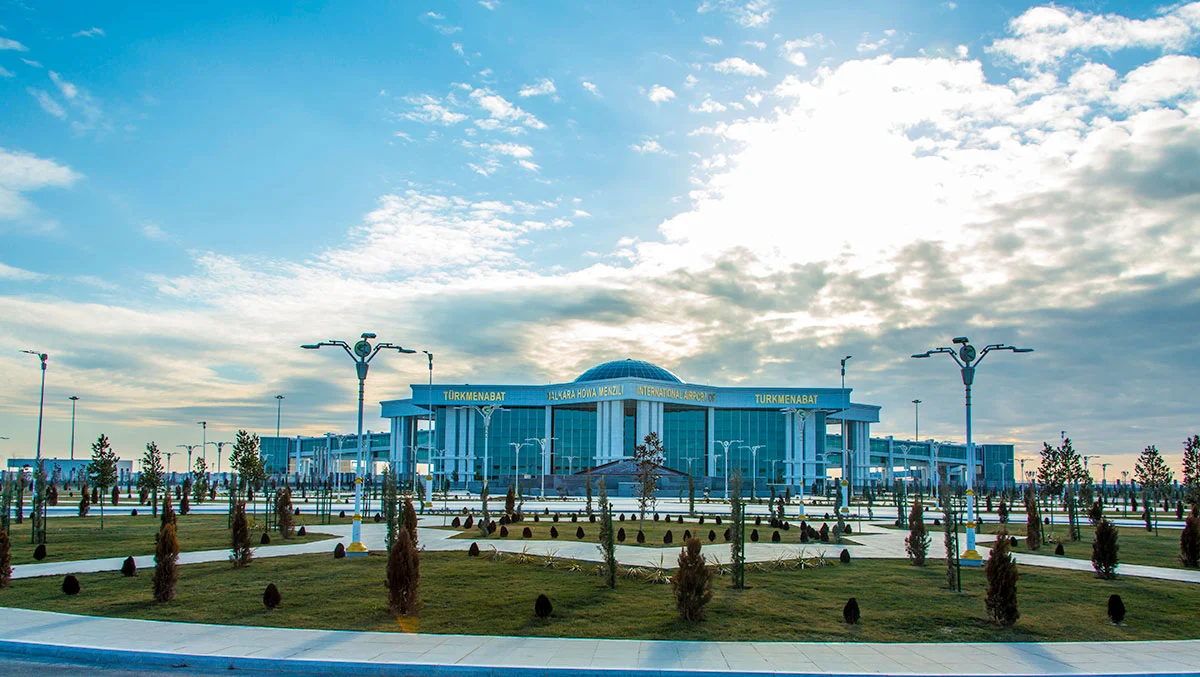
- Explore Turkmenabat
- Discover the 11th-century Dayahatun Caravanserai
- Visit the Lebap Regional Museum
- Explore ancient Amul Fortress
- Stop beside the Amu Darya River
- Finish the journey at the Farap border for Bukhara
Day 1 – Shavat Border, Dashoguz and Darvaza Gas Crater
Meet at the Shavat Border
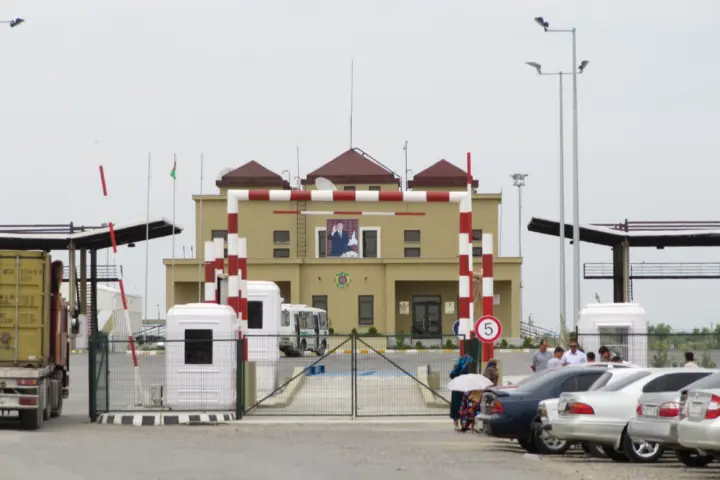
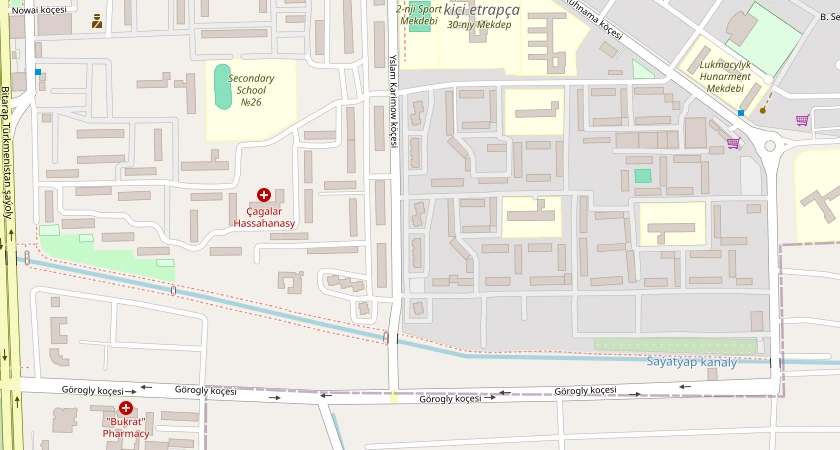
At approximately 10:00 AM, meet our team inside the main hall of the Shavat Border Terminal on the Turkmen side.
During passport and migration procedures, border officers will contact our local team. Your guide will enter the terminal and recognise you using the photograph provided in advance.
Dashoguz Stop
Continue to Dashoguz for a traditional local lunch.
Visit the local bazaar to experience everyday life and purchase snacks or supplies before travelling into the desert.
Drive to Darvaza
Leave Dashoguz and begin the journey through the Central Karakum Desert towards Darvaza.
The drive covers approximately 300 km and takes around 4–4.5 hours.
Some sections of the road are rough and uneven, so parts of the journey may be bumpy.
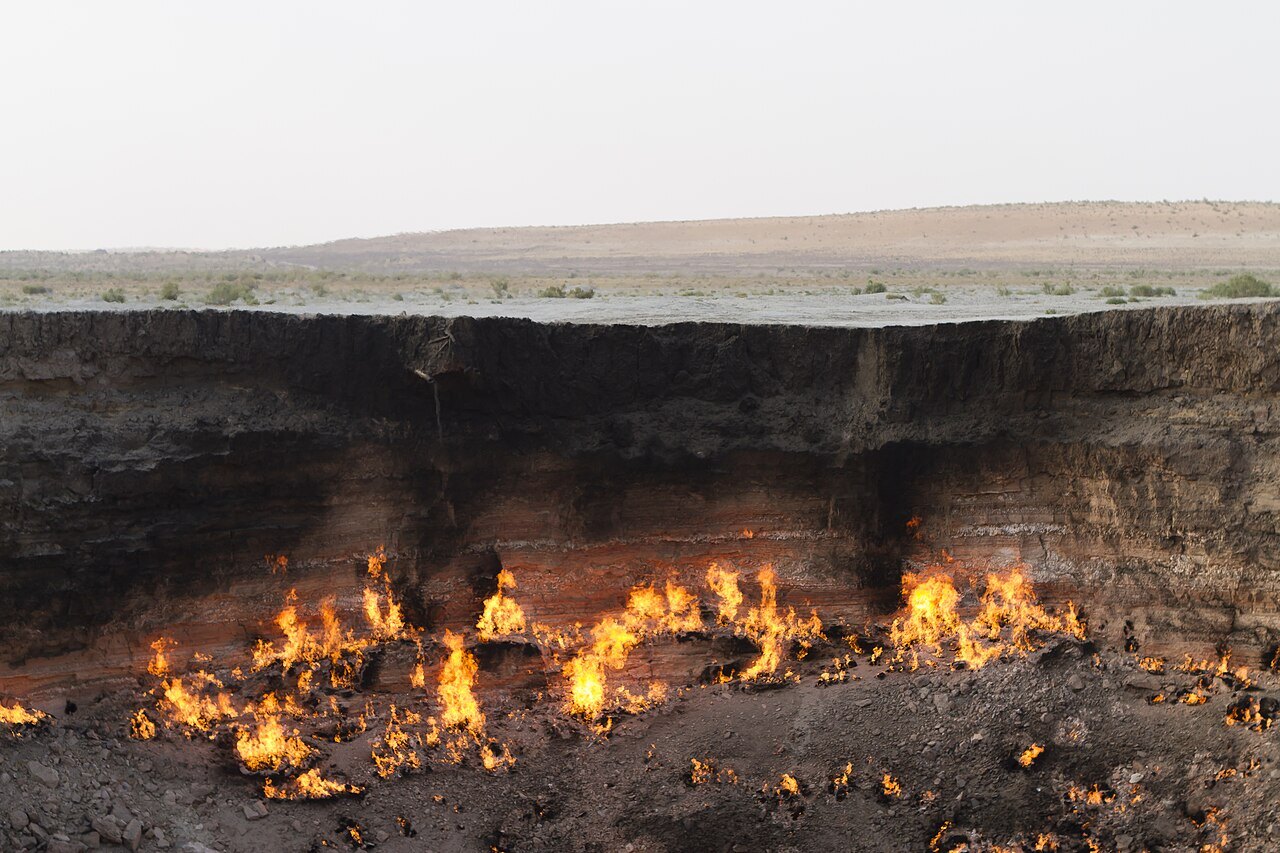
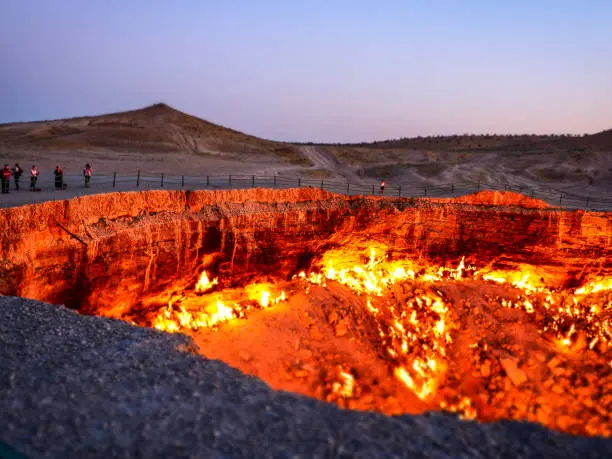
Darvaza Gas Crater
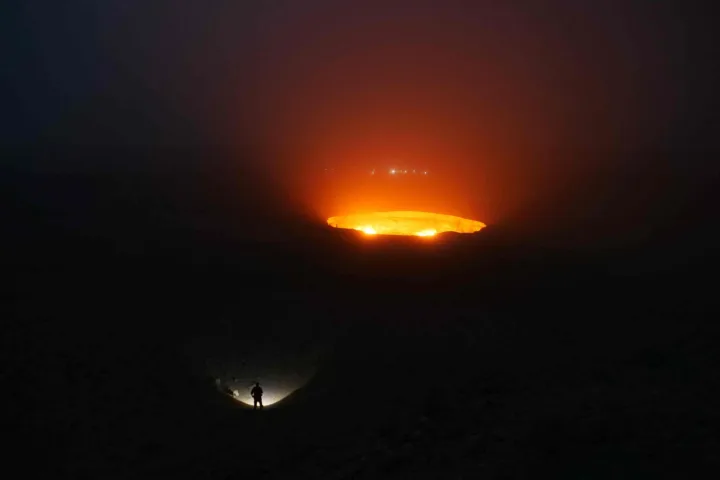
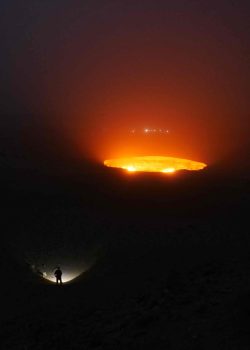
Arrive at the spectacular Darvaza Gas Crater towards sunset.
Watch the fiery glow become increasingly visible as daylight fades across the desert.
BBQ Dinner
Enjoy a traditional open-air BBQ dinner prepared by our team at the camp.
After dark, spend time beside the crater and enjoy photography under the desert stars.
Overnight at Darvaza
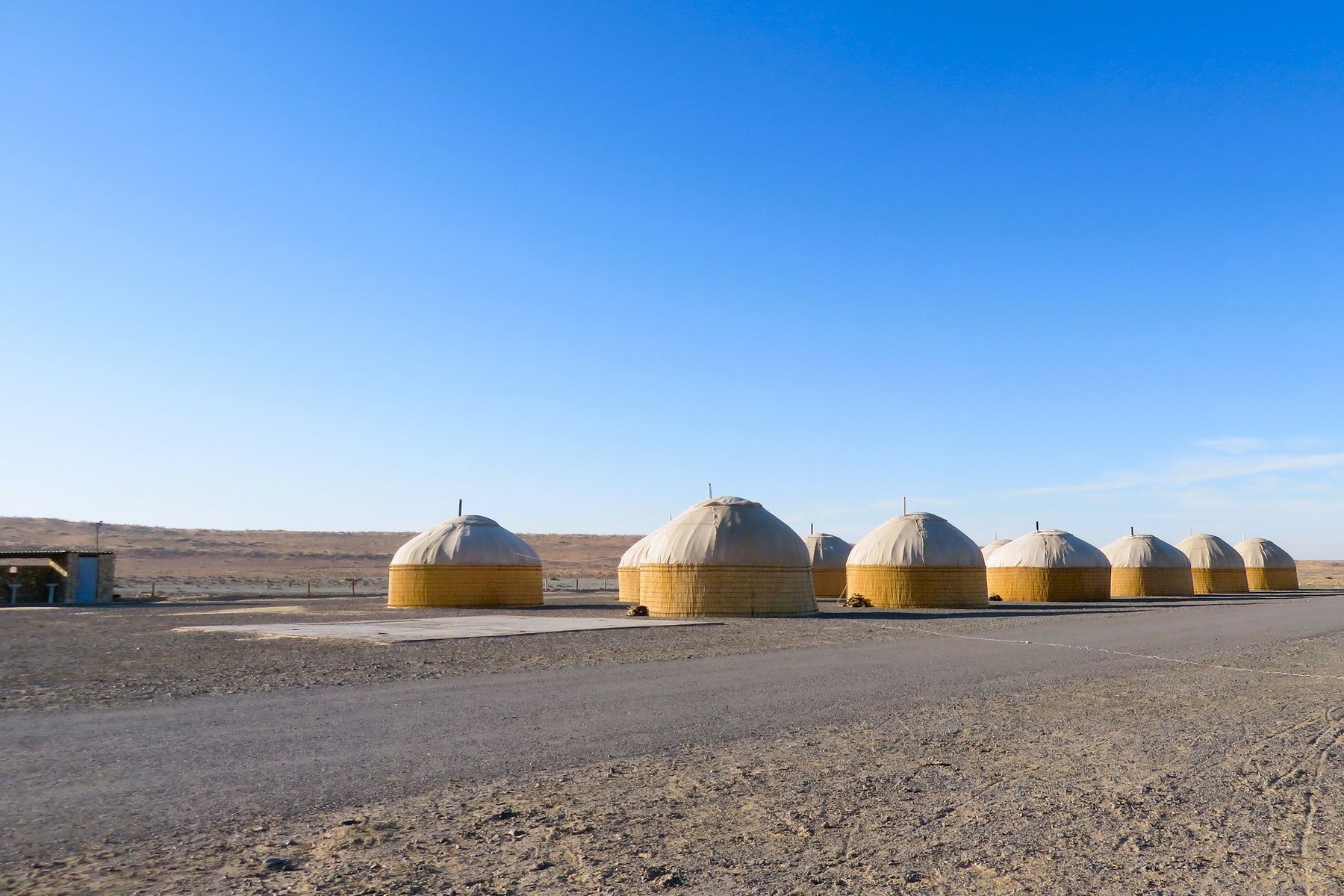
Stay overnight in a traditional Turkmen yurt near the crater.
Overnight: Darvaza yurt camp.
Day 2 – Darvaza, Desert Craters and Ashgabat
Optional Sunrise Visit
Wake before dawn for an optional visit to the crater and experience the changing morning light over the Karakum Desert.
Breakfast and Departure
Enjoy breakfast at the camp before travelling south towards Ashgabat.
The journey covers approximately 270 km and takes around 3.5 hours.
Some sections of the road remain rough and uneven.
Water Crater and Mud Crater
On the way, make short stops at the Water Crater and Mud Crater.
Lunch in Ashgabat
Enjoy lunch after arriving in the capital.
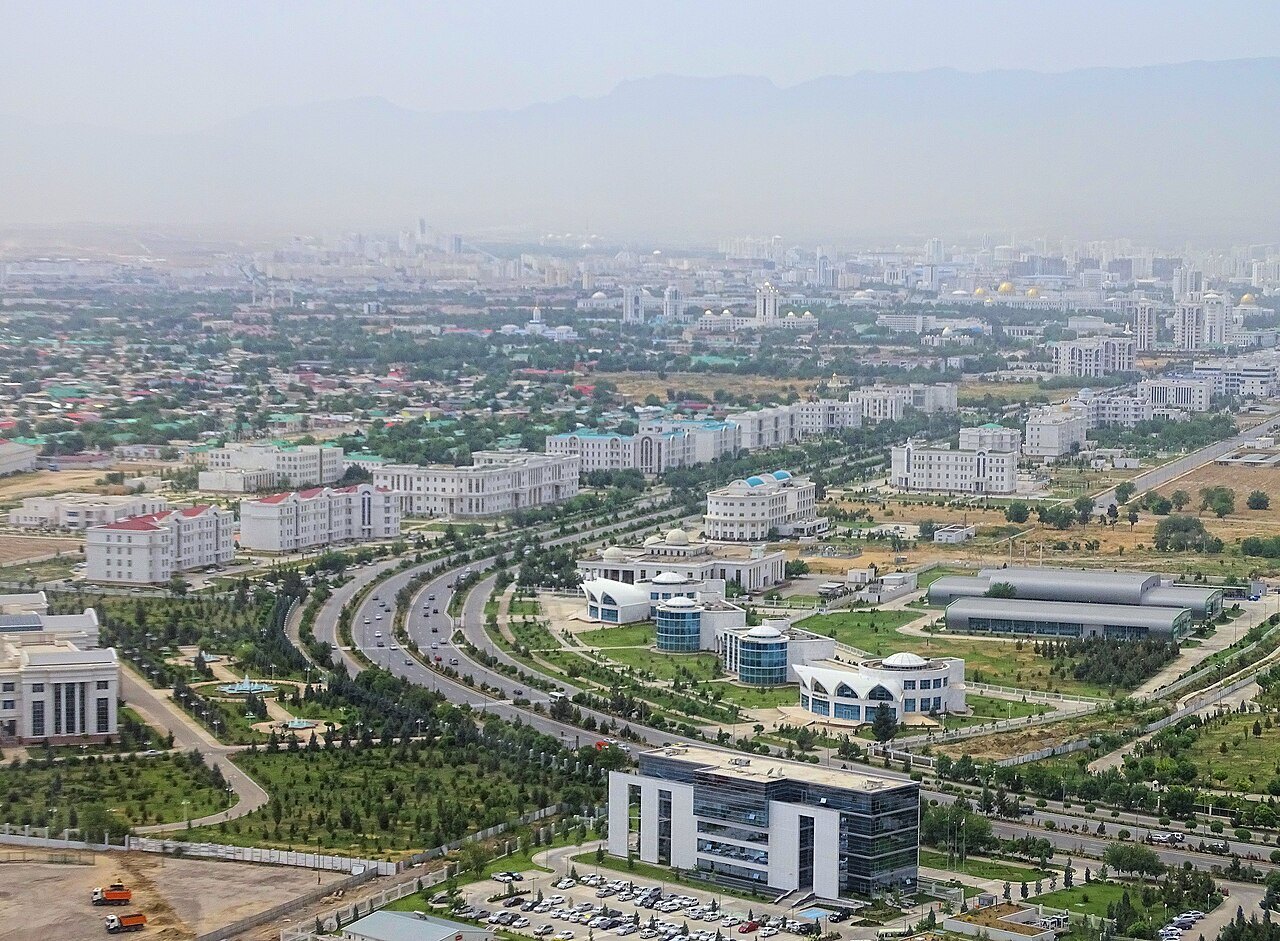
Ashgabat City Tour
Spend the afternoon exploring Ashgabat with your guide.
Discover the city’s distinctive white-marble architecture, monuments and cultural sites at a comfortable pace.
Overnight in Ashgabat
Stay overnight at a hotel.
Overnight: Hotel in Ashgabat.
Day 3 – Full-Day Ashgabat City Tour
Flexible Ashgabat Exploration
After breakfast, continue your private exploration of the capital.
The programme is flexible and designed to cover landmarks, cultural attractions and architectural highlights that were not visited the previous day.
Your guide can adapt the route according to your interests and preferred pace.
Lunch and Dinner
Enjoy a relaxed lunch during the tour and dinner at a local restaurant in the evening.
This is also an opportunity to sample Turkmen and regional cuisine.
Overnight in Ashgabat
Stay overnight at your hotel.
Overnight: Hotel in Ashgabat.
Day 4 – Ancient Merv and Overnight Train to Kerki
Morning Departure
Leave Ashgabat at approximately 07:30 AM and travel east along the modern Ashgabat–Mary motorway.
The journey covers approximately 360 km and takes around 3.5–4 hours.
Lunch in the Mary Region
Enjoy a traditional lunch in Mary or Bayramaly.
Ancient Merv Guided Tour
Explore Ancient Merv, a UNESCO World Heritage Site and one of the great historic centres of the Silk Road.
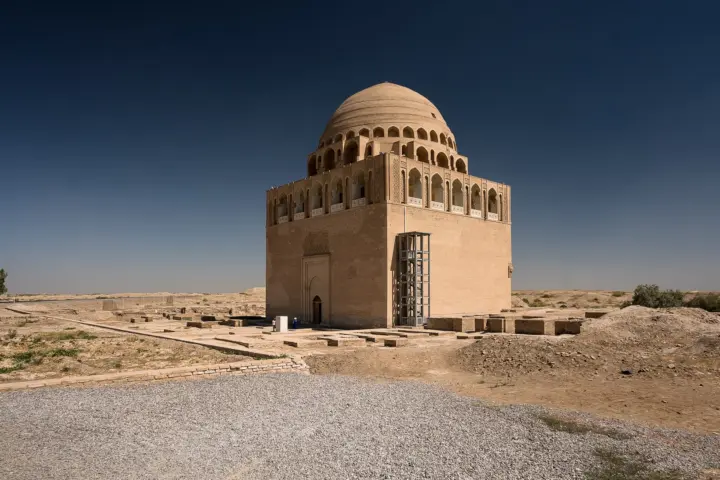
Mausoleum of Sultan Sanjar
Visit the monumental 12th-century Seljuk mausoleum with its famous double-dome construction.
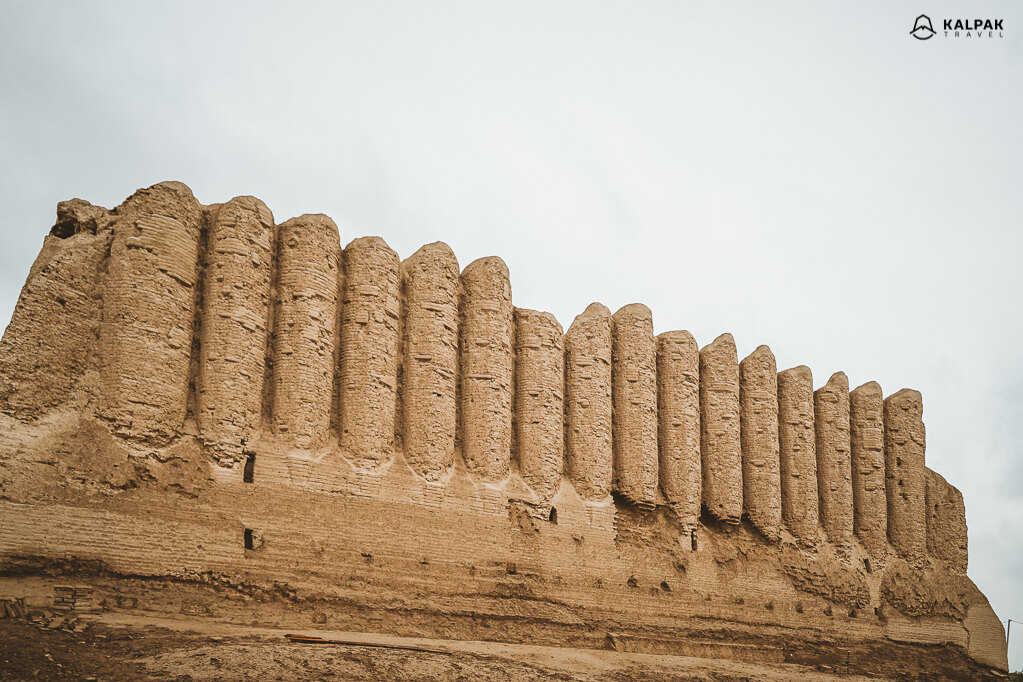
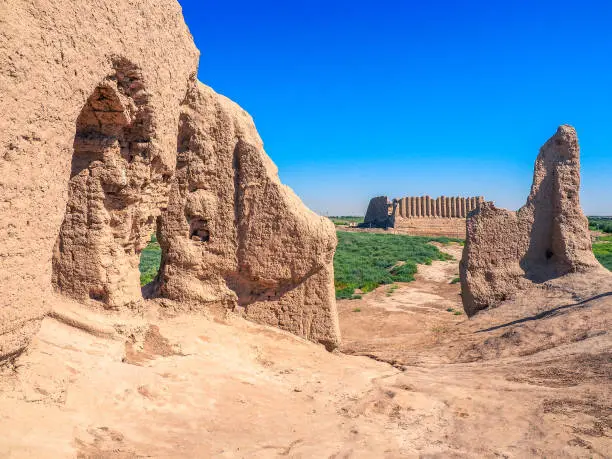
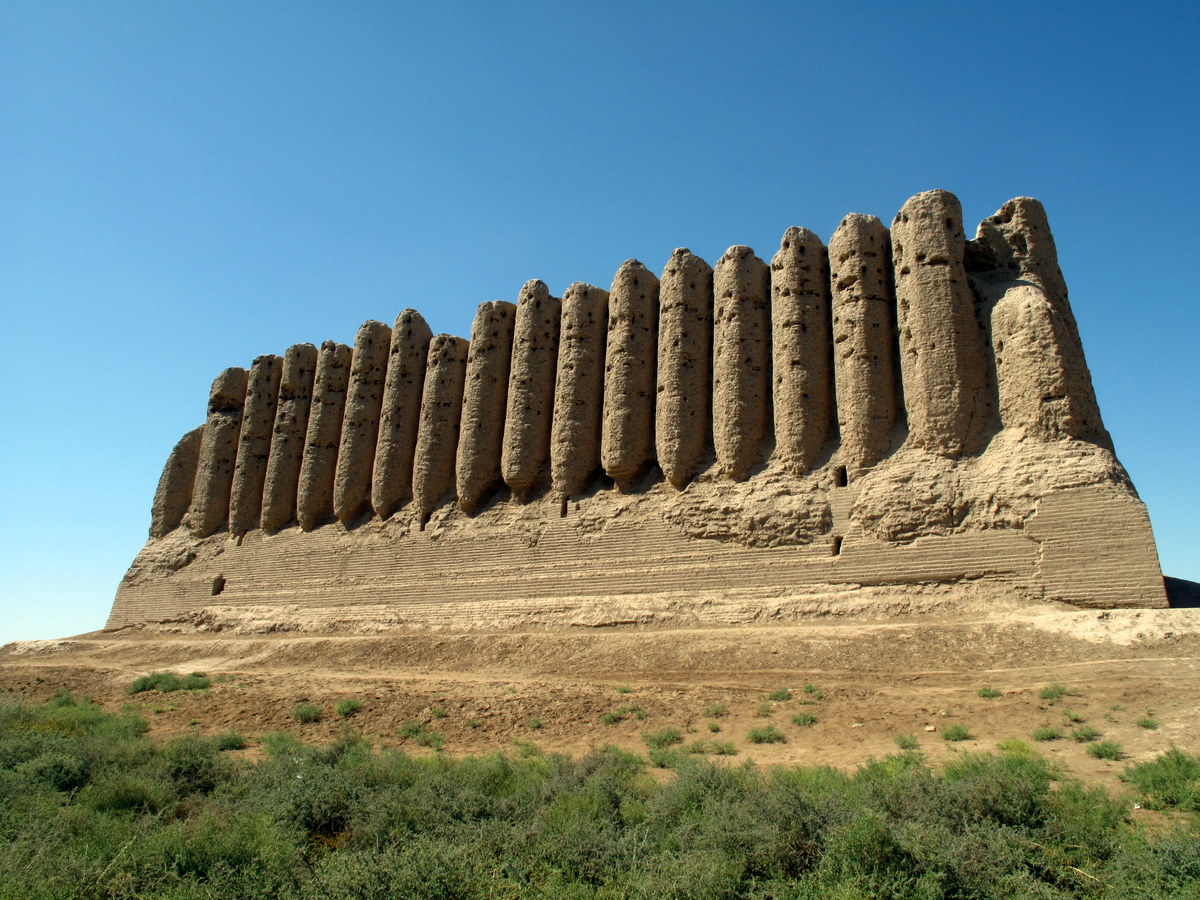
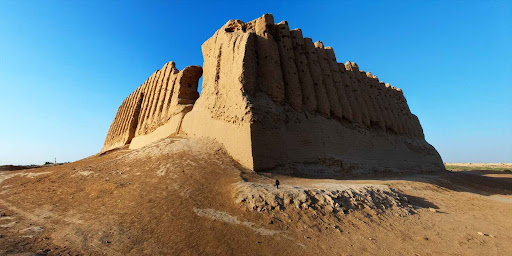
Greater and Lesser Kyz Kala
Explore the distinctive mud-brick fortresses with their characteristic corrugated walls.
Askhabs Mausoleums and Ancient Sardoba
Visit sacred burial sites associated with the companions of the Prophet Muhammad.
Also see the nearby medieval baths and the historic desert water-storage system known as a Sardoba.
Erk Kala and Gyaur Kala
Explore the ancient citadels and enjoy panoramic views across the archaeological landscape.
Additional smaller ruins can be visited depending on available time and interest.
Evening in Mary
Return to Mary in the late afternoon.
The evening can be adapted to your preferences. You may explore central landmarks with your guide or simply relax over dinner at a local restaurant.
Transfer to Mary Railway Station
Transfer to the railway station and board the 21:25 overnight train to Kerki.
Travel in a comfortable four-berth compartment.
Overnight: Overnight train to Kerki.
Day 5 – Kerki, Gaynar Baba and Koytendag
Arrival in Kerki
Arrive at Kerki Railway Station at approximately 07:00 AM.
Meet your private driver and continue to a local café for a warm traditional breakfast.
Drive to the Koytendag Mountains
Begin the scenic overland journey east towards the Koytendag Mountains.
The drive covers approximately 185 km.
Watch the landscape change gradually from open plains to rugged mountain foothills.
Gaynar Baba Sulphur Spring
Stop at Gaynar Baba, a naturally warm sulphur spring regarded locally as an important natural and traditional site.
Walk around the spring and enjoy a short break before continuing into the mountains.
Optional Traditional Local Experience
If time and local availability permit, an optional traditional rural therapeutic experience known locally as a “goat massage” may be arranged.
Arrival in Koyten
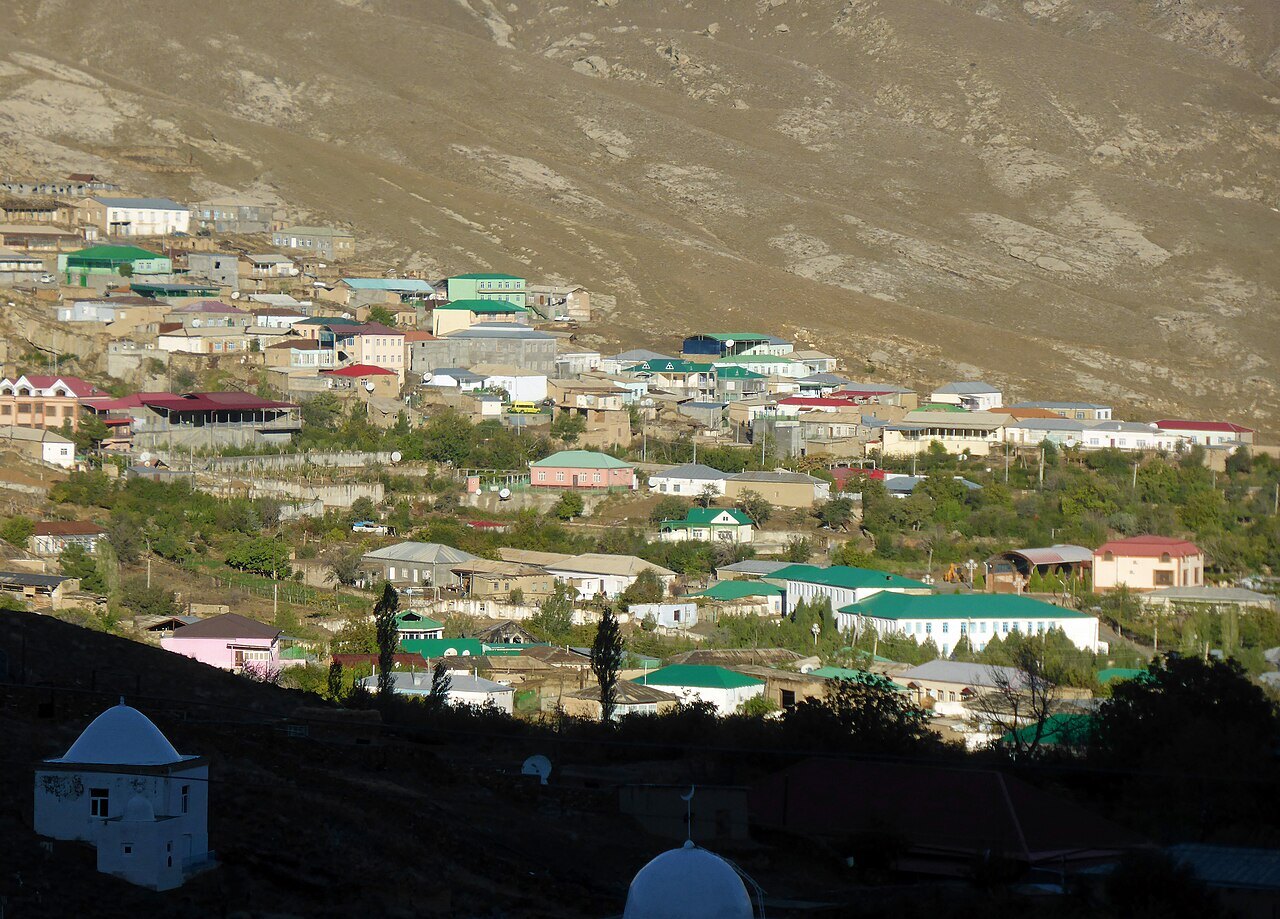
Reach the mountain village of Koyten in the afternoon.
Check into a traditional guesthouse or tourist base.
Evening and Dinner
Spend the remainder of the day at leisure and enjoy the fresh mountain atmosphere.
In the evening, have a home-cooked traditional dinner prepared by your hosts.
Overnight: Guesthouse or tourist base in Koytendag.
Day 6 – Dinosaur Plateau, Umbar Dere and Kyrk Gyz Cave
Dinosaur Plateau at Hojapil
At approximately 08:30 AM, travel higher into the mountains to visit the famous Dinosaur Plateau at Hojapil.
Walk across the limestone slope where numerous fossilised dinosaur footprints from the Jurassic period are preserved.
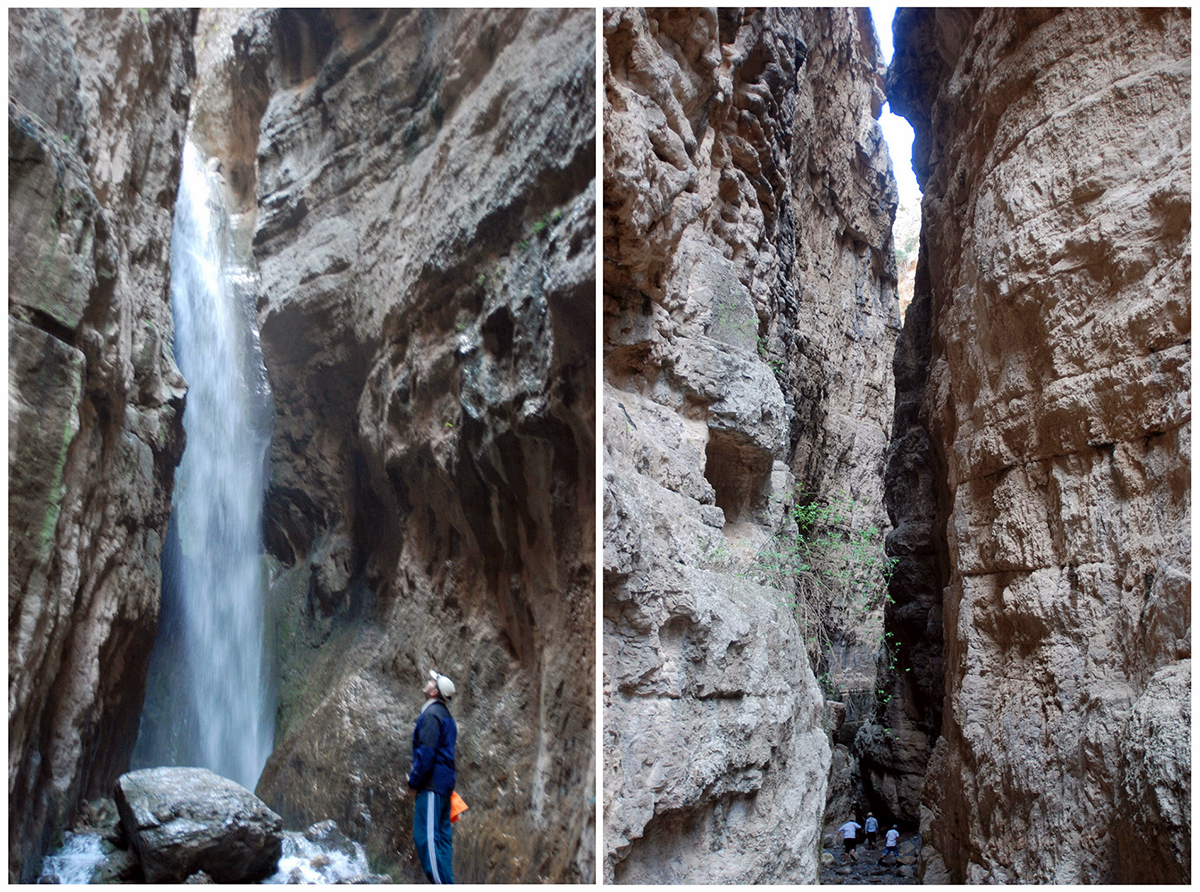
Umbar Dere Gorge
Continue to Umbar Dere Gorge.
Walk through the narrow stone canyon and discover a hidden mountain waterfall.
Mountain Picnic
Enjoy a fresh picnic lunch surrounded by the dramatic mountain landscape.
Pälwan Daş
Stop at the legendary roadside boulder known as Pälwan Daş, or the Hero’s Stone.
According to local tradition, visitors can test their strength and make a wish here.
Kyrk Gyz Cave
Explore the sacred Kyrk Gyz Cave, also known as the Cave of the Forty Girls.
The cave is a local pilgrimage site and is known for the many wish-cloths hanging from its ceiling.
Return to Guesthouse
Return to your accommodation in the late afternoon.
Enjoy another home-cooked dinner and a relaxed evening.
Overnight: Guesthouse or tourist base in Koytendag.
Day 7 – Kerki Heritage and Turkmenabat
Scenic Mountain Descent
After breakfast, leave the Koytendag Mountains and travel back towards Kerki.
Kerki Historical Heritage
Explore several important historic monuments in the region.
Astana Baba Complex
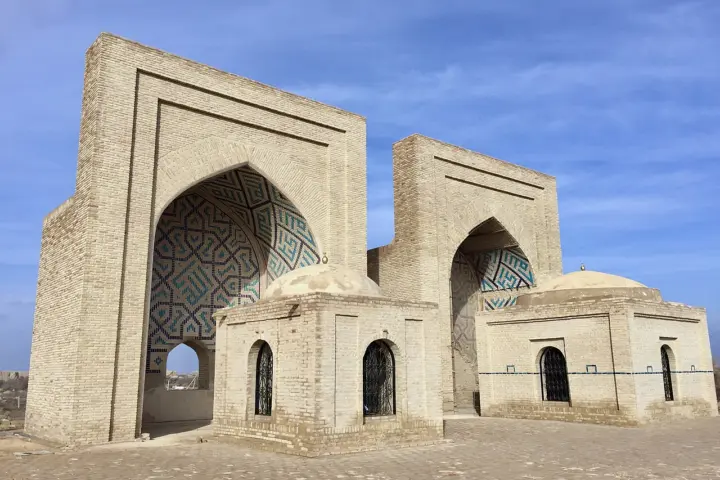
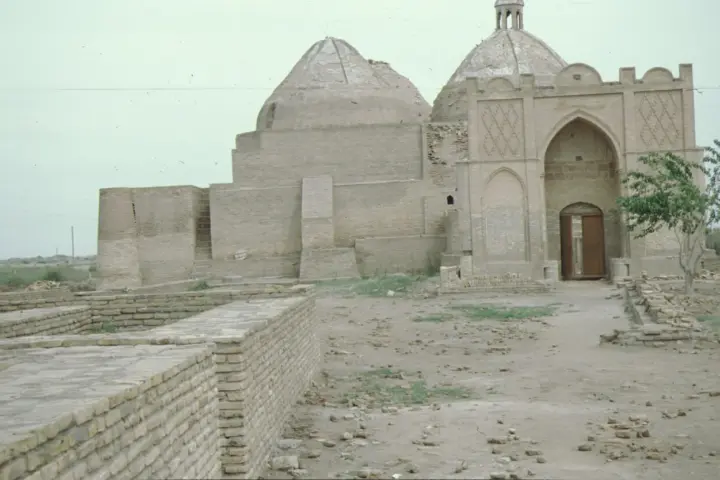
Visit the Astana Baba Complex, an 11th–12th-century pilgrimage site with several interconnected domed structures and tombs.
Alamberdar Mausoleum
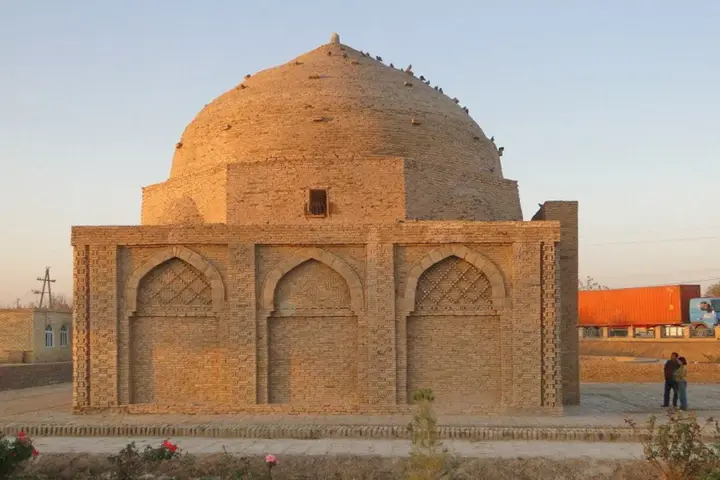
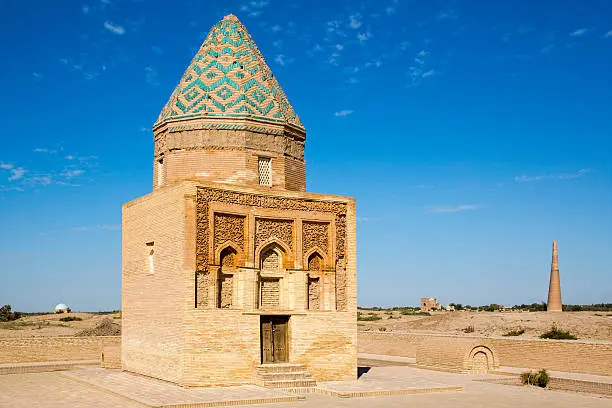
See the Alamberdar Mausoleum, an important Seljuk-period monument known for its decorative brickwork.
Idris Baba Madrasah
Visit the historic Idris Baba Madrasah, associated in local tradition with the education of the Turkmen poet and philosopher Magtymguly Pyragy.
Lunch in Kerki
Enjoy lunch at a local restaurant before continuing the journey.
Drive to Turkmenabat
Travel north towards Turkmenabat.
The drive covers approximately 230 km from Kerki.
Evening in Turkmenabat
Check into your hotel and enjoy dinner.
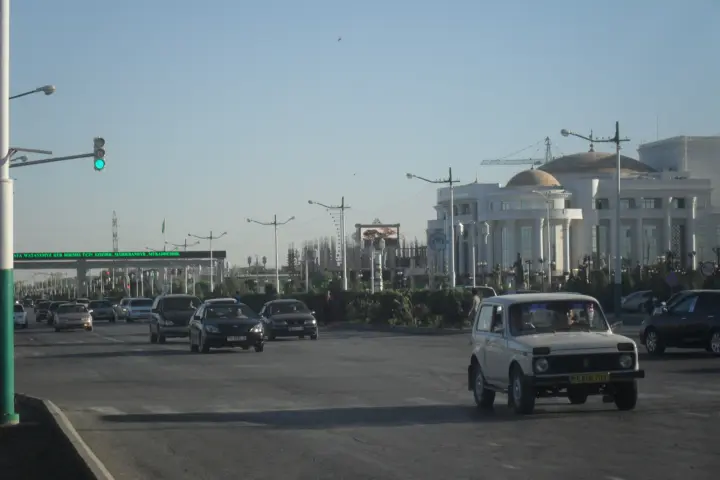
An optional evening drive through the illuminated modern avenues of Turkmenabat can be arranged.
Overnight: Hotel in Turkmenabat.
Day 8 – Dayahatun, Turkmenabat and Farap Border
Morning Departure
Depart at approximately 07:00 AM and travel north along the Amu Darya valley towards the remote Dayahatun Caravanserai.
The journey covers approximately 170 km and takes around 3.5 hours.
Enjoy breakfast en route.
Please note that the final sections of the road are rough and unpaved.
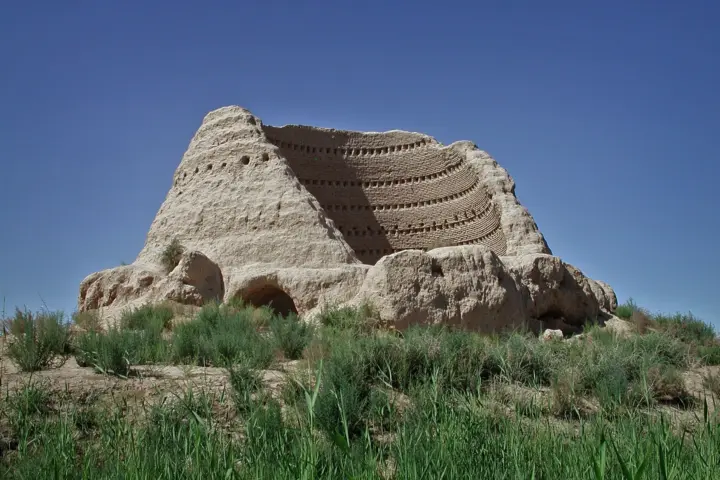
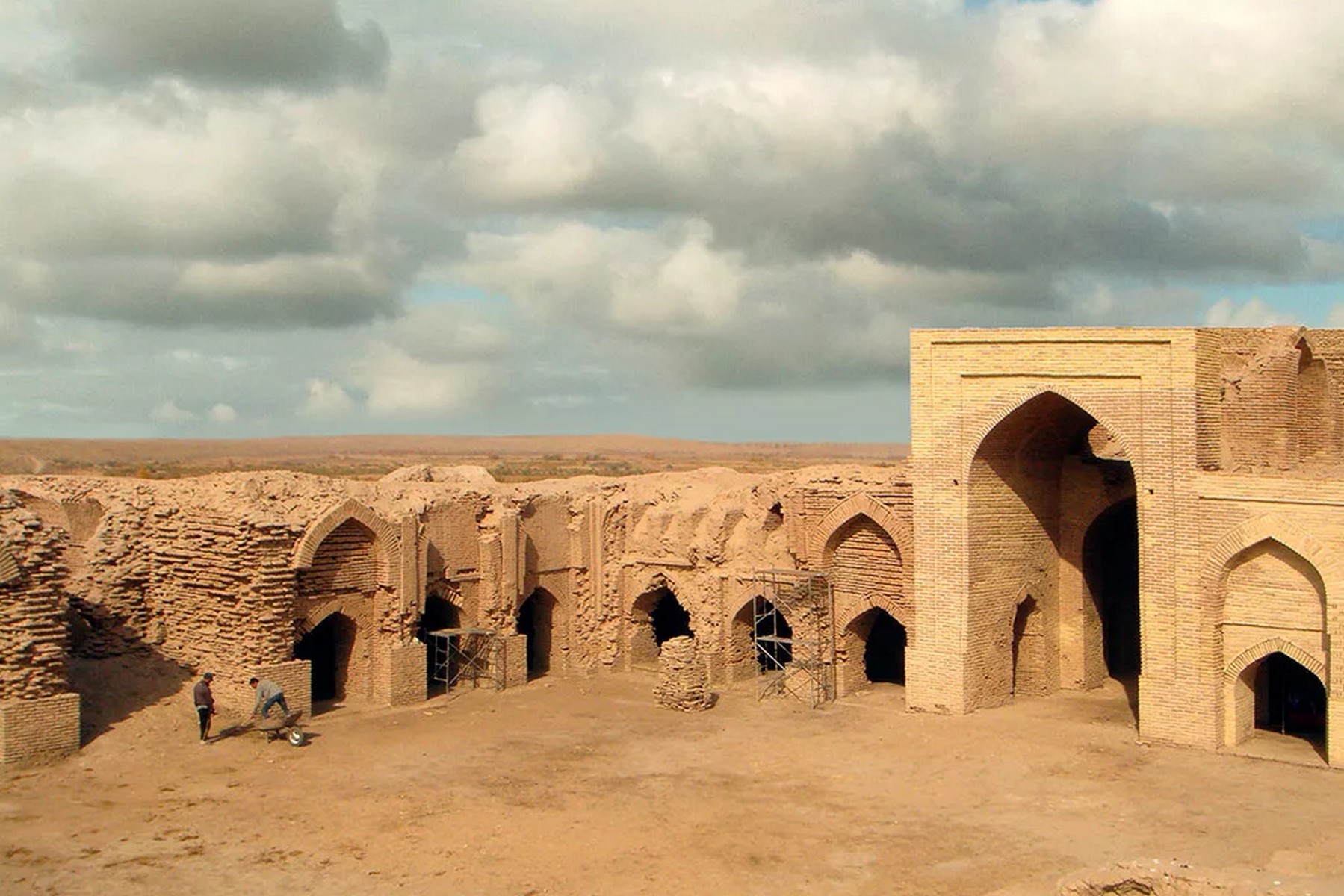
Dayahatun Caravanserai
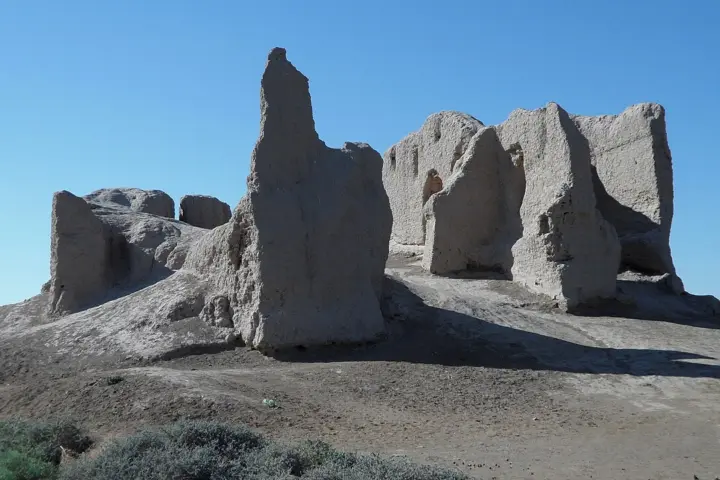
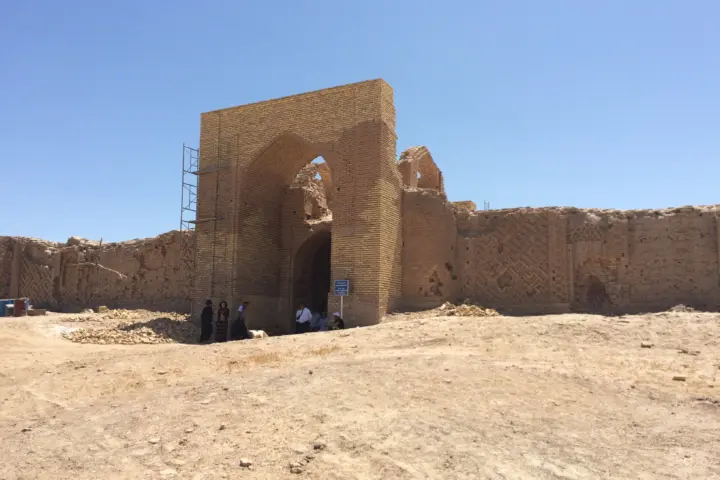
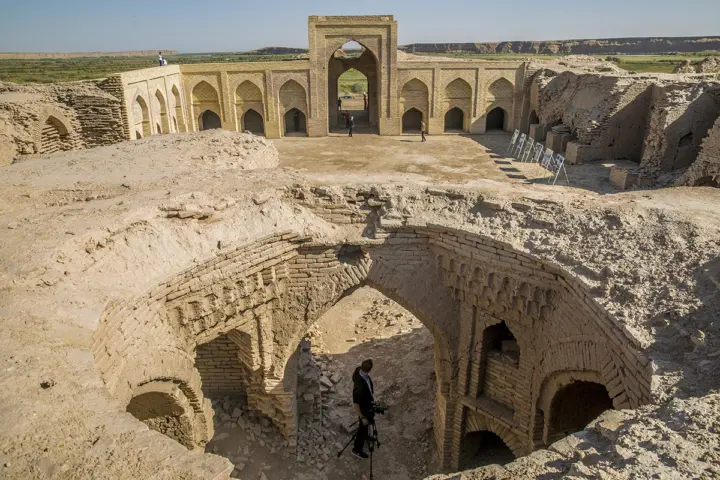
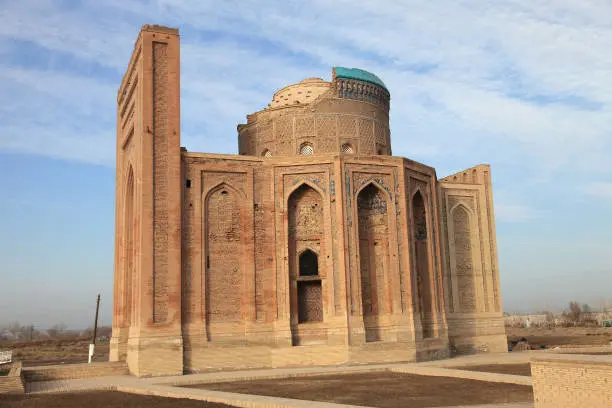
Explore the impressive 11th-century Dayahatun Caravanserai, one of the outstanding surviving examples of medieval Silk Road architecture in eastern Turkmenistan.
After the visit, begin the return journey to Turkmenabat.
The drive takes approximately 3.5 hours.
Late Lunch in Turkmenabat
Arrive back in the city at around 14:30 and enjoy a hearty lunch at a local restaurant.
Turkmenabat City Tour
Continue with a focused cultural programme in the city.
Lebap Regional Museum
Visit the Lebap Regional Museum to explore archaeological and ethnographic collections connected with the Amu Darya region.
Amul Fortress
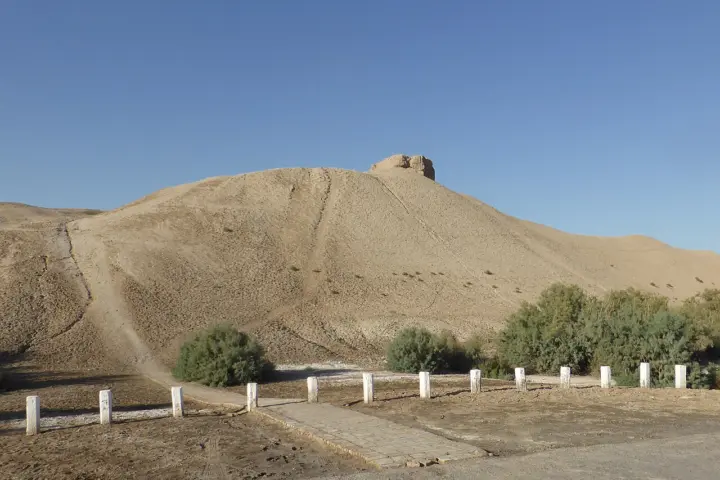
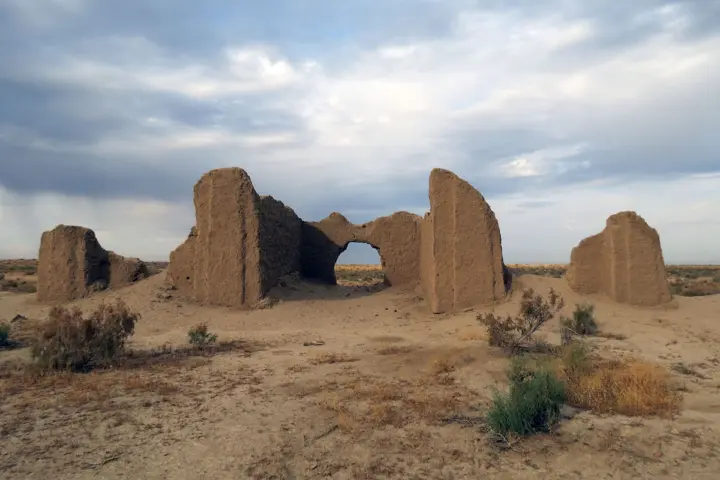
Explore the mud-brick remains of Amul Fortress, an ancient Silk Road stronghold located near modern Turkmenabat.
Amu Darya Photo Stop
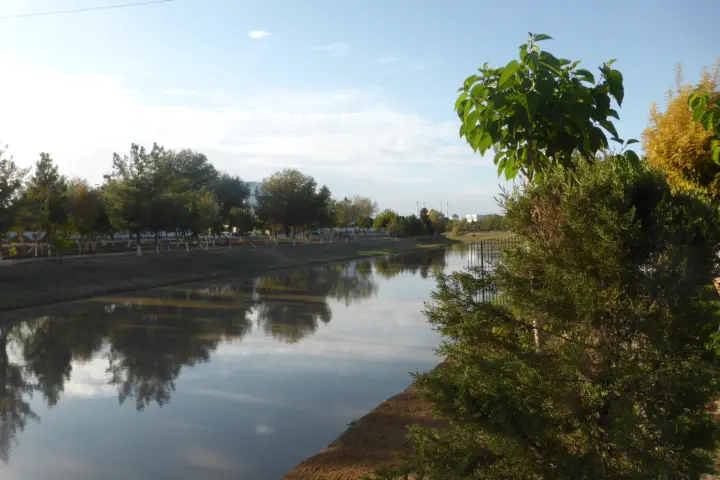
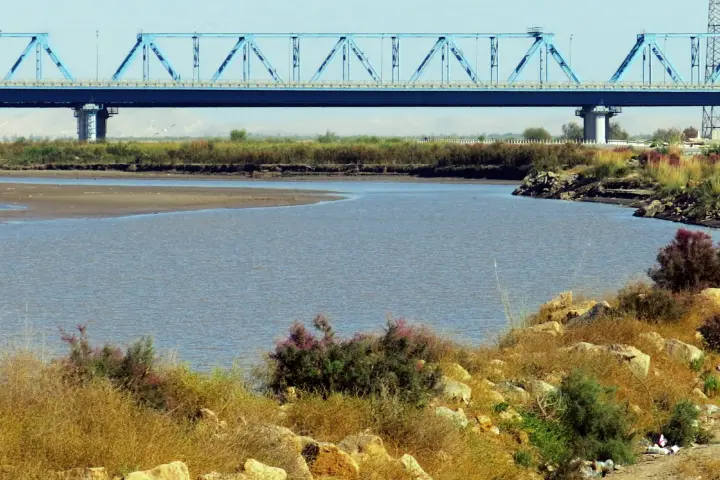
Stop beside the Amu Darya River for photographs while continuing towards the border.
Transfer to Farap Border
Drive approximately 40 km from Turkmenabat to the Farap Border Checkpoint.
Upon arrival, our team will assist with Turkmen customs and departure immigration formalities in accordance with official border procedures.
After crossing into Uzbekistan, continue towards Bukhara.
End of Tour Services
Compare Routes and Plan Your Visit
If you can allow more time, explore our 13-day Khiva–Bukhara grand tour.
If you have fewer days available, compare our 5-day Khiva–Bukhara tour via Dayahatyn.
Prepare for the archaeological sites with our Ancient Merv travel guide.
Prepare for your trip with our Koytendag travel guide and Dayahatyn Caravanserai guide.