Route: Khiva / Shavat Border – Kunya-Urgench – Dashoguz – Izmukshir – Darvaza Gas Crater – Ashgabat – Turkmenbashi – Yangykala Canyon – Balkanabat – Ancient Dehistan – Gyzylarbat – Moon Mountains – Nokhur – Kow Ata – Ashgabat – Ancient Merv – Mary – Gonur Depe (Margush) – Kerki – Koytendag Mountains – Turkmenabat – Dayahatun Caravanserai – Farap Border / Bukhara
About the Khiva to Bukhara Turkmenistan Tour
This Khiva to Bukhara Turkmenistan tour takes you across the country in 13 unforgettable days, combining ancient Silk Road cities, the Karakum Desert, spectacular canyons, mountain landscapes and remote archaeological sites. Starting at the Shavat Border near Khiva, the journey continues through Kunya-Urgench, Darvaza, Ashgabat, Yangykala Canyon, Ancient Merv and Koytendag before finishing at the Farap Border for onward travel to Bukhara.
Enter Turkmenistan from Khiva through the Shavat Border and begin with the UNESCO-listed monuments of Kunya-Urgench. Continue across the Karakum Desert to spend a night in a traditional yurt beside the glowing Darvaza Gas Crater before exploring the white-marble capital of Ashgabat.
The journey then turns west towards the Caspian region, where you will discover Turkmenbashi, the extraordinary colours of Yangykala Canyon and the isolated Silk Road ruins of Ancient Dehistan. Continue through the unusual landscapes of the Moon Mountains, visit the mountain village of Nokhur, and descend into the cave of Kow Ata to see its underground thermal lake.
From Ashgabat, travel east to the UNESCO World Heritage Site of Ancient Merv and explore the Bronze Age settlement of Gonur Depe in Margush. The final part of the expedition reaches the remote Koytendag Mountains, where dinosaur footprints, mountain gorges and sacred caves reveal a completely different side of Turkmenistan.
Continue through Kerki and Turkmenabat, visit the desert ruins of Dayahatun Caravanserai, cross the Amu Darya region and finish at the Farap Border, ready to continue towards Bukhara.
This long-distance itinerary is designed for travellers who want to experience a broad cross-section of Turkmenistan in one continuous transit journey from Khiva to Bukhara.
Travelling from Khiva to Bukhara via Turkmenistan allows you to combine two famous Uzbek Silk Road cities with an extensive journey across Turkmenistan.
Day 1 – Shavat Border, Kunya-Urgench and Dashoguz
10:00 AM (Approx.) – Meeting at Shavat Border
Meet your local guide inside the main hall of the Shavat Border Control Terminal on the Turkmen side.
While you complete migration and passport formalities, the border officers will contact our team. Your guide will then enter the hall and meet you directly using your photo for identification.
Drive to Kunya-Urgench
Depart for Kunya-Urgench, located approximately 100 km away. The journey normally takes around 1.5 to 2 hours.
Kunya-Urgench was once the capital of the powerful Khorezm Empire and is today recognised as a UNESCO World Heritage Site.
Lunch
Enjoy a traditional lunch upon arrival in Kunya-Urgench. Depending on the exact timing of the day, lunch may instead be arranged en route in Dashoguz.
Kunya-Urgench Historical Tour
Explore the main monuments of the historical park with your guide.
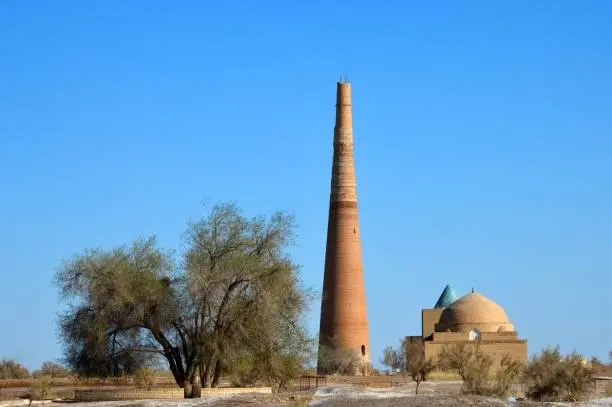
Kutlug-Timur Minaret
See the tallest medieval minaret in Central Asia and one of the most recognisable monuments of Kunya-Urgench.
Turabek-Khanum Mausoleum
Visit the mausoleum famous for its remarkable geometric ceiling mosaic and intricate architectural decoration.
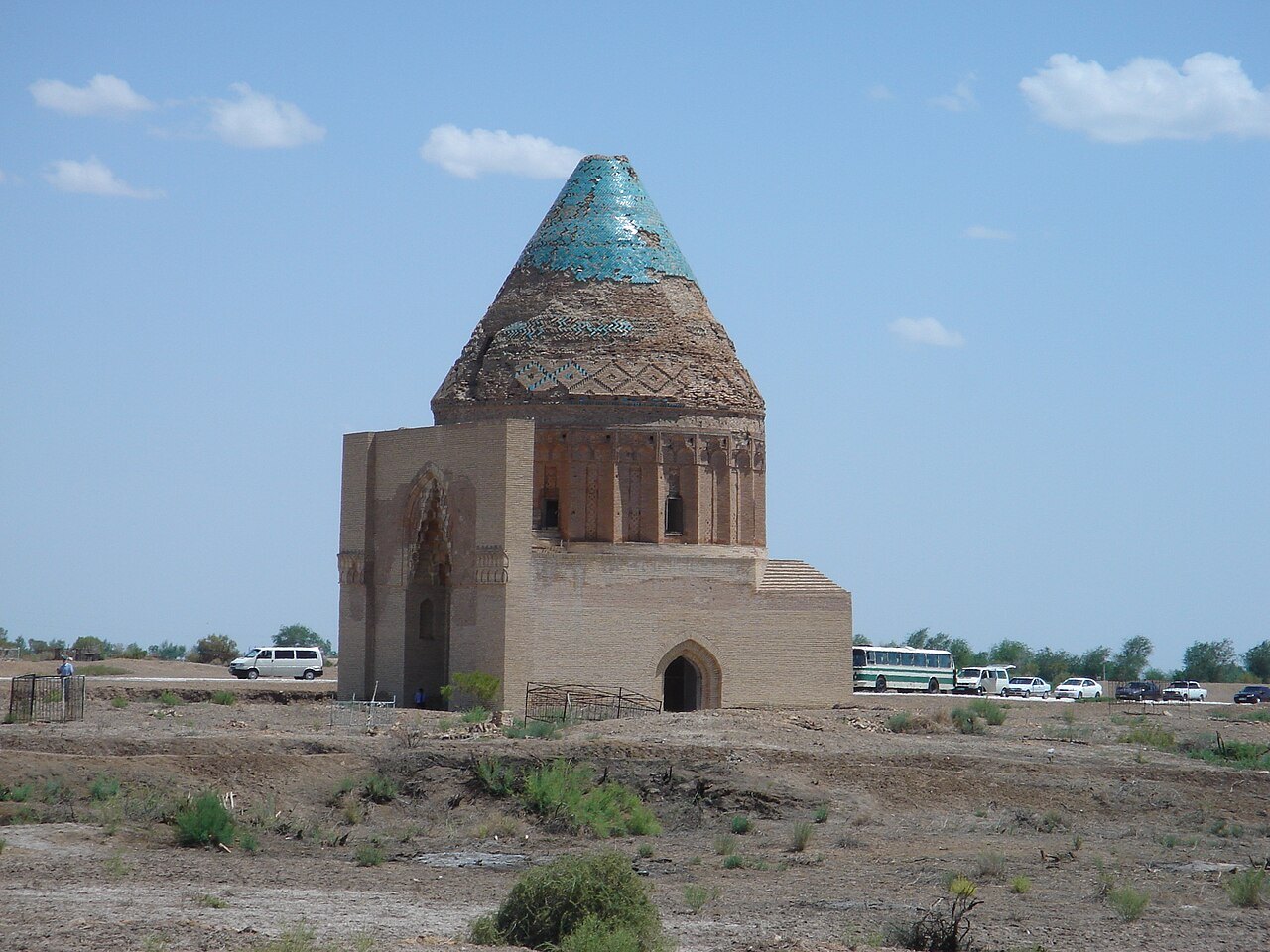
Mausoleums of Sultan Tekesh and Il-Arslan
Discover two important medieval mausoleums distinguished by their unusual conical domes.
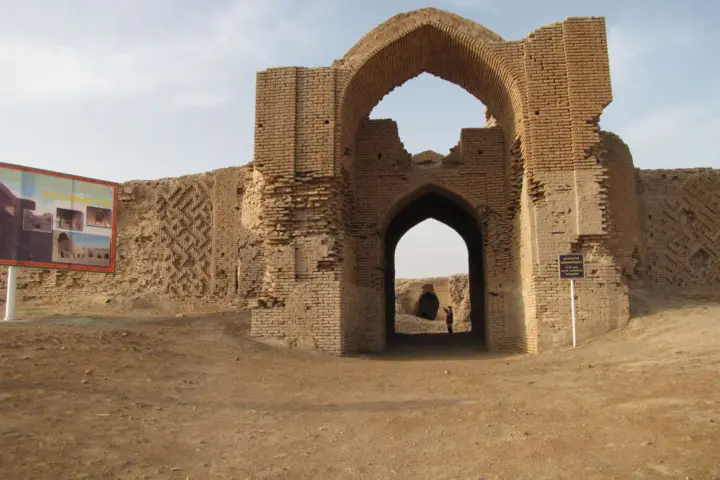
Caravanserai Gate
See one of the surviving reminders of Kunya-Urgench’s role as an important trading centre along the Silk Road.
Return to Dashoguz
Drive back to Dashoguz and enjoy a short evening orientation tour of the city, offering a glimpse of local everyday life.
Afterwards, relax over dinner at a local restaurant.
Overnight: Hotel in Dashoguz.
Day 2 – Dashoguz, Izmukshir and Darvaza Gas Crater
08:00 AM – Breakfast
Begin the day with breakfast at your hotel.
Bai Bazaar
Visit the lively Bai Bazaar before leaving Dashoguz.
Walking through the market offers an opportunity to experience local life and purchase fresh fruit, snacks and supplies for the journey through the desert.
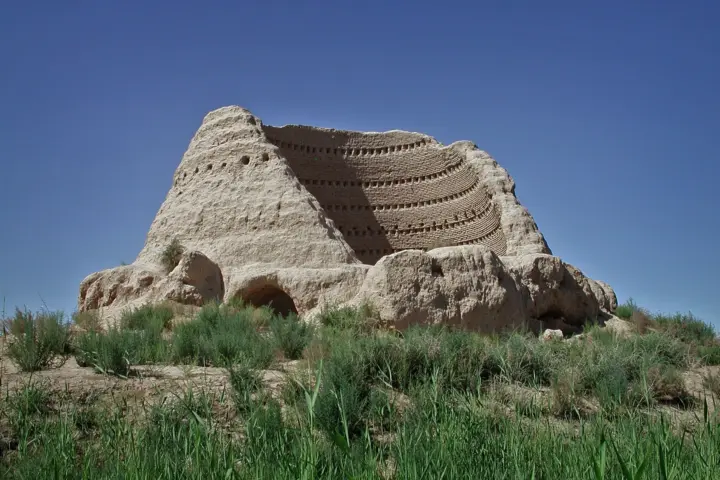
Izmukshir Fortress
Depart Dashoguz and drive approximately 25 km to the ancient Izmukshir Fortress.
Explore the massive clay ruins of this historic settlement, known as the birthplace of the medieval philosopher Al-Zamakhshari.
Lunch
Stop for a traditional lunch at a roadside teahouse in a local settlement before continuing deeper into the Karakum Desert.
Journey Across the Karakum Desert
Continue towards Darvaza, approximately 300 km away. The drive usually takes around 4 to 4.5 hours.
Some sections of the road are rough and uneven, so expect a bumpy journey through the Central Karakum Desert.
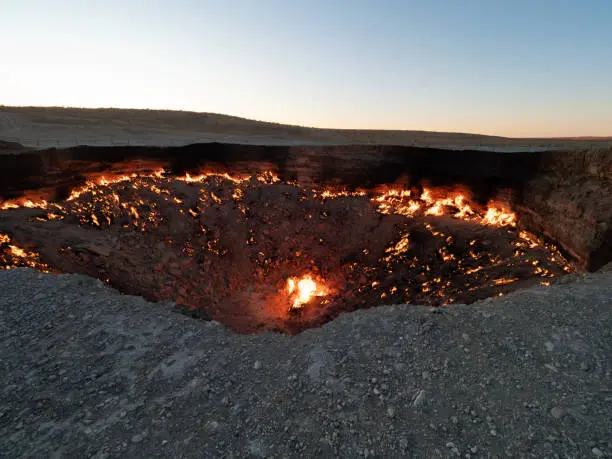
Darvaza Gas Crater – “Shining of Karakum”
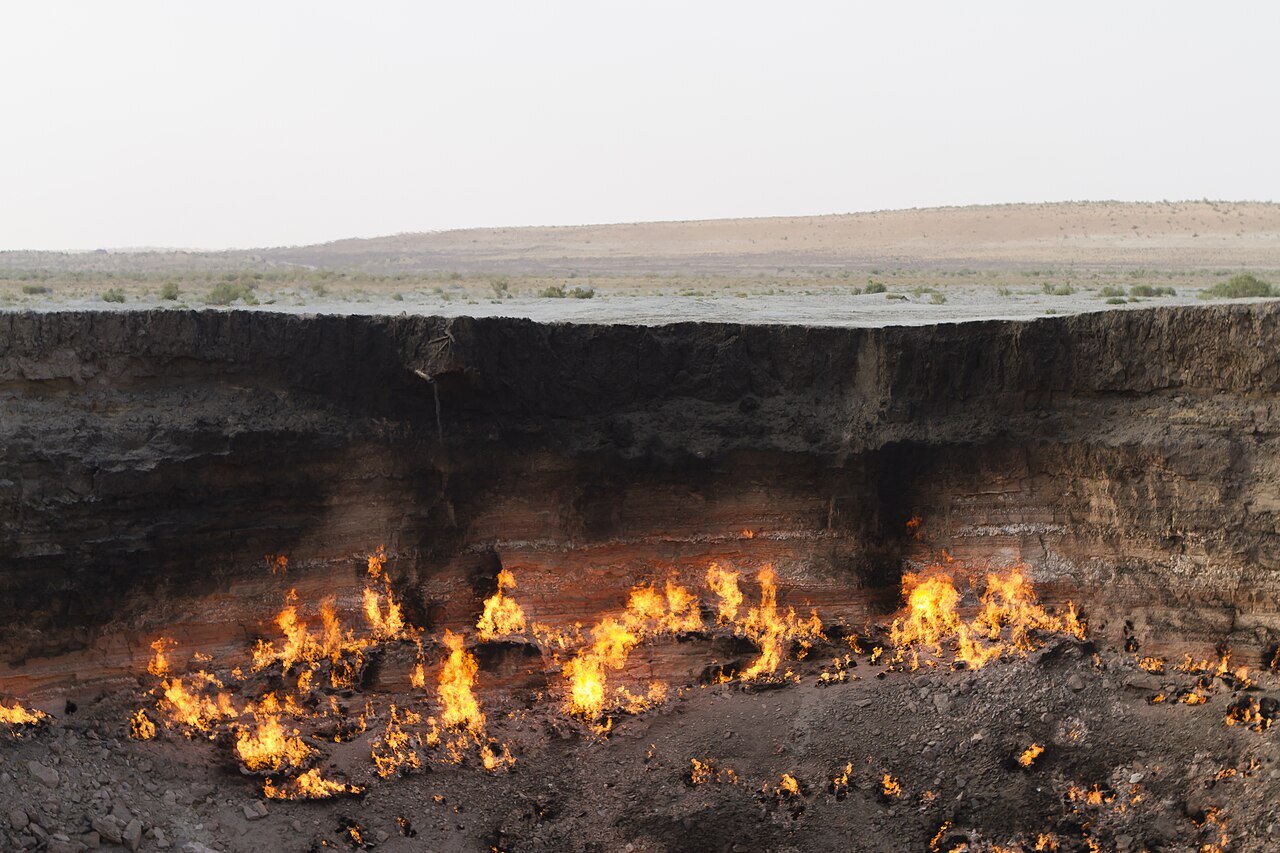
Arrive at the famous burning gas crater in time to experience the desert around sunset.
As daylight fades, the fiery glow of the crater becomes increasingly dramatic against the surrounding desert landscape.
Evening and BBQ Dinner
Enjoy a traditional open-air BBQ dinner freshly prepared by our team at the yurt camp.
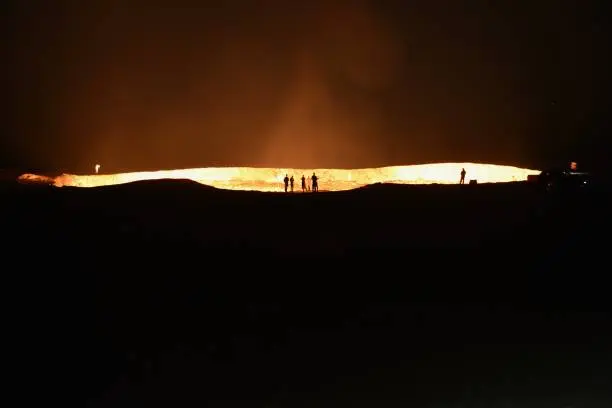
After dark, spend time beside the crater as its flames illuminate the desert beneath the night sky. This is also one of the best periods of the day for photography.
Overnight: Traditional Turkmen yurt at the crater yurt camp.
Day 3 – Darvaza, Desert Craters and Ashgabat
Optional Sunrise at Darvaza
Wake before dawn for an optional visit to the edge of the crater.
Watch the changing morning light across the Karakum Desert and see the flames glowing before sunrise.
Breakfast and Departure
Return to the camp for breakfast. Afterwards, begin the journey south towards Ashgabat.
The distance is approximately 270 km and the drive normally takes around 3.5 hours.
Some parts of the road remain rough and uneven, continuing the off-road character of the desert journey.
Water Crater and Mud Crater
Make short stops along the route at the Water Crater and Mud Crater.
These unusual sites offer a look at the different geological features found within the Karakum Desert.
Lunch in Ashgabat
Arrive in the capital and stop for lunch.
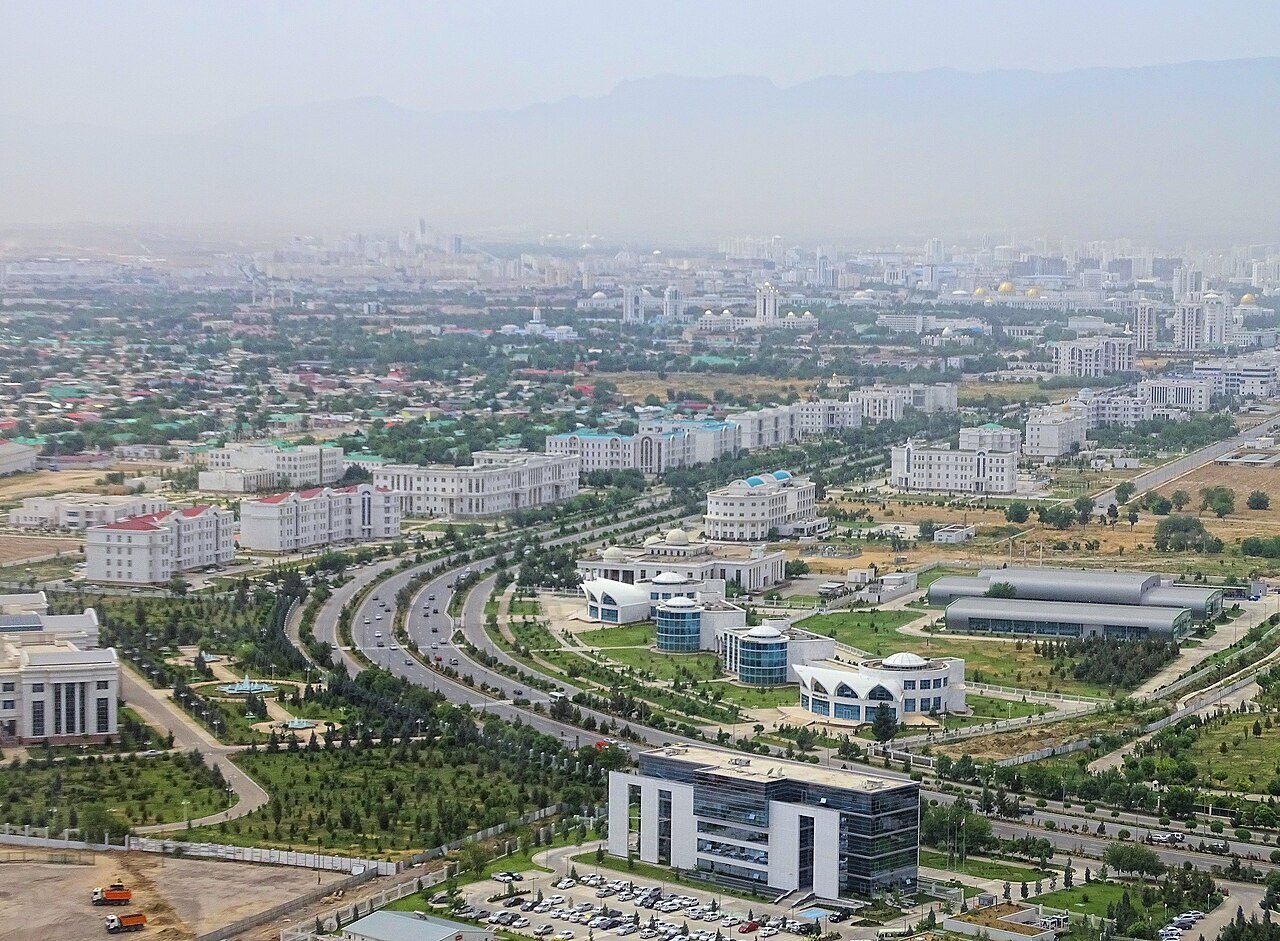
Ashgabat City Tour
After lunch, begin your guided introduction to Ashgabat.
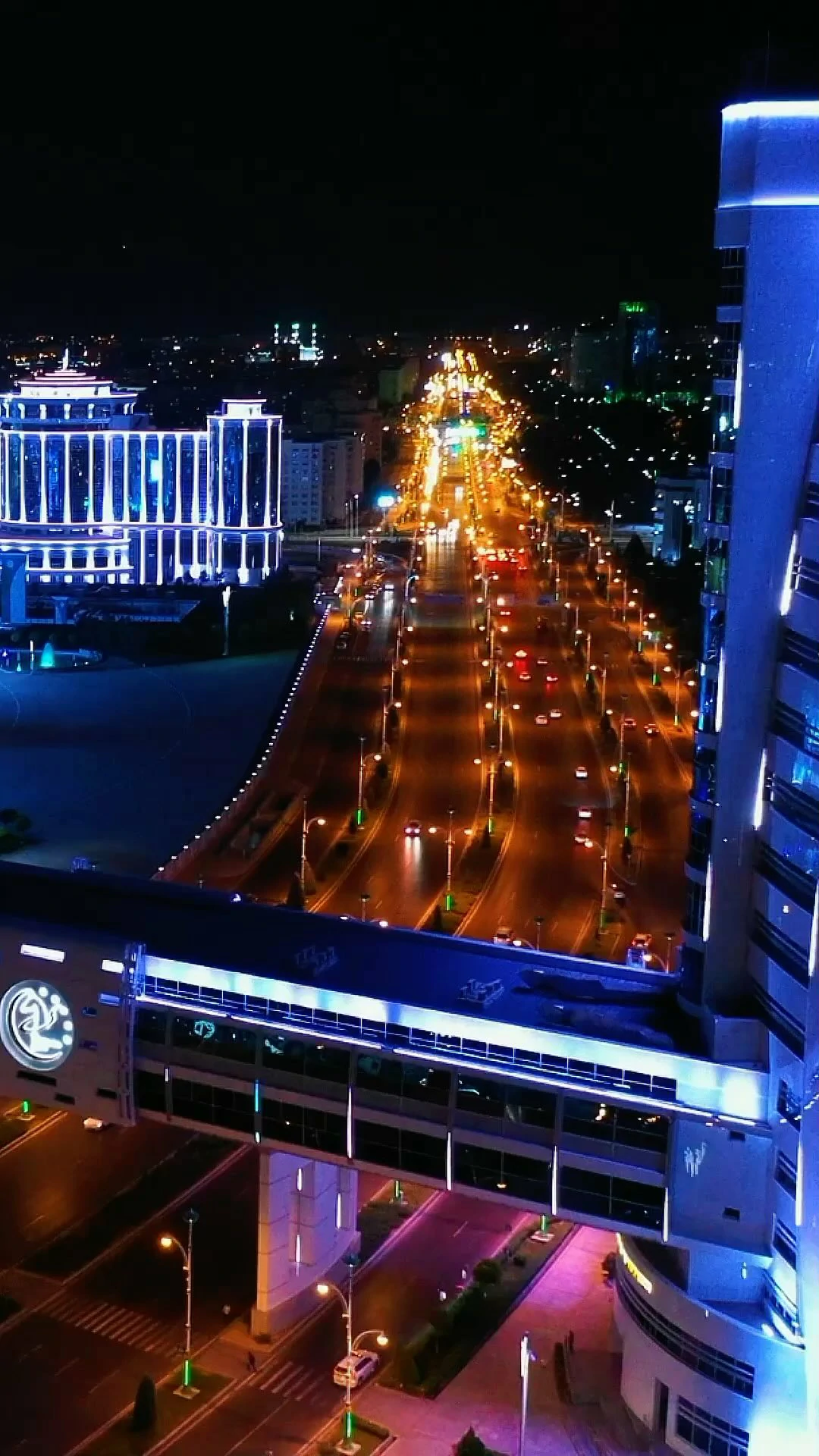
Explore the capital’s distinctive white-marble architecture, monuments and cultural attractions at a comfortable pace.
Overnight: Hotel in Ashgabat.
Day 4 – Ashgabat and Overnight Train to Turkmenbashi
Second Ashgabat City Tour
After breakfast, continue exploring the capital.
Today’s programme focuses on additional grand monuments, museum collections and important architectural landmarks.
Discover more of Ashgabat’s unusual white-marble cityscape while visiting cultural highlights selected according to the pace of the tour.
Lunch
Enjoy a traditional lunch at a local restaurant during the sightseeing programme.
Transfer to Ashgabat Railway Station
In the late afternoon, transfer to Ashgabat Railway Station to board the overnight train to Turkmenbashi on the Caspian coast.
Dinner
Because the train departs early in the evening, there is not enough time for a full sit-down restaurant dinner before boarding.
Instead, your guide will take you to a local market or café where you can purchase a good packed dinner, fresh fruit and snacks to enjoy comfortably in your compartment.
Overnight: Overnight train in a comfortable 4-berth compartment.
Day 5 – Turkmenbashi and Yangykala Canyon
08:05 AM – Arrival in Turkmenbashi
Arrive at Turkmenbashi Railway Station, where your private driver will meet you.
Turkmenbashi City and Awaza Highlights
Begin with a short orientation tour of the historic port city.
See examples of pre-revolutionary architecture built from Caspian limestone and stop at the distinctive Moorish-style railway station dating from 1895.
You will also have an opportunity to enjoy views of the Caspian Sea.
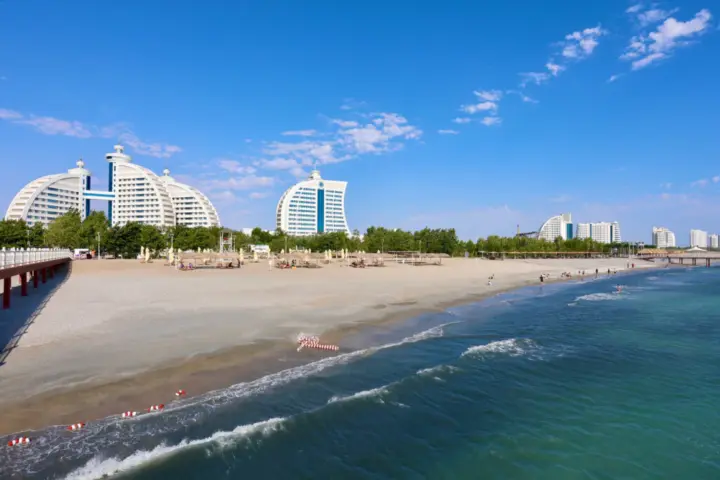
An optional excursion to the nearby Awaza Sea Resort can be arranged upon request. Access depends entirely on whether the zone is open to visitors at the exact time of your trip.
Lunch
Enjoy fresh seafood or a traditional lunch at a local restaurant.
Drive to Yangykala Canyon
Leave Turkmenbashi and travel east towards Yangykala Canyon, approximately 160 km away.
The drive takes around three hours. The final approach to the canyon includes rough, unpaved desert tracks.
Yangykala Sunset Experience
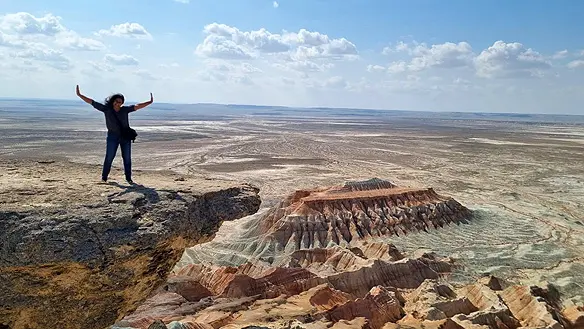
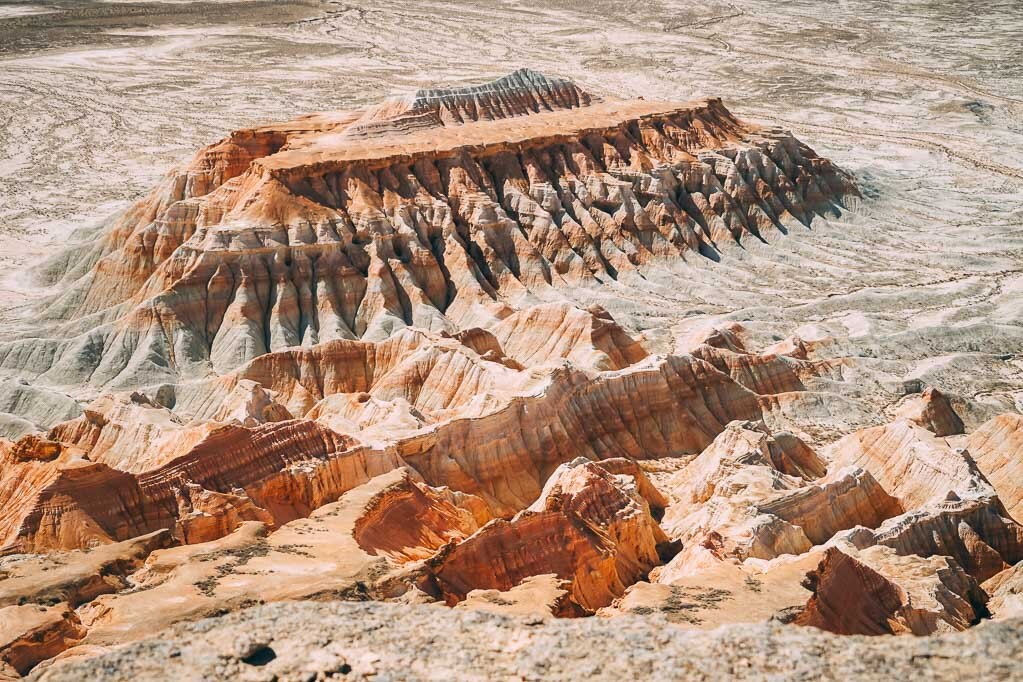
Arrive on the canyon plateau and explore its vast limestone formations.
The layers of red, pink, orange and pale rock create one of the most dramatic landscapes of the journey.
Stay for sunset as the changing light moves across the canyon.
Dinner
Depending on the season and weather conditions, enjoy a packed picnic dinner in the canyon landscape or have a warm dinner after reaching the destination for the night.
Drive to the Hotel
Leave the canyon plateau and continue south towards your hotel in the Balkan region.
The drive to the nearest accommodation hub normally takes around 2 to 2.5 hours.
Overnight: Hotel in Balkanabat or another suitable transit hub in the Balkan Region, depending on availability.
The Khiva to Bukhara Turkmenistan tour now continues into western Turkmenistan, combining remote desert landscapes with some of the country’s least visited historical sites.
Day 6 – Ancient Dehistan and Gyzylarbat
Expedition to Ancient Dehistan
After breakfast, travel south across remote desert plains towards Ancient Dehistan, also known as Mashat-Misrian.
The site lies approximately 180 km away, with a journey of around 3.5 hours using desert tracks.
This isolated archaeological area preserves important remains from Turkmenistan’s Silk Road history.
Archaeological Exploration
Walk among the surviving medieval monuments of Dehistan.
See its approximately 25-metre minarets, the carved portals of the Khorezmshah-era mosque and remains associated with the Rabat, including craftsmen’s quarters and caravanserais.
Mashat Necropolis and Shir-Kabir
Continue approximately 7 km north to the sacred Mashat Necropolis.
Visit Shir-Kabir, which contains the oldest standing 10th-century mosque in the country and remains an active pilgrimage site.
Picnic Lunch
Enjoy a freshly prepared picnic lunch among the ancient ruins before continuing the journey.
Drive to Gyzylarbat
Leave Dehistan and travel along regional roads and tracks towards Gyzylarbat.
Check into your hotel on arrival and enjoy a relaxed dinner.
Overnight: Hotel in Gyzylarbat.
Day 7 – Moon Mountains, Nokhur, Kow Ata and Ashgabat
Moon Mountains Photo Stop
After breakfast, check out of the hotel and begin travelling east.
Stop at the unusual clay formations of the Moon Mountains, located in the scenic foothills of the Sumbar Valley.
The rolling multi-coloured hills create a distinctive landscape and provide excellent photography opportunities.
Drive to Nokhur Village
Continue towards the Kopetdag Mountains and follow the winding mountain road to Nokhur Village, approximately 115 km from Serdar.
Traditional Lunch in Nokhur
On arrival, enjoy a home-cooked traditional lunch at a local family house or teahouse.
The meal may include fresh regional dishes accompanied by mountain herbal tea.
Nokhur Cultural Tour
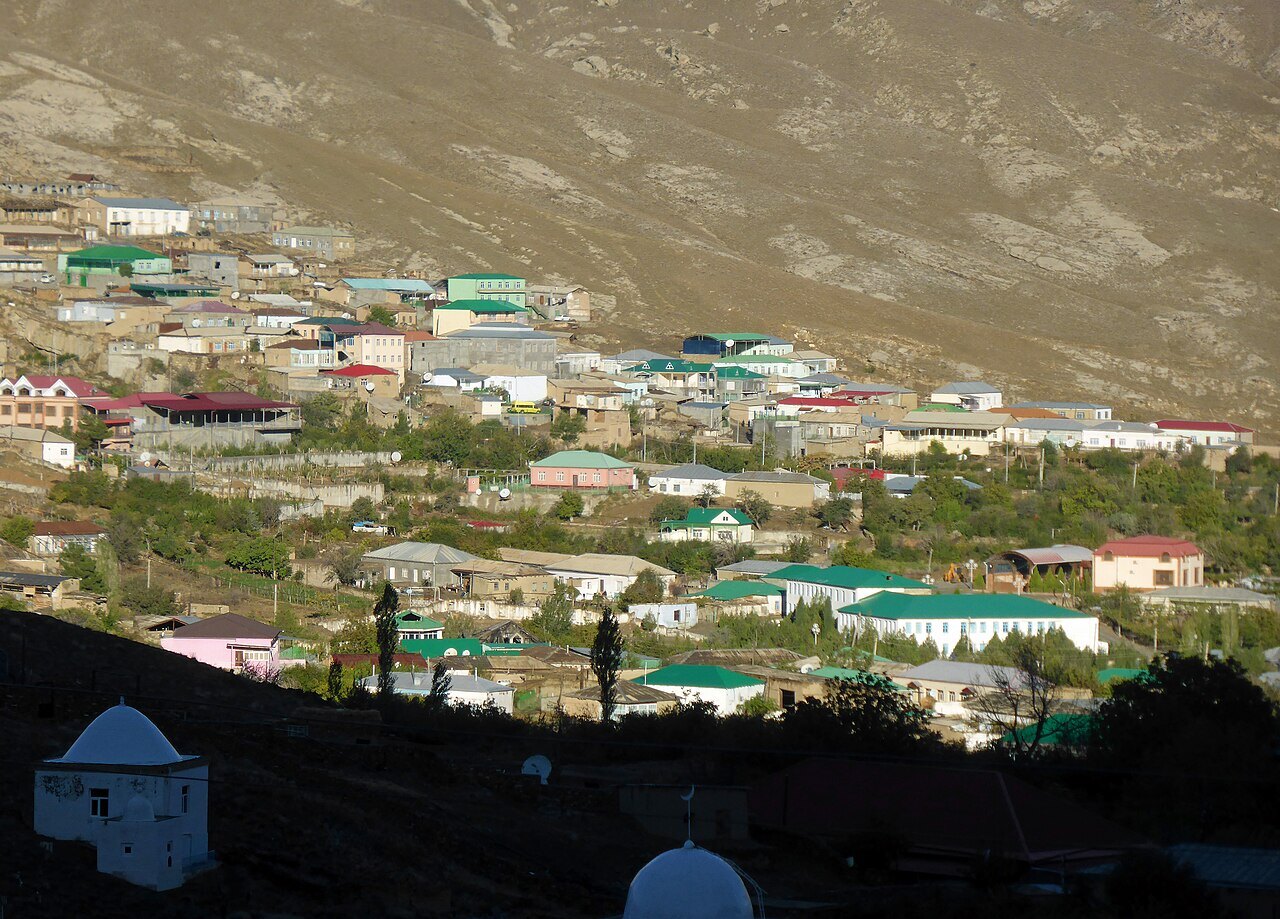
Explore this distinctive mountain community with your guide.
Visit the sacred Kyz Bibi pilgrimage shrine and the village cemetery, where headstones are decorated with the horns of mountain goats.
You may also see local women practising the traditional art of Keteni silk weaving.
Access to Nokhur depends on suitable weather and road conditions. During winter snow or heavy rain, an alternative comfortable lunch stop will be arranged en route.
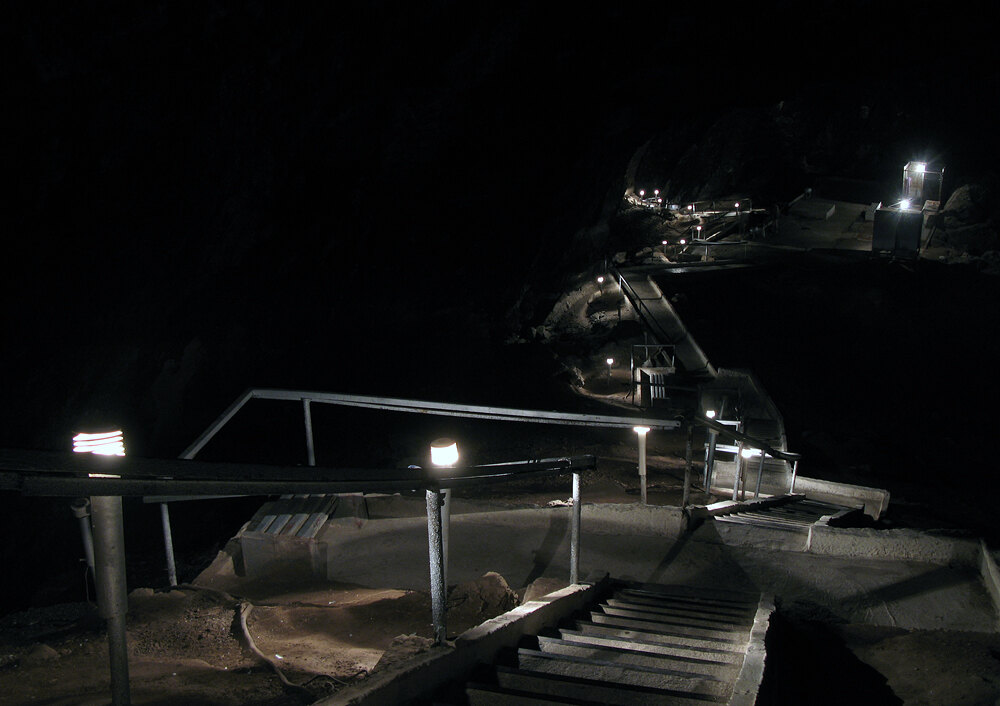
Kow Ata Underground Lake
Descend from the mountains and drive approximately one hour to Kow Ata.
Enter the limestone cave and descend towards the underground thermal lake.
Those who wish can swim in its naturally warm, mineral-rich sulphur water, which remains around 35°C throughout the year.
Return to Ashgabat
Continue approximately 100 km back to Ashgabat. The journey normally takes around 1.5 hours.
Dinner
Enjoy dinner at a local restaurant in the capital.
Overnight: Hotel in Ashgabat.
Day 8 – Ashgabat to Ancient Merv and Mary
08:00 AM – Departure from Ashgabat
Leave Ashgabat and travel east along the Ashgabat–Mary High-Speed Motorway.
The approximately 360 km journey normally takes 3.5 to 4 hours.
Watch the landscape gradually change as you travel towards the Mary region.
Lunch
Arrive in the region and enjoy a traditional lunch in Mary or Bayramaly.
Ancient Merv Guided Tour
Continue to Ancient Merv, one of Turkmenistan’s UNESCO World Heritage Sites.
Explore its major archaeological monuments on a streamlined guided route.
Mausoleum of Sultan Sanjar
Visit this 12th-century Seljuk monument, known for its impressive double-dome construction.
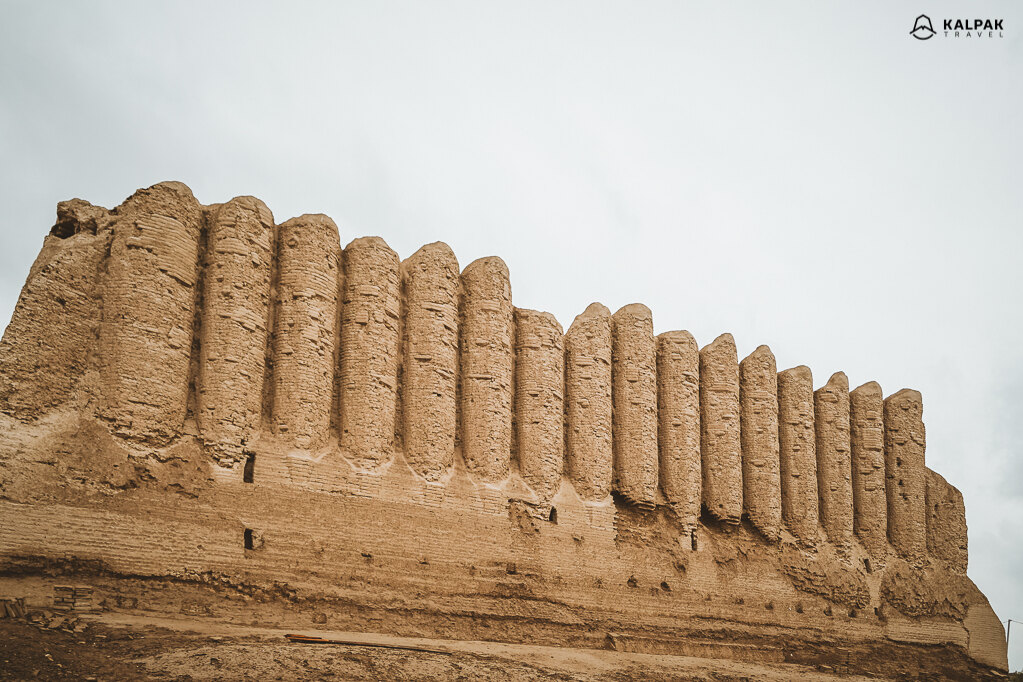
Greater and Lesser Kyz Kala
Explore the distinctive mud-brick fortresses characterised by their unusual corrugated walls.
Askhabs Mausoleums and Ancient Sardoba
Visit the sacred burial sites associated with the companions of the Prophet Muhammad.
Nearby, see remains of medieval public baths and the traditional desert water-storage structure known as a Sardoba.
Erk Kala and Gyaur Kala
Explore the massive ancient citadels and enjoy panoramic views across the archaeological landscape.
Ancient Merv contains many additional ruins. Smaller sites within the park can be included flexibly upon request, depending on available time and your interests.
Dinner in Mary
Return to Mary in the late afternoon and enjoy dinner at a local restaurant.
Overnight: Hotel in Mary.
Day 9 – Gonur Depe, Margush and Overnight Train to Kerki
Breakfast
Enjoy breakfast at your hotel in Mary.
08:30 AM – Expedition to Gonur Depe
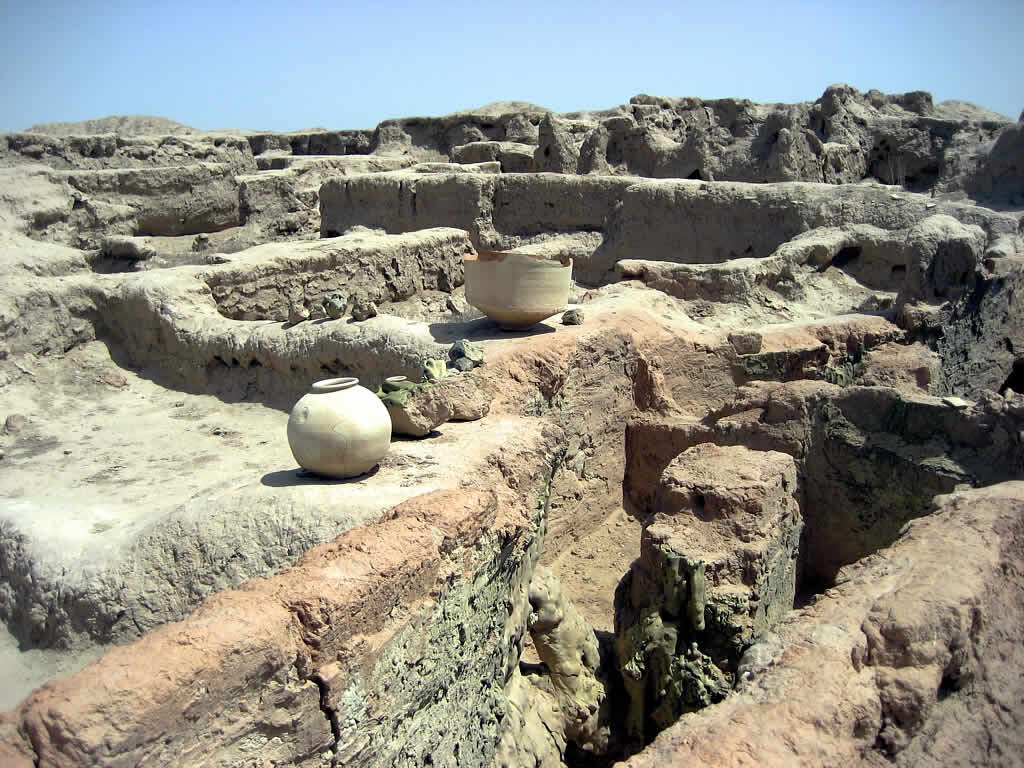
Depart into the Karakum Desert for Gonur Depe, the ancient capital of the Bronze Age Kingdom of Margiana, dating approximately from 2000 to 1500 BC.
Walk through the excavated remains of royal palaces, fire temples and ancient burial complexes.
Turkmen Ojagy Ethnographic Experience
After the archaeological visit, continue to the Turkmen Ojagy complex for a cultural experience and traditional lunch.
Alabay Dogs and Camels
Meet Turkmen Alabay dogs and Bactrian camels and take photographs with them.
Traditional Turkmen Clothing
See a collection of Turkmen costumes, including Telpek hats and silver-decorated robes.
You can use the costumes for photographs inside a traditional yurt.
Bread-Baking Master Class
Try traditional bread making at a Tamdyr clay oven and learn how Turkmen Chorek flatbread is prepared.
Mary City Sightseeing
Return to Mary in the late afternoon for a relaxed orientation tour.
See central landmarks including the Gurbanguly Hajji Mosque and city parks.
Farewell Dinner in Mary
Continue to a local restaurant for a sit-down dinner with refreshing drinks and live local music before travelling to the railway station.
Train to Kerki
Transfer to Mary Railway Station and board the overnight train to Kerki, scheduled to depart at 21:25.
Overnight: Overnight train in a comfortable 4-berth compartment.
As the Khiva to Bukhara Turkmenistan tour moves east, the landscapes change from ancient cities and desert plains to the rugged Koytendag Mountains.
Day 10 – Kerki, Gaynar Baba and Koytendag Mountains
07:00 AM – Arrival in Kerki
Arrive at Kerki Railway Station and meet your private driver directly at the platform.
Travel to a local café for a warm traditional breakfast.
Drive to Koyten
Begin the approximately 185 km overland journey towards the Koytendag Mountains.
Along the way, the flat desert landscape gradually gives way to foothills and mountain scenery.
Gaynar Baba Sulphur Spring
Stop at Gaynar Baba, a naturally warm sulphur spring.
Walk around the bubbling pool, which is locally associated with traditional healing practices.
Optional Traditional “Goat Massage”
If local availability and timing allow, there may also be an opportunity to experience the traditional regional practice known as a “Goat Massage”.
Arrival in Koyten
Reach the mountain village of Koyten in the afternoon and settle into your guesthouse or tourist base.
Evening
Enjoy free time to relax in the mountain environment.
Later, sit down for a home-cooked traditional dinner prepared by your hosts.
Overnight: Guesthouse or tourist base in Koytendag.
Day 11 – Dinosaur Plateau and Koytendag Nature
08:30 AM – Dinosaur Plateau at Hojapil
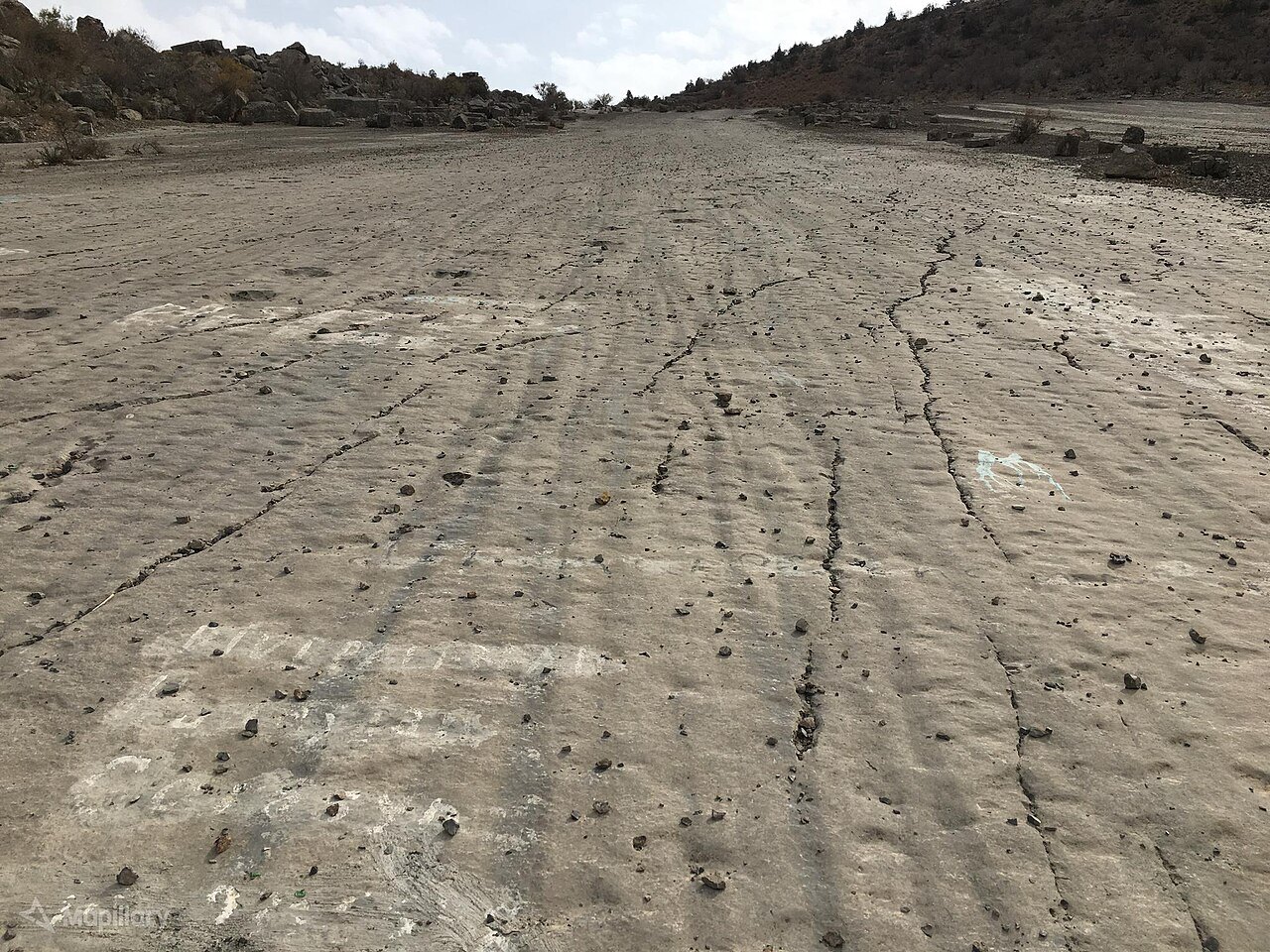
Travel by vehicle into the mountains to visit the famous limestone slope containing more than 300 fossilised Jurassic dinosaur footprints.
The site is known for its exceptionally large concentration of preserved tracks.
Umbar Dere Gorge
Take a scenic walk through the narrow stone gorge of Umbar Dere and continue towards its hidden mountain waterfall.
Mountain Picnic
Enjoy a traditional picnic lunch surrounded by the mountain landscape.
Pälwan Daş – Hero’s Stone
Stop at the legendary roadside boulder known as Pälwan Daş.
According to local tradition, visitors can test their strength here and make a wish.
Kyrk Gyz Cave
Continue to Kyrk Gyz Cave, also known as the Cave of the Forty Girls.
The sacred pilgrimage cave is known for the large number of wish cloths hanging from its ceiling.
Evening
Return to your guesthouse in the late afternoon.
Relax and enjoy another warm home-cooked dinner.
Overnight: Guesthouse or tourist base in Koytendag.
Day 12 – Kerki Heritage and Turkmenabat
Leave the Koytendag Mountains
After breakfast, leave Koytendag and descend towards the historic town of Kerki.
Kerki Historical Heritage
Explore several important medieval sites in the region.
Astana Baba Complex
Visit the sacred 11th–12th-century multi-domed pilgrimage complex with its interconnected tombs and locally revered spring.
Alamberdar Mausoleum
Explore this large Seljuk-era monument, distinguished by its ornamental brickwork.
Idris Baba Madrasah
Visit the historic Islamic school associated with the Turkmen poet and philosopher Magtymguly Pyragy.
Lunch in Kerki
Enjoy local regional dishes at a restaurant in Kerki before continuing the journey.
Drive to Turkmenabat
Travel north towards Turkmenabat, approximately 230 km from Kerki.
Evening in Turkmenabat
Check into your hotel and enjoy dinner.
An optional evening drive through the illuminated modern avenues of Turkmenabat can be arranged.
Overnight: Hotel in Turkmenabat.
Day 13 – Dayahatun Caravanserai, Turkmenabat and Farap Border
Final Days of the Khiva to Bukhara Turkmenistan Tour
07:00 AM – Departure
Leave Turkmenabat and travel north along the Amu Darya valley towards Dayahatun Caravanserai.
The distance is approximately 170 km and the journey normally takes around 3.5 hours.
Breakfast will be arranged en route.
The final sections of the journey use rough, unpaved desert roads.
Dayahatun Caravanserai
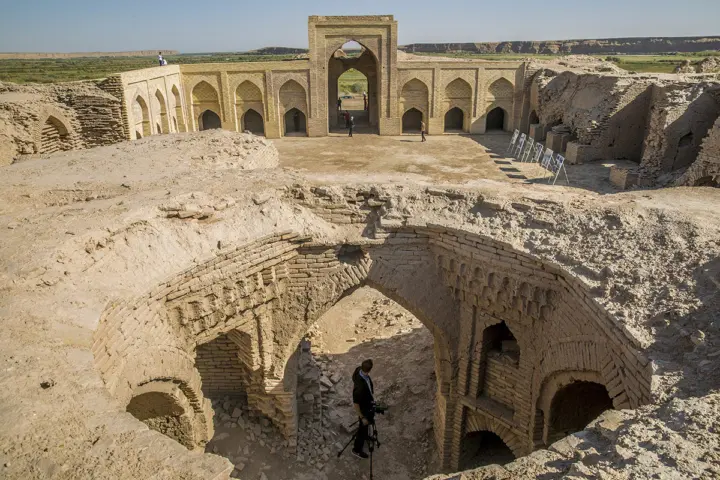
Arrive at Dayahatun and explore the impressive 11th-century Seljuk ruins.
Hidden in the desert, this historic caravanserai preserves an important example of Silk Road architecture.
Return to Turkmenabat
After the visit, begin the approximately 3.5-hour drive back towards Turkmenabat.
The route passes local villages and agricultural landscapes along the Amu Darya region.
Late Lunch in Turkmenabat
Arrive back in Turkmenabat at approximately 14:30 and enjoy a hearty lunch at a local restaurant.
Turkmenabat City Tour
After lunch, continue with a focused cultural tour of the city.
Lebap Regional Museum
Explore ethnographic and archaeological collections related to the history and culture of the Amu Darya region.
Amul Fortress
Visit the mud-brick ruins of Amul-Gala, an ancient Silk Road stronghold on the outskirts of modern Turkmenabat.
Amu Darya River Photo Stop
Stop beside the Amu Darya River for photographs as you continue towards the border.
Transfer to Farap Border
Drive approximately 40 km from Turkmenabat to the Farap Border Checkpoint.
On arrival at the terminal, our team will assist you with Turkmen customs and departure immigration formalities in accordance with official border regulations.
After crossing the border, you can continue your journey towards Bukhara.
End of the 13-Day Turkmenistan Transit Tour from Khiva to Bukhara.
This concludes your Khiva to Bukhara Turkmenistan tour at the Farap Border.
For travellers continuing from Khiva to Bukhara via Turkmenistan, the Farap Border provides the final exit point of this 13-day journey.
Photo credits
Images have been resized and compressed for this website. Thumbnails may be cropped; original photographs are linked below.
- Darvaza Gas Crater (Darvaza gas crater, Jähennem derwezesi, Door to Hell, Gates of Hell, Derweze, Turkmenistan.jpg): Benjamin Goetzinger · CC BY-SA 4.0
- Kunya-Urgench (Tekesh Mausoleum.JPG): Tim Williams · CC BY-SA 3.0
- Ashgabat (Neutrality-Road-Ashgabat-2015.JPG): Bjørn Christian Tørrissen · CC BY-SA 4.0
- Yangykala Canyon (Turkmenistan-yangykala.jpg): Kalpak Travel · CC BY-SA 4.0
- Nokhur Village (Nokhur village (2) (45390979642).jpg): Hans Birger Nilsen · CC BY-SA 2.0
- Kow Ata Underground Lake (Kow Ata Underground Lake – Turkmenistan, Baharden (Baharly) – panoramio.jpg): flydime · CC BY 3.0
- Ancient Merv (Turkmenistan Merv.jpg): Kalpak Travel · CC BY-SA 4.0
- Gonur Depe (Gonur ruins.jpg): David Stanley · CC BY 2.0
- Koytendag Mountains (Dinosaur-plateau.jpg): Allan Mustard · CC BY-SA 4.0