About This Bukhara to Iran via Turkmenistan Tour
This 3-day Merv and Ashgabat transit tour from Bukhara to Iran or Ashgabat Airport connects Uzbekistan with southern Turkmenistan and onward travel to Iran or an international departure from Ashgabat.
Enter Turkmenistan through the Farap Border and travel west across the Karakum region to explore UNESCO-listed Ancient Merv, one of the most important historic cities of the Silk Road. After visiting its major monuments, continue along the modern motorway to Ashgabat.
Spend two nights in the capital and explore its distinctive white-marble architecture, monumental landmarks and cultural sites through a flexible private programme.
On the final day, continue to the Howdan / Gaudan Border for Iran or transfer directly to Ashgabat International Airport (ASB) for your onward flight.
This route is especially suitable for travellers crossing Central Asia overland from Bukhara towards Iran, as well as those finishing their Turkmenistan journey with an international flight from Ashgabat.
Route
Bukhara / Farap Border → Ancient Merv → Mary → Ashgabat → Howdan / Gaudan Border (Iran) or Ashgabat International Airport (ASB)
Tour Highlights
- Enter Turkmenistan from Bukhara through the Farap Border
- Explore UNESCO-listed Ancient Merv
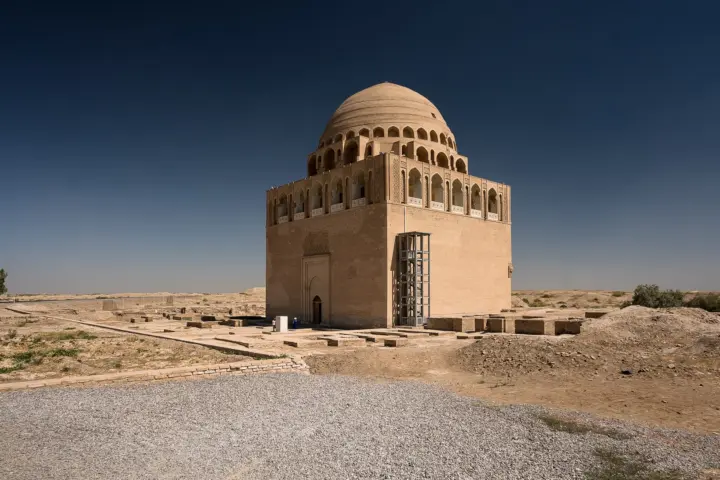
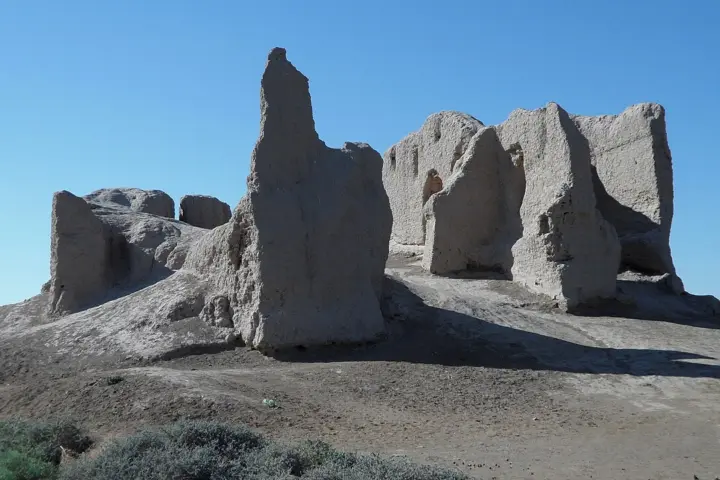
- Visit the Mausoleum of Sultan Sanjar and Kyz Kala fortresses
- Travel from the Mary region to Ashgabat via the modern motorway
- Spend two nights in Ashgabat
- Explore the capital’s white-marble architecture and cultural landmarks
- Choose between onward travel to Iran or departure from Ashgabat International Airport
- Cross the Kopetdag Mountains on the way to the Howdan–Bajgiran border
Day 1 – Farap Border, Ancient Merv and Ashgabat
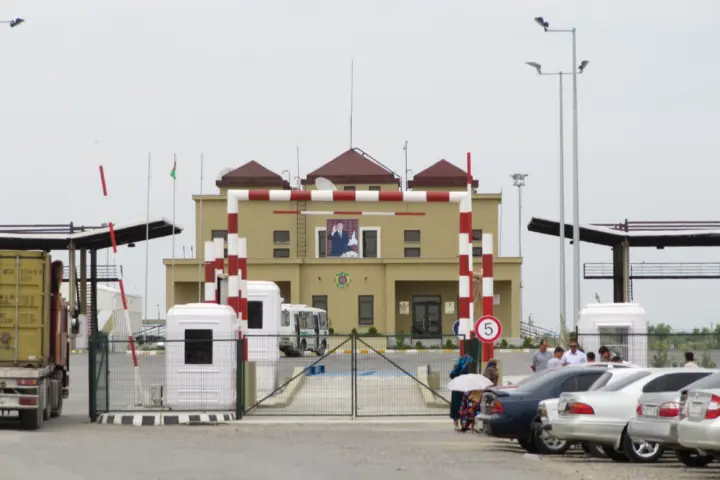
Meeting at Farap Border
At approximately 09:00, meet our local guide inside the main hall of the Farap Border Control Terminal on the Turkmen side.
While you complete migration and passport procedures, the border officers will contact our team. Your guide will then enter the terminal and meet you directly using your photograph for identification.
Transfer to Ancient Merv
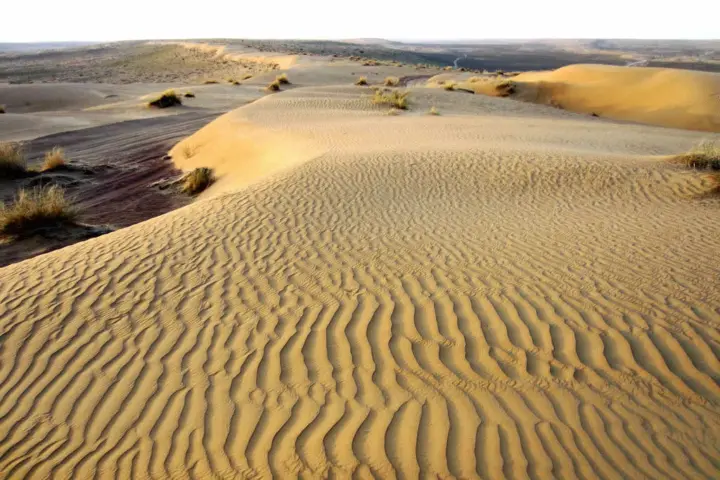
After completing the border formalities, depart the terminal and travel southwest through the Karakum region towards the Merv oasis.
The road journey from the Farap border crossing via Mary to Ancient Merv covers approximately 320 km. The exact distance and journey time depend on the road taken and the stops along the way.
Lunch in Mary
Stop in Mary for a traditional local lunch before continuing to the archaeological park.
Guided Tour of Ancient Merv
Explore Ancient Merv, one of the most significant historic centres of the Silk Road and today a UNESCO World Heritage Site.
During the visit, discover the main monuments of the archaeological complex.
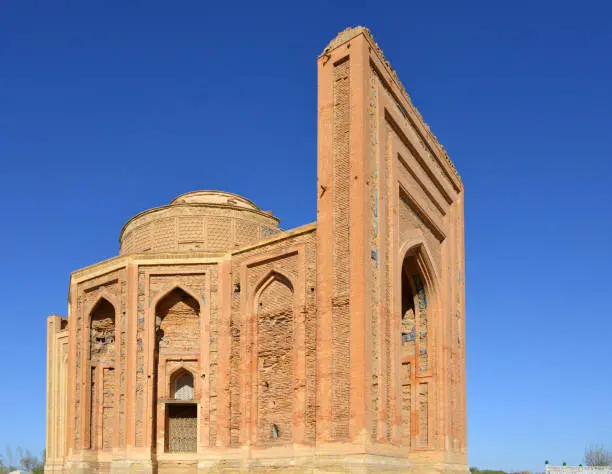
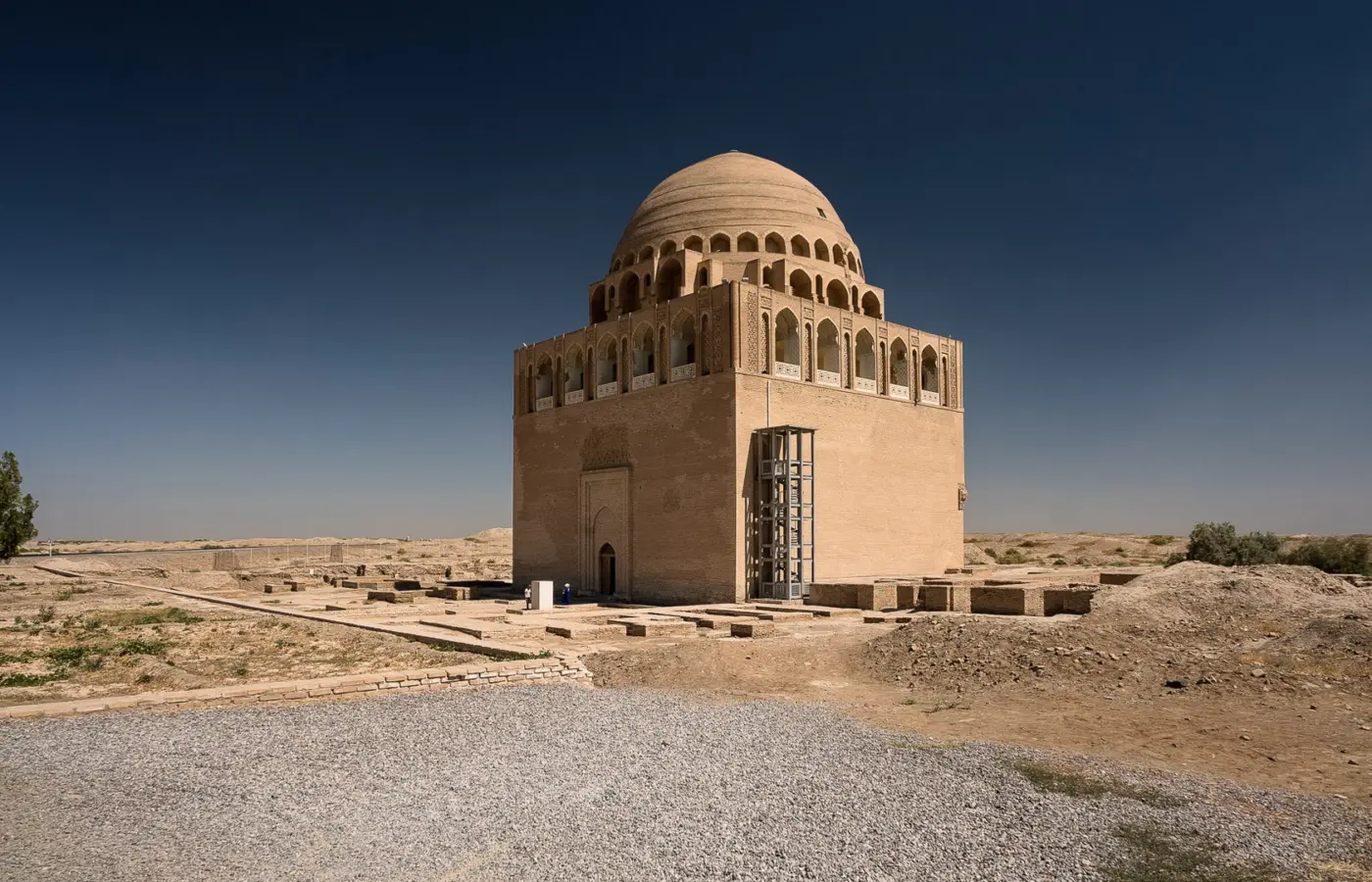
Mausoleum of Sultan Sanjar
Visit the monumental 12th-century Seljuk mausoleum, recognised for its impressive architecture and double-dome structure.
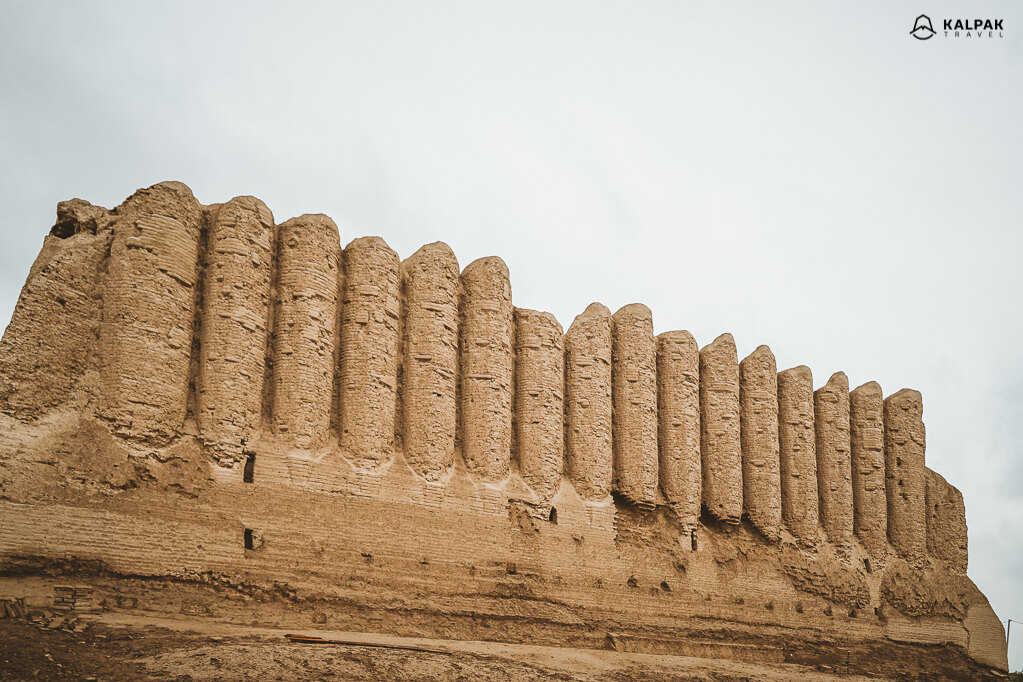
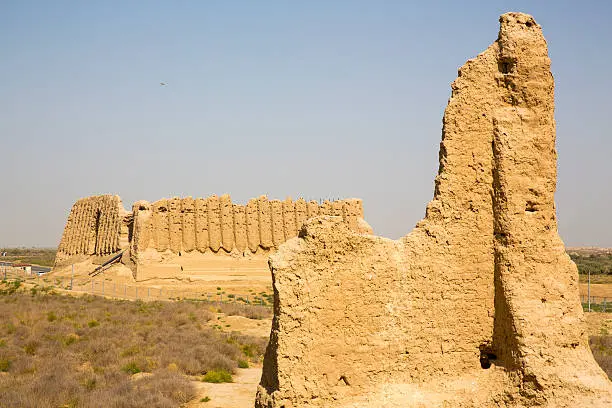
Greater and Lesser Kyz Kala
Explore the distinctive corrugated mud-brick fortresses dating from the 7th to 12th centuries.
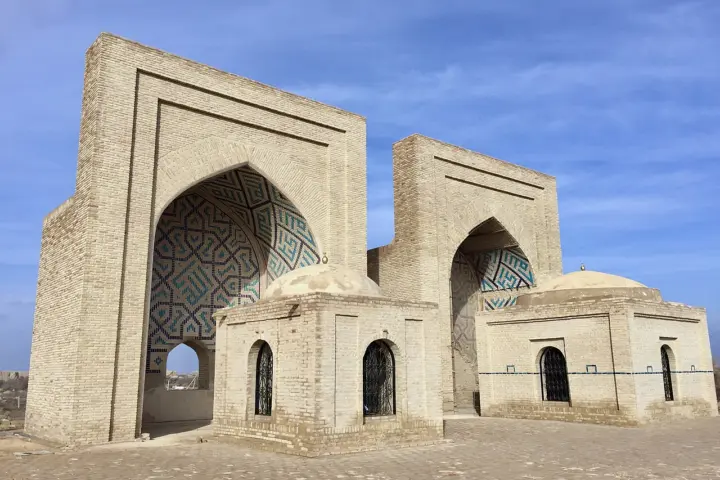
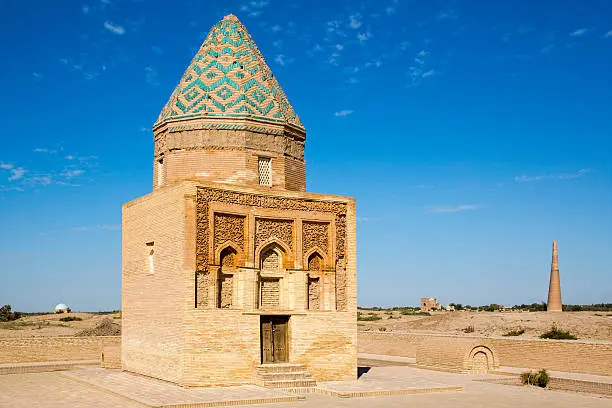
Askhabs Mausoleums and Ancient Sardoba
See the historic mausoleum complex together with an ancient desert water-storage structure.
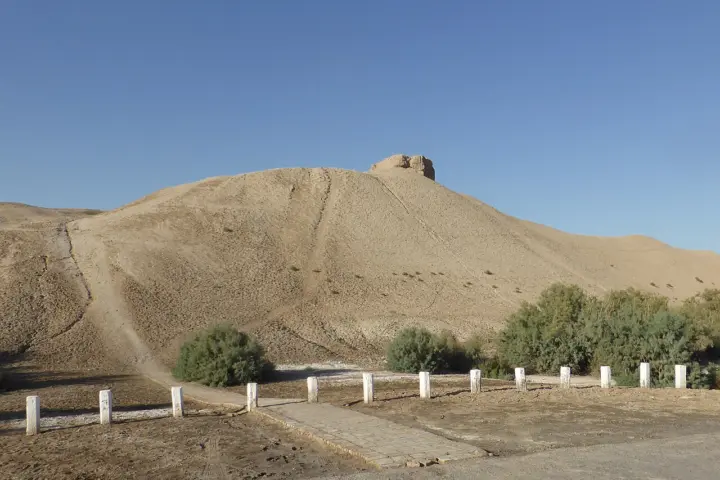
Erk Kala and Gyaur Kala
Discover the remains of massive ancient citadels overlooking the wider archaeological landscape of Merv.
Additional smaller historical sites within the park may also be visited upon request, depending on the available time.
Drive to Ashgabat
After completing the Merv programme, depart the Mary region and continue towards Ashgabat along the modern high-speed motorway.
The journey covers approximately 360 km and takes around 3.5–4 hours.
Evening in Ashgabat
Arrive in Ashgabat in the evening and enjoy a relaxed dinner at a local restaurant.
Overnight in Ashgabat
Stay overnight at a hotel in Ashgabat.
Overnight: Hotel in Ashgabat.
Day 2 – Full-Day Ashgabat City Tour
Breakfast
Enjoy breakfast at your hotel before beginning the day’s sightseeing programme.
Ashgabat City Highlights
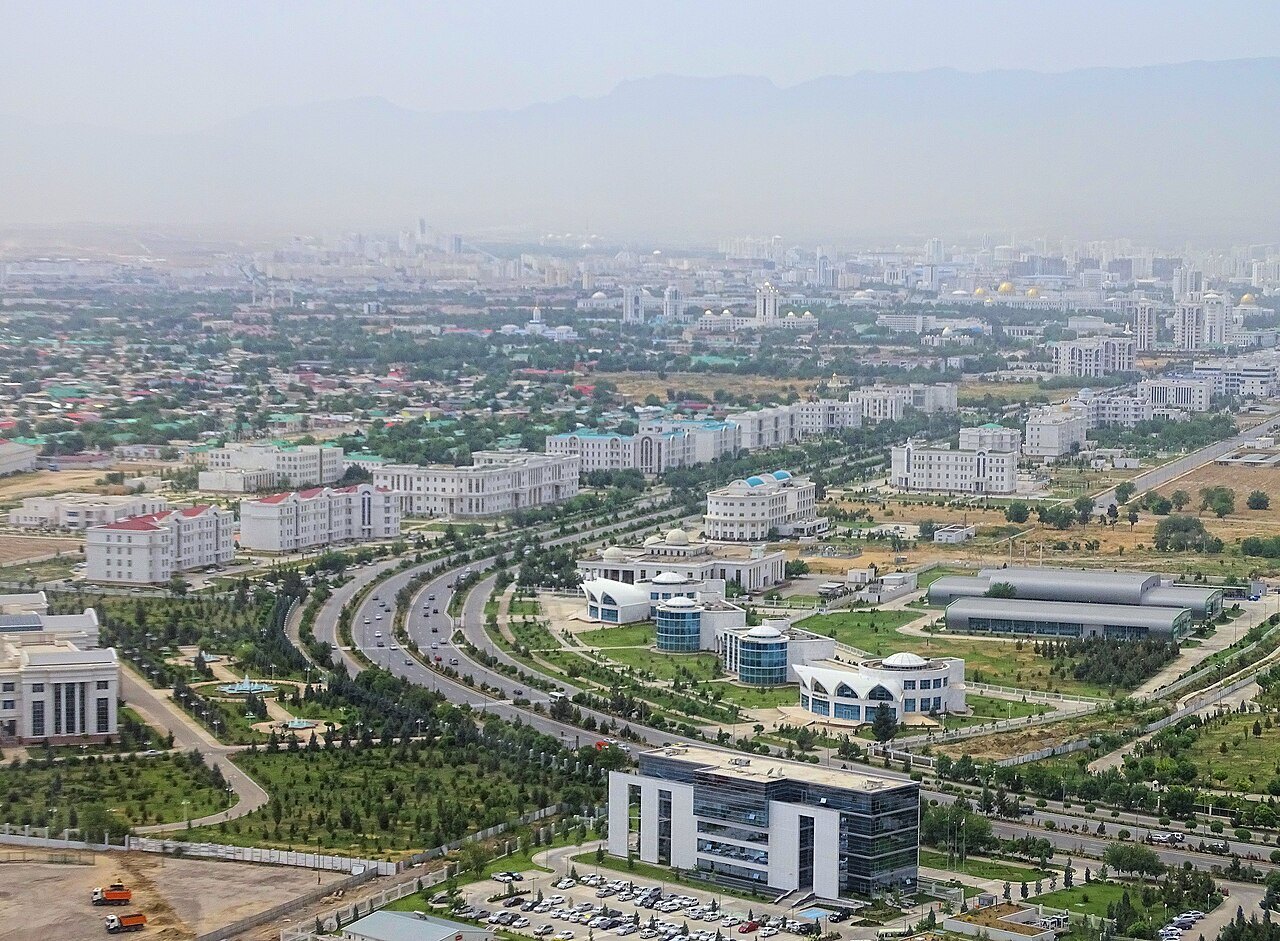
Explore Ashgabat, the capital of Turkmenistan and a city known for its distinctive white-marble architecture.
Your private guided programme is flexible and can be adapted to your interests and preferred pace.
The day can combine monumental architecture, cultural sites, local markets and locations connected with the broader history of Turkmenistan and the Silk Road.
Lunch and Leisure
Take a comfortable lunch break at a local restaurant during the city tour.
The programme is arranged with sufficient time between visits, allowing the day to remain relaxed rather than rushed.
Continue Exploring Ashgabat
After lunch, continue discovering the capital’s architectural landmarks, cultural sites and city atmosphere according to the agreed route with your guide.
Dinner
Enjoy dinner at a local restaurant and sample traditional Turkmen cuisine.
Overnight in Ashgabat
Return to your hotel for the second night in the capital.
Overnight: Hotel in Ashgabat.
Day 3 – Ashgabat and Departure to Iran or ASB Airport
Breakfast and Check-out
Enjoy breakfast at your hotel and complete check-out.
Morning Exploration
Continue exploring Ashgabat with your guide.
This morning programme is designed to cover remaining landmarks, cultural sites and architectural highlights according to your interests and departure schedule.
Lunch
Enjoy a relaxed lunch at a local restaurant before the final transfer.
Departure Options
When you book, let us know whether you will continue overland to Iran or fly out of Ashgabat. On the last day, your driver will take you to the agreed crossing or to the airport.
Option A – Howdan / Gaudan Border for Iran
Depart Ashgabat at approximately 14:30 and travel south through the Kopetdag Mountains towards the Howdan–Bajgiran Border.
The journey covers approximately 40 km and takes around 1 hour.
The timing is arranged to reach the border before the afternoon closure.
Upon arrival, our team will escort and assist you with Turkmen customs and departure immigration procedures in accordance with official border regulations.
Option B – Ashgabat International Airport
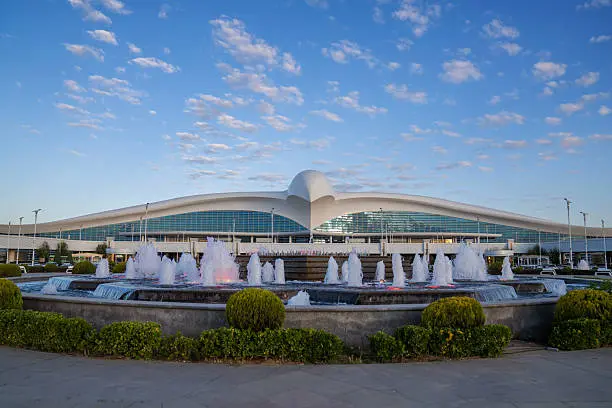
If your journey ends with an international flight, enjoy a private transfer to Ashgabat International Airport (ASB).
Departure from your hotel or restaurant will be arranged approximately 2–3 hours before your scheduled international flight to allow sufficient time for check-in and departure procedures.
End of Tour Services
Compare Routes and Plan Your Visit
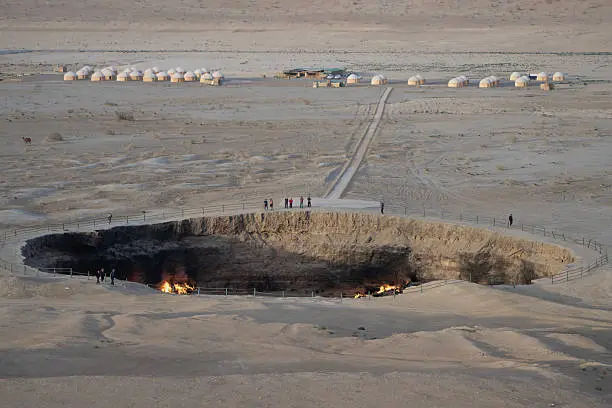
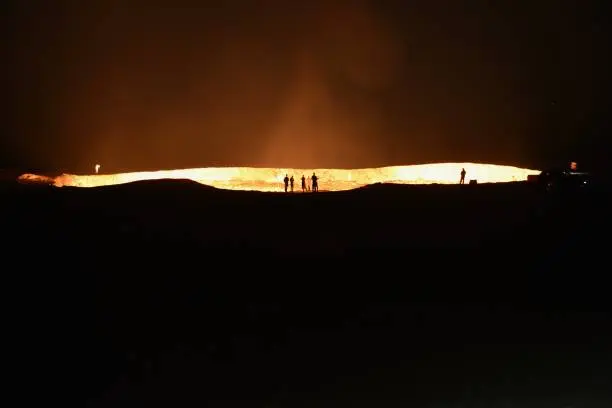
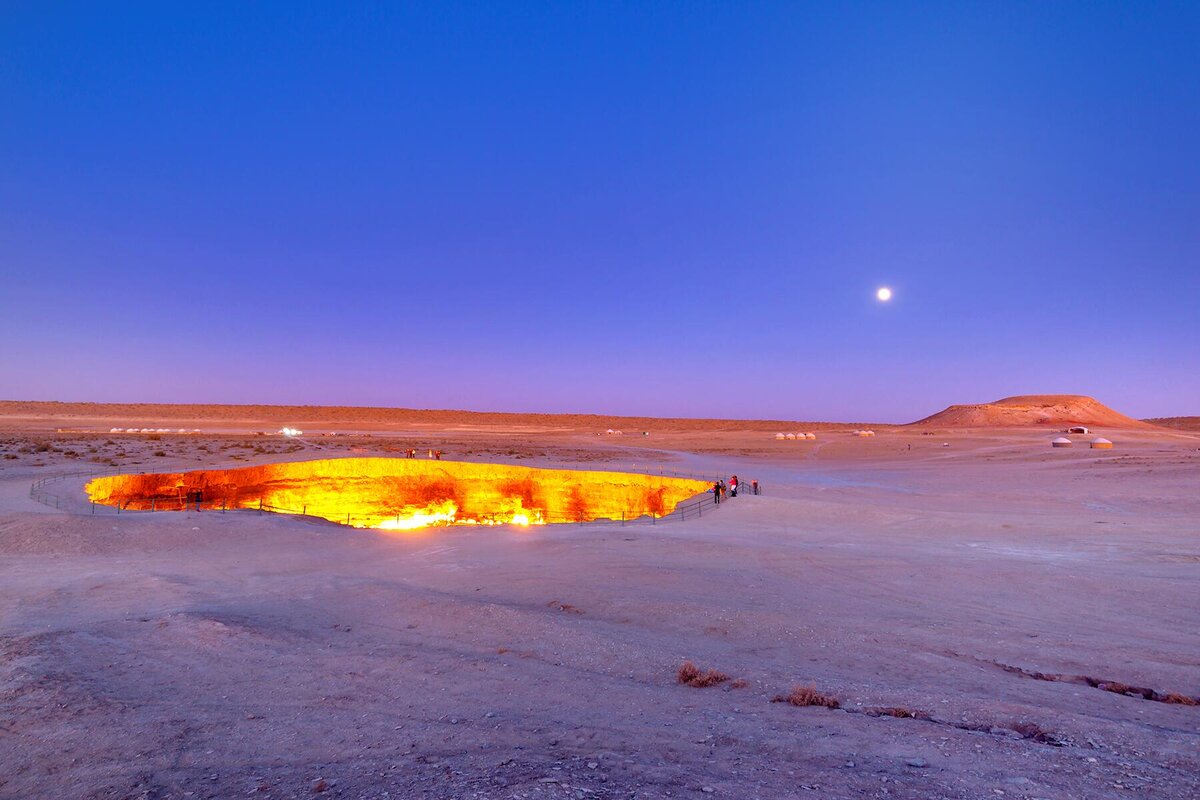
If you can allow more time, explore our 4-day Bukhara–Iran or Ashgabat tour via Merv and Darvaza.
You can also compare the route and stops with our 3-day Turkmenistan round trip from Bukhara.
Prepare for the archaeological sites with our Ancient Merv travel guide.