About This 5-Day Ashgabat to Khiva or Nukus Tour
This 5-day Turkmenistan transit tour from Ashgabat to Khiva or Nukus via Gonur Depe combines some of the country’s most important historical sites, desert landscapes and cultural experiences in one south-to-north overland journey.
Begin with a private exploration of Ashgabat before travelling east along the motorway to UNESCO-listed Ancient Merv. Discover the remains of one of the great cities of the Silk Road and experience traditional Turkmen culture at Turkmen Ojagy.
Visiting Turkmen Ojagy. Turkmen Ojagy welcomes groups of 4 or more. If you are travelling solo, you can book the same itinerary and spend the time set aside for this visit exploring the city instead.
The following day, venture off-road into the Karakum Desert to explore Gonur Depe, an important archaeological centre of the Bronze Age civilisation of Margiana. Return to Ashgabat before turning north into the desert.
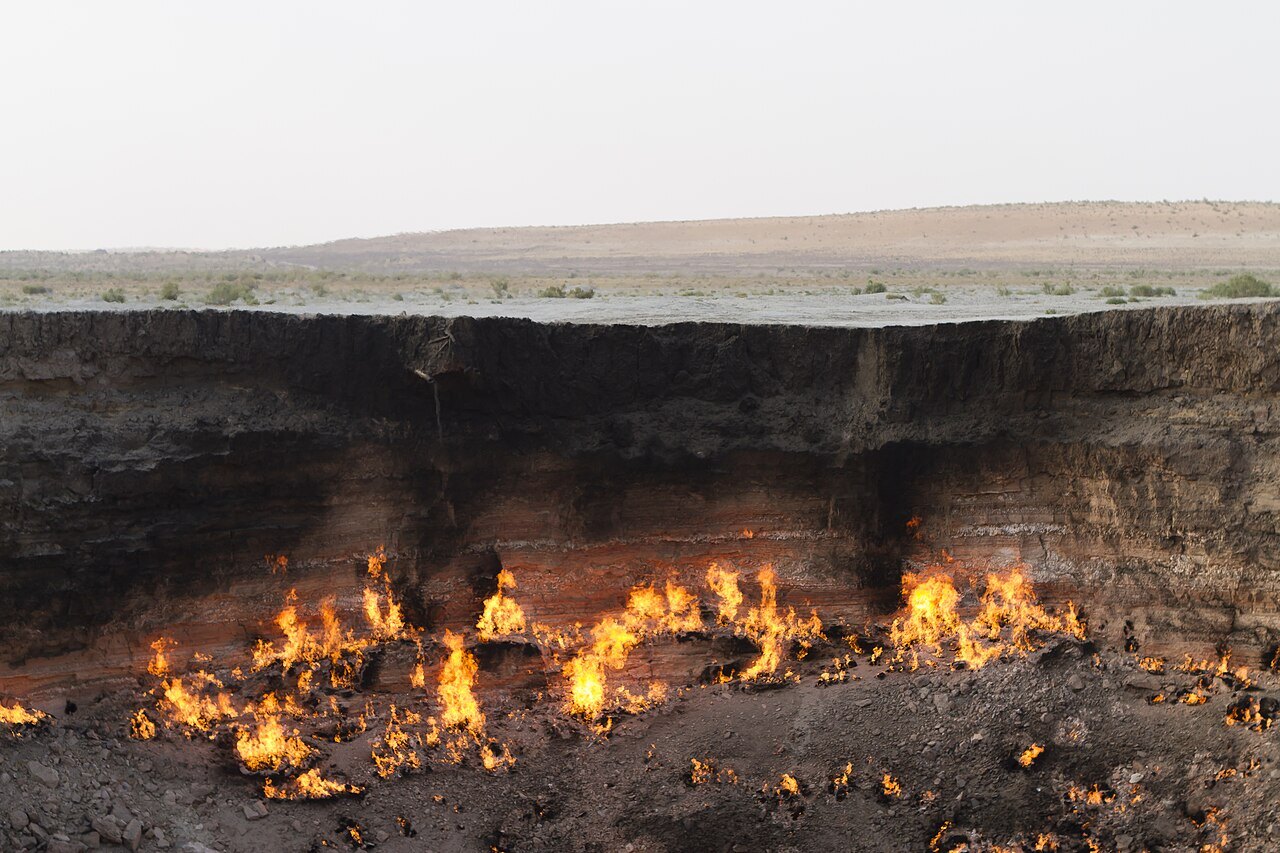
Spend an unforgettable evening beside the glowing Darvaza Gas Crater, with a traditional BBQ dinner and overnight stay in a Turkmen yurt or comfortable tent.
On the final day, continue north across the Karakum Desert to UNESCO-listed Kunya-Urgench. After exploring its medieval monuments, travel to the crossing agreed at booking: Shavat for Khiva or Urgench, or Hojaili for Nukus or Muynak.
This itinerary is ideal for travellers who want to connect Ashgabat with northern Uzbekistan while combining Ancient Merv, Gonur Depe, Darvaza and Kunya-Urgench in one comprehensive route.
Tour Route
Ashgabat International Airport (ASB) → Ashgabat → Ancient Merv → Turkmen Ojagy → Mary → Gonur Depe (Margush) → Bayramaly / Mary → Ashgabat → Water Crater → Mud Crater → Darvaza Gas Crater → Kunya-Urgench → Shavat Border (Khiva / Urgench) or Hojaili Border (Nukus / Muynak)
Tour Highlights
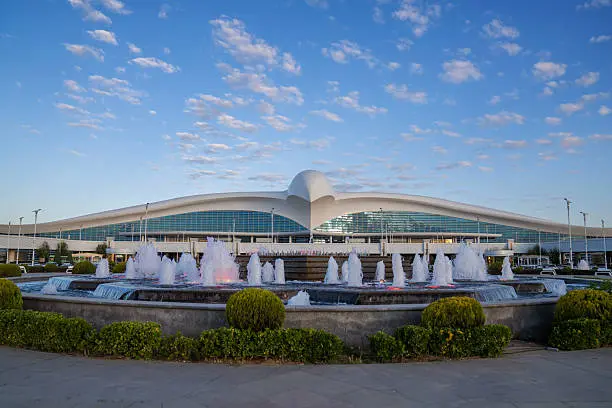
- Begin at Ashgabat International Airport
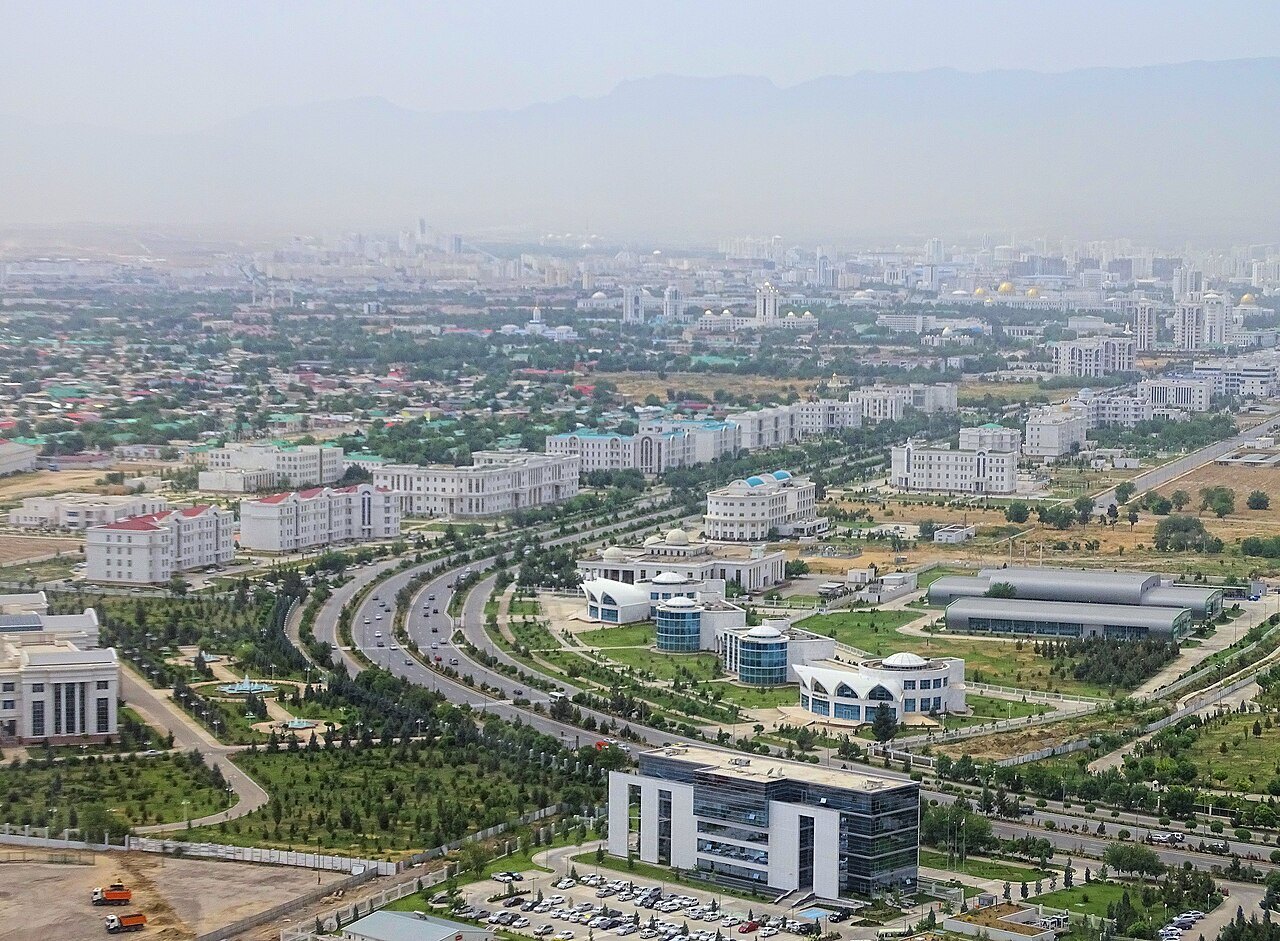
- Explore Ashgabat on a private, flexible city tour
- Travel along the Ashgabat–Mary motorway
- Discover UNESCO-listed Ancient Merv
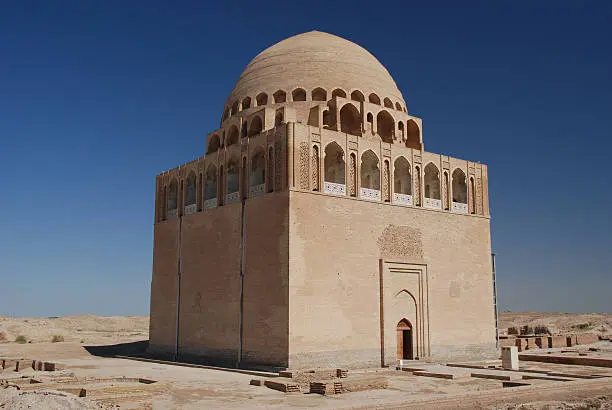
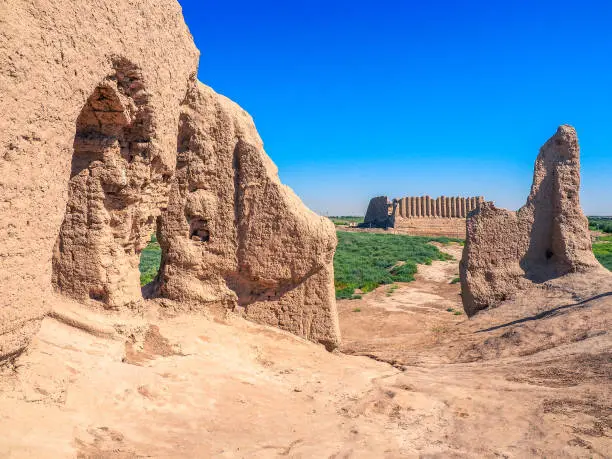
- Visit the Sultan Sanjar Mausoleum and Kyz Kala fortresses
- Experience traditional culture at Turkmen Ojagy
- Meet Turkmen Alabay dogs and Bactrian camels
- Try traditional Turkmen clothing
- Take part in traditional bread baking
- Explore Bronze Age Gonur Depe
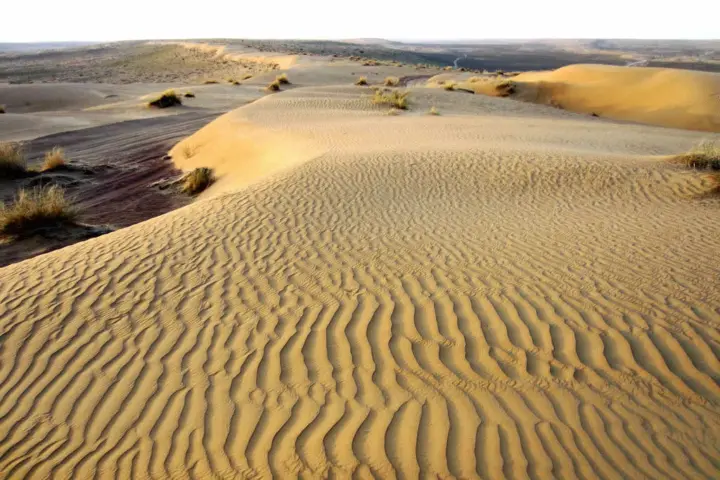
- Travel through the Karakum Desert
- Visit the Water and Mud craters
- Watch sunset at the Darvaza Gas Crater
- Enjoy a traditional BBQ dinner
- Stay overnight in a Turkmen yurt or comfortable tent
- Explore UNESCO-listed Kunya-Urgench
- Visit the Kutlug-Timur Minaret and Turabek-Khanum Mausoleum
- Choose between Shavat for Khiva / Urgench and Hojaili for Nukus / Muynak
Day 1 – Arrival and Ashgabat City Tour
Arrival at Ashgabat International Airport
Upon arrival at Ashgabat International Airport (ASB), complete customs and immigration formalities.
Our guide or driver will meet you in the arrivals area and recognise you using the photograph provided in advance.
Breakfast and Transfer
Transfer to a local restaurant for breakfast and time to freshen up after your flight.
Private Ashgabat City Tour
Begin your journey with a private and flexible exploration of Ashgabat, Turkmenistan’s distinctive white-marble capital.
Your guide can tailor the sightseeing programme to your pace and interests, combining monumental architecture, modern avenues, cultural sites and places connected with the history of Turkmenistan and the Silk Road.
Lunch and Dinner
The day includes comfortable breaks for a traditional lunch and a relaxed dinner at local restaurants, giving you an opportunity to sample Turkmen cuisine.
Overnight in Ashgabat
Stay overnight at a hotel in Ashgabat.
Overnight: Hotel in Ashgabat.
Day 2 – Ancient Merv and Turkmen Ojagy
Breakfast and Check-out
Enjoy breakfast at your hotel and check out.
Drive to the Mary Region
Depart Ashgabat along the modern high-speed motorway towards the Mary region.
The journey covers approximately 360 km and takes around 4 hours.
Ancient Merv Guided Tour
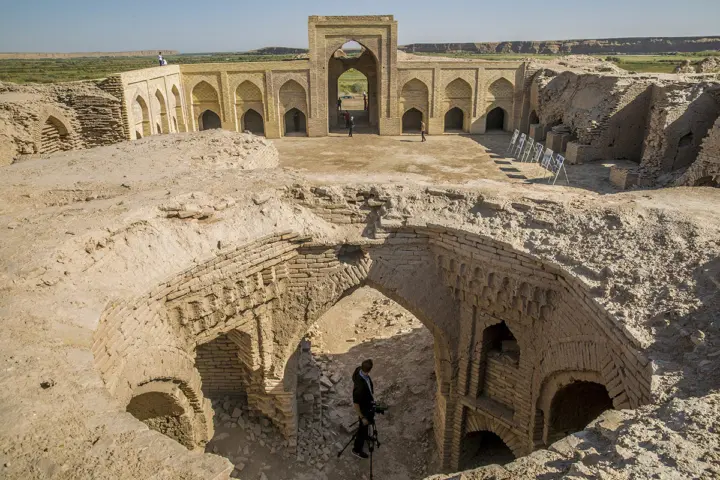
Explore Ancient Merv, a UNESCO World Heritage Site and one of the great historical centres of the Silk Road.
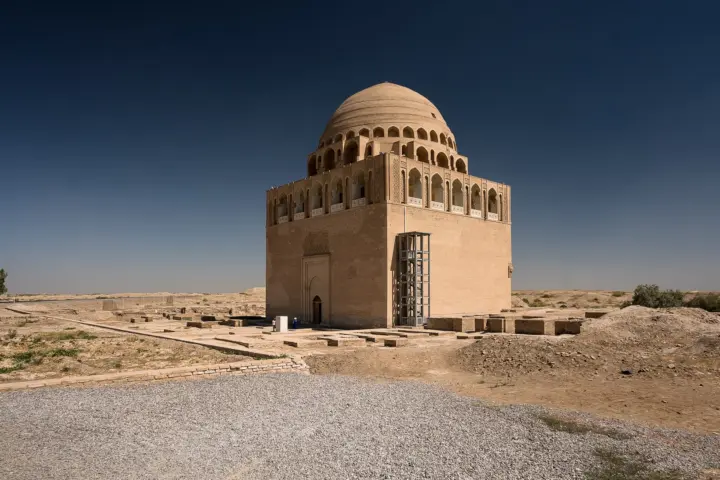
Mausoleum of Sultan Sanjar
Visit the monumental 12th-century Seljuk mausoleum, recognised for its impressive double-dome construction.
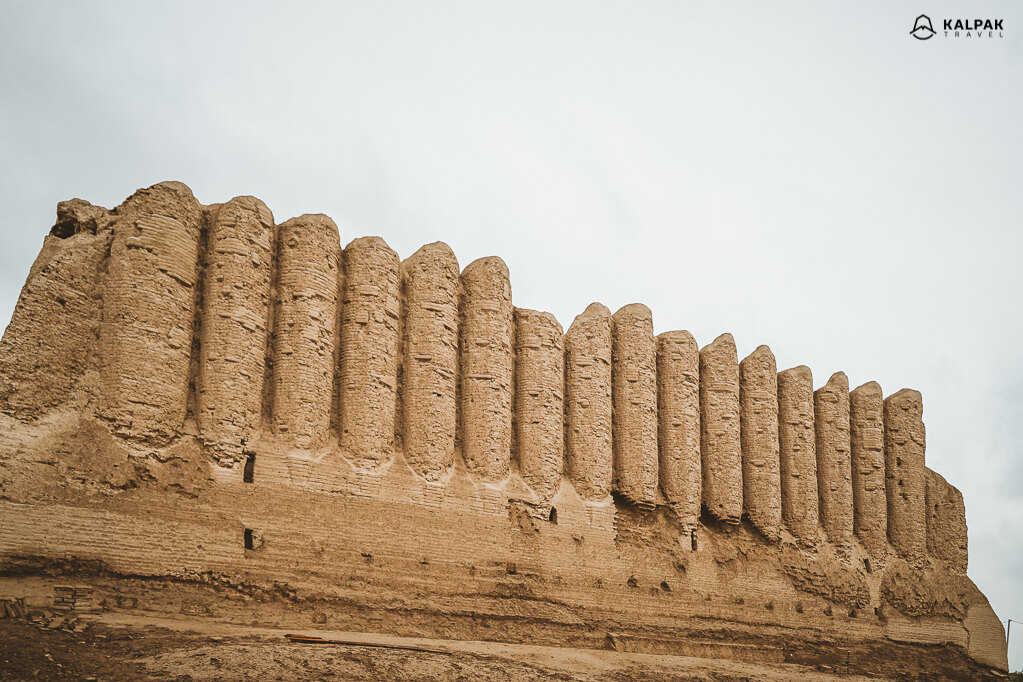
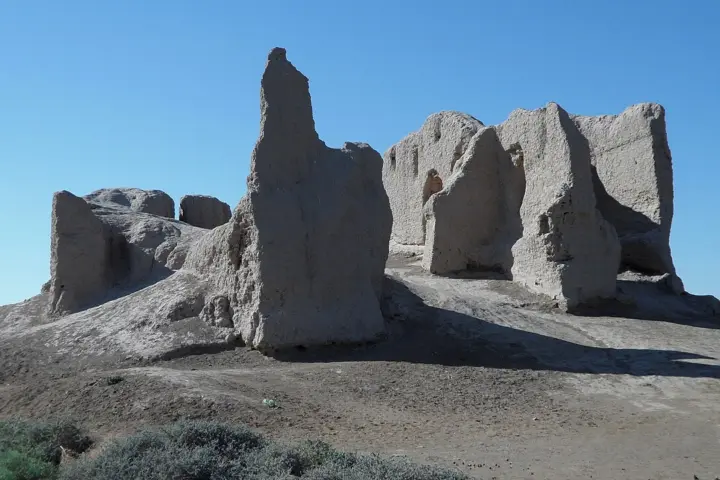
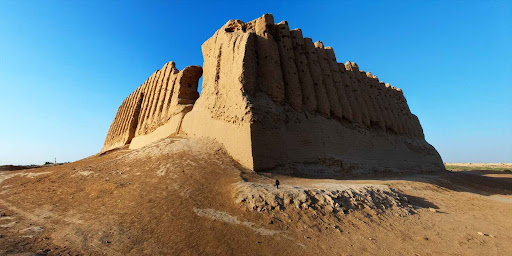
Greater and Lesser Kyz Kala
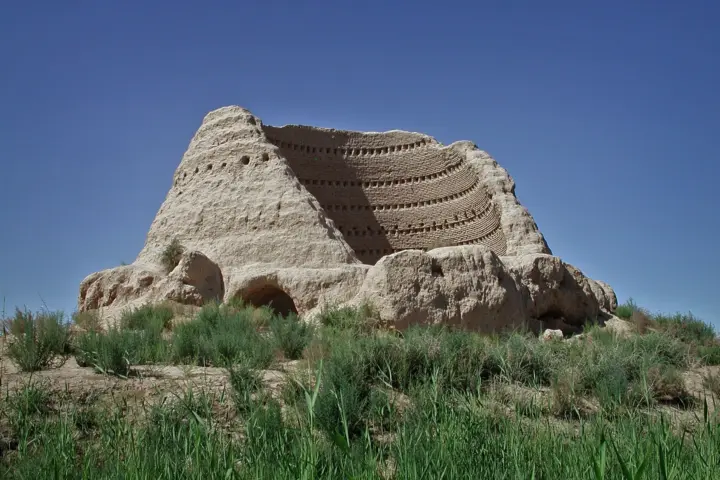
Explore the distinctive mud-brick fortresses with their characteristic corrugated walls, dating from approximately the 7th to 12th centuries.
Askhabs Mausoleums and Ancient Sardoba
Visit the sacred burial sites associated with the companions of the Prophet Muhammad and see the ancient desert water-storage system.
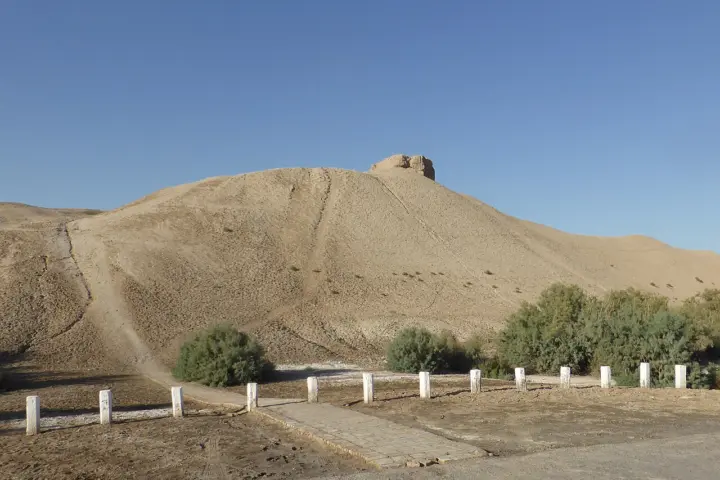
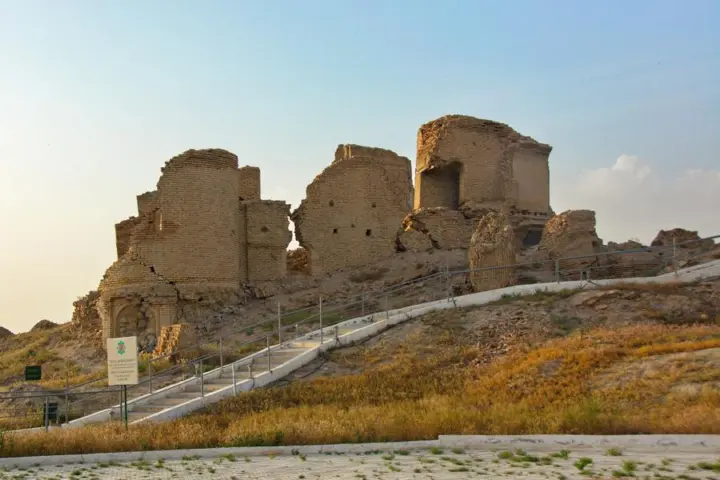
Erk Kala and Gyaur Kala
Explore the massive ancient citadels and enjoy panoramic views across the archaeological landscape.
Additional smaller historic sites within Ancient Merv can be visited upon request, depending on available time.
Turkmen Ojagy Ethnographic Experience
After the Merv tour, visit the nearby Turkmen Ojagy complex for a cultural experience and traditional lunch.
Alabay Dogs and Camels
Meet Turkmen Alabay dogs and take photographs with Bactrian camels.
Traditional Turkmen Clothing
Try authentic Turkmen clothing, including traditional telpek hats and silver-decorated garments, for photographs inside a yurt.
Bread-Baking Experience
Take part in a practical demonstration at a traditional tamdyr clay oven and learn how Turkmen chorek flatbread is prepared.
Dinner in Mary
Enjoy dinner at a local restaurant in Mary.
Overnight in Mary
Stay overnight at a hotel.
Overnight: Hotel in Mary.
Day 3 – Gonur Depe and Return to Ashgabat
Journey to Gonur Depe
After breakfast at the hotel, travel into the Karakum Desert towards Gonur Depe.
The off-road journey takes approximately 2 hours.
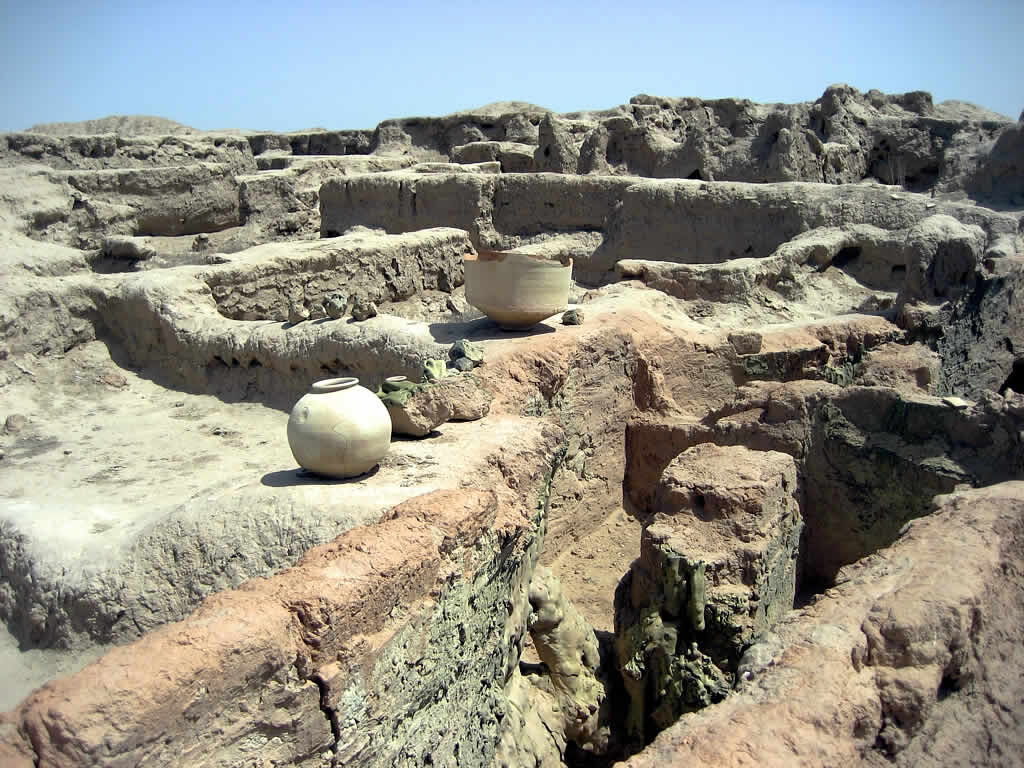
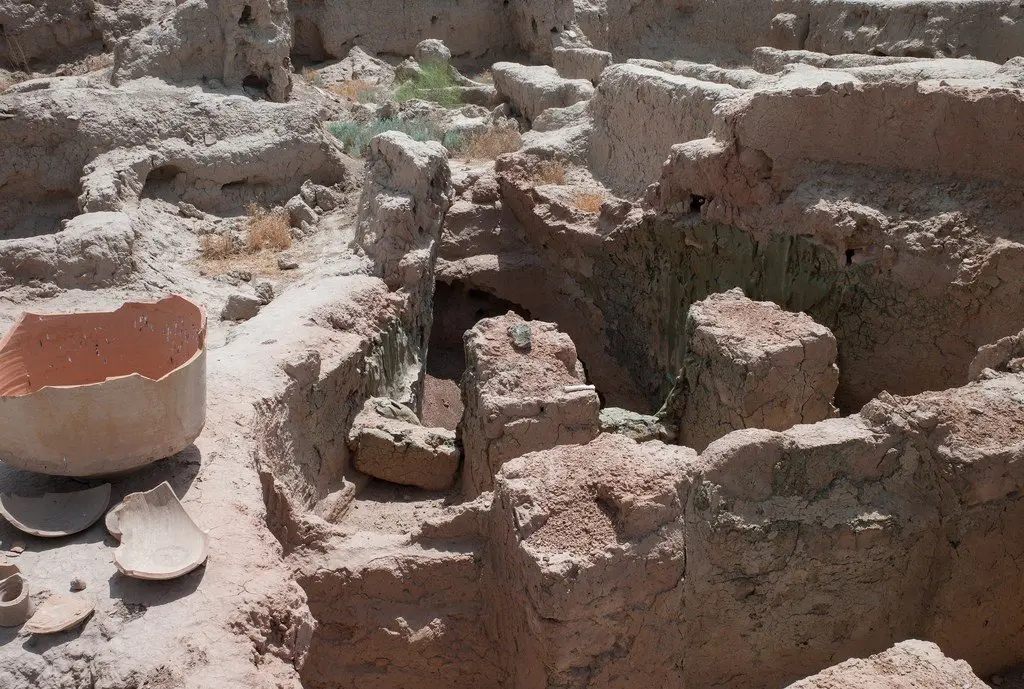
Gonur Depe was an important centre of the Bronze Age civilisation of Margiana, dating approximately from 2300–1600 BC.
Gonur Depe Archaeological Tour
Explore the excavated remains of this ancient settlement.
Walk through the remains of royal palaces, temple structures and burial sites, gaining an insight into one of Central Asia’s important Bronze Age civilisations.
Lunch in Bayramaly or Mary
On the return journey from the desert, stop in Bayramaly or Mary for a traditional local lunch.
Return to Ashgabat
Depart the Mary region and travel west along the modern high-speed motorway back to Ashgabat.
The journey covers approximately 360 km and takes around 3.5–4 hours.
Evening and Dinner
Arrive in Ashgabat in the evening and enjoy a relaxed dinner at a local restaurant.
Overnight in Ashgabat
Stay overnight at a hotel.
Overnight: Hotel in Ashgabat.
Day 4 – Ashgabat, Desert Craters and Darvaza Gas Crater
Breakfast and Check-out
Enjoy breakfast at your hotel in Ashgabat and check out.
Flexible Morning in Ashgabat
Spend the morning visiting any sights that were not covered on the first day.
You can also use the time to shop for traditional Turkmen handicrafts or purchase snacks and other supplies for the desert journey.
Lunch
Enjoy a traditional lunch at a local restaurant.
Drive into the Karakum Desert
In the afternoon, leave Ashgabat and travel north towards Darvaza.
The journey covers approximately 270 km and takes around 3.5 hours.
Please note that some sections of the road are rough and uneven, so parts of the drive may be bumpy.
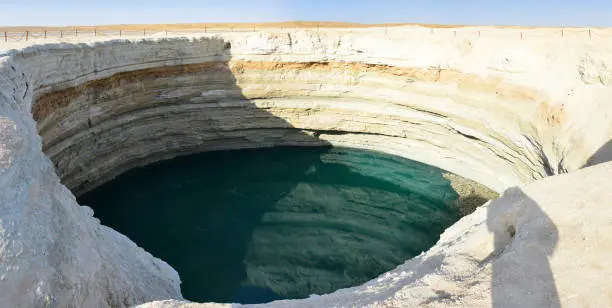
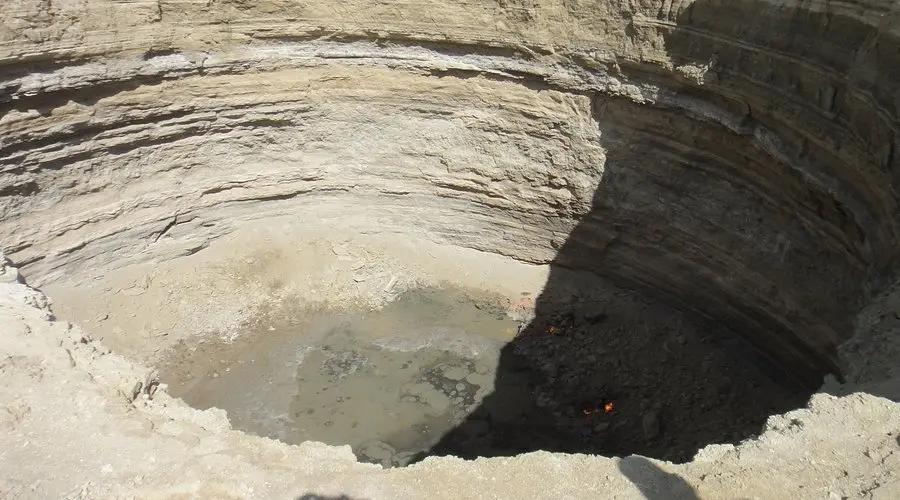
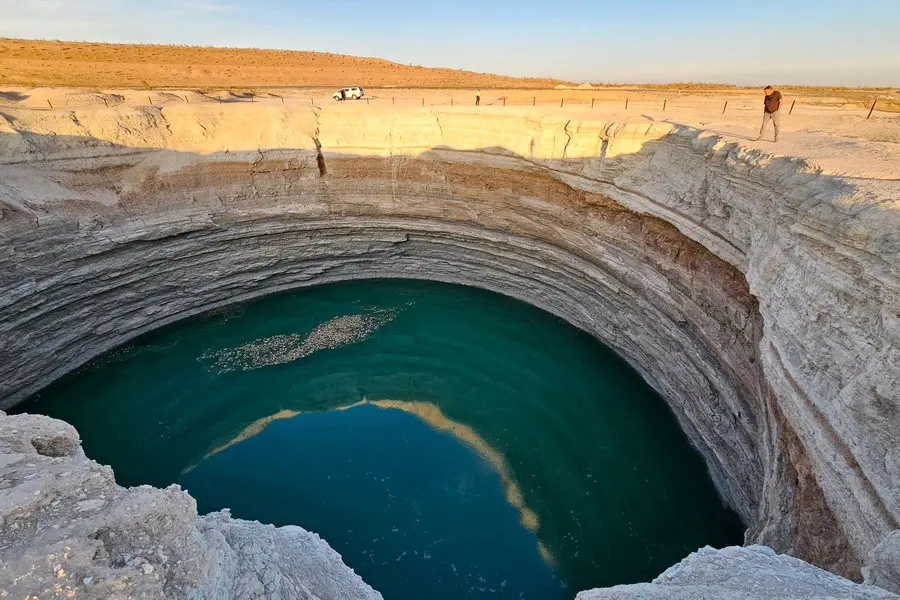
Water Crater and Mud Crater
On the way north, make short photo stops at the Water Crater and Mud Crater.
These unusual geological features reveal another side of the Karakum Desert landscape.
Darvaza Gas Crater
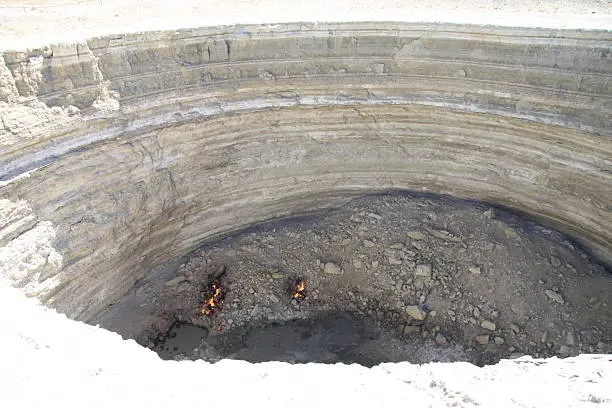
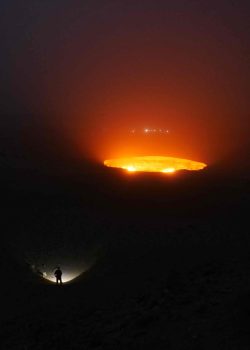
Arrive at the spectacular Darvaza Gas Crater towards sunset.
Watch the desert gradually darken as the glow of the burning crater becomes more intense.
BBQ Dinner and Desert Evening
Enjoy a traditional open-air BBQ dinner prepared by our team at the campsite.
After dark, spend time near the crater and enjoy opportunities for photography beneath the desert stars.
Overnight at Darvaza
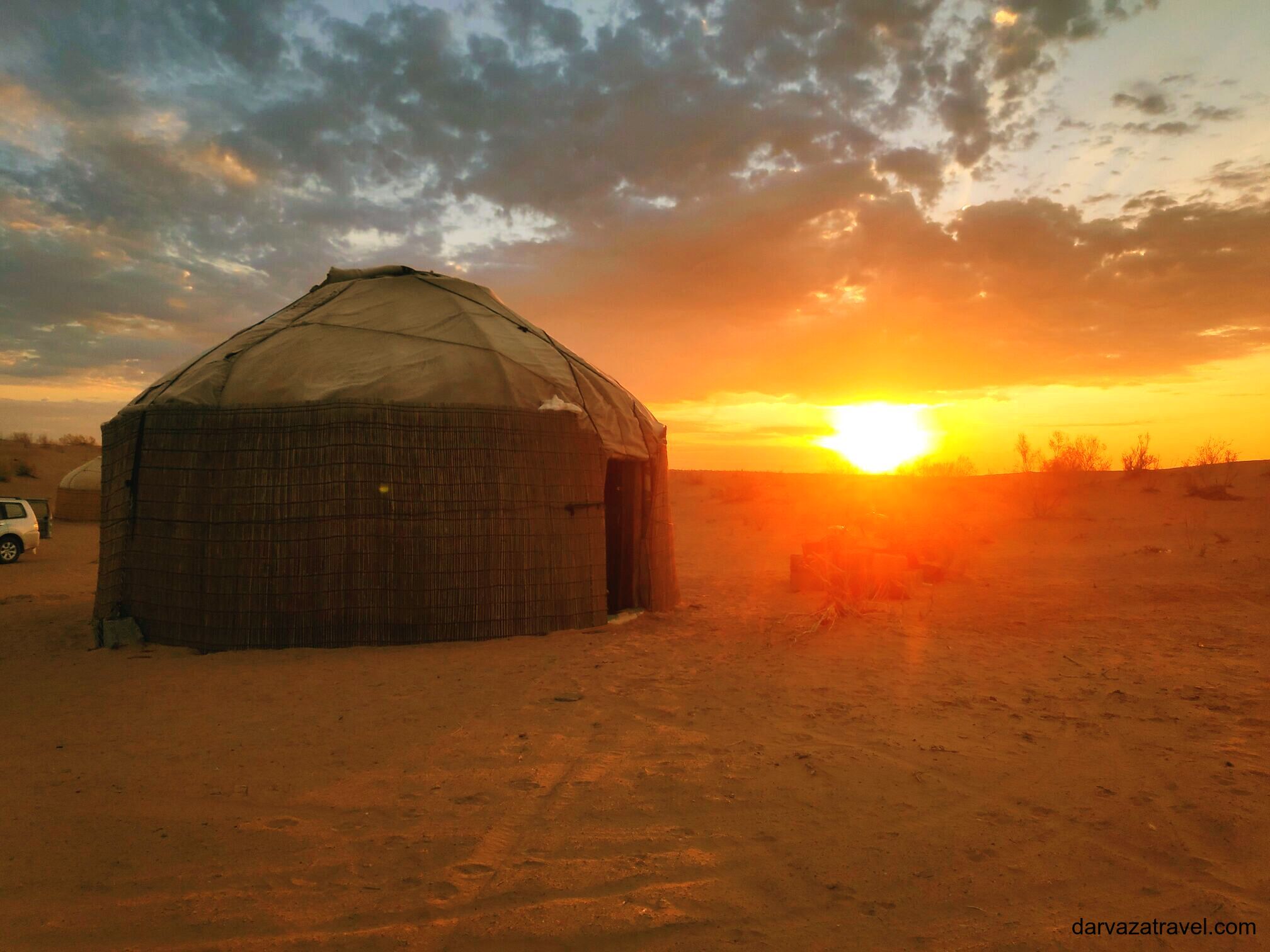
Stay overnight in a traditional Turkmen yurt or comfortable tent campsite near the crater.
Overnight: Darvaza campsite.
Day 5 – Darvaza, Kunya-Urgench and Uzbekistan Border
Optional Sunrise Experience
Travellers who wish to wake early can make an optional pre-dawn visit to the crater.
Experience the changing morning light and see the flames before sunrise over the Karakum Desert.
Breakfast and Drive to Kunya-Urgench
Enjoy breakfast at the camp before beginning the journey north towards Kunya-Urgench.
The road distance from Darvaza Gas Crater to Kunya-Urgench is approximately 275 km by the direct desert route or 395 km via Dashoguz. The route used and journey time depend on road and weather conditions.
Some sections of the road are rough and uneven, so the journey may be bumpy.
Kunya-Urgench Historical Tour
Explore Kunya-Urgench, a UNESCO World Heritage Site and an important centre of historic Khorezm.
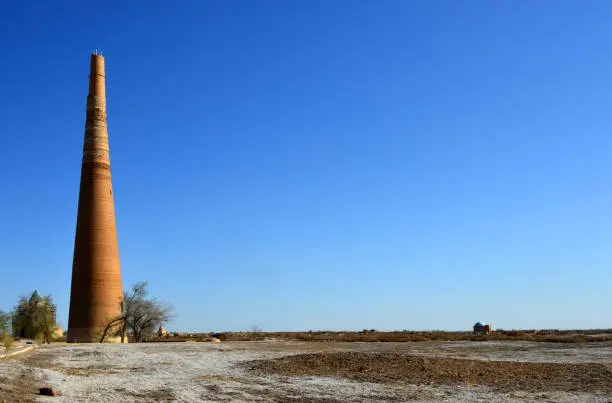
Kutlug-Timur Minaret
See one of the most impressive surviving medieval minarets in Central Asia.
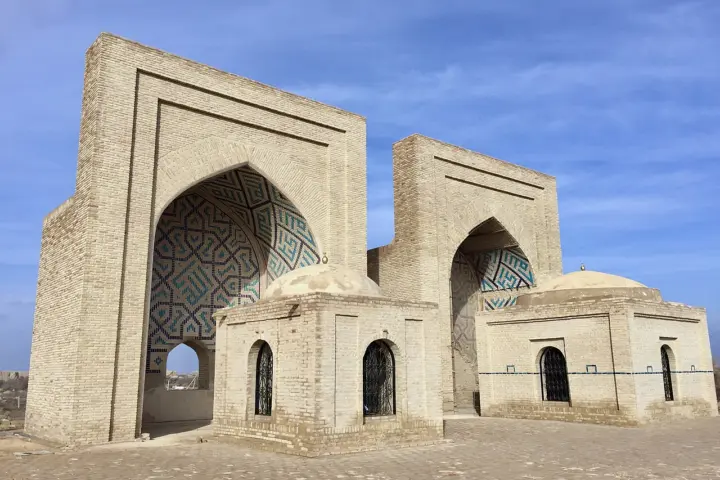
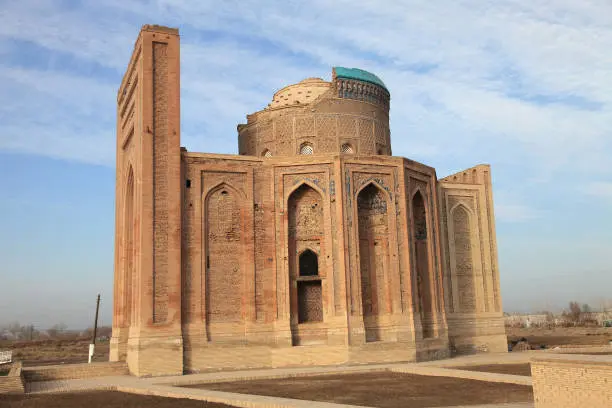
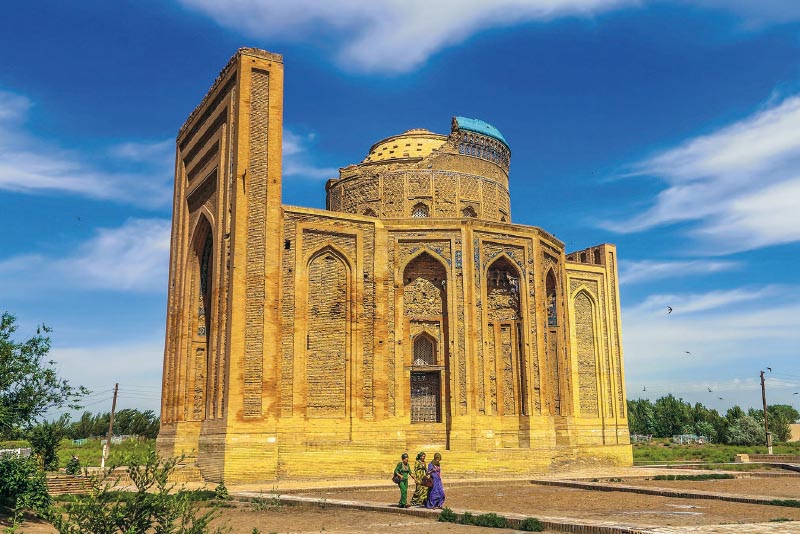
Turabek-Khanum Mausoleum
Visit the historic mausoleum known for its elaborate geometric ceiling decoration.
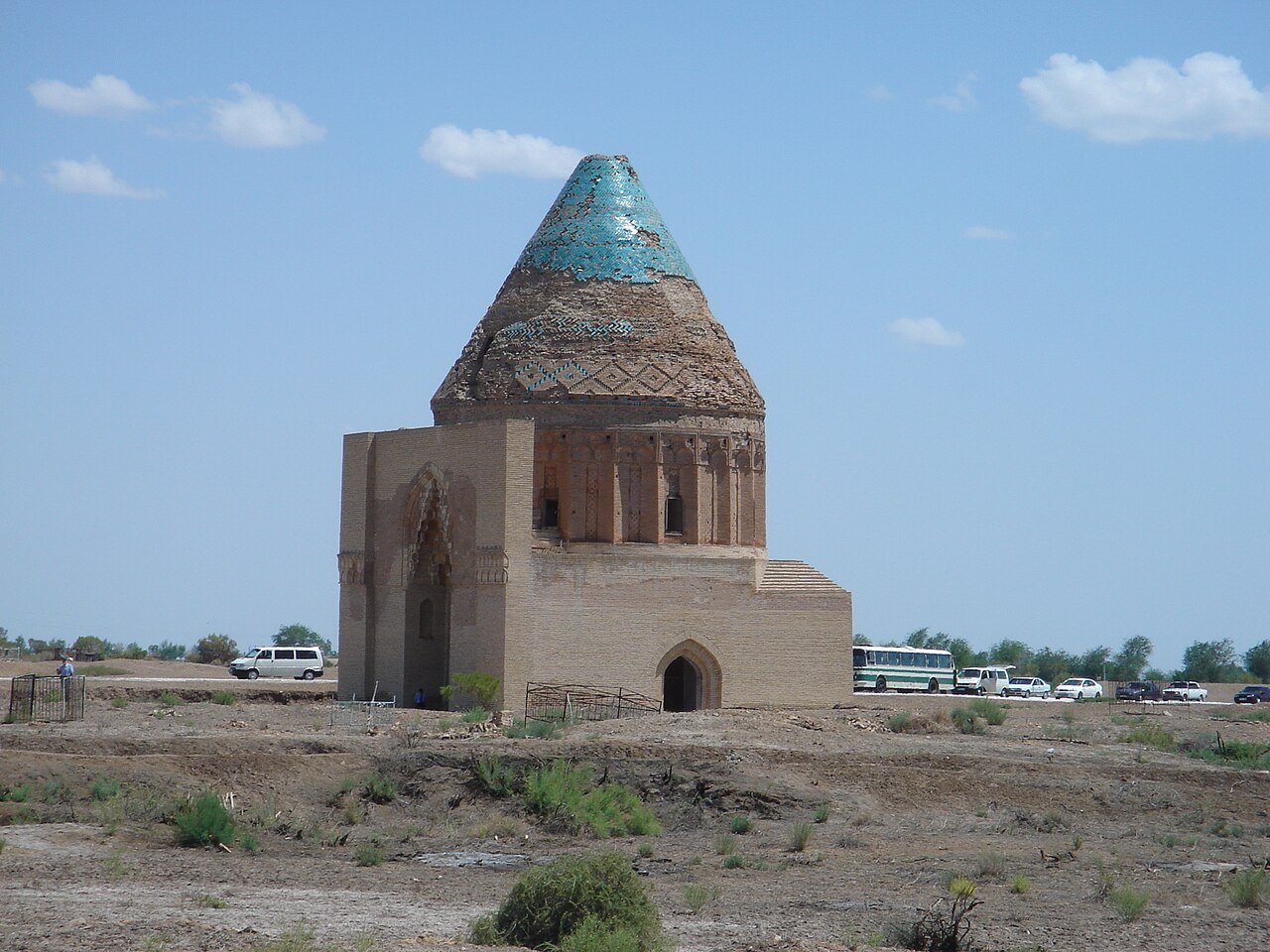
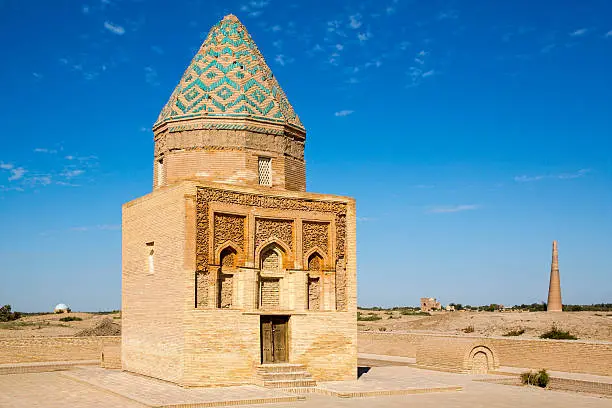
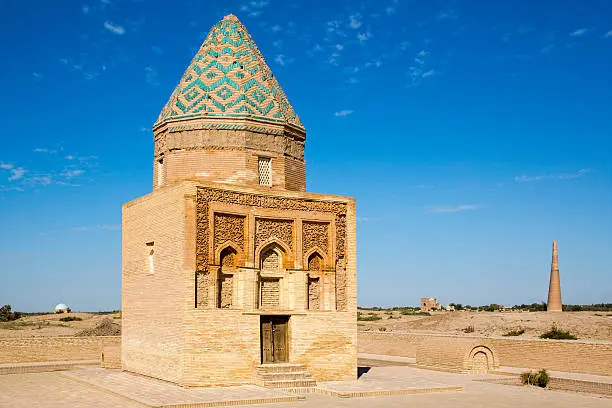
Mausoleums of Sultan Tekesh and Il-Arslan
Explore these important medieval monuments, distinguished by their characteristic conical domes.
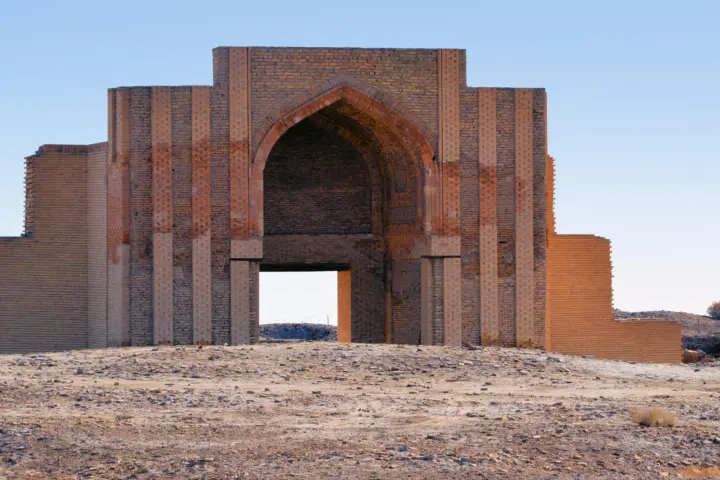
Caravanserai Gate
See a surviving reminder of Kunya-Urgench’s historic role on the Silk Road trade routes.
Lunch in Kunya-Urgench
Enjoy a traditional lunch at a local restaurant.
Border Transfer Options
Confirm your exit crossing with us when you book. On the last day, your driver will take you to that crossing.
Option A – Shavat Border for Khiva or Urgench
Travel south via Dashoguz towards the Shavat border crossing.
The journey covers approximately 130 km and takes around 2 hours.
This option is suitable for travellers continuing towards Khiva or Urgench.
Option B – Hojaili Border for Nukus or Muynak
Travel north to the nearby Hojaili–Kunya-Urgench border crossing.
The journey covers approximately 35 km and takes around 45 minutes.
This option is suitable for travellers continuing towards Nukus or Muynak.
Border Formalities and Exit
Upon arrival at your selected border terminal, our team will escort you and assist with Turkmen customs and departure immigration formalities in accordance with official border regulations.
After crossing into Uzbekistan, continue towards your chosen destination.
End of Tour Services
Compare Routes and Plan Your Visit
To include Yangykala Canyon, compare this route with the seven-day tour from Ashgabat to Khiva or Nukus.
If you have fewer days available, compare our 3-day Ashgabat–Khiva or Nukus tour via Darvaza.
You can also compare the route and stops with our 5-day Ashgabat–Bukhara tour with Gonur Depe.
Learn about the archaeology before your visit in our Gonur Depe and Margiana guide.