Route: Bukhara / Farap Border – Turkmenabat – Amul Fortress – Lebap Regional History Museum – Green Bazaar – Mary – Ancient Merv – Turkmen Ojagy – Farap Border / Bukhara
Tour Overview
This 2-day Ancient Merv and Turkmen Ojagy tour from Bukhara is a compact cultural and historical journey into eastern Turkmenistan, combining Silk Road heritage, local city life and an immersive ethnographic experience.
Enter Turkmenistan through the Farap Border and begin with a guided introduction to Turkmenabat, including the ancient Amul Fortress, the Lebap Regional History Museum and the lively Green Bazaar.
Continue to Mary for an overnight stay before exploring UNESCO-listed Ancient Merv, one of the most important archaeological sites along the historic Silk Road.
The second day also includes a visit to Turkmen Ojagy, where you can experience traditional Turkmen culture, meet Alabay dogs and Bactrian camels, try national clothing and take part in a traditional bread-baking demonstration.
After completing the programme, return to the Farap Border for your onward journey to Bukhara.
Day 1: Farap Border – Turkmenabat – Mary
09:00 AM – Meet at Farap Border
After crossing from Uzbekistan, complete passport, customs and migration formalities at the Farap Border.
Meet our local guide on the Turkmen side of the border terminal.
Our team will assist you with the necessary entry procedures before beginning the tour.
Transfer to Turkmenabat
Continue to nearby Turkmenabat, one of the main cities of eastern Turkmenistan.
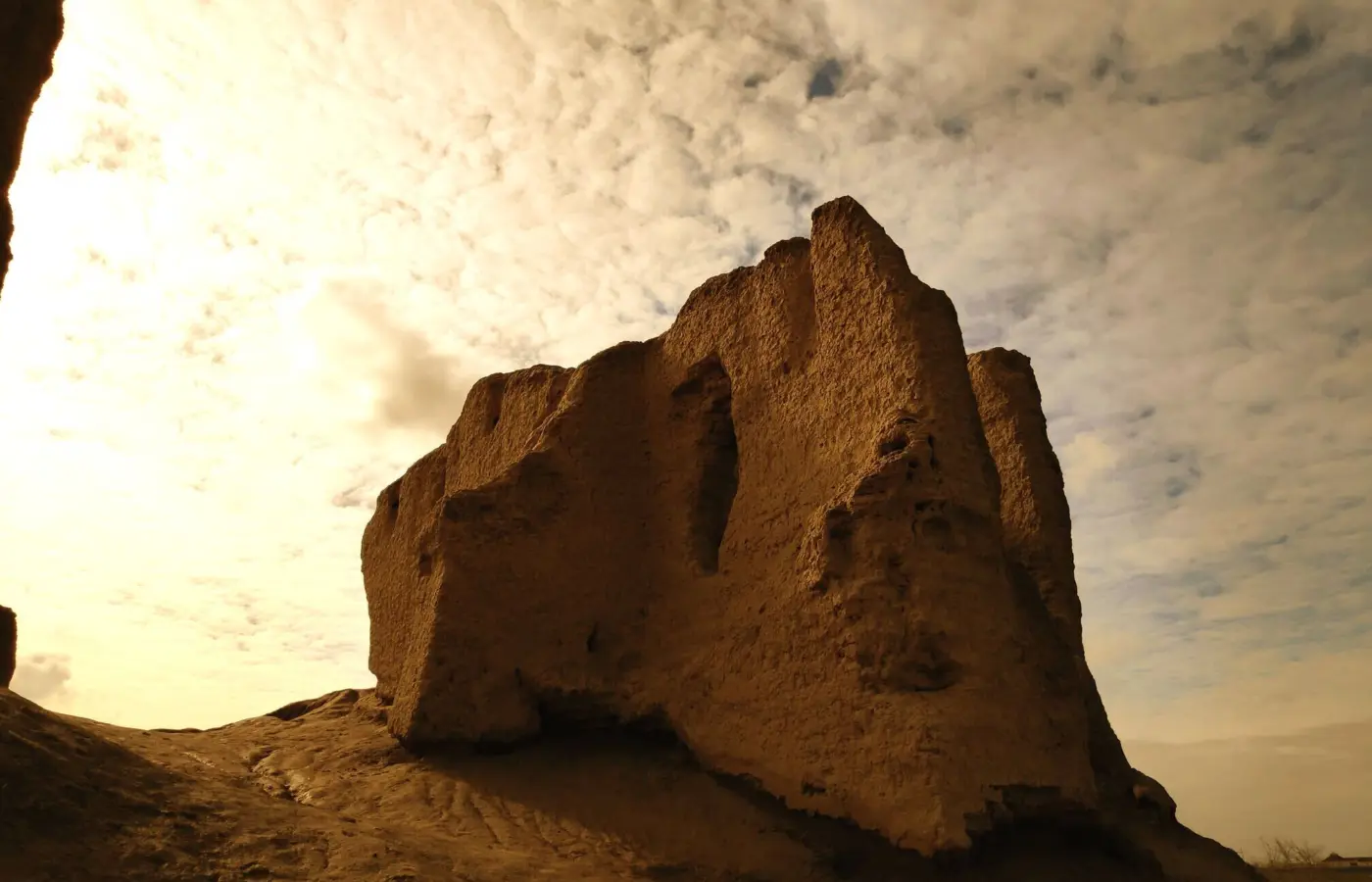
Amul Fortress
Begin the day with a visit to the historic Amul Fortress.
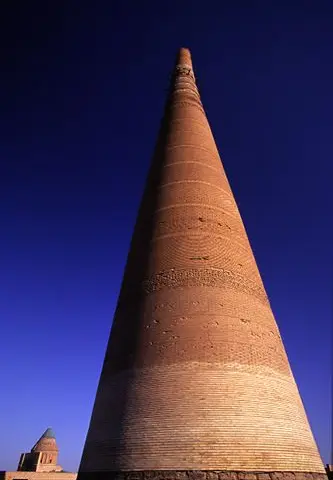
Explore the remains of this ancient settlement, once an important Silk Road trading centre connecting Merv, Bukhara and Khorezm.
Your guide will explain the role of Amul in regional trade and travel across Central Asia.
Lebap Regional History Museum
Continue to the Lebap Regional History Museum.
Discover archaeological artefacts, traditional Turkmen carpets, ethnographic displays and historical exhibits connected with the cultural heritage of the Lebap region.
Traditional Lunch
Enjoy lunch at a local restaurant or chaikhana in Turkmenabat.
Sample regional Turkmen dishes and take a short break before continuing the programme.
Green Bazaar
Visit the lively Green Bazaar and experience the everyday atmosphere of Turkmenabat.
Browse fresh produce, local products, spices and seasonal goods while observing daily market life.
Drive to Mary
In the late afternoon, leave Turkmenabat and travel towards Mary along the modern highway.
Enjoy a comfortable journey across eastern Turkmenistan before arriving in Mary.
Overnight: Hotel in Mary.
Day 2: Ancient Merv – Turkmen Ojagy – Farap Border
Breakfast and Check-Out
Enjoy breakfast at the hotel and complete check-out.
Ancient Merv Guided Tour
Begin a full guided exploration of Ancient Merv, a UNESCO World Heritage Site and one of the greatest historic cities of the Silk Road.
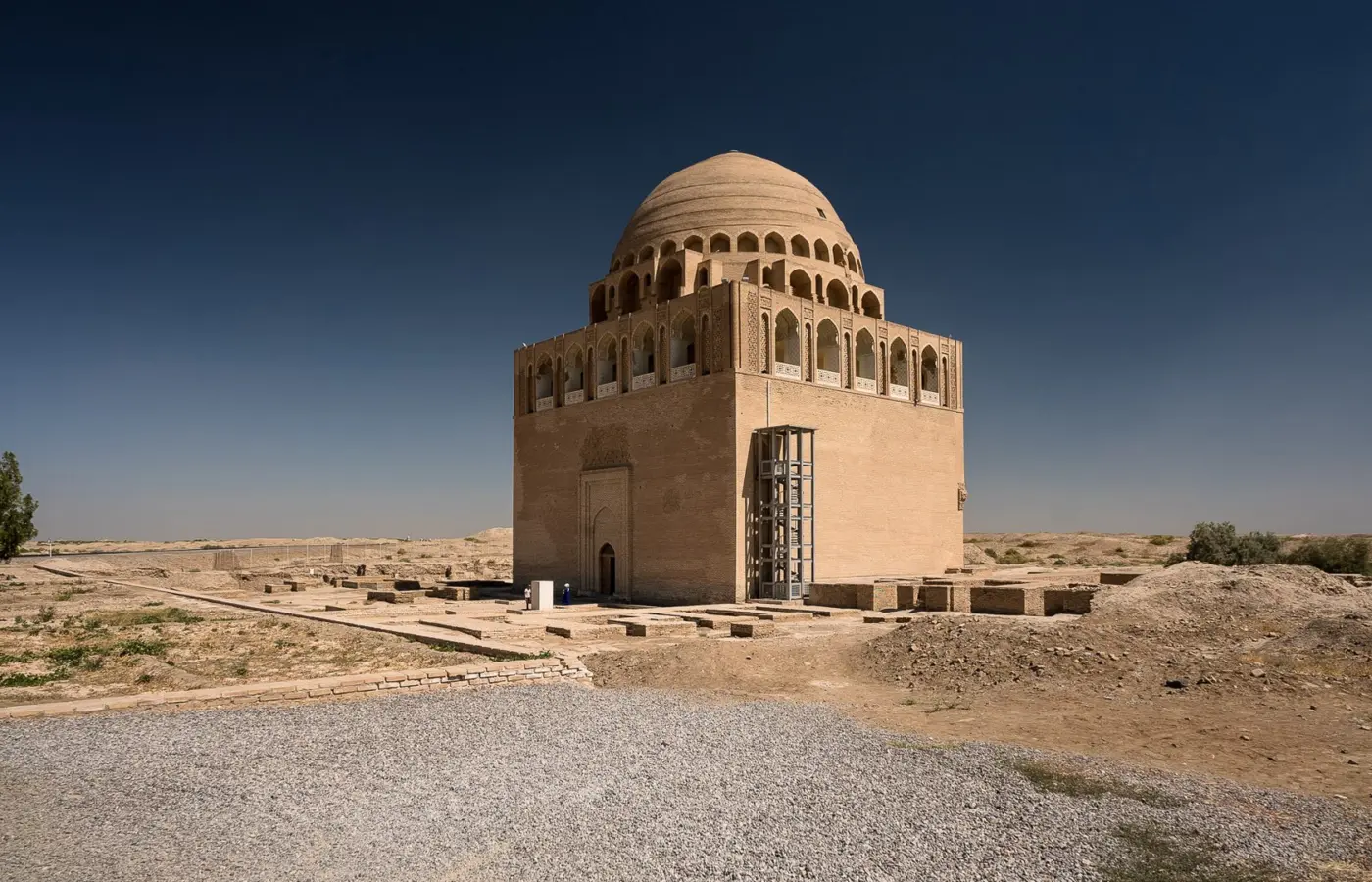
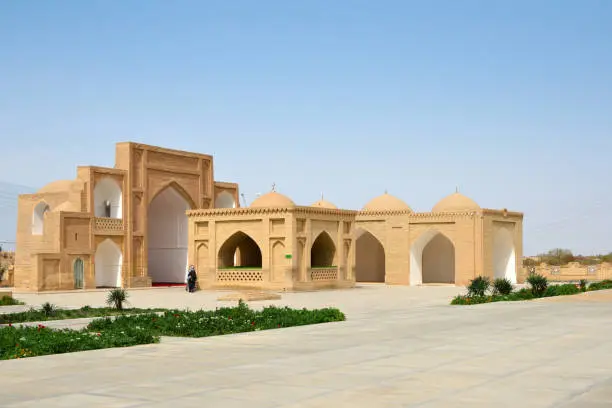
Mausoleum of Sultan Sanjar
Visit the monumental Mausoleum of Sultan Sanjar, a masterpiece of 12th-century Seljuk architecture.
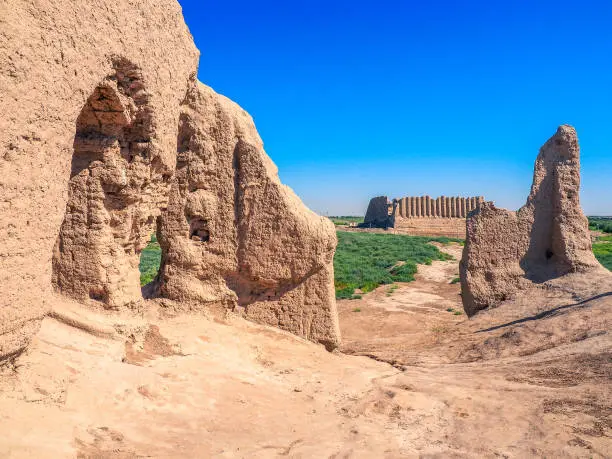
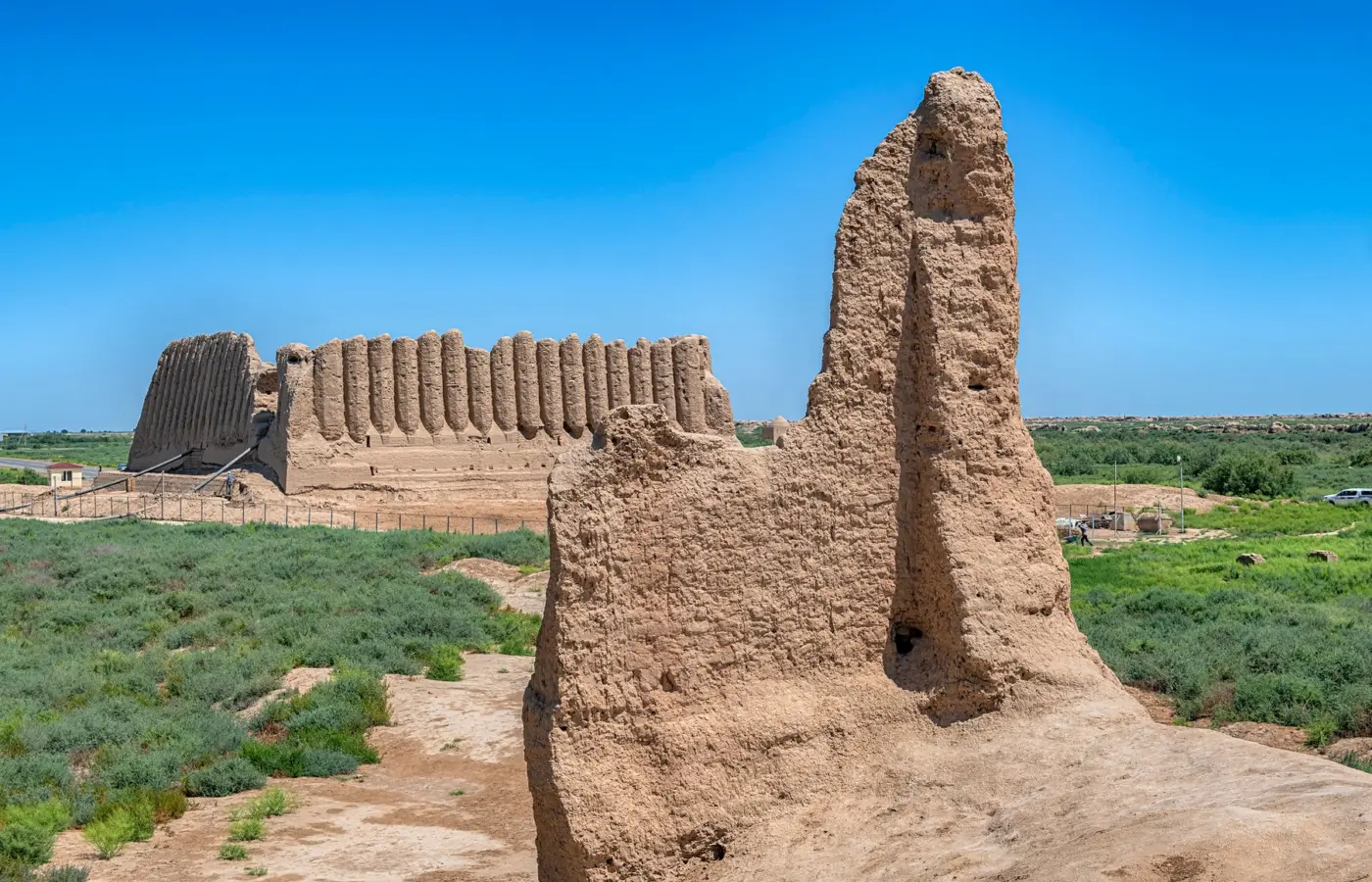
Greater and Lesser Kyz Kala
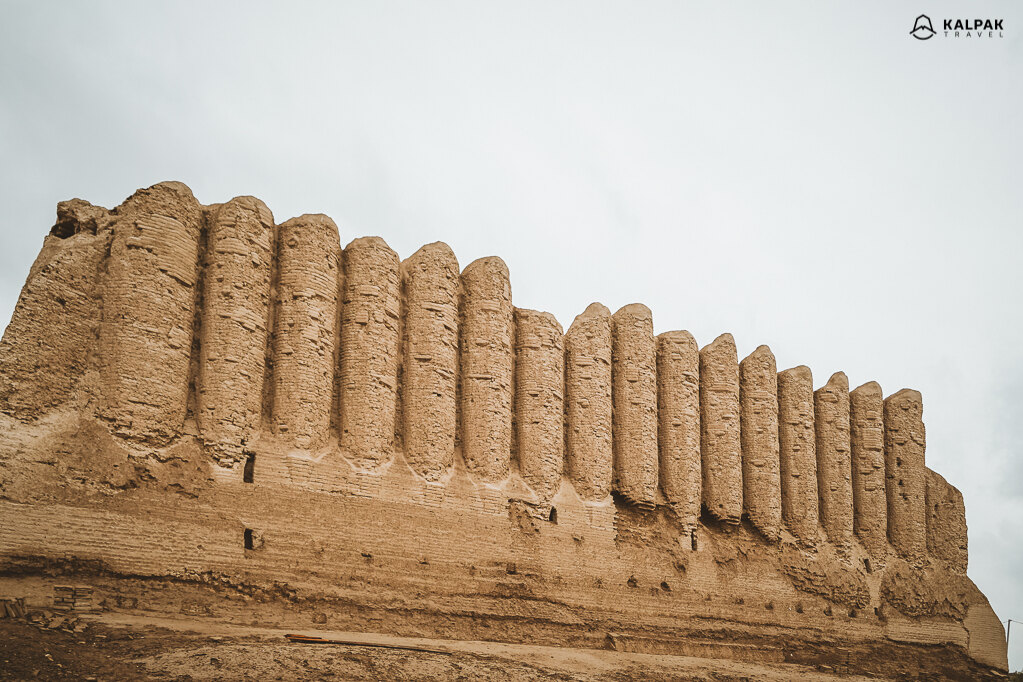
Explore the distinctive Greater Kyz Kala and Lesser Kyz Kala, famous for their corrugated mud-brick walls.
Askhabs Mausoleums
Visit the sacred Askhabs Mausoleums, associated with the companions of the Prophet Muhammad.
Ancient Hammam and Sardoba
See the remains of medieval public baths and the historic Sardoba, an ingenious desert water-storage system.
Erk Kala and Gyaur Kala
Explore the ancient settlements of Erk Kala and Gyaur Kala and enjoy panoramic views across the archaeological landscape.
Turkmen Ojagy Ethnographic Experience
Continue to the Turkmen Ojagy ethnographic complex for a traditional lunch and cultural programme.
Alabay Dogs and Bactrian Camels
Meet Turkmenistan’s famous Alabay dogs and see the hardy Bactrian camels traditionally associated with desert life.
Traditional Turkmen Clothing
Try on traditional Turkmen garments, including the distinctive Telpek sheepskin hat and decorative national clothing.
This is also an excellent opportunity for memorable photographs.
Chorek Bread-Baking Experience
Learn about the traditional preparation of Chorek, Turkmen flatbread baked in a clay Tamdyr oven.
Take part in a practical demonstration and discover one of the country’s long-standing culinary traditions.
Return to Farap Border
After completing the cultural programme, leave the Merv region and travel back towards the Farap Border.
The journey takes approximately 4.5 hours.
Border Assistance and Departure
Upon arrival at the border terminal, our team will assist you with Turkmen customs and departure immigration procedures.
After crossing into Uzbekistan, continue your journey towards Bukhara.
End of Tour Services.