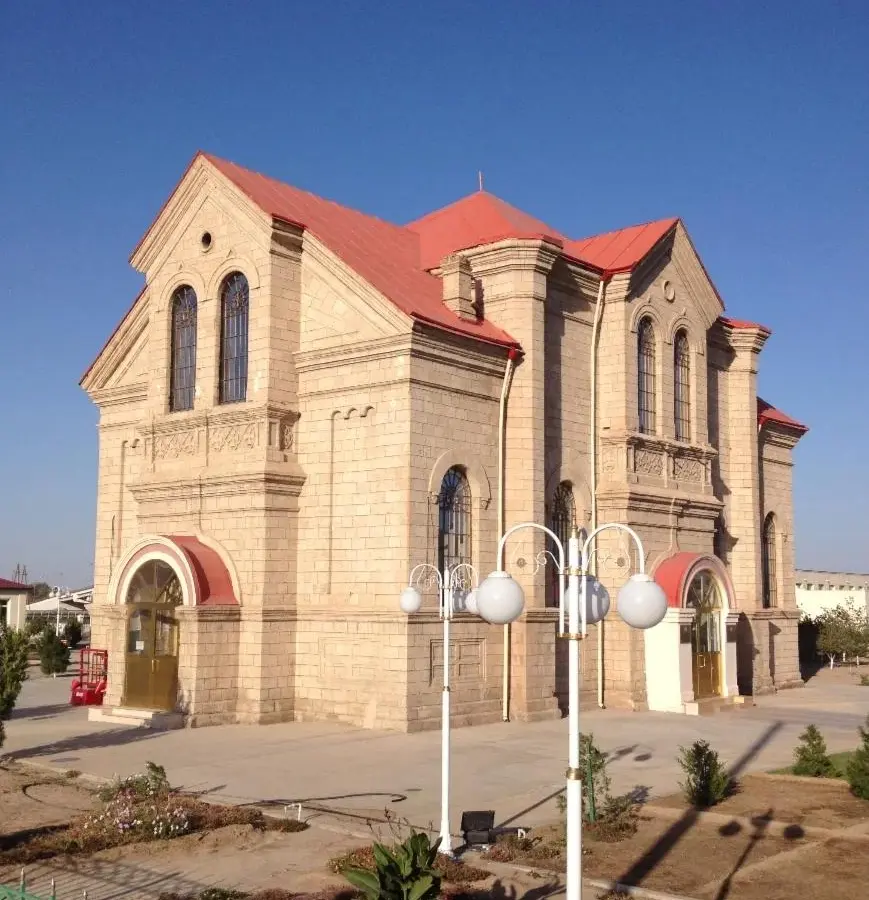
About This 7-Day Khiva to Bukhara Tour via Turkmenistan
This 7-day Turkmenistan transit tour from Khiva to Bukhara is a comprehensive overland journey combining the country’s most impressive desert landscapes, historic cities, remote archaeological sites and traditional mountain culture.
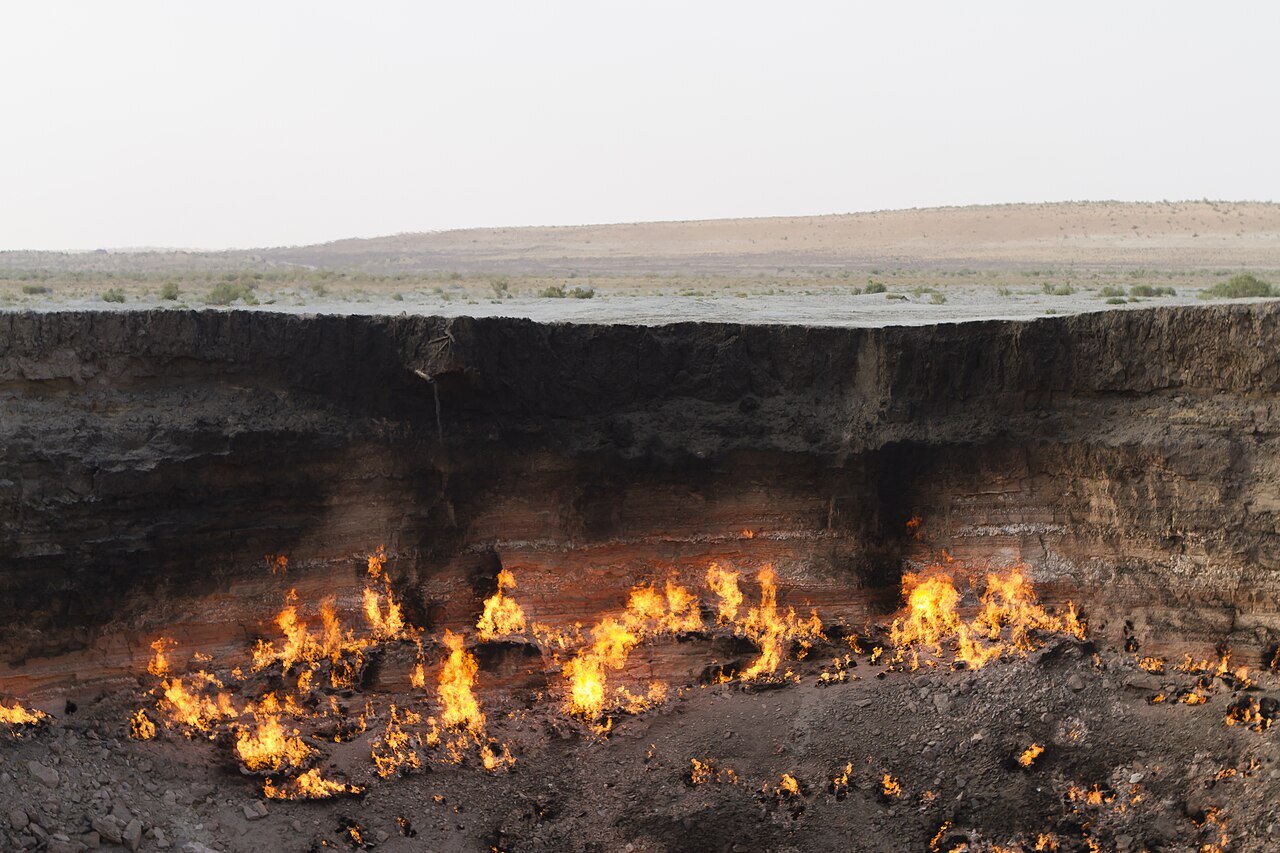
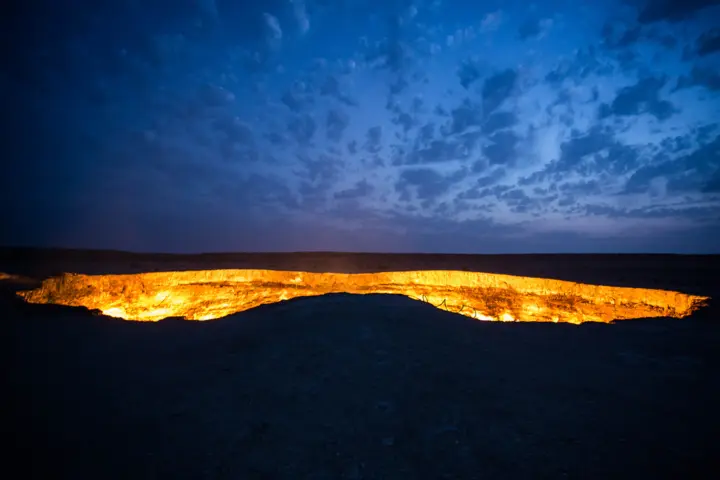
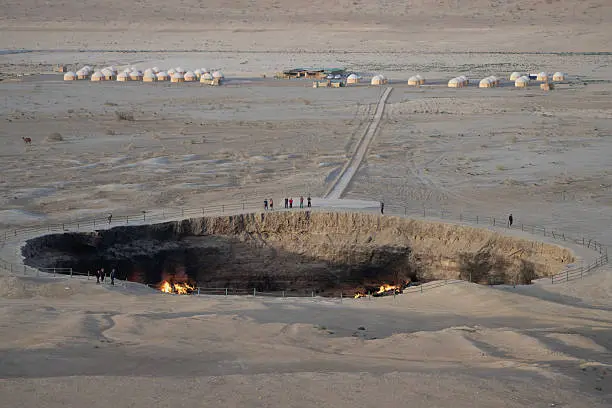
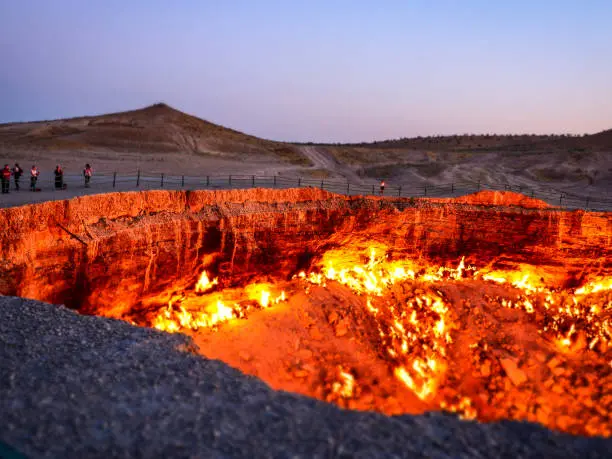
Enter Turkmenistan through the Shavat border near Khiva and cross the Karakum Desert to spend your first night beside the glowing Darvaza Gas Crater.
Continue to Ashgabat for a guided exploration of the capital before boarding an overnight train to the Caspian coast. From Turkmenbashi, travel into western Turkmenistan to experience the dramatic landscapes of Yangykala Canyon.
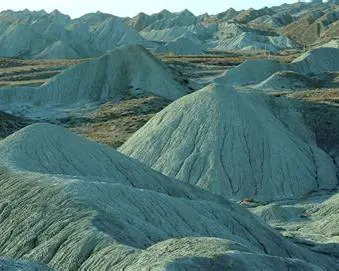
The route then continues deep into the western desert to the remote ruins of Ancient Dehistan and the sacred Mashat Necropolis, followed by a journey through the unusual clay landscapes of the Moon Mountains.
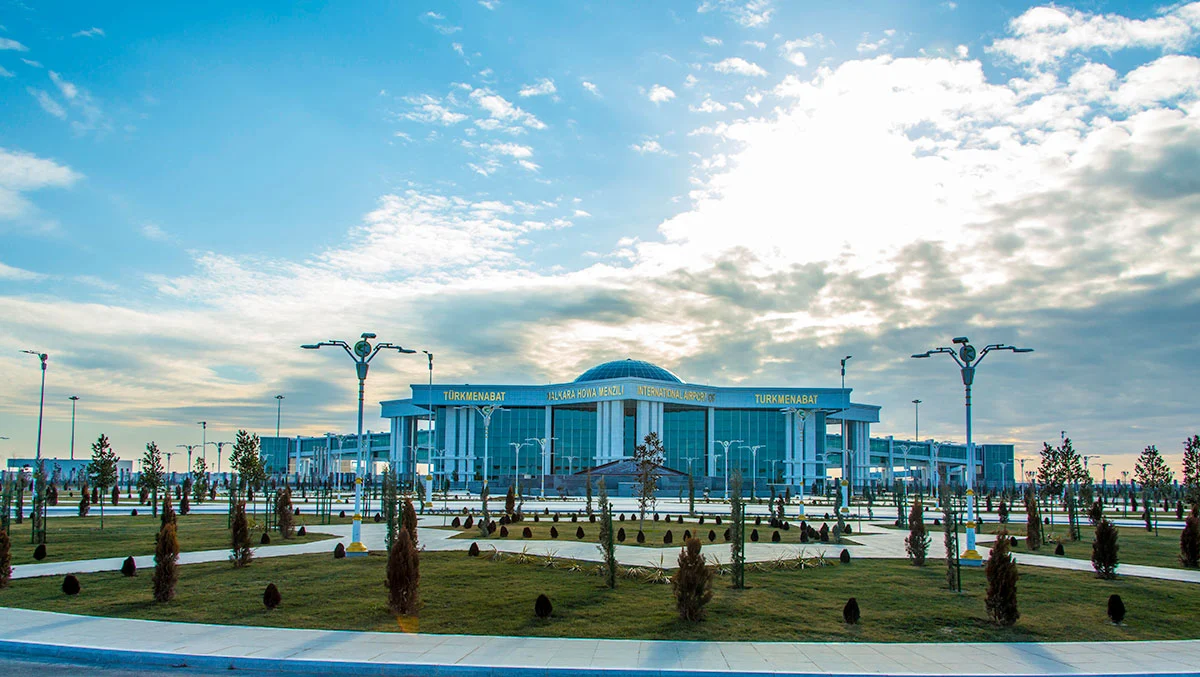
Discover the distinctive traditions of Nokhur, swim in the naturally warm waters of Kow Ata Underground Lake, and return to Ashgabat before travelling east to UNESCO-listed Ancient Merv.
The journey finishes with a drive through Turkmenabat to the Farap border, where you can continue towards Bukhara.
Tour Route
Khiva → Shavat Border → Dashoguz → Darvaza Gas Crater → Water Crater → Mud Crater → Ashgabat → overnight train → Turkmenbashi → Yangykala Canyon → Balkan Region → Ancient Dehistan → Mashat Necropolis → Gyzylarbat → Moon Mountains → Nokhur → Kow Ata Underground Lake → Ashgabat → Ancient Merv → Turkmenabat → Farap Border → Bukhara
Tour Highlights
- Enter Turkmenistan through the Shavat border from Khiva
- Cross the Central Karakum Desert
- Spend the night beside Darvaza Gas Crater
- Enjoy a traditional BBQ dinner in the desert
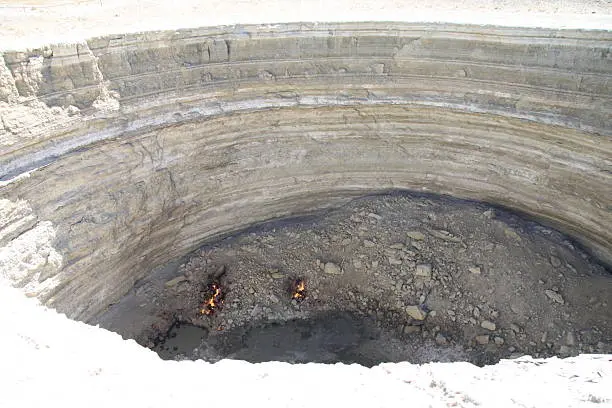
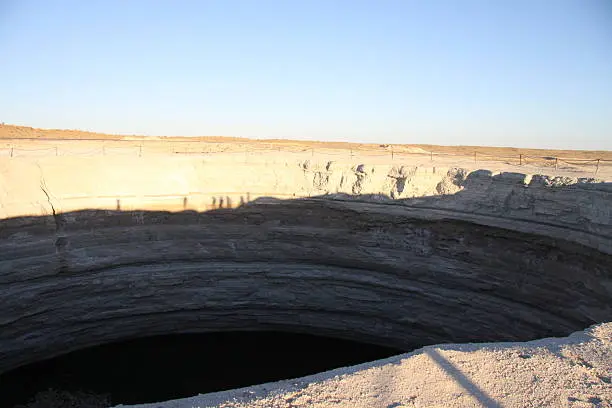
- Visit the Water and Mud craters
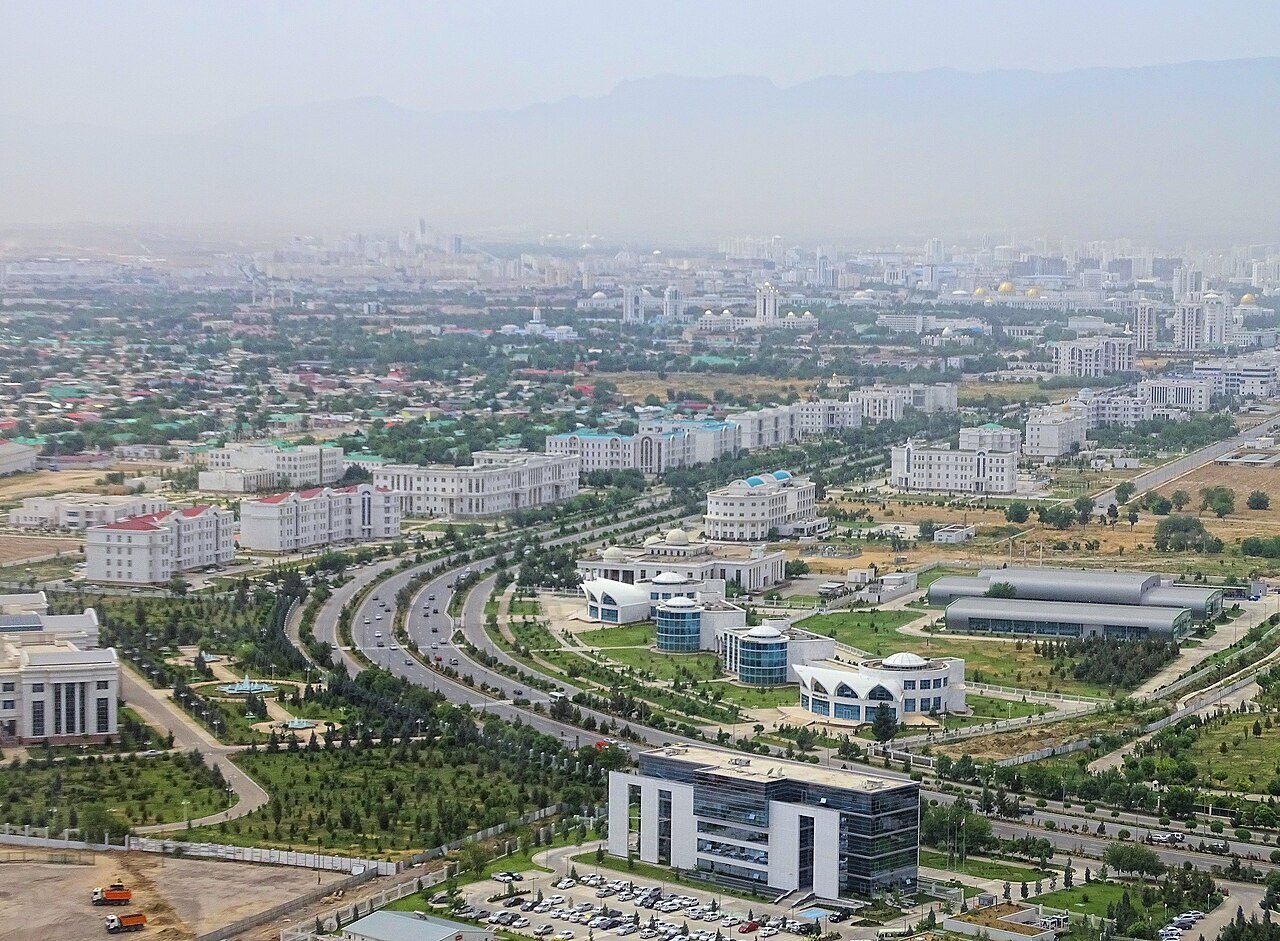
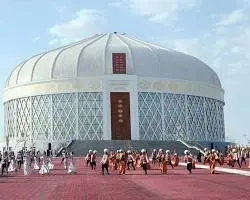
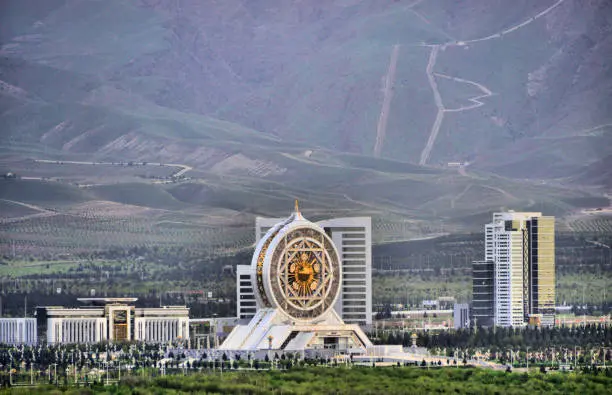
- Explore Ashgabat’s white-marble architecture
- Travel by overnight train to Turkmenbashi
- See the Caspian coast
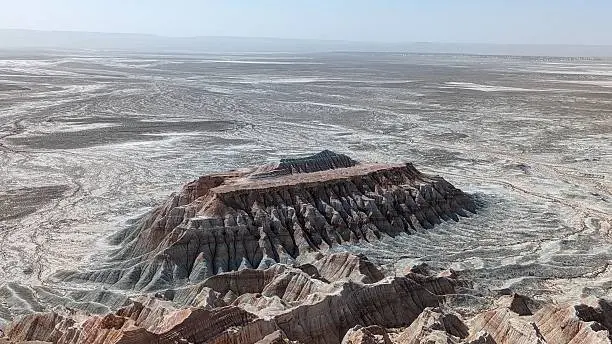
- Discover Yangykala Canyon at sunset
- Explore remote Ancient Dehistan
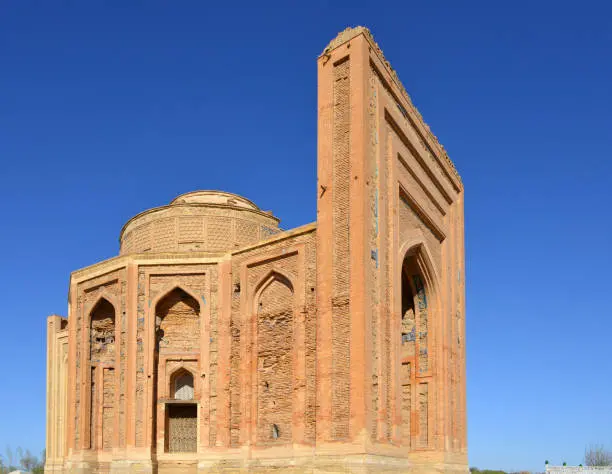
- Visit the Mashat Necropolis and Shir-Kabir Mosque
- Travel through western Turkmenistan
- Stop at the unusual Moon Mountains
- Experience mountain traditions in Nokhur
- Visit Kyz Bibi shrine
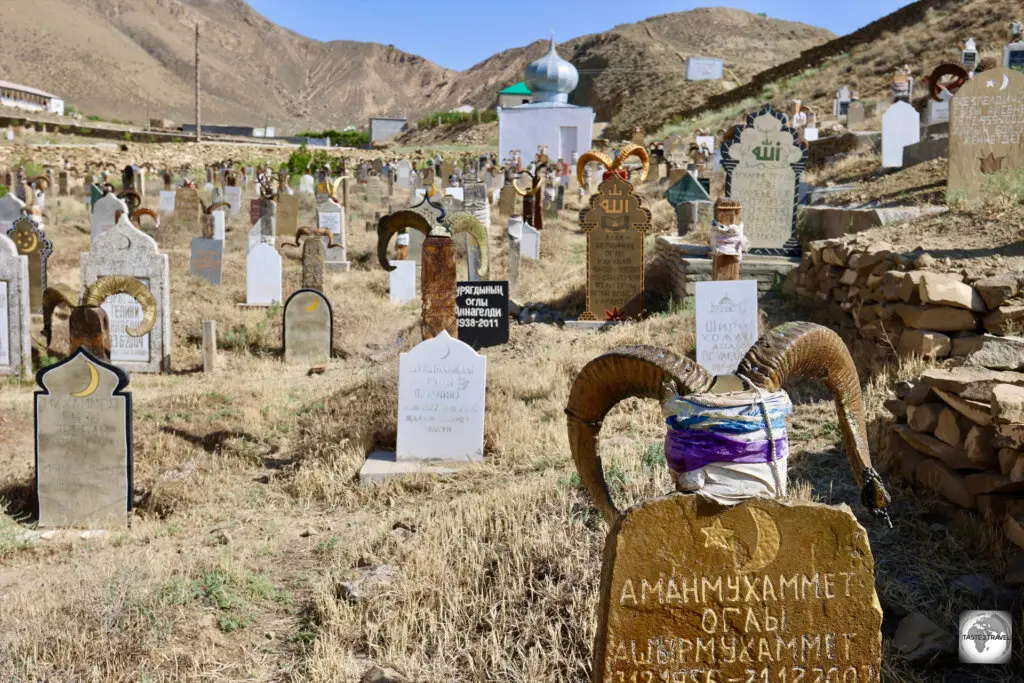
- See Nokhur’s cemetery decorated with mountain-goat horns
- Discover traditional Keteni silk weaving
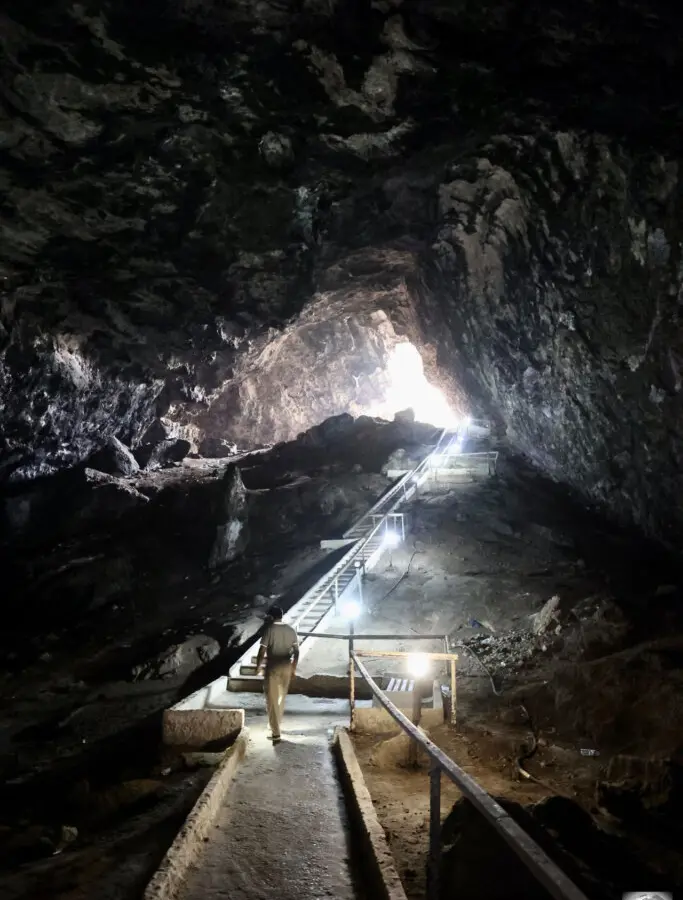
- Swim in Kow Ata Underground Lake
- Explore UNESCO-listed Ancient Merv
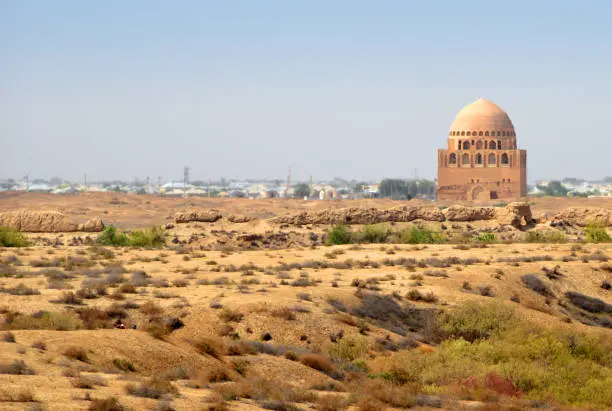
- Visit the Mausoleum of Sultan Sanjar
- See Greater and Lesser Kyz Kala
- Visit the Askhabs Mausoleums and ancient Sardoba
- Explore Erk Kala and Gyaur Kala
- Finish the journey at the Farap border for Bukhara
Day 1 – Shavat Border, Dashoguz and Darvaza Gas Crater
Meet at the Shavat Border
At approximately 10:00 AM, meet our team inside the main hall of the Shavat Border Control Terminal on the Turkmen side.
While your migration and passport checks are being processed, border officers will contact our local team. Your guide will enter the terminal and recognise you using the photograph provided in advance.
Dashoguz Stop
Continue by road to Dashoguz for a traditional local lunch.
Visit the local bazaar to experience everyday life and purchase snacks or supplies before heading into the desert.
Drive to Darvaza
Leave Dashoguz and begin the journey south through the Central Karakum Desert towards Darvaza.
The drive covers approximately 300 km and takes around 4–4.5 hours.
Please note that some sections of the road are rough and uneven, so parts of the journey may be bumpy.
Darvaza Gas Crater
Arrive at the spectacular Darvaza Gas Crater towards sunset.
Watch the fiery glow of the crater become increasingly visible as the desert darkens.
BBQ Dinner
Enjoy a freshly prepared traditional BBQ dinner at the yurt camp.
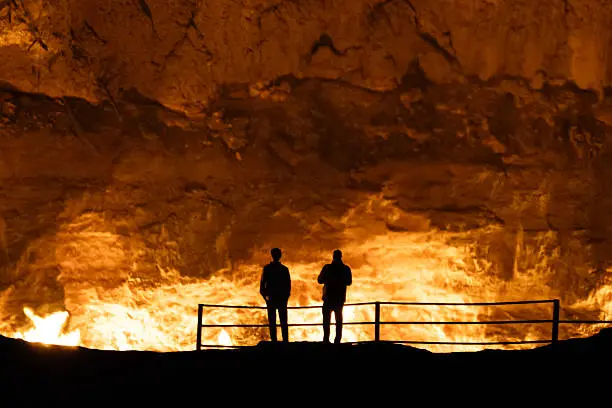
After dark, spend time beside the crater and enjoy photography beneath the desert stars.
Overnight at Darvaza
Stay overnight in a traditional Turkmen yurt at the crater camp.
Overnight: Darvaza yurt camp.
Day 2 – Darvaza, Desert Craters and Ashgabat
Optional Sunrise Experience
Wake before dawn for an optional visit to the crater and enjoy the changing morning light over the Karakum Desert.
Breakfast and Departure
Enjoy breakfast at the camp before travelling south towards Ashgabat.
The drive covers approximately 270 km and takes around 3.5 hours.
Some sections of the road remain rough and uneven.
Water Crater and Mud Crater
On the way, make short stops at the Water Crater and Mud Crater.
These unusual natural features provide a different perspective on the geology of the Karakum Desert.
Lunch in Ashgabat
Enjoy lunch after arriving in the capital.
Ashgabat City Tour
Spend the afternoon exploring Ashgabat with your guide.
Discover the capital’s distinctive white-marble architecture, cultural sites and historic landmarks at a comfortable pace.
Overnight in Ashgabat
Stay overnight at a hotel.
Overnight: Hotel in Ashgabat.
Day 3 – Ashgabat and Overnight Train to Turkmenbashi
Ashgabat City Tour
After breakfast, continue your exploration of the capital.
Today’s programme can focus on major monuments, museum collections and architectural landmarks not covered the previous day.
The route remains flexible and can be adapted to your interests and pace.
Lunch
Enjoy a traditional lunch at a local restaurant.
Transfer to Ashgabat Railway Station
In the late afternoon, transfer to Ashgabat Railway Station and board the overnight train to Turkmenbashi.
Packed Dinner for the Train
Because the train departs early in the evening, there may not be enough time for a restaurant dinner before boarding.
Your guide will assist you at a local market or café to purchase a packed dinner, fruit and snacks for the overnight journey.
Overnight Train
Travel overnight in a comfortable four-berth compartment.
Overnight: Overnight train to Turkmenbashi.
Day 4 – Turkmenbashi, Yangykala Canyon and Balkan Region
Arrival in Turkmenbashi
Arrive in Turkmenbashi at approximately 08:05 AM and meet your private driver at the railway station.
Turkmenbashi and Caspian Coast
Enjoy a short orientation tour of this historic port city.
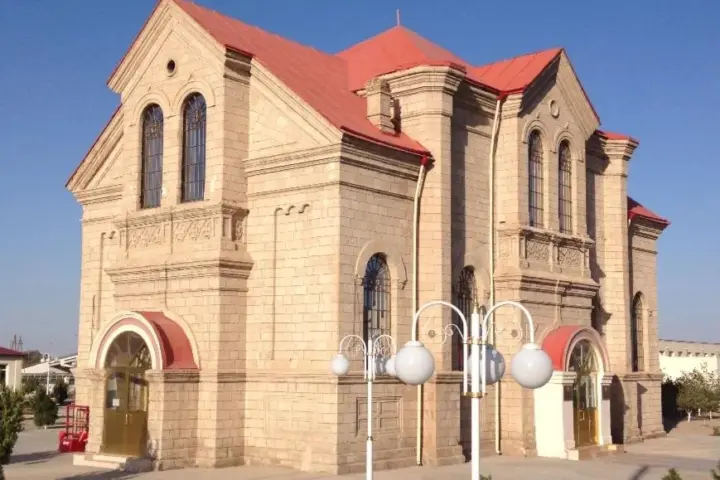
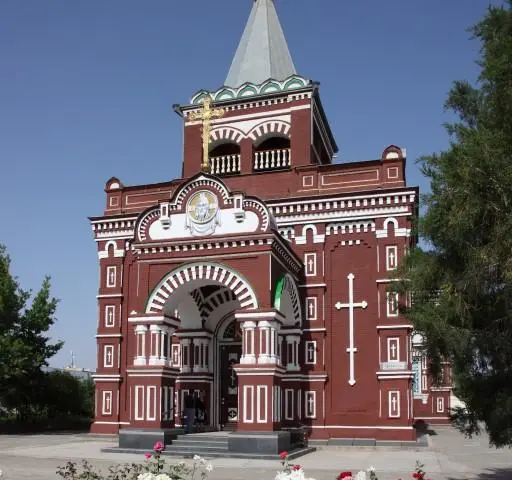
See examples of pre-revolutionary architecture built from local Caspian limestone and stop by the distinctive 1895 Moorish-style railway station.
Enjoy views of the Caspian Sea.
Optional Awaza Visit
An excursion to the nearby Awaza Sea Resort can be arranged upon request, depending on whether the area is open and accessible at the time of your visit.
Lunch
Enjoy fresh seafood or a traditional lunch at a local restaurant.
Drive to Yangykala Canyon
Leave Turkmenbashi and travel east towards Yangykala Canyon.
The journey covers approximately 160 km and takes around 3 hours.
The final sections of the road involve rough, unpaved desert tracks.
Yangykala Sunset Experience
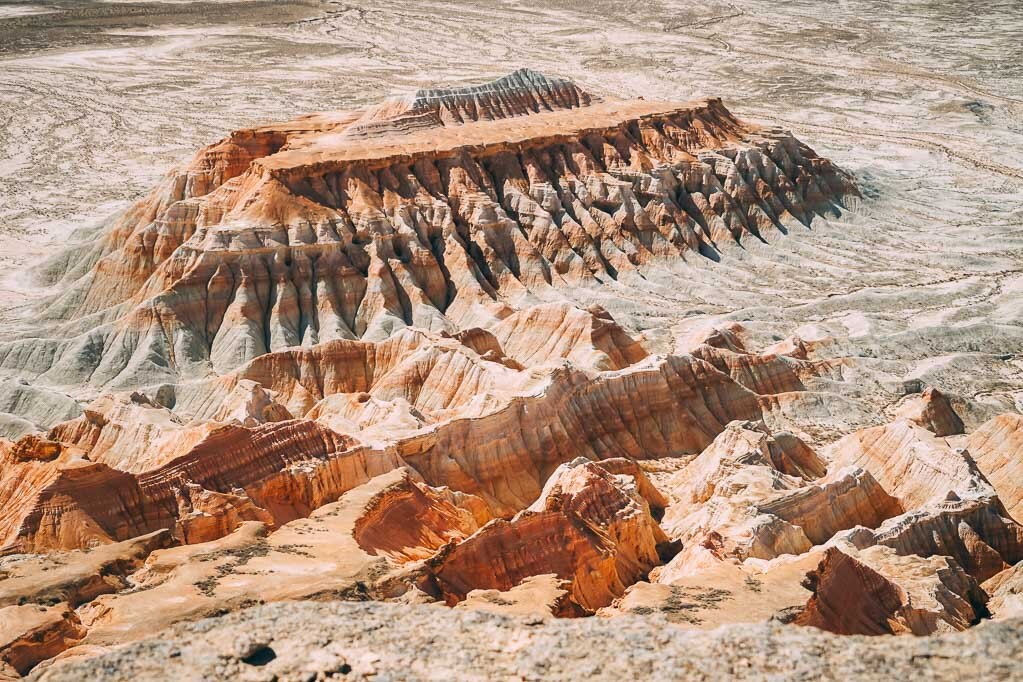
Arrive at the canyon plateau and explore its vast red, pink and white limestone formations.
Enjoy sunset over one of western Turkmenistan’s most dramatic natural landscapes.
Dinner
Depending on the season and weather, enjoy a packed picnic dinner near the canyon or a warm dinner after reaching your accommodation.
Drive to the Balkan Region
Continue south from the canyon plateau towards your hotel.
The journey takes approximately 2–2.5 hours.
Overnight
Stay at a hotel in the Balkan region, either in Balkanabat or another suitable transit location depending on availability.
Overnight: Hotel in the Balkan region.
Day 5 – Ancient Dehistan and Gyzylarbat
Expedition to Ancient Dehistan
After breakfast, travel south into the remote desert plains towards Ancient Dehistan, also known as Mashat-Misrian.
The journey covers approximately 180 km and takes around 3.5 hours via desert tracks.
Ancient Dehistan Archaeological Tour
Explore one of western Turkmenistan’s most isolated historical sites.
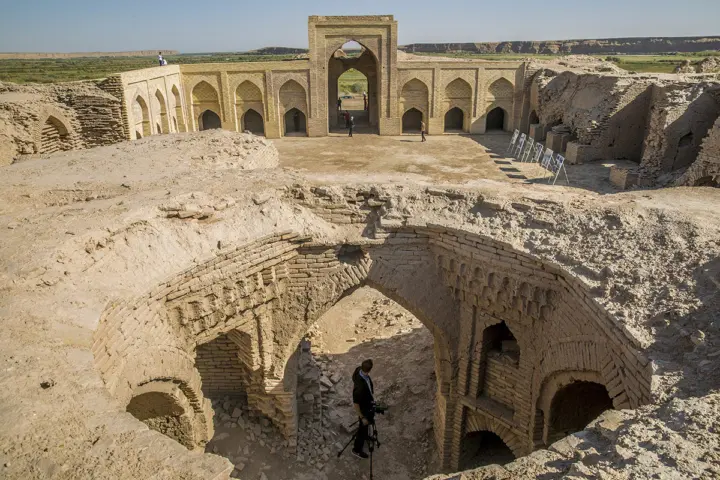
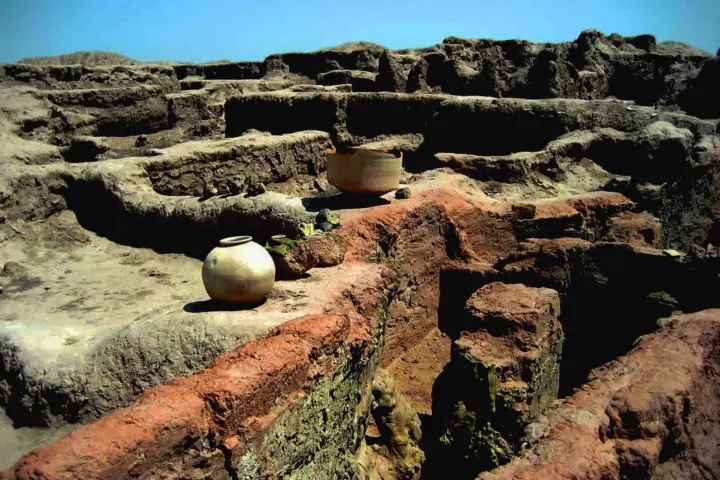
Walk among the remains of medieval minarets, monumental mosque portals and the ruins of the historic Rabat area, associated with craftsmen and caravan trade.
Mashat Necropolis
Continue approximately 7 km north to the sacred Mashat Necropolis.
Visit Shir-Kabir, home to a historic 10th-century mosque and an active pilgrimage site.
Picnic Lunch
Enjoy a freshly prepared picnic lunch among the ruins.
The remote desert setting offers time to absorb the atmosphere of this remarkable archaeological landscape.
Drive to Gyzylarbat
After the visit, continue towards Gyzylarbat.
Check in at your hotel and enjoy a warm dinner.
Overnight in Gyzylarbat
Overnight: Hotel in Gyzylarbat.
Day 6 – Moon Mountains, Nokhur, Kow Ata and Ashgabat
Moon Mountains Photo Stop
After breakfast, check out and begin travelling east.
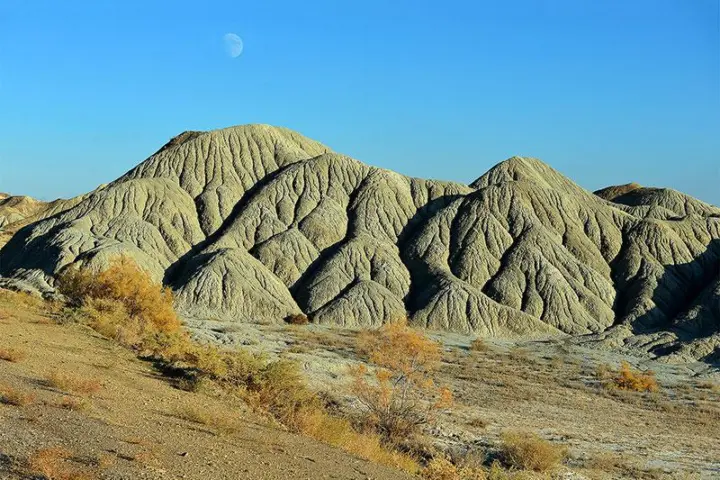
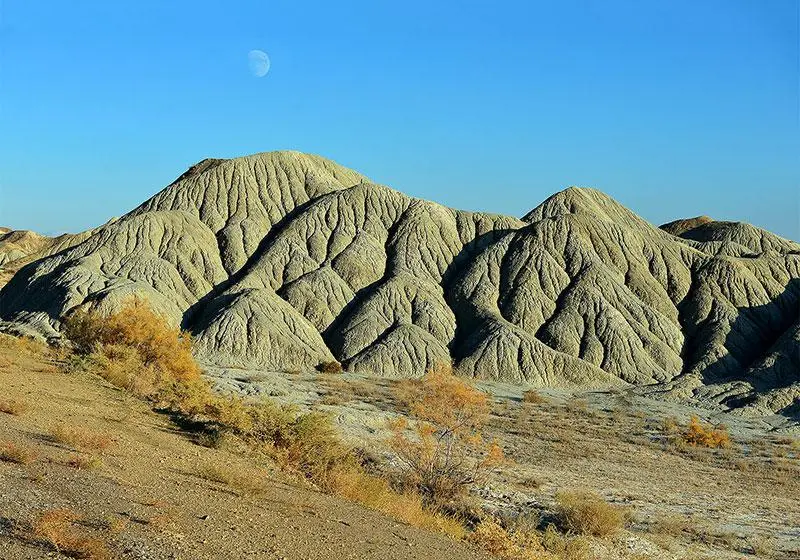
Make a morning stop at the unusual clay formations known as the Moon Mountains, located in the foothills of the Sumbar Valley.
The layered, multi-coloured hills create an unusual desert landscape and provide excellent photography opportunities.
Nokhur Mountain Village
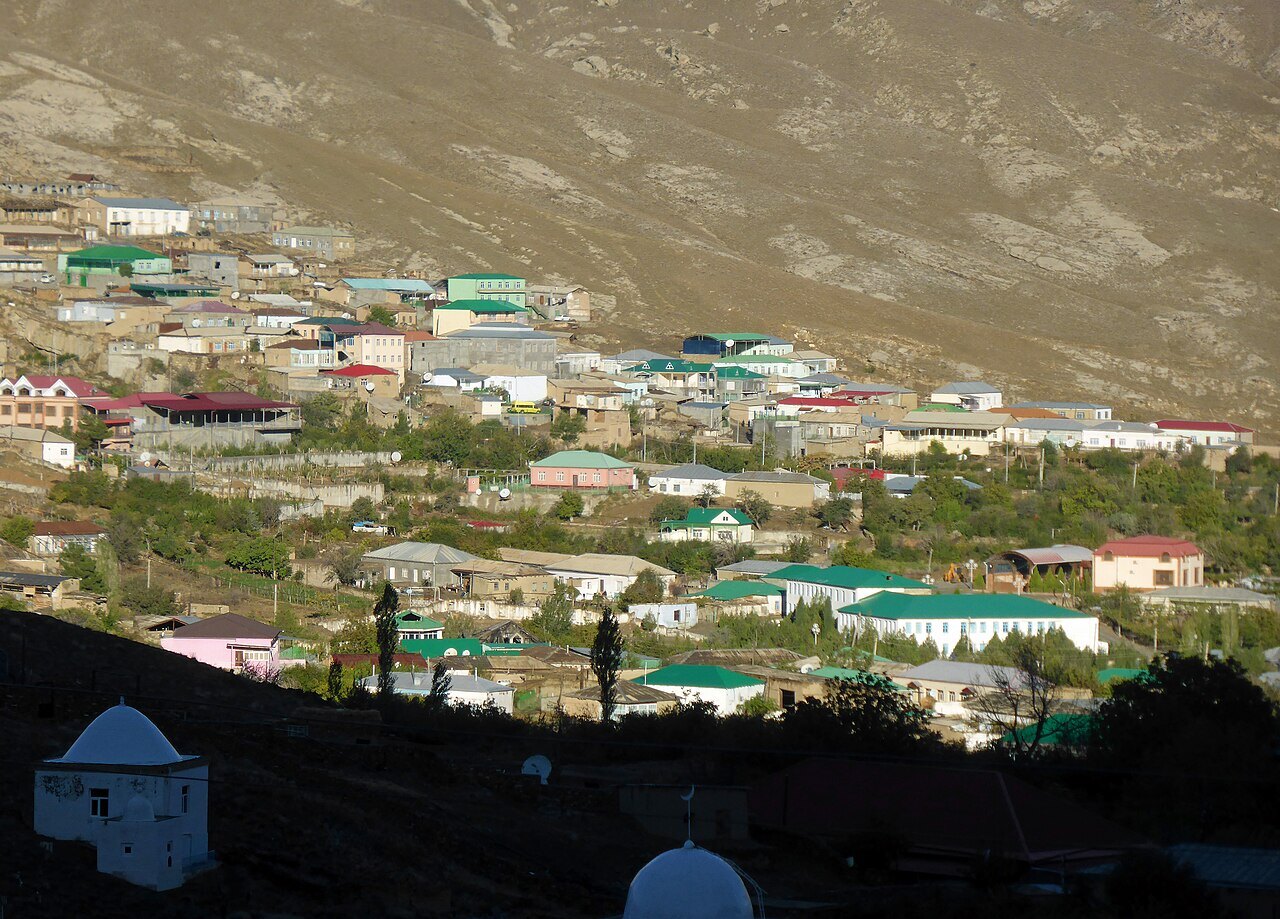
Continue towards the Kopetdag Mountains and ascend the winding road to the remote village of Nokhur, approximately 115 km from Serdar.
Traditional Lunch
Enjoy a home-cooked traditional lunch at a local family home or village teahouse.
The meal may include regional dishes and mountain herbal tea.
Nokhur Cultural Tour
After lunch, explore the village and its distinctive traditions.
Kyz Bibi Shrine
Visit the sacred Kyz Bibi pilgrimage site.
Nokhur Cemetery
See the unusual village cemetery, where grave markers are traditionally decorated with the horns of mountain goats.
Keteni Silk Weaving
Observe local women practising the traditional art of Keteni silk weaving.
Please note that access to Nokhur depends on weather and road conditions. During winter snow or heavy rain, an alternative lunch stop will be arranged.
Kow Ata Underground Lake
Continue from the mountains to Kow Ata Underground Lake, approximately one hour away.
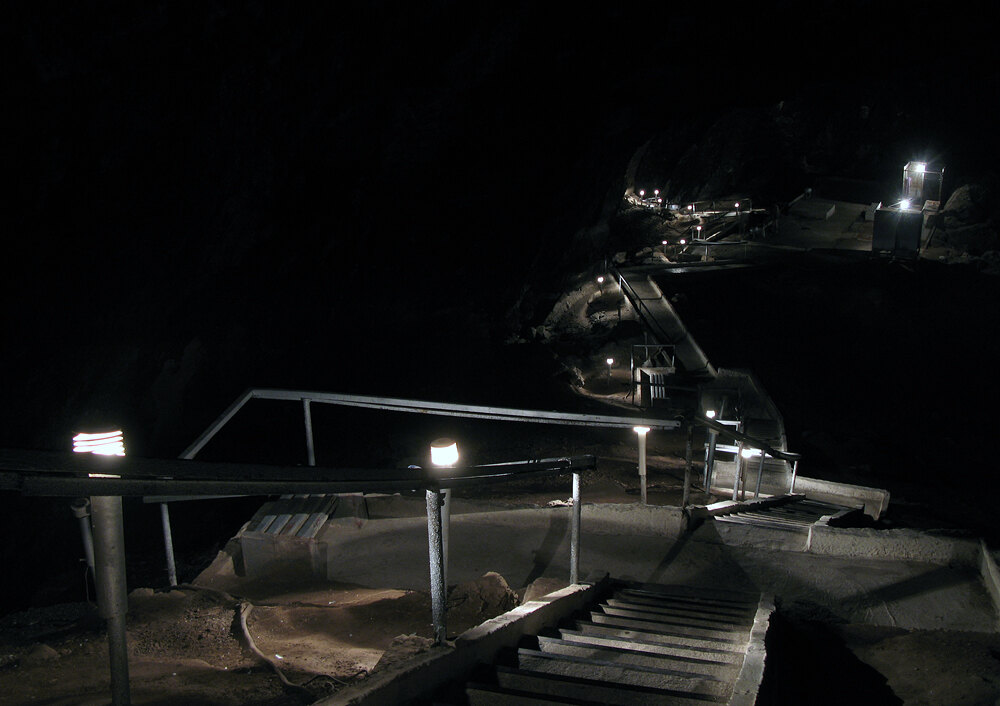
Descend into the limestone cave and enjoy the opportunity to swim in naturally warm, mineral-rich sulfur water.
The water temperature remains around 35°C throughout the year.
Return to Ashgabat
Travel approximately 100 km back to Ashgabat.
The journey takes around 1.5 hours.
Dinner
Enjoy dinner at a local restaurant.
Overnight in Ashgabat
Stay overnight at a hotel.
Overnight: Hotel in Ashgabat.
Day 7 – Ancient Merv, Turkmenabat and Farap Border
Morning Departure
Depart Ashgabat at approximately 07:30 AM and travel east along the modern Ashgabat–Mary motorway.
The journey covers approximately 360 km and takes around 3.5–4 hours.
Lunch
Arrive in the Mary region and enjoy a traditional lunch in Mary or Bayramaly.
Ancient Merv Guided Tour
Explore Ancient Merv, a UNESCO World Heritage Site and one of the great historic cities of the Silk Road.
Mausoleum of Sultan Sanjar
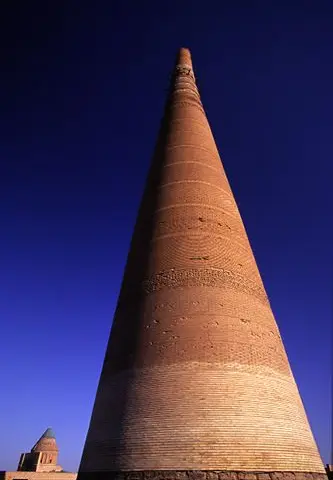
Visit the monumental 12th-century Seljuk mausoleum with its distinctive double-dome construction.
Greater and Lesser Kyz Kala
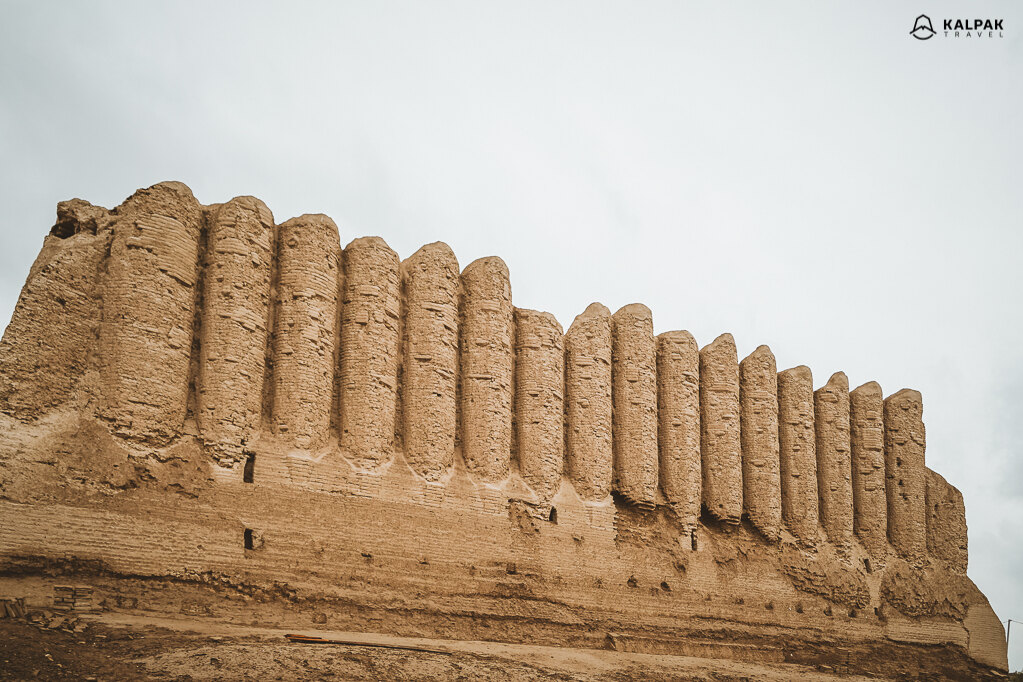
Explore the characteristic mud-brick fortresses with corrugated walls, dating approximately from the 7th to 12th centuries.
Askhabs Mausoleums and Ancient Sardoba
Visit the sacred burial sites associated with the companions of the Prophet Muhammad.
Also see the nearby medieval public baths and ancient desert water-storage system.
Erk Kala and Gyaur Kala
Explore the ancient citadels and enjoy panoramic views across the archaeological landscape.
Additional smaller ruins within Ancient Merv can be explored upon request, depending on available time.
Drive to Turkmenabat
Leave Merv and travel northeast along the modern Mary–Turkmenabat motorway.
The journey covers approximately 240 km and takes around 2.5 hours.
Farewell Dinner
Arrive in Turkmenabat and enjoy a farewell dinner at a local restaurant.
Transfer to Farap Border
After dinner, drive approximately 40 km to the Farap–Alat border crossing.
The journey takes around 40 minutes.
Border Formalities
Upon arrival, our team will assist with Turkmen customs and departure immigration formalities in accordance with official border regulations.
After crossing into Uzbekistan, continue towards Bukhara.
End of Tour Services