Tour no. 5-5
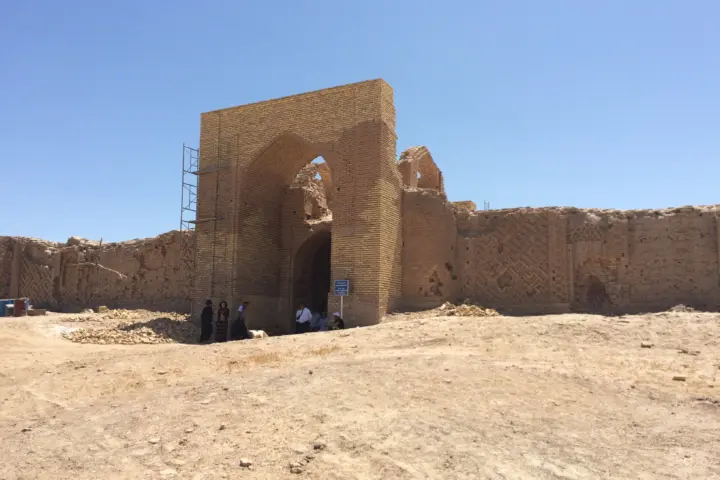
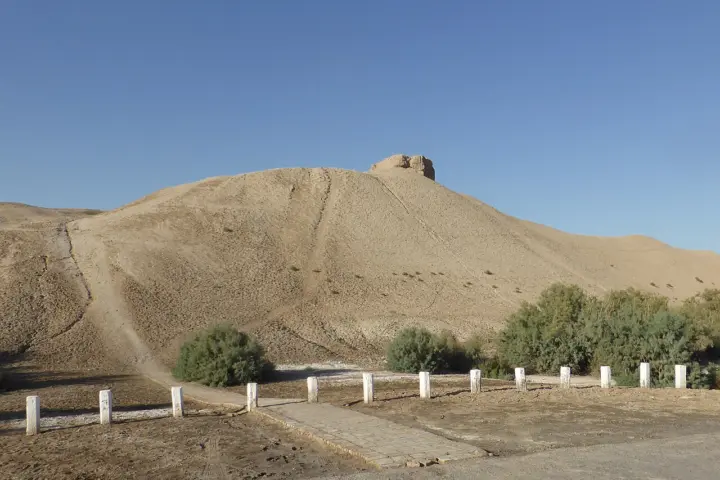
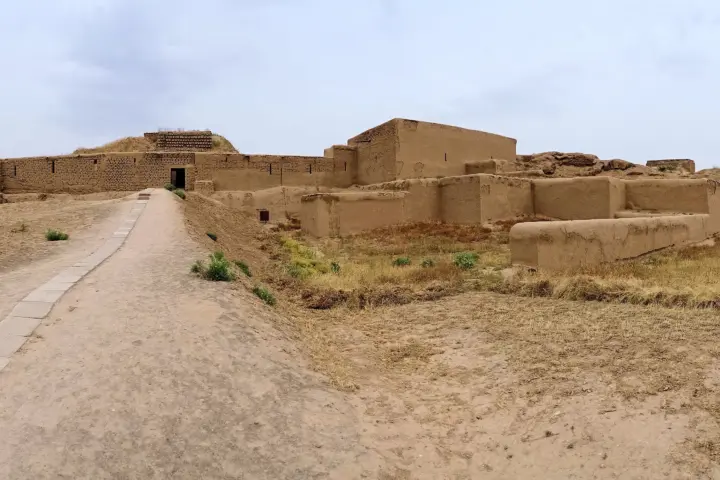
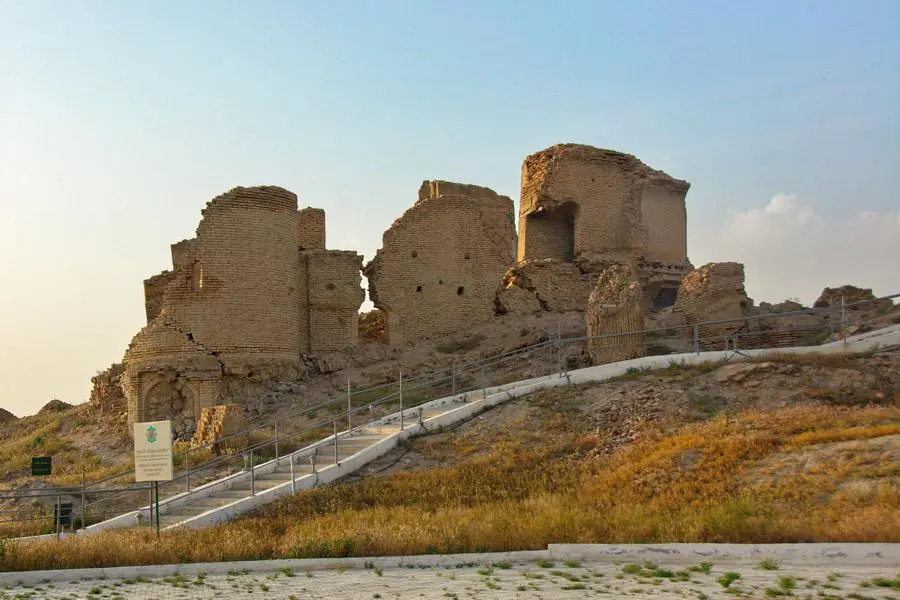
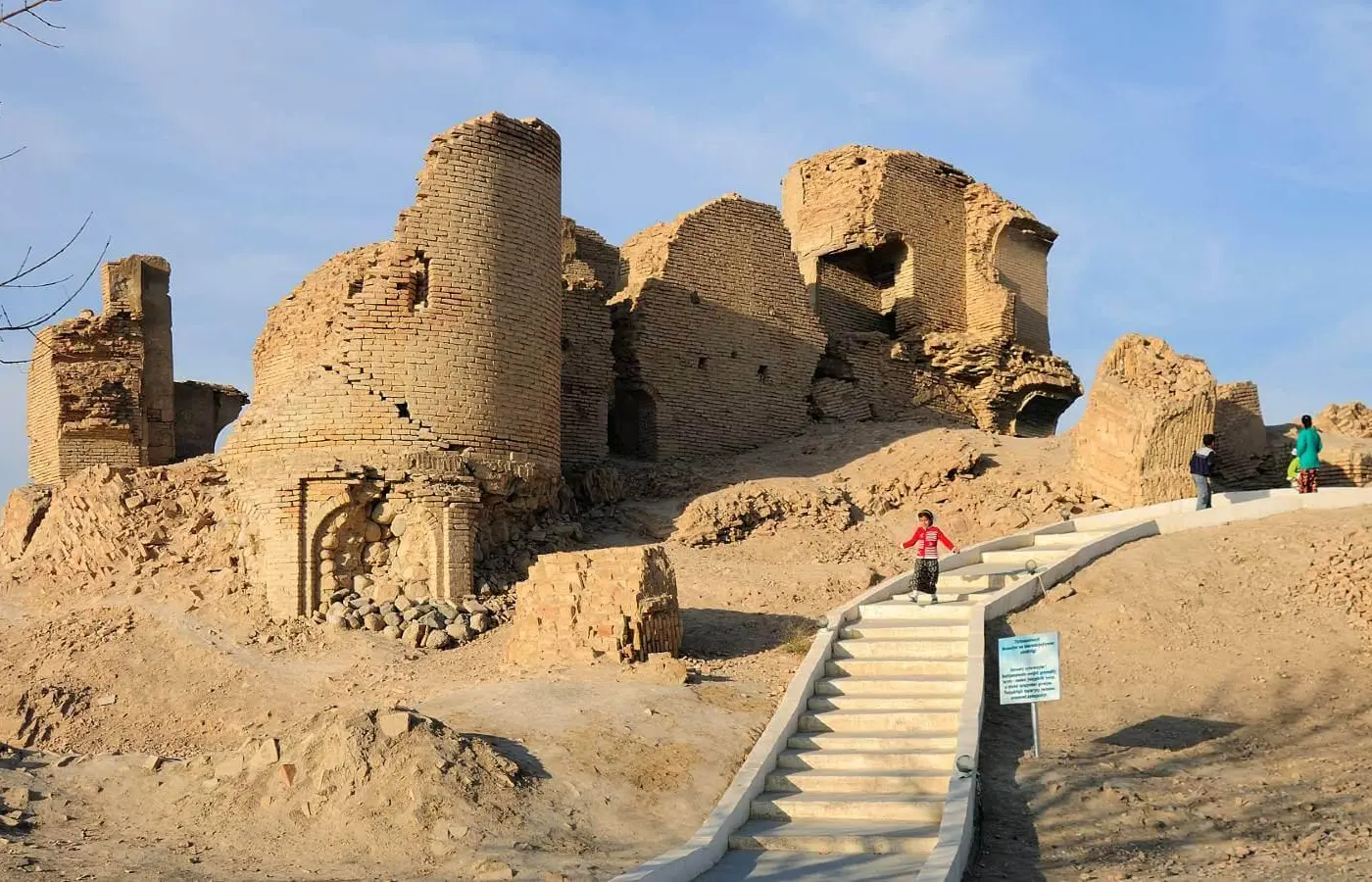
Ruins of the Seyit Jemaleddin mosque above a stepped path in Anau

5-Day Turkmenistan Tour from Bukhara to Khiva or Nukus via Merv, Darvaza & Kunya-Urgench

Dates and price on request Get a price for my dates

Tour at a glance

  • Duration: 5 days.
  • Start: Meet our team on the Turkmen side of the Farap border crossing.
  • Transport in Uzbekistan: When booking, confirm which transfers in Uzbekistan are included: from your hotel in Bukhara to the border and from the exit crossing to your destination.
  • Main stops: Dayahatyn Caravanserai, Turkmenabat, Ancient Merv, Ashgabat, Darvaza and Kunya-Urgench.
  • Finish: Confirm your departure point with us when you book. Shavat border for onward travel to Khiva, or Hojaili border for Nukus.
  • Route type: A transit route by road, with hotel stays in Turkmenabat, Mary and Ashgabat, and a yurt night at Darvaza.
Duration5 days
Route start Farap–Alat Border Crossing Finish: Shavat–Dashoguz Border Crossing or Khojeyli–Kunya-Urgench Border Crossing

Tour details

About This 5-Day Bukhara to Khiva or Nukus Tour

This 5-day Turkmenistan tour from Bukhara to Khiva or Nukus is designed for travellers continuing their journey across Central Asia through Turkmenistan.

Enter the country through the Farap border and begin with an excursion to the historic Dayahatun Caravanserai before exploring Turkmenabat and the Amu Darya region. Continue west to UNESCO-listed Ancient Merv, one of the most important historical centres of the Silk Road.

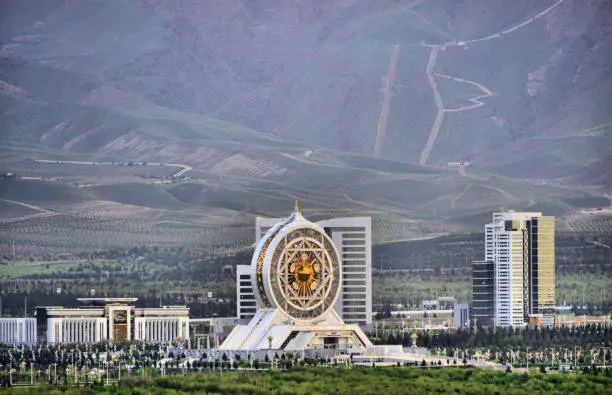
The route then passes the medieval ruins of Abiverd and the historic Seyit Jemaletdin Mosque in Anau before reaching Ashgabat, where you will explore both ancient heritage and the capital’s distinctive modern architecture.

Next, travel north through the Karakum Desert to the Darvaza Gas Crater for sunset, a traditional BBQ dinner and an overnight stay in a Turkmen yurt.

On the final day, continue across the desert to UNESCO-listed Kunya-Urgench and finish the tour at either the Shavat border for Khiva or the Hojaili border for Nukus.

Tour Route

Bukhara → Farap Border → Dayahatun Caravanserai → Turkmenabat → Amu Darya → Lebap Regional Museum → Green Bazaar → Amul Fortress → Mary → Ancient Merv → Abiverd Fortress → Anau → Seyit Jemaletdin Mosque → Ashgabat → Old Nisa → National Museum of History → Water Crater → Mud Crater → Darvaza Gas Crater → Kunya-Urgench → Shavat Border / Hojaili Border → Khiva / Nukus

Tour Highlights

  • Enter Turkmenistan through the Farap border from Bukhara
  • Visit the medieval Dayahatun Caravanserai
  • Explore Turkmenabat and the Amu Darya region
  • Visit the Lebap Regional Museum
  • Experience the atmosphere of Turkmenabat’s Green Bazaar
  • Discover the ruins of Ancient Amul
  • Explore UNESCO-listed Ancient Merv
  • Visit the Mausoleum of Sultan Sanjar
  • See Greater and Lesser Kyz Kala
  • Explore the Askhabs Mausoleums, ancient hammam and sardoba
  • Visit Erk Kala and Gyaur Kala
  • Stop at the medieval ruins of Abiverd
  • Visit Seyit Jemaletdin Mosque in Anau
  • Explore Ashgabat on a flexible private city tour
  • Visit Old Nisa, part of the UNESCO-listed Parthian Fortresses of Nisa
  • Discover the National Museum of History
  • Travel through the Karakum Desert
  • Visit the Water and Mud craters
  • Watch sunset at the Darvaza Gas Crater
  • Enjoy a traditional BBQ dinner
  • Stay overnight in a Turkmen yurt
  • Explore UNESCO-listed Kunya-Urgench
  • Choose between Shavat for Khiva and Hojaili for Nukus

Day 1 – Farap Border, Dayahatun and Turkmenabat

Meet at the Farap Border

At approximately 09:00 AM, meet our team on the Turkmen side of the Farap (Alat) Border Checkpoint.

After completing border formalities, begin your journey through eastern Turkmenistan.

Drive to Dayahatun Caravanserai

Travel north through the Lebap oasis along the historic route that once connected settlements of the Oxus, today known as the Amu Darya, with northern trading centres.

Dayahatun Caravanserai

Explore the impressive ruins of Dayahatun Caravanserai, an important medieval monument dating from the Seljuk period.

The site offers an introduction to the region’s historic role in long-distance trade across Central Asia.

Lunch

Enjoy lunch en route.

Return to Turkmenabat

Drive back towards Turkmenabat, passing local villages, agricultural landscapes and cotton fields.

Lebap Regional Museum

If time permits, visit the Lebap Regional Museum to explore ethnographic and archaeological collections connected with the Amu Darya region.

Please note that this visit depends on the speed of the border crossing and available daylight, particularly during winter.

Amu Darya

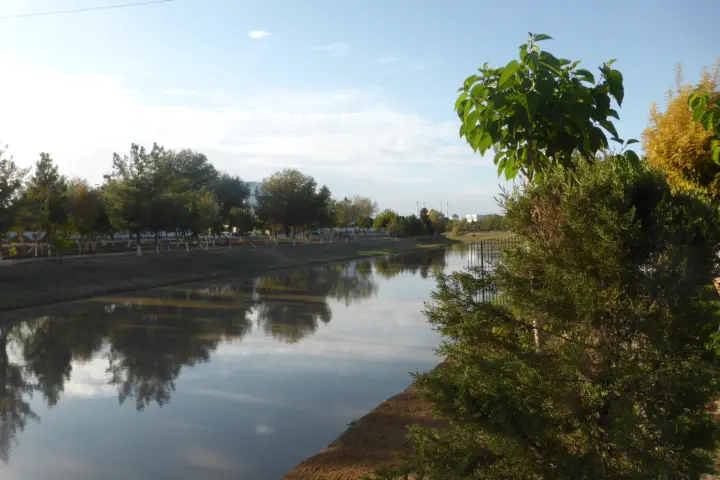
Visit the banks of the Amu Darya River in Turkmenabat and enjoy a short walk by one of Central Asia’s most important rivers.

Dinner and Overnight

Check in at your hotel and enjoy a traditional dinner at a local restaurant.

Overnight: Hotel in Turkmenabat.

Day 2 – Turkmenabat, Ancient Merv and Mary

Breakfast

Enjoy breakfast at the hotel before continuing the journey.

Green Bazaar

Visit Turkmenabat’s Green Bazaar for a brief introduction to everyday local life and the atmosphere of a traditional market.

Amul Fortress

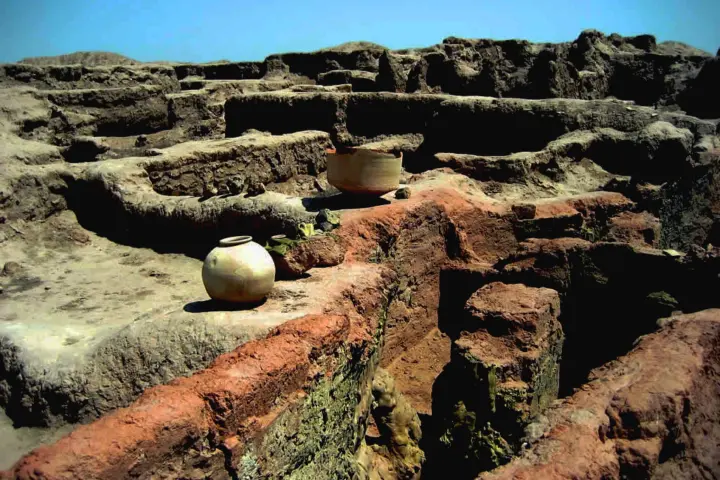
Explore the mud-brick remains of Ancient Amul, historically known as Amul-Zemur and associated with the Silk Road routes along the Amu Darya.

Drive to Mary

Depart Turkmenabat and travel west towards Mary.

The journey covers approximately 250 km.

Lunch

Enjoy lunch en route or a packed lunch during the journey.

Ancient Merv Guided Tour

Explore Ancient Merv, a UNESCO World Heritage Site and one of the great historic cities of the Silk Road.

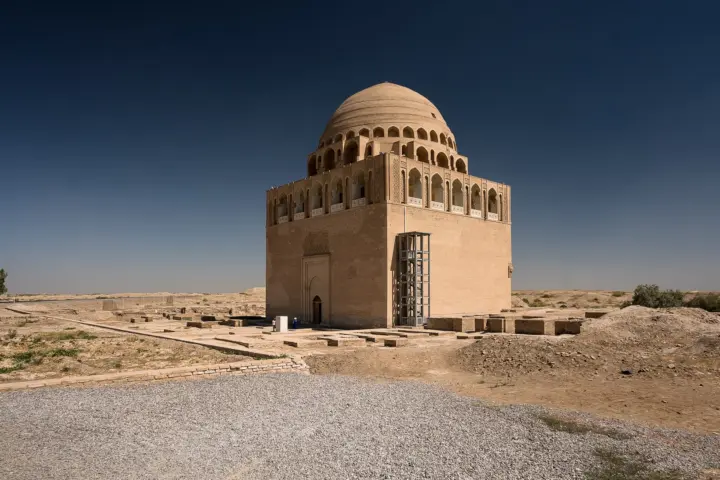
Mausoleum of Sultan Sanjar

Visit the monumental 12th-century Seljuk mausoleum, one of the most recognisable structures within the archaeological park.

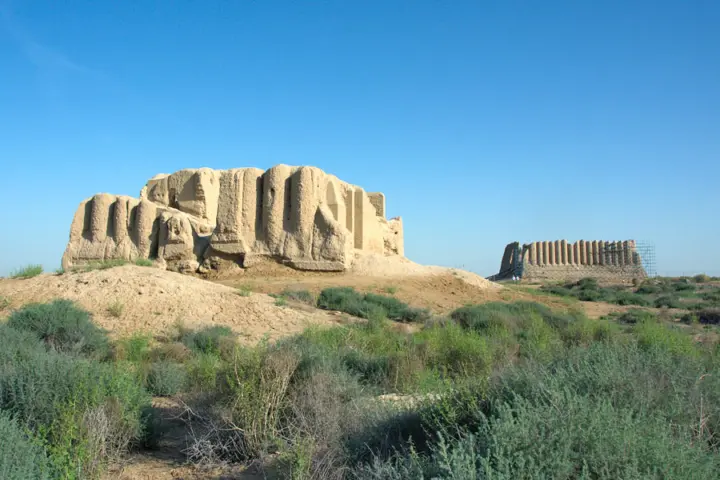
Greater and Lesser Kyz Kala

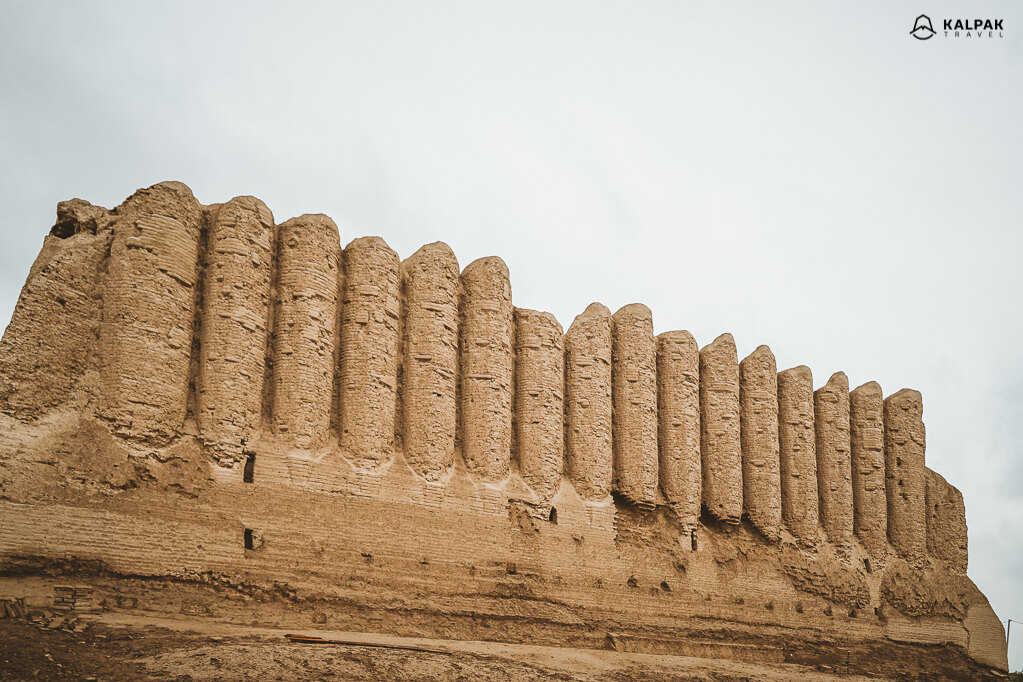
Explore the distinctive mud-brick fortresses with their characteristic corrugated walls, dating from approximately the 7th to 12th centuries.

Askhabs Mausoleums

Visit the sacred burial sites associated with the companions of the Prophet Muhammad.

Ancient Hammam and Sardoba

See the remains of medieval public baths and an ancient desert water-storage system.

Erk Kala and Gyaur Kala

Explore the ancient citadels and enjoy broad views across the archaeological landscape.

Arrival in Mary

After the tour, continue to Mary and check in at your hotel.

Overnight: Hotel in Mary.

Day 3 – Mary, Abiverd, Anau and Ashgabat

Breakfast and Departure

Enjoy breakfast in Mary before leaving for Ashgabat.

Historical Stops Along the Route

Several important historical sites can be visited on the way to the capital.

Abiverd Fortress

Stop at the ruins of Abiverd, a medieval city that once formed part of the regional trade network across southern Turkmenistan.

Seyit Jemaletdin Mosque in Anau

Visit the ruins of the Seyit Jemaletdin Mosque in Anau.

The 15th-century site is especially known for the remains of its decorative portal and distinctive dragon mosaics.

Arrival in Ashgabat

Continue to Ashgabat and begin a private city tour.

The programme is flexible and can be adapted according to arrival time, personal interests and your guide’s recommendations.

The aim is to balance Turkmenistan’s ancient history, cultural heritage and modern architecture.

Old Nisa

Visit Old Nisa, part of the UNESCO-listed Parthian Fortresses of Nisa and an important centre associated with the Parthian Empire.

National Museum of History

Explore the National Museum of History, where collections include archaeological objects and artefacts connected with Nisa and other periods of Turkmenistan’s ancient past.

The sightseeing programme can include additional landmarks depending on the time available.

Overnight in Ashgabat

Stay overnight at a hotel.

Overnight: Hotel in Ashgabat.

Day 4 – Ashgabat and Darvaza Gas Crater

Breakfast and Ashgabat City Tour

After breakfast, continue your private exploration of Ashgabat.

The programme remains flexible and can be adapted to your interests and the sites already visited on Day 3.

Your guide will aim to show a balanced selection of historical, cultural and modern landmarks.

Lunch

Enjoy lunch at a local restaurant.

Drive into the Karakum Desert

Leave Ashgabat and travel north into the Karakum Desert towards Darvaza.

The journey covers approximately 270 km.

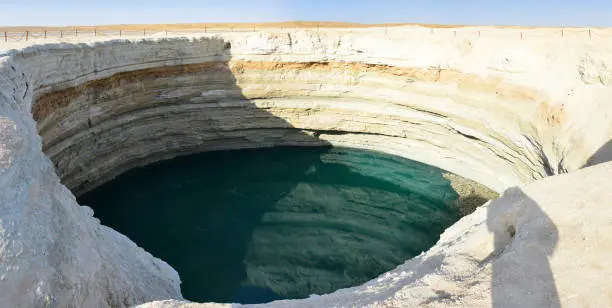
Water Crater and Mud Crater

On the way, make short stops at the Water Crater and Mud Crater.

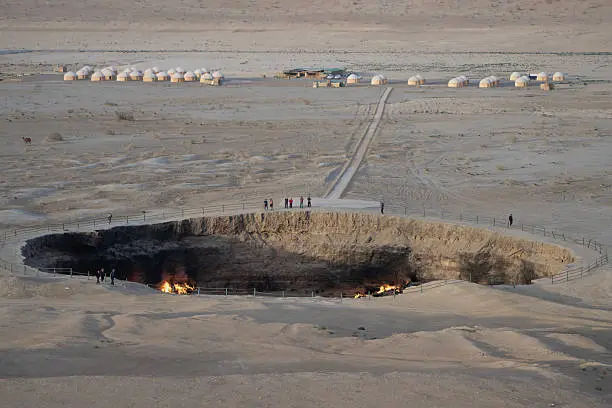
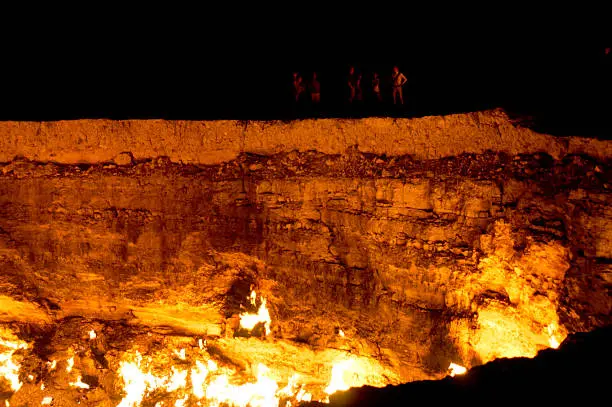
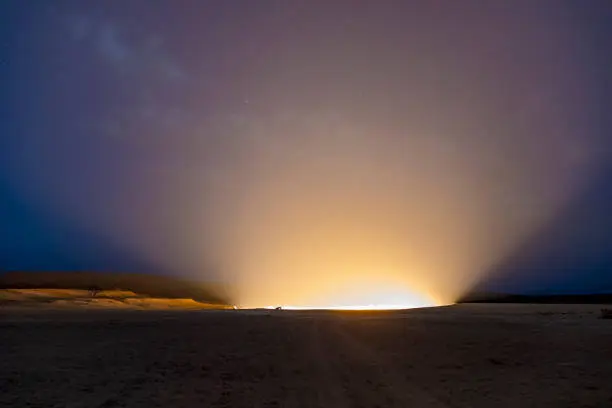
Darvaza Gas Crater

Arrive at the famous Darvaza Gas Crater towards sunset.

Watch the desert gradually darken as the glow from the crater becomes increasingly visible.

BBQ Dinner

Enjoy a traditional BBQ dinner beside the crater.

After sunset, spend time taking photographs and experiencing the desert atmosphere under the night sky.

Overnight at Darvaza

Stay overnight in a traditional Turkmen yurt at the crater campsite.

Overnight: Darvaza yurt camp.

Day 5 – Darvaza, Kunya-Urgench and Uzbekistan Border

Pre-Dawn Visit to Darvaza

Wake early for an optional pre-dawn visit to the crater.

The morning light offers a different perspective and another opportunity for photographs.

Breakfast and Drive to Kunya-Urgench

Enjoy breakfast at the camp and then continue north towards Kunya-Urgench.

The road distance from Darvaza Gas Crater to Kunya-Urgench is approximately 275 km by the direct desert route or 395 km via Dashoguz. The route used and journey time depend on road and weather conditions.

Lunch in Kunya-Urgench

Enjoy lunch at a local restaurant in Kunya-Urgench.

Kunya-Urgench Historical Tour

Explore Kunya-Urgench, a UNESCO World Heritage Site and one of the most important historic centres of Khorezm.

Kutlug-Timur Minaret

See the impressive medieval Kutlug-Timur Minaret, one of the landmark monuments of Kunya-Urgench.

Turabek-Khanum Mausoleum

Visit the Turabek-Khanum Mausoleum, famous for its elaborate geometric ceiling decoration.

Mausoleums of Sultan Tekesh and Il-Arslan

Explore these important medieval monuments associated with the Khorezmshah period.

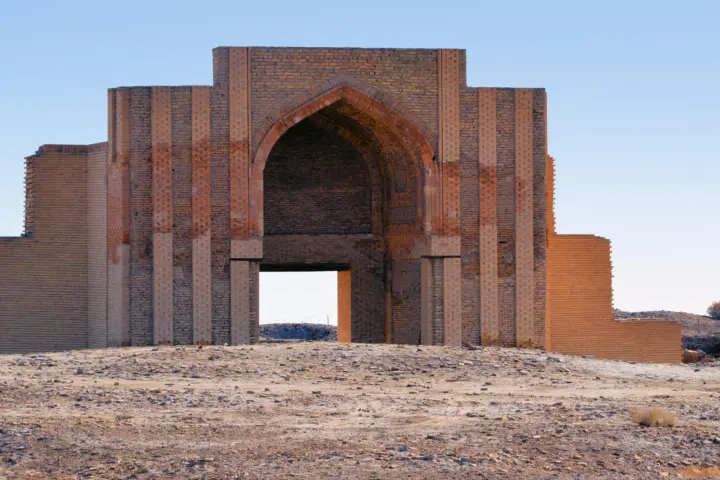
Caravanserai Gate

See the preserved monumental portal connected with the ancient trading city.

Border Transfer Options

Confirm your exit crossing with us when you book. On the last day, your driver will take you to that crossing.

Option A – Shavat Border

Transfer to the Shavat border crossing, suitable for travellers continuing towards Khiva.

Option B – Hojaili Border

Transfer to the Hojaili border crossing, suitable for travellers continuing towards Nukus.

Border Formalities

Our team will assist with departure and border formalities before you cross into Uzbekistan.

End of Tour Services

Compare Routes and Plan Your Visit

If you have fewer days available, compare our 4-day Bukhara–Khiva or Nukus tour.

If you can allow more time, explore our 6-day Bukhara–Khiva or Nukus grand tour.

Prepare for the archaeological sites with our Ancient Merv travel guide.

Before visiting the site, read our Old Nisa guide: what to see and how to prepare for the visit.

Prepare for your trip with our Dayahatyn Caravanserai guide.
Tour route

  1. Farap–Alat Border Crossing

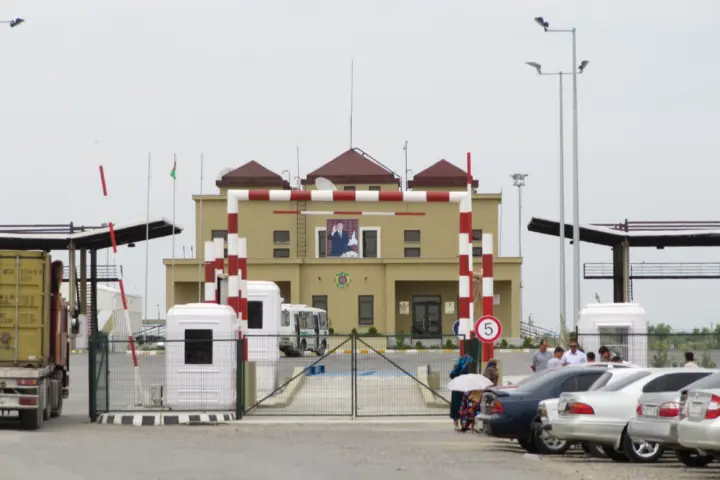
    Farap–Alat Border Crossing

    The Farap–Alat border crossing connects Turkmenistan and Uzbekistan on the Turkmenabat–Bukhara route. It serves as a starting or finishing point for overland tours. Meeting arrangements, transfers on both sides and availability of crossing on the required date are confirmed when planning the journey.

    Farap border crossing on the Turkmen side, archive photograph from 2010. Photo: Popo le Chien, Wikimedia Commons, CC BY 3.0. The source version was cropped and rotated by Mateus2019. The site may resize and crop the image for display.

  2. Dayahatyn Caravanserai

    Dayahatyn Caravanserai

    Dayahatyn recalls the caravan routes along the Amu Darya. Its enclosed courtyard and expressive brick decoration reveal the organisation of a roadside complex used by travellers and merchants.

    Photo: Allan Mustard / Wikimedia Commons, CC BY-SA 4.0. Archive photograph, 2015. Resized and cropped for display.

  3. Turkmenabat

    Turkmenabat

    Turkmenabat is a major city of Lebap in the Amu Darya valley. Visits to Dayahatyn, ancient Amul and the regional museum, as well as stops by the river, depend on the chosen itinerary.

    Photo: Eldar Yagmurov / Wikimedia Commons, CC0 1.0. Archive photograph, 2013. Resized and cropped for display.

  4. Amu Darya River Photo Stop

    The final nature stop focuses on the Amu Darya. The river panorama helps convey the importance of waterways and irrigated valleys to settlements in eastern Turkmenistan.

  5. Green Bazaar in Turkmenabat

    Green Bazaar in Turkmenabat

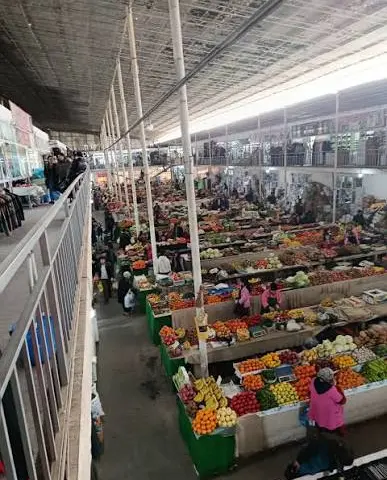
    The Green Bazaar in Turkmenabat offers a glimpse of everyday life in the Lebap region. Its stalls bring together local food, seasonal fruit, textiles and household goods. A market walk complements a city visit and provides a contrast to the region’s archaeological sites. Ask permission before photographing sellers or shoppers.

  6. Amul Fortress

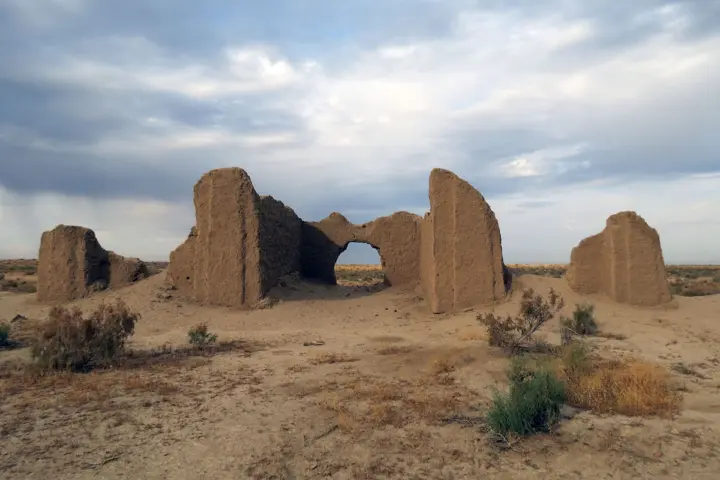
    Ruined earthen walls and an arch at ancient Amul

    Amul's earthen remains recall an ancient settlement near modern Turkmenabat. Its fortifications connect the city's history with the trade routes and river crossings of the Amu Darya valley.

  7. Ancient Merv

    Corrugated earthen wall of Great Kyz Kala at Merv

    Merv brings together the remains of neighbouring cities from different periods. The archaeological park reveals changing fortifications and centres of life within a major Silk Road oasis.

  8. Sultan Sanjar Mausoleum

    Sultan Sanjar mausoleum and surrounding ruins in the open landscape of Merv

    This substantial domed mausoleum recalls Merv's Seljuk period. Its proportions and surviving decorative details make it a prominent architectural landmark among the city's ruins.

  9. Greater Kyz Kala

    Corrugated earthen wall of Great Kyz Kala at Merv
    Greater Kyz Kala is recognisable by its substantial corrugated walls. This fortified earthen building on a raised base displays distinctive construction techniques associated with the Merv oasis.
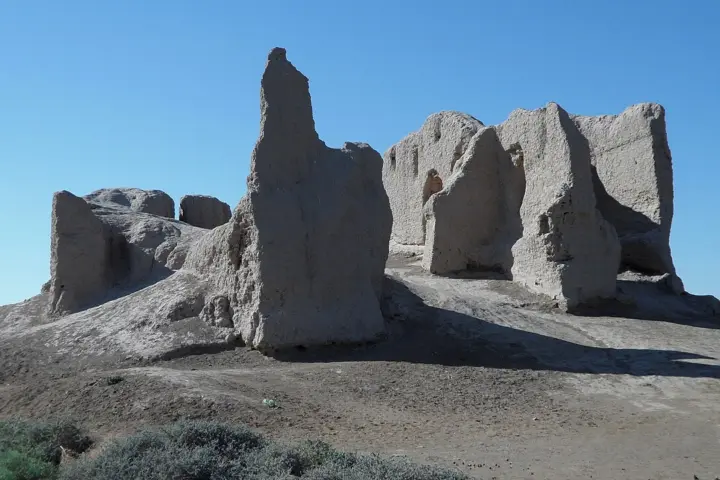
  10. Lesser Kyz Kala

    Lesser Kyz Kala

    Lesser Kyz Kala stands near the better-known larger building. Comparing the two ruins highlights differences in scale and preservation within Merv's distinctive earthen architecture.

    Photo: Hergit; Commons revision by Hic et nunc / Wikimedia Commons, CC BY-SA 3.0.

  11. Askhabs Mausoleums

    Askhabs Mausoleums

    The Askhabs mausoleums represent the pilgrimage traditions of Merv. Their memorial structures connect the archaeological landscape with local reverence for early followers of Islam.

    Photo: Dr. Alexey Yakovlev / Wikimedia Commons, CC BY-SA 2.0.

  12. Merv Sardoba

    A sardoba is a water-storage structure of particular importance in an arid oasis. Several survive at Merv, illustrating urban water supply and protection of stored water from evaporation.

  13. Erk Kala

    Erk Kala

    Erk Kala is one of Merv's early fortified enclosures. Its high earthen ramparts outline an ancient urban space and help visitors understand the oasis's defensive structures.

    Photo: Hans Birger Nilsen / Wikimedia Commons, CC BY-SA 2.0.

  14. Merv Gyaur Kala

    Gyaur Kala forms an extensive fortified area of ancient Merv. Its layout and long ramparts reveal the scale of the city that developed beside the earlier Erk Kala.

  15. Mary

    Mary

    Mary is a modern city of the Murgab oasis and a base for Merv and Gonur Depe. Its streets and public buildings complement the archaeological visits with an introduction to regional life.

    Photo: Hans Birger Nilsen / Wikimedia Commons, CC BY 2.0. Archive photograph, 2018. Resized and cropped for display.

  16. Ancient Abiverd on the Silk Road

    Ancient Abiverd on the Silk Road

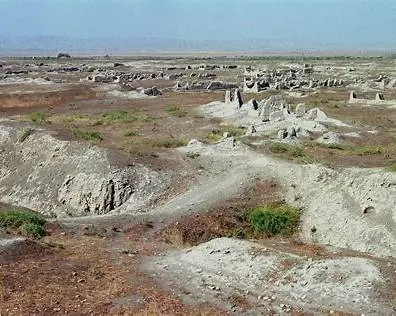
    Abiverd is an archaeological site near Kaahka in the Ahal region. Its earthen fortifications, citadel remains and traces of urban settlement recall a trading and craft centre of medieval Khorasan. A stop here adds historical context to journeys between Ashgabat and Merv and reveals the layout of a Silk Road town.

  17. Seyit Jemaletdin Mosque Ruins in Anau

    Seyit Jemaletdin Mosque Ruins in Anau

    The ruins of the Seyit Jemaletdin Mosque stand in Anau, east of Ashgabat. The medieval complex is known for the unusual dragon decoration on its lost portal, recorded in historical photographs. Parts of the structures remain after the 1948 earthquake, offering an introduction to Ahal’s architectural heritage and pilgrimage traditions.

  18. Ashgabat

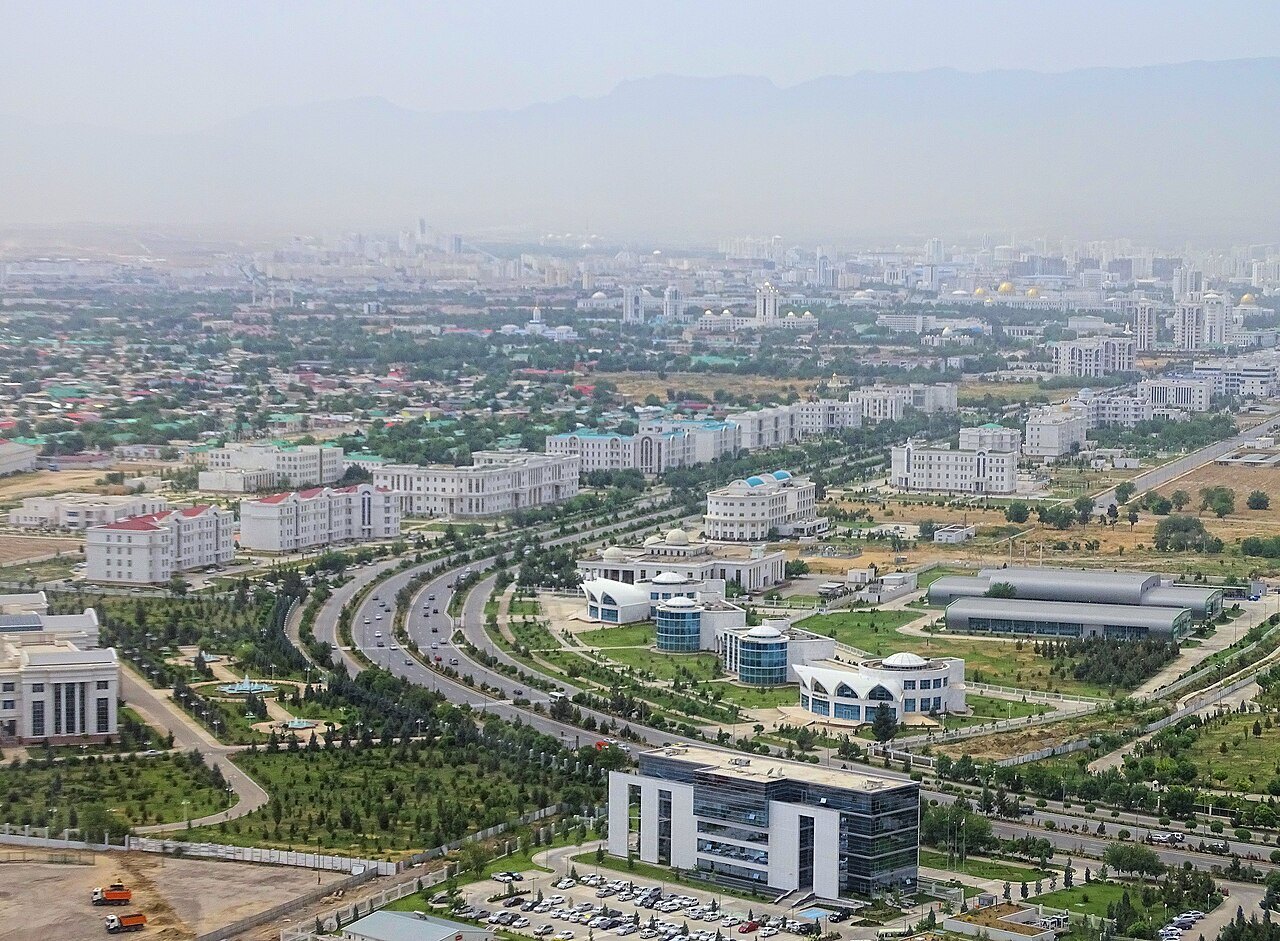
    Aerial view of Ashgabat's broad avenues and white buildings

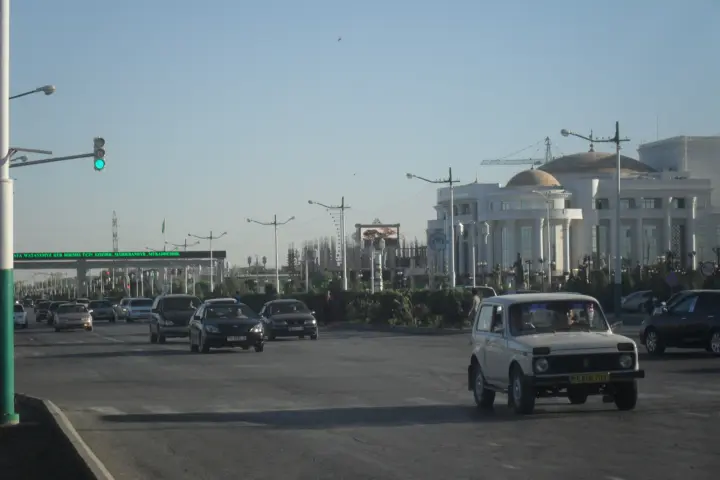
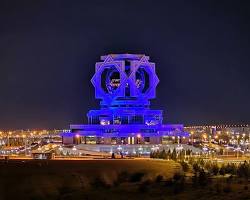
    Turkmenistan's capital combines broad avenues, landscaped spaces and monumental marble architecture. City visits introduce the country's modern urban landscape between the desert and historical stages of the journey.

  19. Parthian Fortresses of Nisa: Old and New Nisa

    Parthian Fortresses of Nisa: Old and New Nisa

    Old and New Nisa near Ashgabat form the UNESCO World Heritage property known as the Parthian Fortresses of Nisa. Fortifications and monumental building remains reveal an important centre of the Parthian Empire. Visiting the archaeological complex adds an ancient historical dimension to a stay in Turkmenistan’s modern capital.

    Photo: Bjørn Christian Tørrissen / Wikimedia Commons, CC BY-SA 4.0. Archive photograph, 2015. Resized and cropped for display.

  20. State Museum of Turkmenistan in Ashgabat

    State Museum of Turkmenistan in Ashgabat

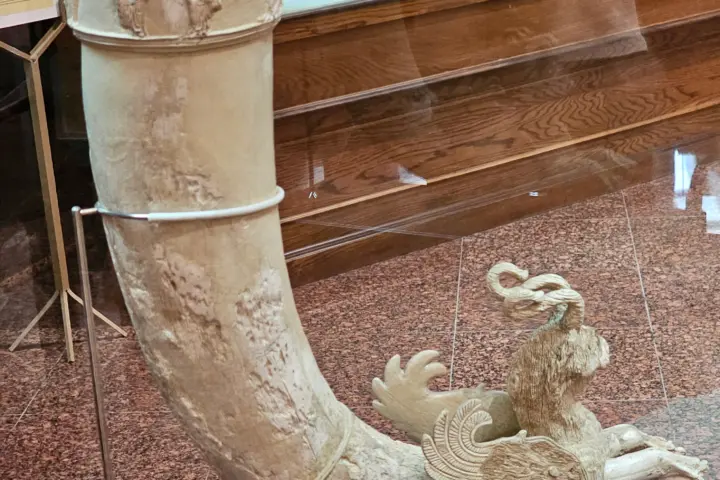
    The State Museum in Ashgabat introduces Turkmenistan’s history through archaeological discoveries and works of art. Displays explore ancient settlements, Margush, Parthia and medieval cities. Objects from Nisa complement a visit to the Parthian fortresses and help bring the cultures of ancient Central Asia into focus.

    Pictured: an ivory rhyton from Nisa in the museum in Ashgabat. Photo: Richard Mortel / Wikimedia Commons, CC BY 2.0. Archive photograph, 2023. Resized and cropped for display.

  21. Karakum Desert

    Karakum Desert

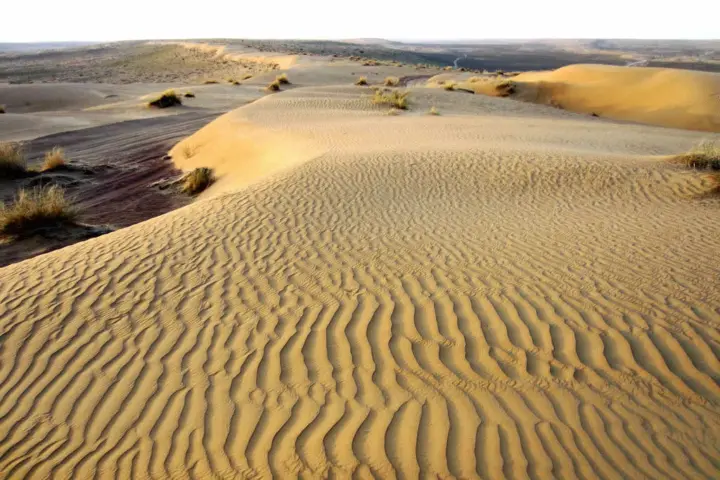
    Journeys through the Karakum reveal sandy landscapes and sparse desert vegetation. The stops included depend on the chosen tour itinerary.

    Photo: David Stanley / Wikimedia Commons, CC BY 2.0.

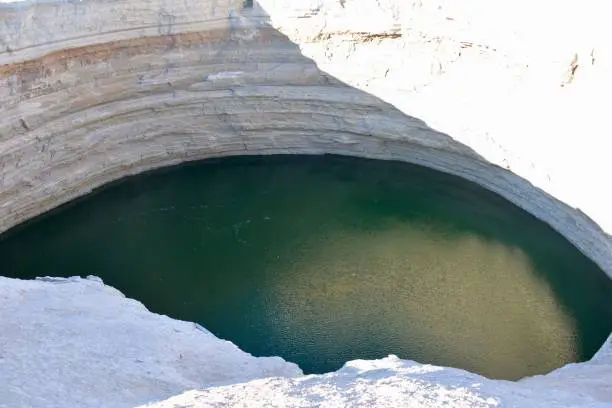
  22. Darvaza Water Crater

    Green water at the bottom of Darvaza's steep-sided water crater
    The Water Crater reveals another side of the desert's collapsed cavities, with water at its base. This short stop complements the burning crater and invites comparison between nearby formations.
  23. Darvaza Mud Crater

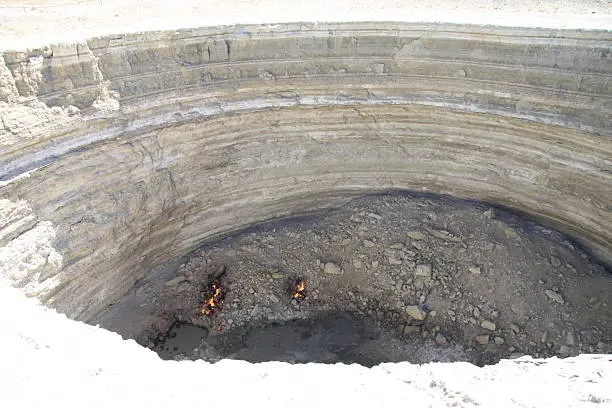
    Layered walls and small flames on the floor of Darvaza's mud crater
    The Mud Crater is one of the brief stops on the road between Darvaza and Ashgabat. Here the focus shifts from flames to the shape of the depression and its muddy interior.
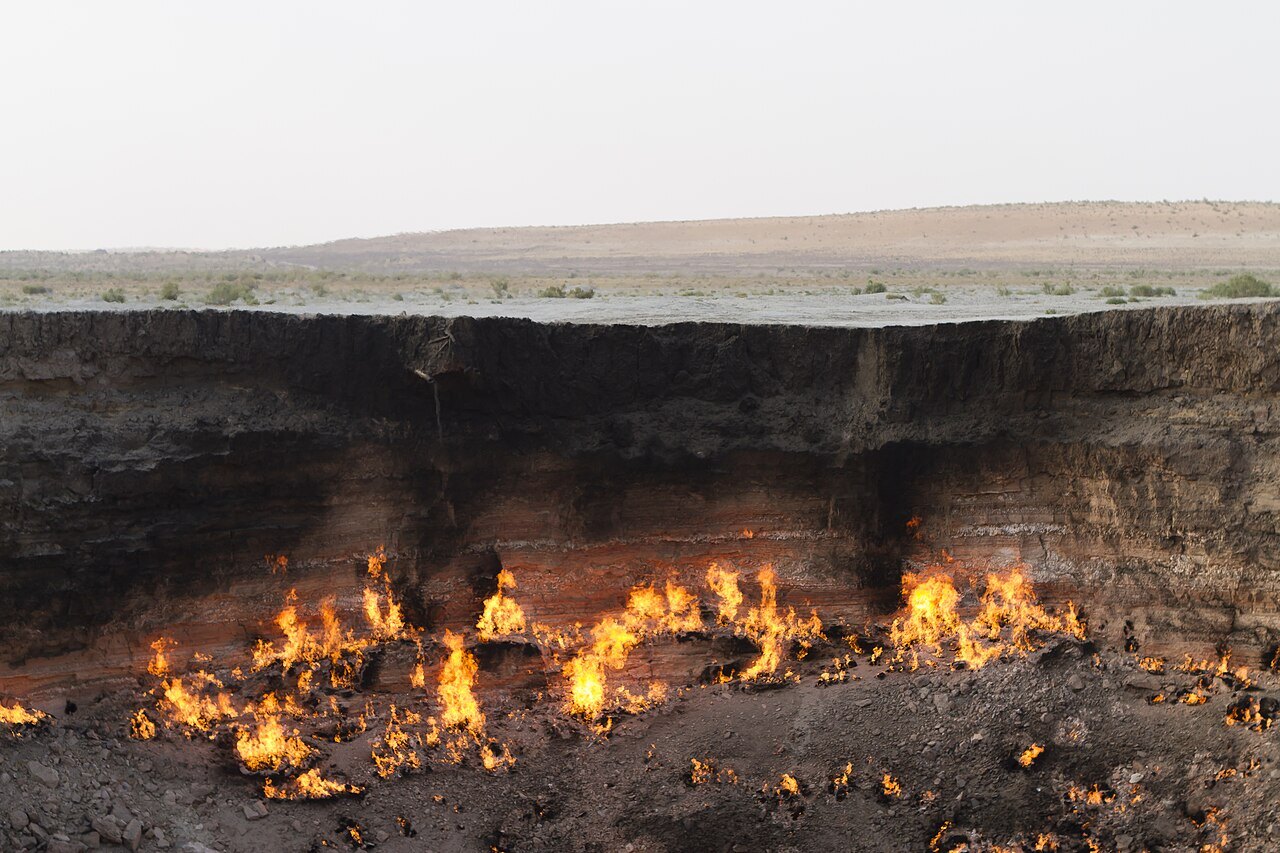
  24. Darvaza Gas Crater

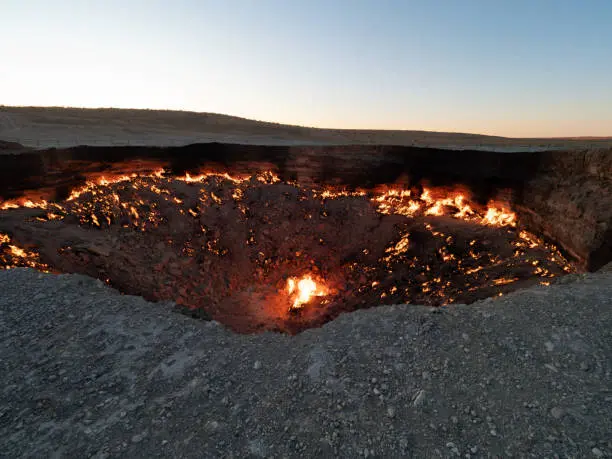
    Flames inside the Darvaza gas crater in daylight

    In the Karakum Desert, escaping gas sustains combustion inside a collapsed cavity. The evening visit offers changing views of the crater before an overnight stay at a desert camp.

  25. Kunya-Urgench

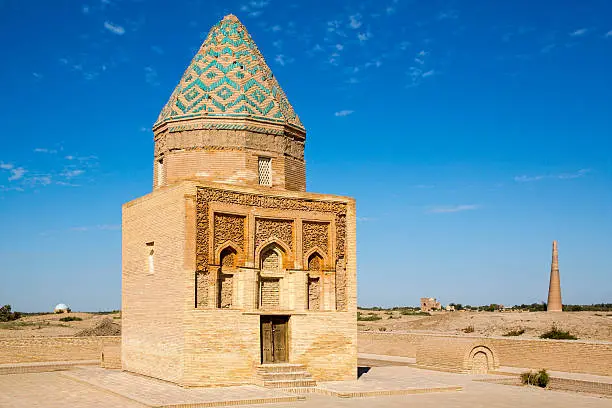
    Conical tiled roof of the Tekesh mausoleum in Kunya-Urgench

    Kunya-Urgench preserves monuments of Khorezm's former capital. Its minarets, mausoleums and urban remains reveal the skill of medieval builders working with brick and architectural ornament.

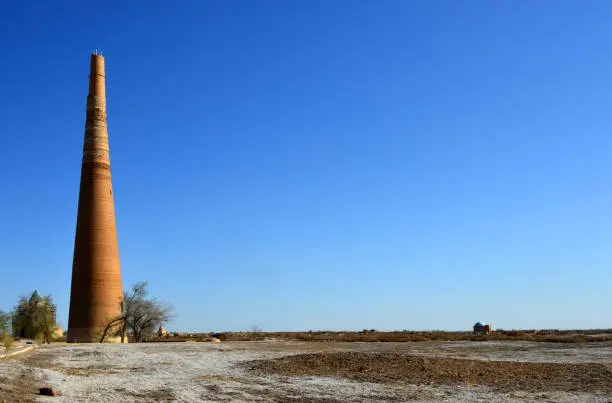
  26. Kutlug-Timur Minaret

    Kutlug-Timur Minaret
    This tall brick minaret rises above the archaeological landscape of Kunya-Urgench. Bands of masonry and inscriptions articulate its tapering shaft, recalling the monumental architecture of medieval Khorezm.
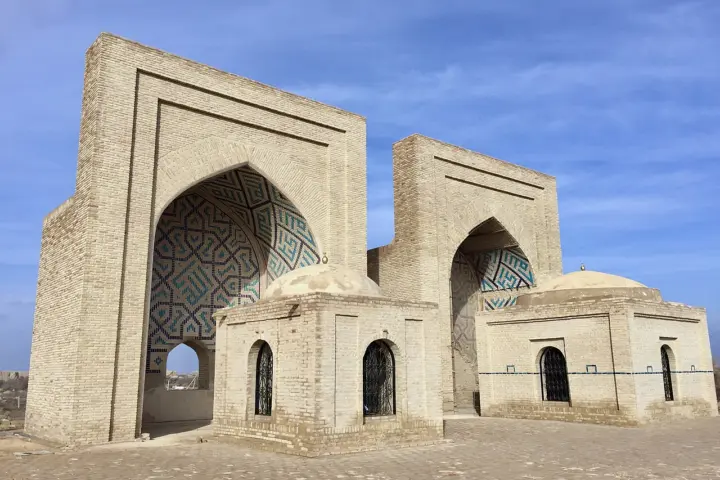
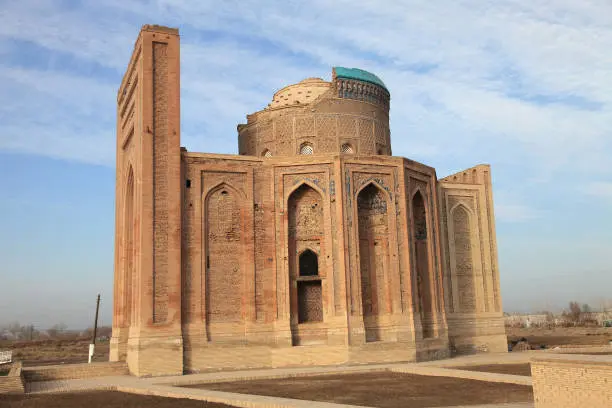
  27. Turabek-Khanum Mausoleum

    Brick entrance portal of the Turabek Khanum mausoleum in Kunya-Urgench
    Turabek-Khanum Mausoleum is distinguished by the geometry of its interior decoration. Multicoloured vault mosaics draw the eye upward, their repeating patterns suggesting a star-filled sky.
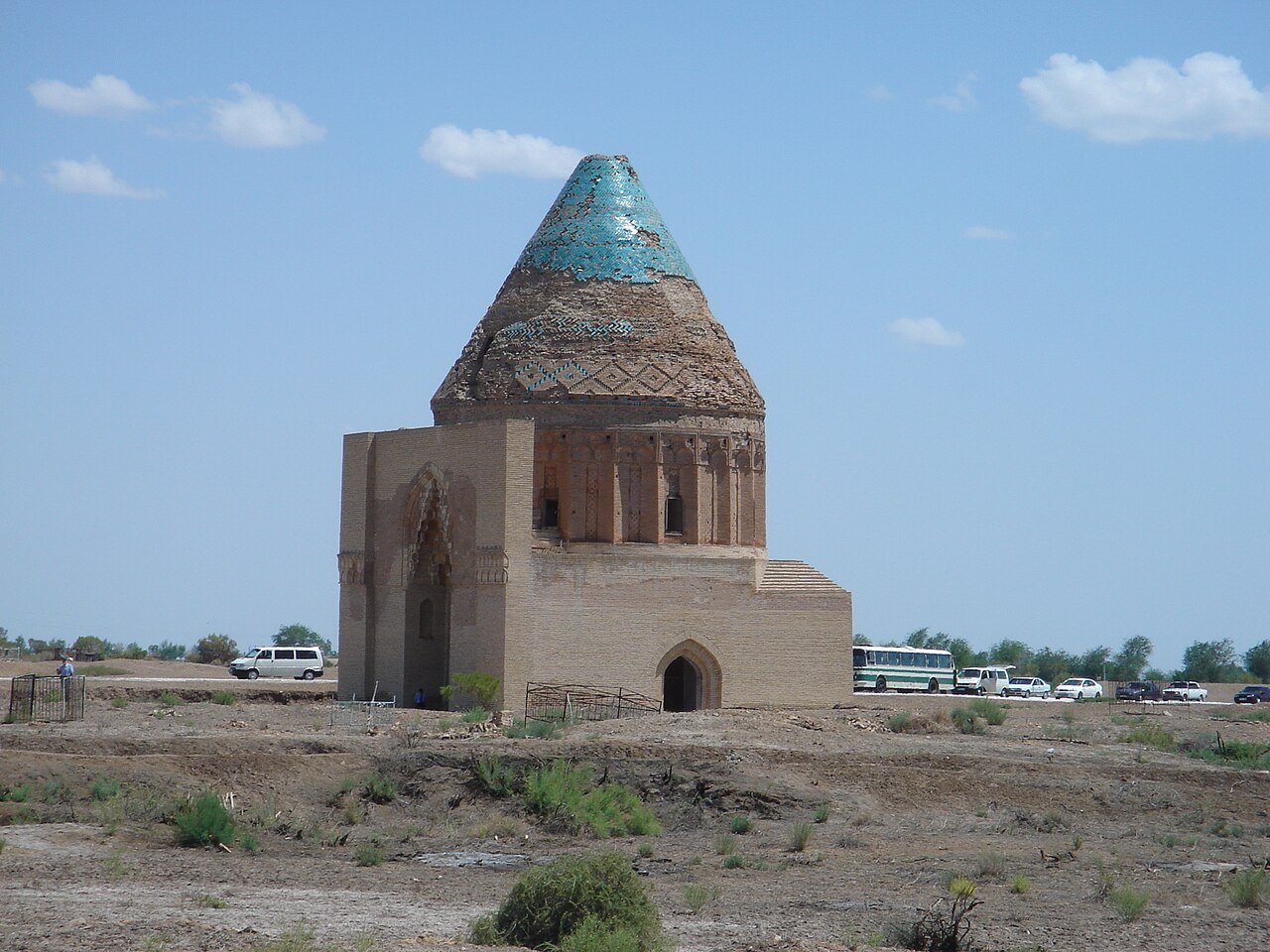
  28. Sultan Tekesh Mausoleum

    Conical tiled roof of the Tekesh mausoleum in Kunya-Urgench

    The mausoleum associated with Khorezmshah Tekesh is recognisable by its tall conical roof. Its substantial form and brick ornament offer a useful contrast with neighbouring Kunya-Urgench monuments.

  29. Il-Arslan Mausoleum

    Il-Arslan Mausoleum
    The compact Il-Arslan Mausoleum combines carved terracotta decoration with a faceted roof. It is a distinctive example of the earlier architectural heritage preserved at ancient Urgench.
  30. Kunya-Urgench Caravanserai Gate

    Kunya-Urgench Caravanserai Gate
    A solitary brick portal recalls the buildings of the vanished city. It is traditionally called the Caravanserai Gate, although the original function of the structure remains debated.

Route map