About This Ashgabat to Bukhara Transit Tour
This 3-day Turkmenistan transit tour from Ashgabat to Bukhara via Darvaza and Merv connects Ashgabat International Airport with Uzbekistan through the Farap border.
The journey combines three of Turkmenistan’s most distinctive experiences: the white-marble capital of Ashgabat, an overnight stay beside the Darvaza Gas Crater, and the UNESCO-listed ruins of Ancient Merv.
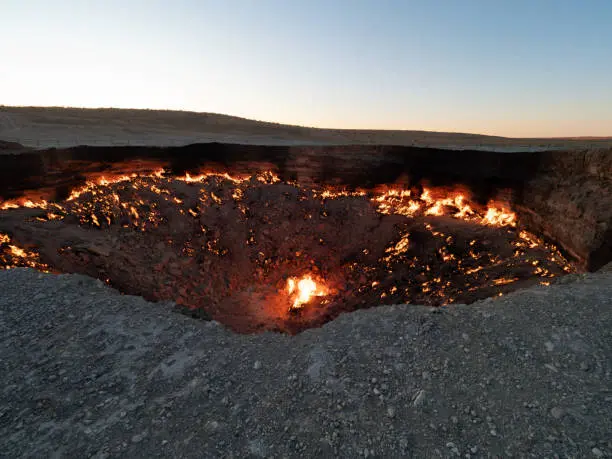
After arriving in Ashgabat, explore the capital before travelling north into the Karakum Desert for sunset, a traditional BBQ dinner and an overnight stay in a Turkmen yurt or tent near Darvaza.
On the second day, return to Ashgabat with stops at the Water and Mud craters. The final day follows the Ashgabat–Mary motorway east to Ancient Merv before continuing to Turkmenabat and the Farap–Alat border crossing for onward travel towards Bukhara.
This route is designed for travellers who want to cross Turkmenistan overland from Ashgabat to Bukhara while combining Darvaza, Merv and the Karakum Desert in a compact three-day itinerary.
Route
Ashgabat International Airport (ASB) → Ashgabat → Darvaza Gas Crater → Water Crater → Mud Crater → Ashgabat → Mary / Bayramaly → Ancient Merv → Turkmenabat → Farap Border → Bukhara
Tour Highlights
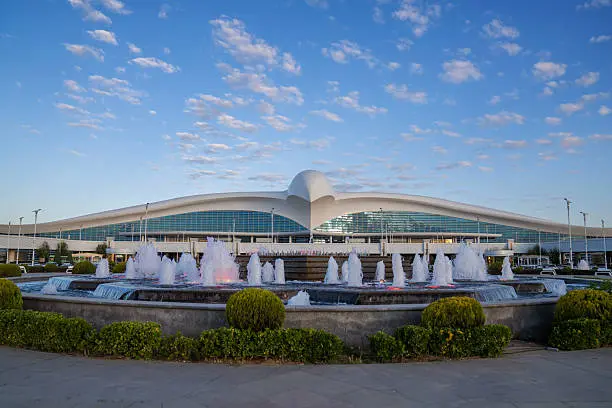
- Start at Ashgabat International Airport
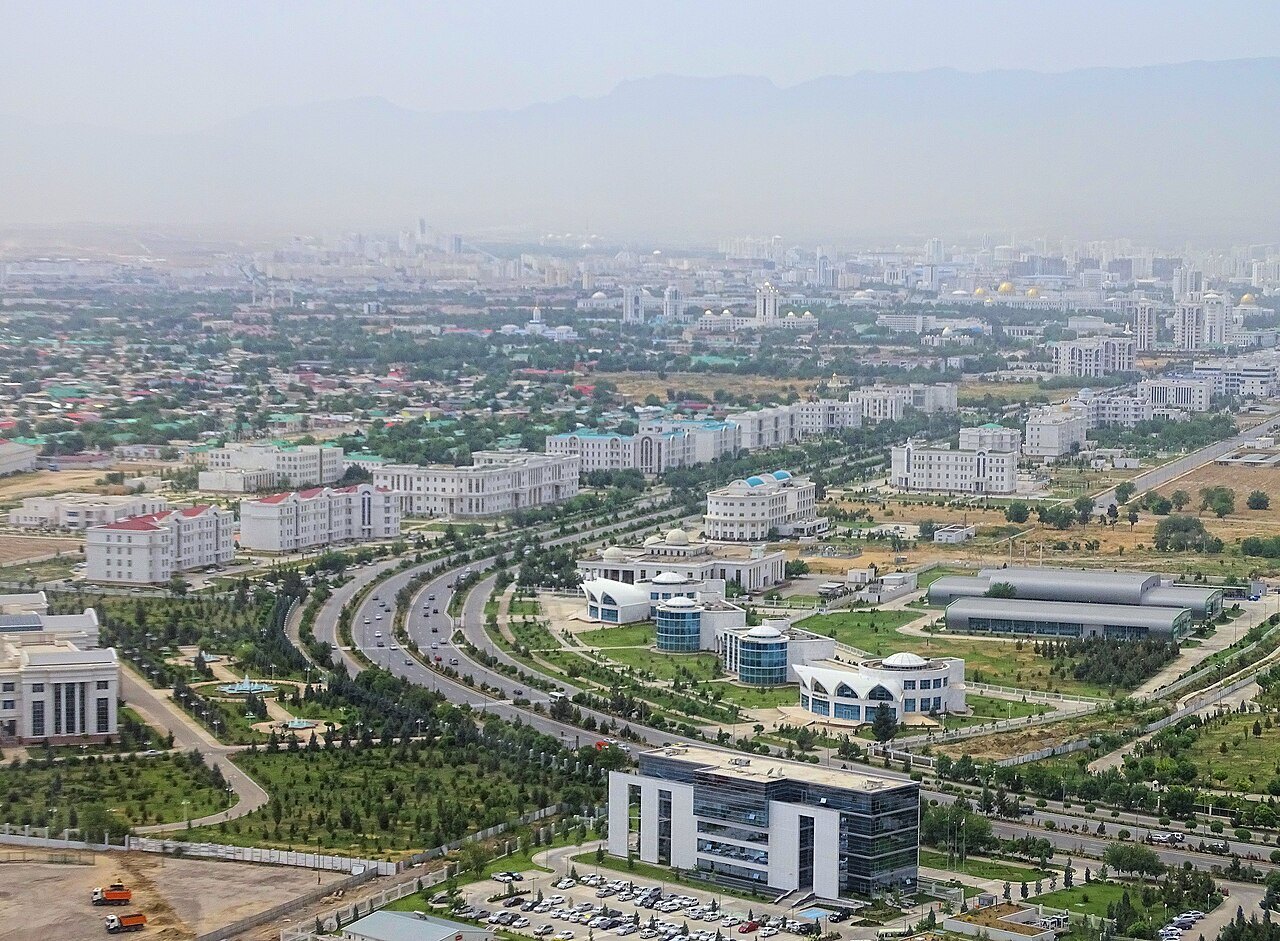
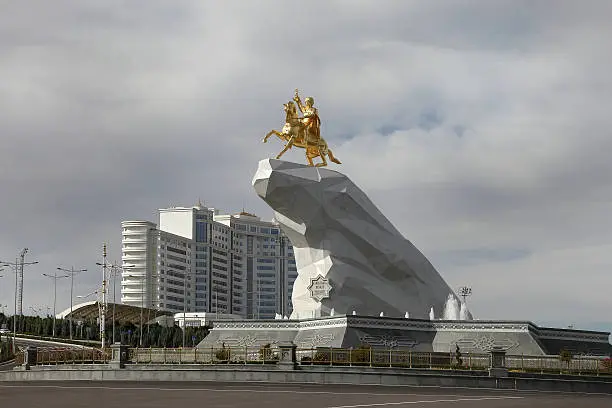
- Explore Ashgabat’s white-marble landmarks
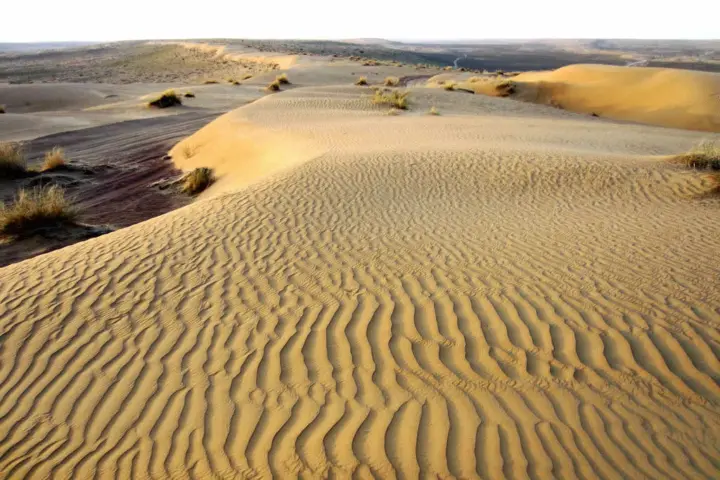
- Cross the Karakum Desert to Darvaza
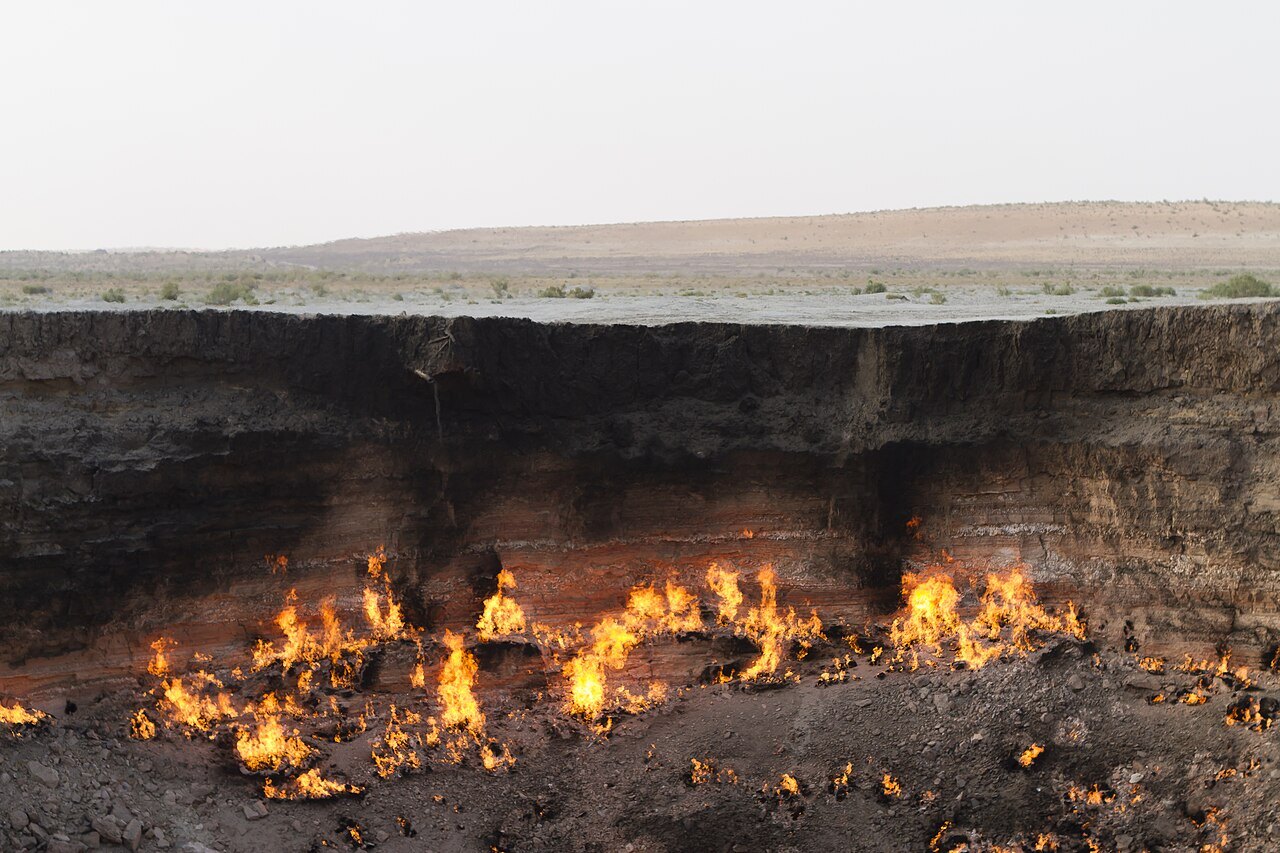
- Watch sunset at the Darvaza Gas Crater
- Enjoy a traditional BBQ dinner in the desert
- Overnight in a Turkmen yurt or comfortable tent
- Visit the Water Crater and Mud Crater
- Travel east via the Ashgabat–Mary motorway
- Explore UNESCO-listed Ancient Merv
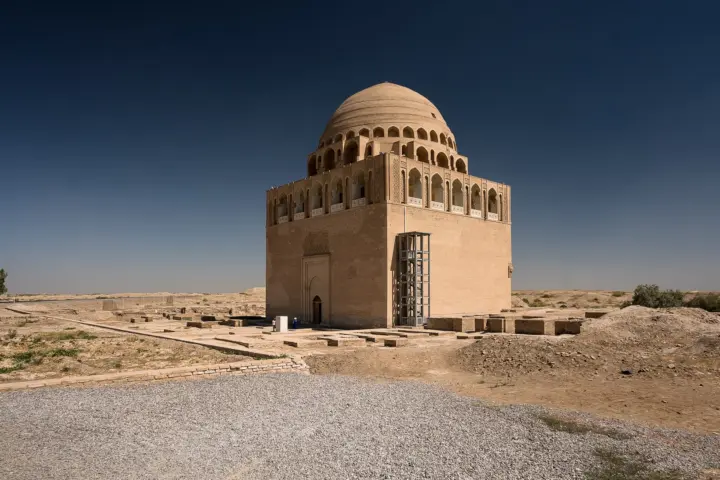
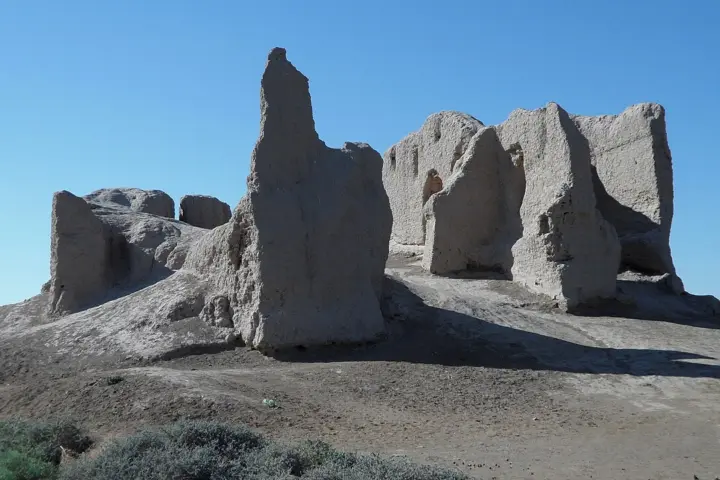
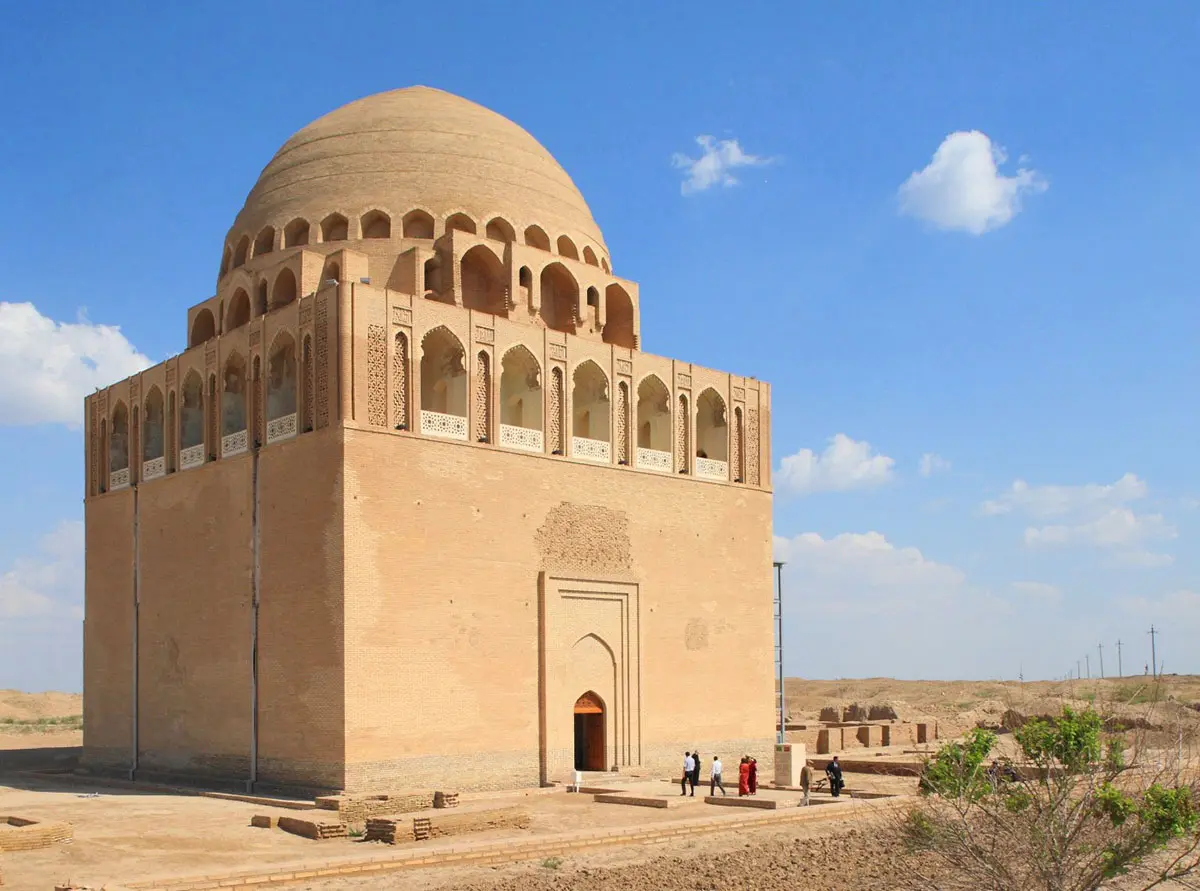
- Visit the Mausoleum of Sultan Sanjar and Kyz Kala fortresses
- Travel from Merv to Turkmenabat via motorway
- Enjoy a farewell dinner in Turkmenabat
- Cross the Farap–Alat border towards Bukhara
Day 1 – Ashgabat and Darvaza Gas Crater
Arrival at Ashgabat International Airport
Upon arrival at Ashgabat International Airport (ASB), complete customs and immigration formalities.
Our guide or driver will meet you in the arrivals area and recognise you using your photograph.
Breakfast and Airport Transfer
Transfer to a restaurant for breakfast and a short break before beginning the day’s programme.
Ashgabat City Highlights
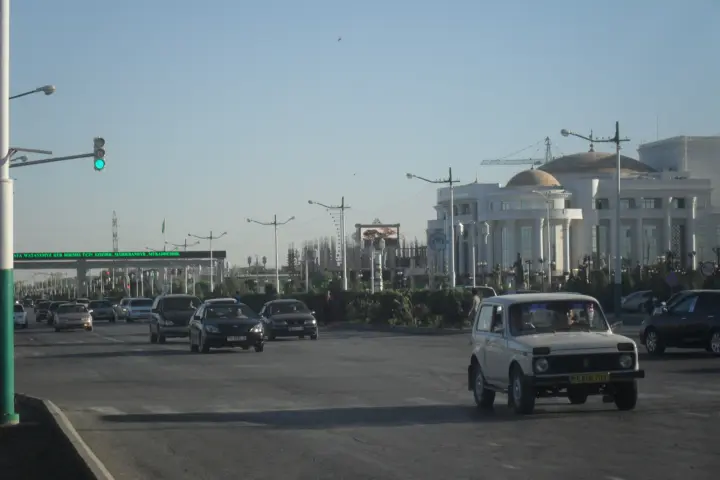
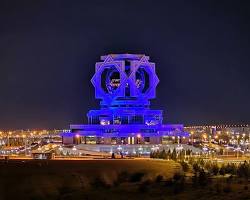
Start your journey with a morning orientation tour of Ashgabat, known for its distinctive white-marble architecture.
Explore the capital’s monumental buildings, futuristic avenues and carefully landscaped parks.
Lunch
Enjoy a traditional lunch at a local restaurant.
Drive into the Karakum Desert
In the afternoon, leave Ashgabat and travel north into the Karakum Desert.
The journey to Darvaza covers approximately 270 km and takes around 3.5 hours.
Please note that some sections of the road are rough and uneven, so parts of the journey may be bumpy.
Darvaza Gas Crater
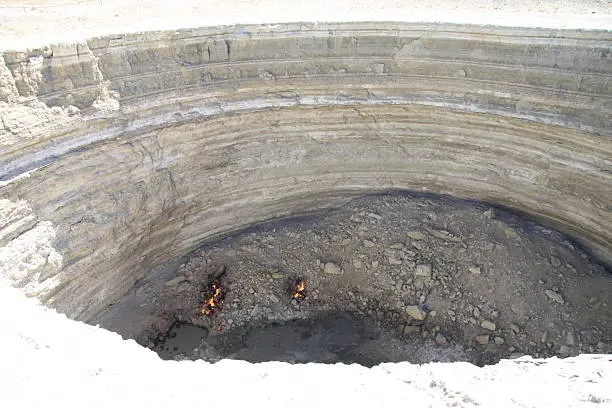
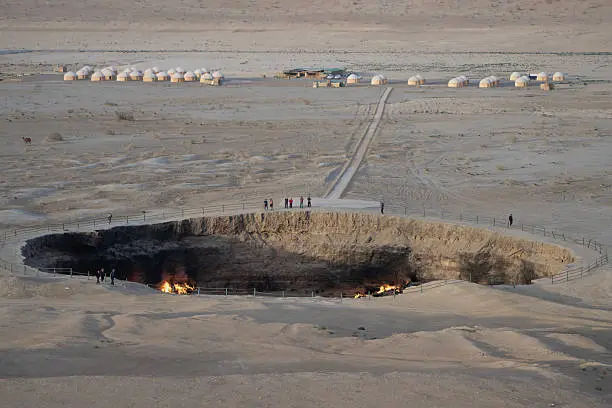
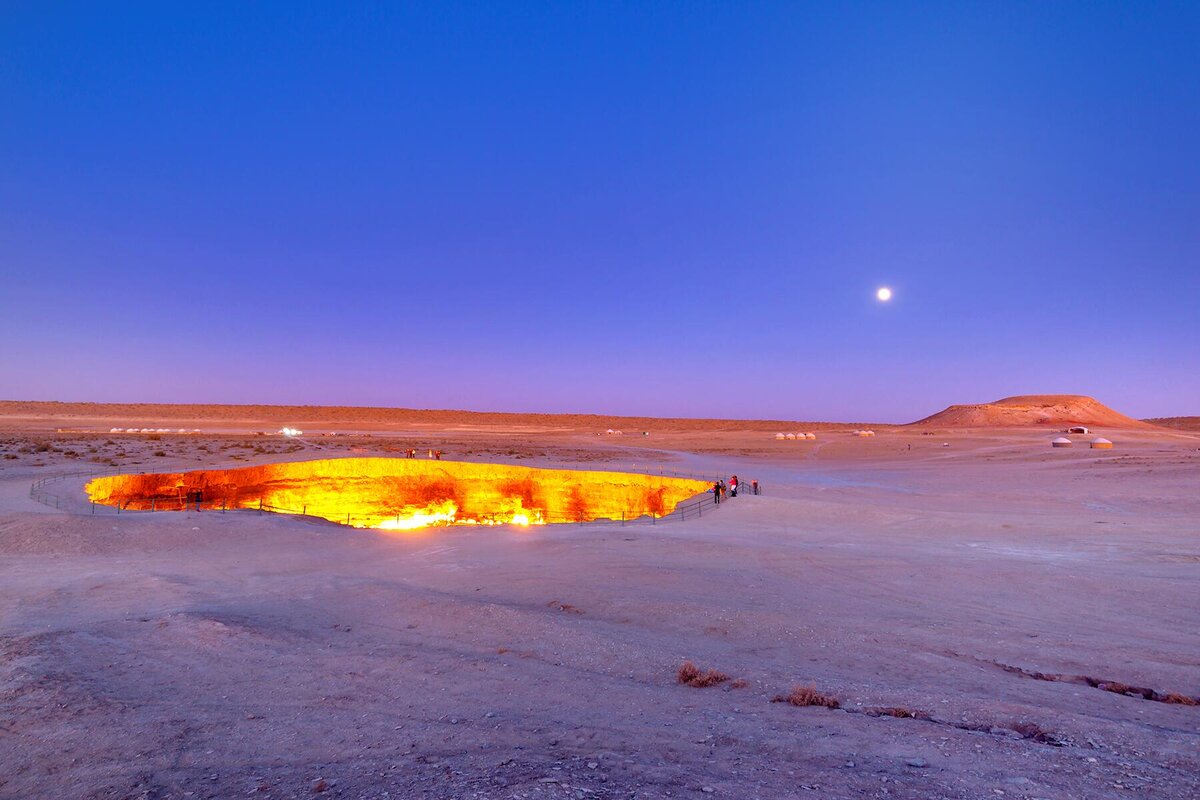
Arrive at the Darvaza Gas Crater, also known as the Door to Hell, in time for the evening.
Watch the desert landscape change at sunset as the glow of the burning crater becomes increasingly visible.
BBQ Dinner and Desert Evening
Enjoy a traditional open-air BBQ dinner prepared by our team at the campsite.
After dark, spend time near the crater and enjoy the opportunity for night-time viewing and photography beneath the desert sky.
Overnight near Darvaza
Stay overnight in a traditional Turkmen yurt or comfortable tent campsite near the crater.
Overnight: Darvaza yurt or tent camp.
Day 2 – Darvaza, Desert Craters and Ashgabat
Optional Sunrise Experience
Travellers who wish to wake early can visit the crater before sunrise.
Experience the changing morning light over the Karakum Desert while the flames are still visible against the dawn sky.
Breakfast and Departure
Enjoy breakfast at the camp before beginning the journey south towards Ashgabat.
The return drive covers approximately 270 km and takes around 3.5 hours.
Some sections of the road remain rough and uneven, so the journey may be bumpy in places.
Water Crater and Mud Crater
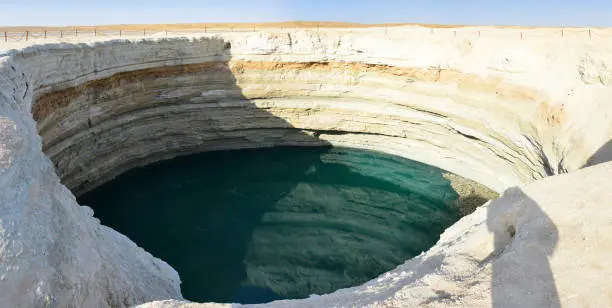
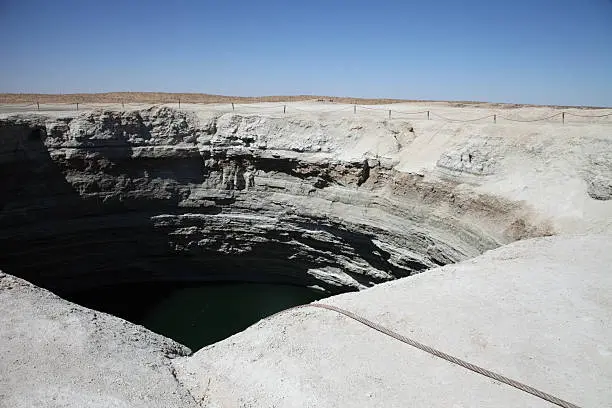
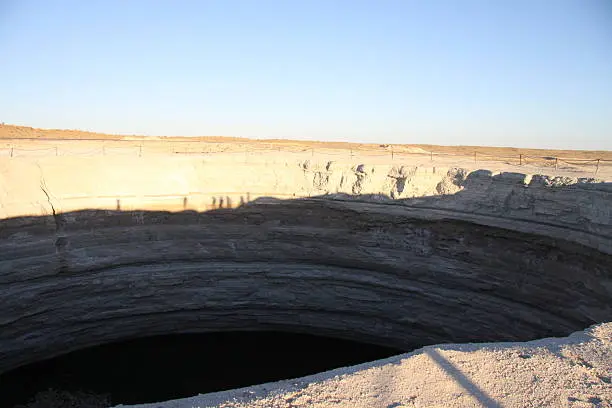
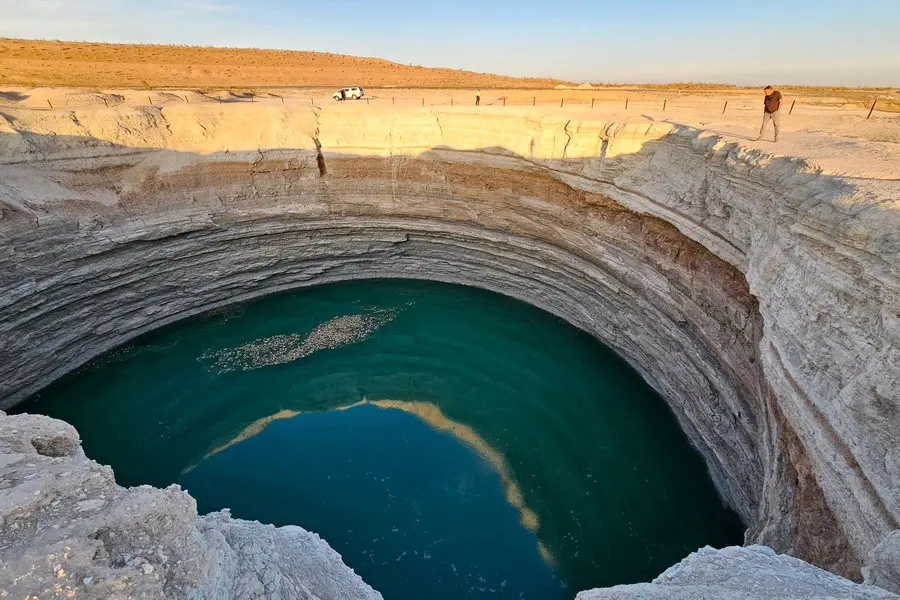
On the way to Ashgabat, make short stops at the Water Crater and Mud Crater.
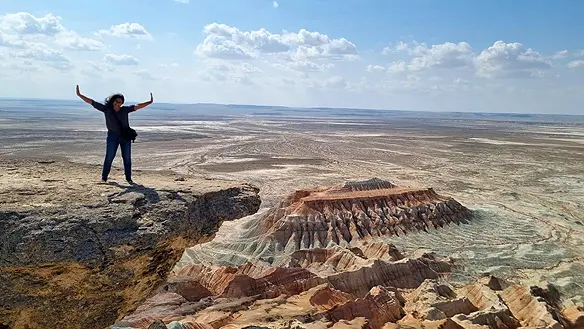
These unusual desert features offer a different perspective on the geological landscape of the Karakum.
Lunch in Ashgabat
Upon arrival in the capital, enjoy lunch at a local restaurant.
Ashgabat City Tour
Spend the afternoon visiting any remaining landmarks, museums or local bazaars that were not included on the first day.
The programme can also include time for souvenir shopping.
Overnight in Ashgabat
Stay overnight at a hotel in Ashgabat.
Overnight: Hotel in Ashgabat.
Day 3 – Ancient Merv, Turkmenabat and Farap Border
Morning Departure from Ashgabat
Depart Ashgabat at 07:30 AM and travel east along the Ashgabat–Mary High-Speed Motorway.
The journey covers approximately 360 km and takes around 3.5 to 4 hours.
Lunch in Mary or Bayramaly
Arrive in the Mary region and enjoy a traditional lunch at a local restaurant in Mary or Bayramaly.
Ancient Merv Guided Tour
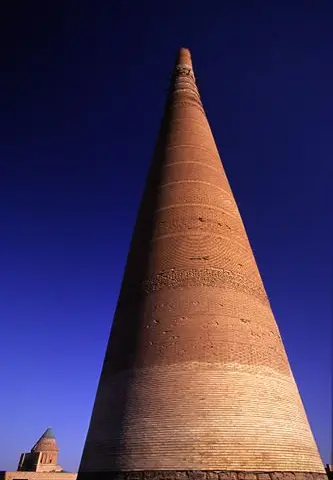
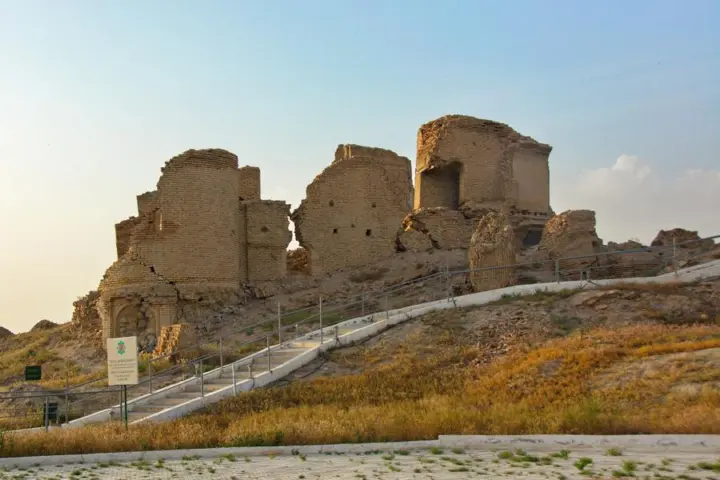
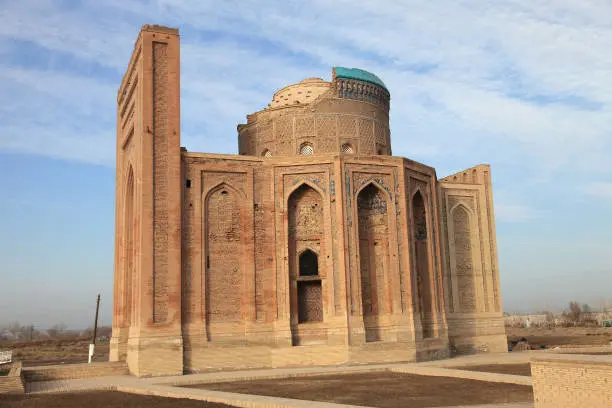
Continue to Ancient Merv, one of Turkmenistan’s major UNESCO World Heritage Sites.
Explore the principal monuments of the archaeological park in a streamlined route.
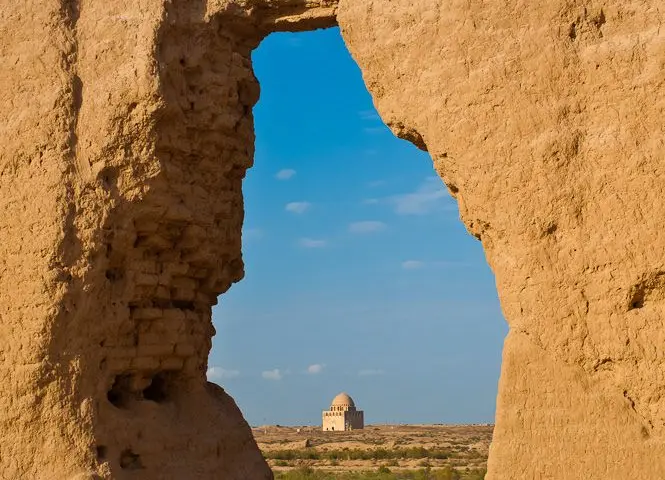
Mausoleum of Sultan Sanjar
Visit the 12th-century Seljuk mausoleum, known for its impressive double-dome construction.
Greater and Lesser Kyz Kala
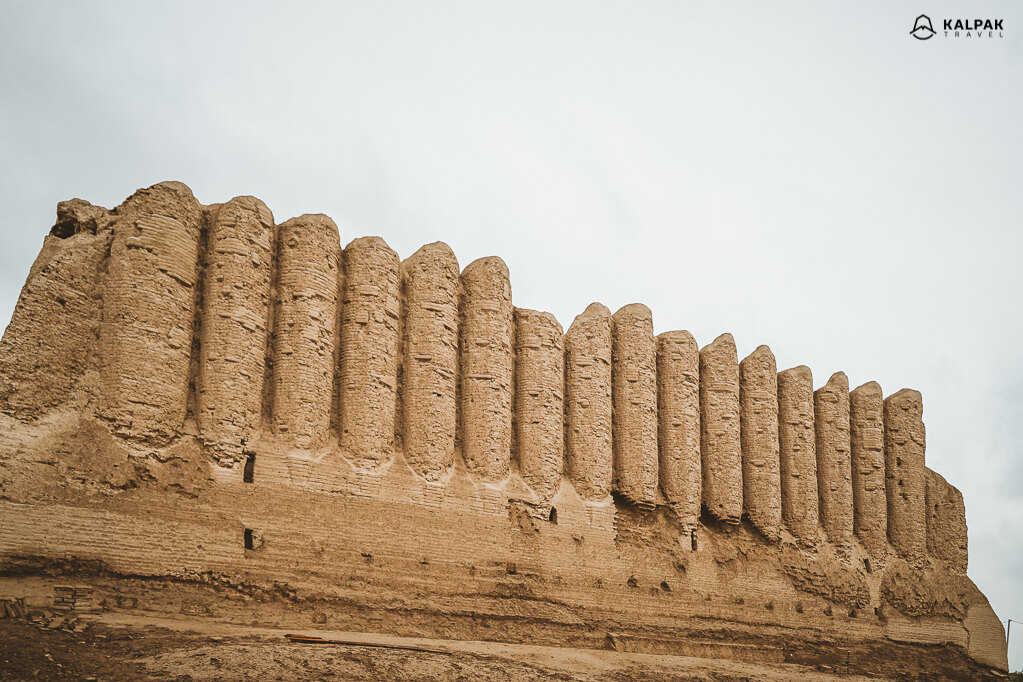
See the distinctive mud-brick fortresses with their characteristic corrugated walls, dating from the 7th to 12th centuries.
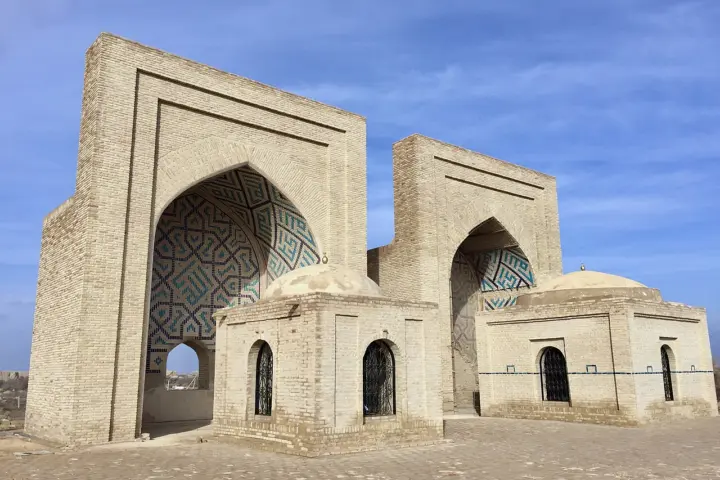
Askhabs Mausoleums and Ancient Sardoba
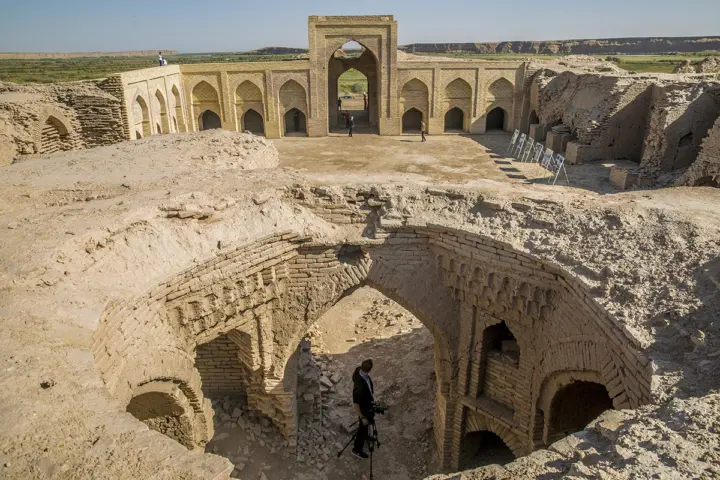
Visit the sacred burial sites associated with the companions of the Prophet Muhammad, along with the nearby medieval public baths and the traditional desert water-storage structure known as a sardoba.
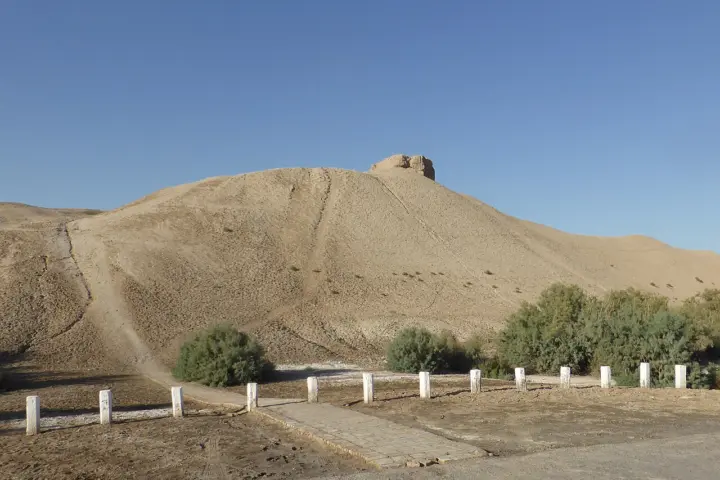
Erk Kala and Gyaur Kala
Explore the massive ancient citadels and enjoy panoramic views across the extensive archaeological landscape.
Ancient Merv contains many additional ruins and smaller historical sites. Depending on your available time and personal interests, other places within the archaeological park can also be explored.
Drive to Turkmenabat
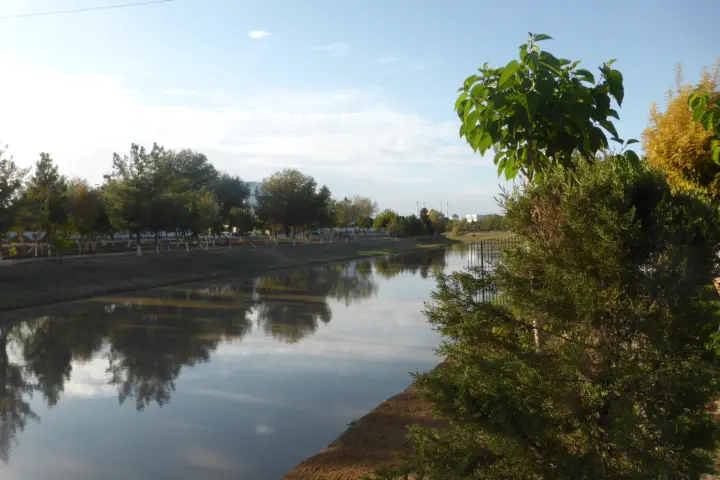
Leave Merv and continue northeast towards Turkmenabat via the Mary–Turkmenabat High-Speed Motorway.
The journey covers approximately 240 km and takes around 2.5 hours.
Farewell Dinner in Turkmenabat
Arrive in Turkmenabat and enjoy a farewell dinner at a local restaurant.
Transfer to Farap Border
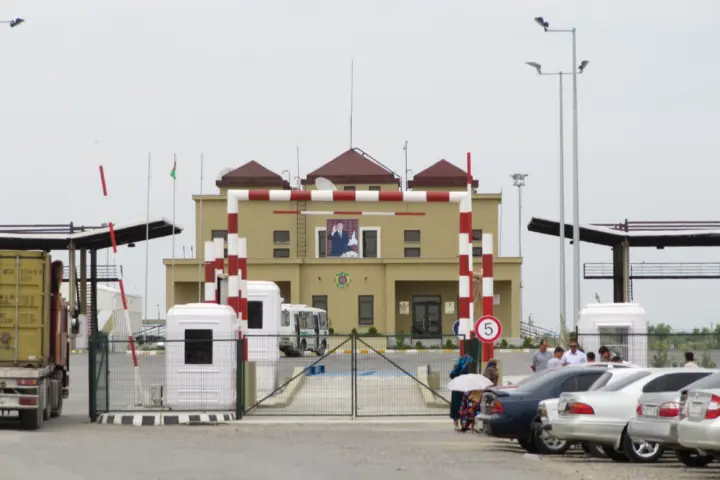
After dinner, continue to the Farap–Alat border crossing.
The final drive covers approximately 40 km and takes around 40 minutes.
Upon arrival at the border terminal, our team will escort and assist you with Turkmen customs and departure immigration formalities in accordance with official border permit regulations.
After crossing into Uzbekistan, continue your journey towards Bukhara.
End of Tour Services
Compare Routes and Plan Your Visit
If you have fewer days available, compare our 2-day Ashgabat–Merv–Farap transit tour.
If you can allow more time, explore our 5-day Ashgabat–Bukhara tour with Gonur Depe.
Prepare for the archaeological sites with our Ancient Merv travel guide.