Tour no. 4
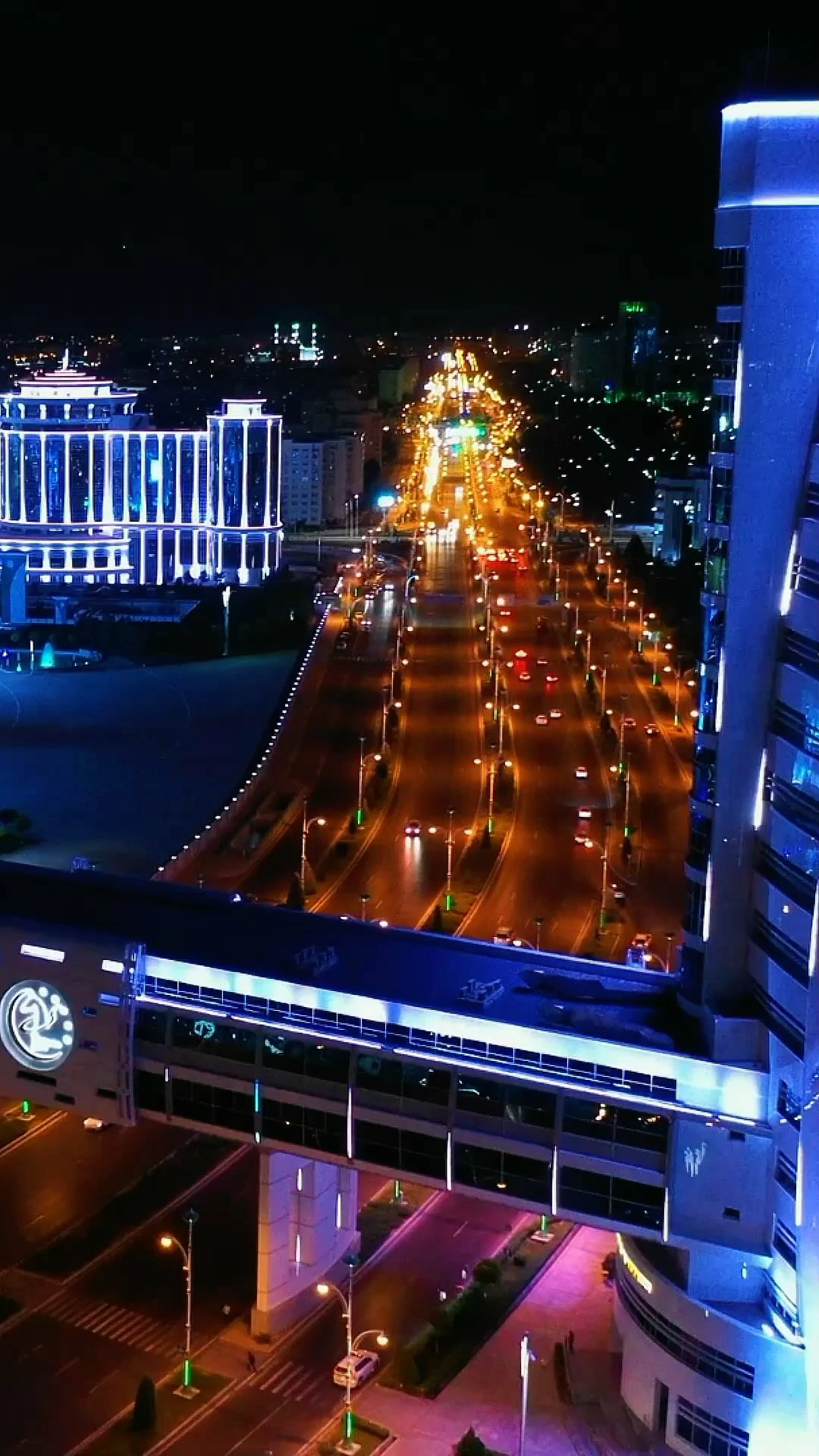
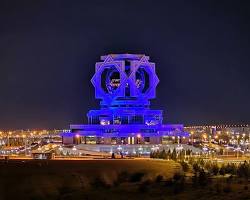
Ashgabat Wedding Palace illuminated in purple at night

4-Day Circular Turkmenistan Highlights Tour from Ashgabat

Dates and price on request Get a price for my dates

Tour at a glance

  • Duration: 4 days.
  • Start: At Ashgabat International Airport (ASB), meet your guide or driver as you leave the arrivals area. The first stop is for breakfast before sightseeing.
  • Main stops: Ashgabat, Kunya-Urgench, Darvaza Gas Crater and Ancient Merv.
  • Finish: Ashgabat International Airport (ASB).
  • Route type: A circular route with a domestic flight from Ashgabat to Dashoguz, hotel stays in Ashgabat and a yurt night at Darvaza.
Duration4 days
Route start Ashgabat International Airport (ASB) Finish: Ashgabat International Airport (ASB)

Tour details

Route: Ashgabat (ASB Airport) – Dashoguz – Kunya-Urgench – Dashoguz – Darvaza Gas Crater – Ashgabat – Ancient Merv – Mary – Ashgabat (ASB Airport)

Tour Overview

This 4-day circular Turkmenistan tour from Ashgabat is designed for travellers who want to experience several of the country’s most important highlights in a short but well-balanced itinerary.

Begin in Ashgabat, famous for its striking white-marble architecture, before taking a domestic flight north to Dashoguz. From there, travel to UNESCO-listed Kunya-Urgench and explore its remarkable medieval monuments.

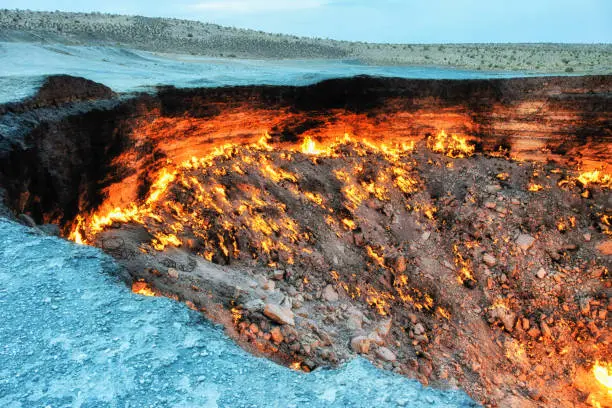
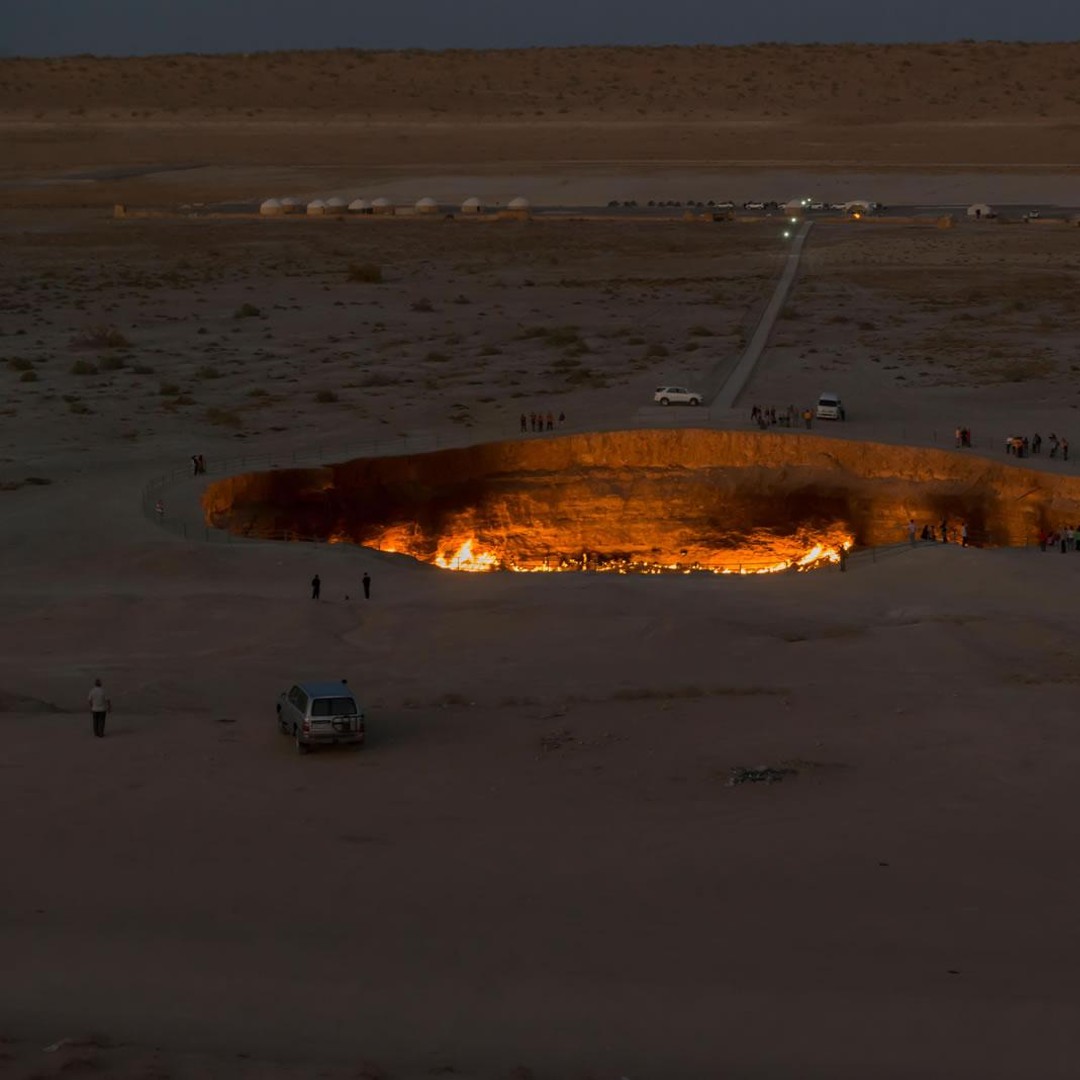
Continue south through the Karakum Desert to the legendary Darvaza Gas Crater, where you will enjoy a traditional BBQ dinner and spend the night in a Turkmen yurt beside the glowing crater.

The following day, return to Ashgabat with stops at the Water and Mud craters. On your final day, travel east along the high-speed motorway to Ancient Merv, another UNESCO World Heritage Site and one of the great historical centres of the Silk Road.

Return to Ashgabat for a farewell dinner and transfer to Ashgabat International Airport.

Day 1: Arrival in Ashgabat and City Tour

Arrival at Ashgabat International Airport

Upon arrival at Ashgabat International Airport (ASB), complete passport control, customs and immigration formalities.

Airport Meet-Up and Breakfast

After leaving the arrivals area, meet our guide or driver.

Our team will recognise you using the photograph provided in advance.

Transfer to a local restaurant for breakfast and a short break before beginning the day’s sightseeing.

Ashgabat City Highlights

Begin a private, flexible Ashgabat city tour.

Discover the capital’s distinctive white-marble architecture, modern monuments, parks and cultural attractions.

The programme can be adjusted to your interests and preferred pace.

Lunch and Dinner

Enjoy a traditional lunch during the sightseeing programme.

In the evening, relax over dinner at a local restaurant and sample Turkmen or regional cuisine.

Overnight: Hotel in Ashgabat.

Day 2: Ashgabat – Dashoguz – Kunya-Urgench – Darvaza Gas Crater

Early Morning Flight to Dashoguz

Transfer to the domestic airport for an early flight from Ashgabat to Dashoguz, with departure scheduled at approximately 06:00 AM.

Upon arrival, meet your driver and continue towards Kunya-Urgench.

Drive to Kunya-Urgench

Travel approximately 100 km from Dashoguz to Kunya-Urgench.

The drive normally takes around 1.5 to 2 hours.

Kunya-Urgench Historical Tour

Explore the UNESCO World Heritage monuments of Kunya-Urgench, once an important centre of the Khorezm region and the Silk Road.

Kutlug-Timur Minaret

See the impressive Kutlug-Timur Minaret, one of the most remarkable medieval monuments in Central Asia.

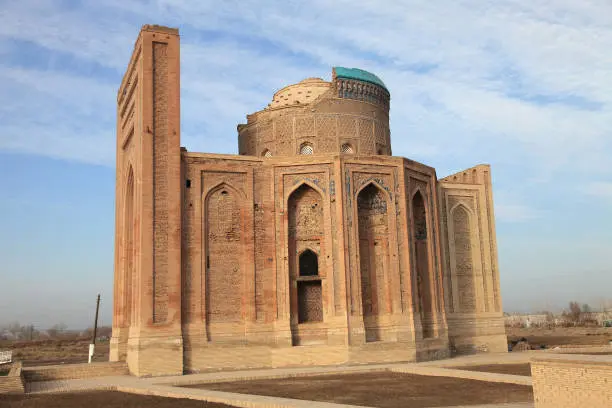
Turabek-Khanum Mausoleum

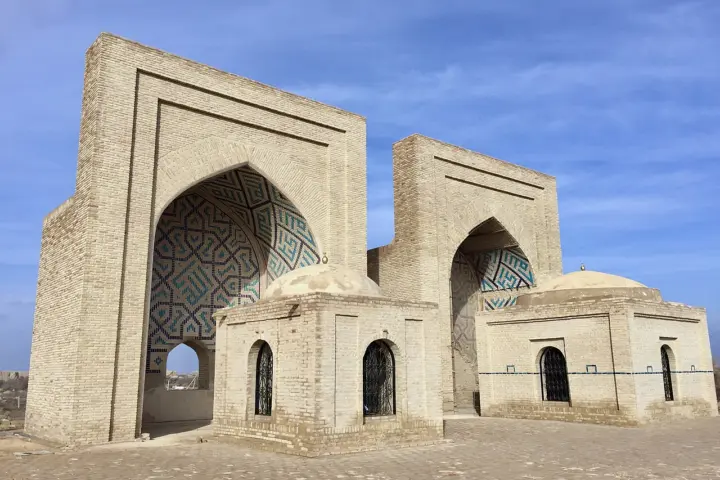
Visit the elegant Turabek-Khanum Mausoleum, particularly known for the intricate geometric decoration of its interior dome.

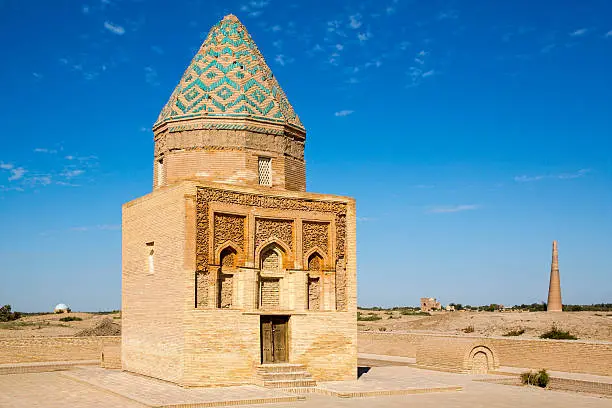
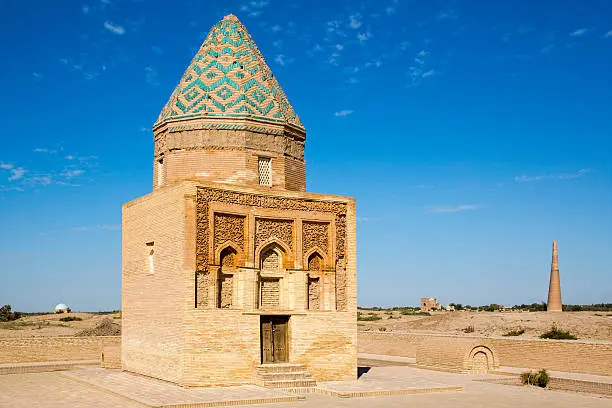
Sultan Tekesh and Il-Arslan Mausoleums

Explore the historic mausoleums of Sultan Tekesh and Il-Arslan, recognisable by their distinctive conical domes.

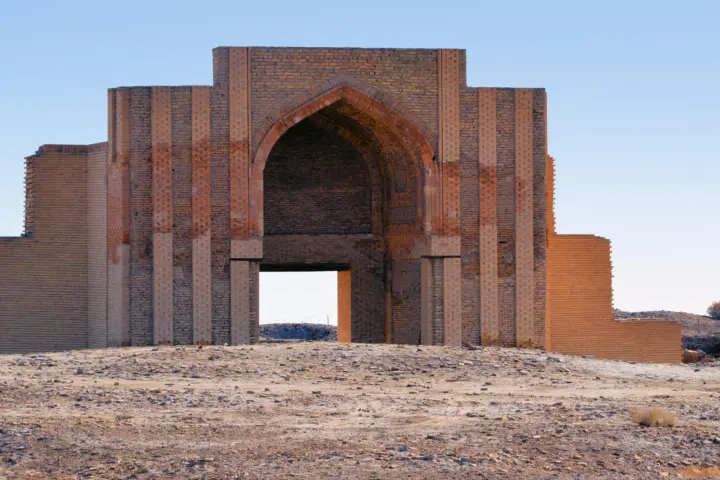
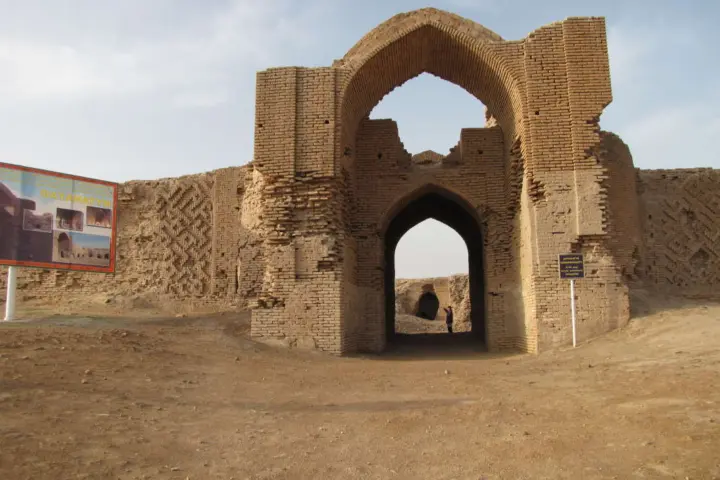
Caravanserai Gate

See the surviving Caravanserai Gate, a reminder of Kunya-Urgench’s historic role along the Silk Road.

Return to Dashoguz

After the historical tour, return to Dashoguz.

Enjoy a traditional lunch at a local restaurant.

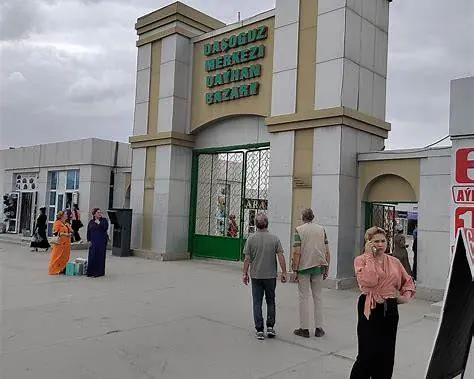
Dashoguz Bazaar

Visit the local bazaar to experience everyday life in northern Turkmenistan and purchase fresh fruit, snacks or supplies for the desert journey.

Journey Across the Karakum Desert

Continue south towards the Darvaza Gas Crater.

The distance is approximately 300 km, with an estimated driving time of around 4 to 4.5 hours.

Some sections of the road are rough and uneven, so expect a bumpy ride through the Central Karakum Desert.

Darvaza Gas Crater

Arrive at the famous burning crater around sunset.

As the sky darkens, the flames become increasingly dramatic and illuminate the surrounding desert.

BBQ Dinner Under the Stars

Enjoy a traditional open-air BBQ dinner prepared by our team at the yurt camp.

After dinner, spend time beside the crater and enjoy excellent opportunities for night photography beneath the desert sky.

Overnight in a Traditional Yurt

Spend the night in a traditional Turkmen yurt at the crater camp.

Overnight: Yurt camp at Darvaza.

Day 3: Darvaza – Water Crater – Mud Crater – Ashgabat

Optional Sunrise Experience

Wake before dawn for an optional visit to the crater edge.

The early morning light offers a different perspective as the fiery glow gradually fades with sunrise.

Breakfast and Departure

Return to camp for breakfast before beginning the journey south towards Ashgabat.

The distance is approximately 270 km, with a driving time of around 3.5 hours.

Some sections of the desert road remain rough and uneven.

Water and Mud Craters

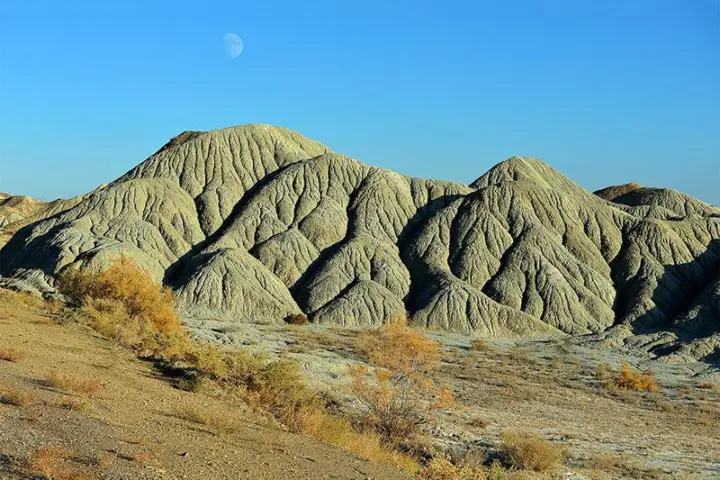
On the way to Ashgabat, make short stops at the unusual Water Crater and Mud Crater.

These geological formations provide an interesting contrast to the burning Darvaza Gas Crater.

Lunch in Ashgabat

After arriving in the capital, enjoy a lunch break.

Afternoon Ashgabat Sightseeing

Spend the afternoon visiting additional attractions that were not covered on Day 1.

Depending on your interests, you can explore more monuments, museums, cultural sites or local bazaars.

This is also a convenient opportunity to purchase souvenirs.

Overnight: Hotel in Ashgabat.

Day 4: Ashgabat – Ancient Merv – Mary – Ashgabat Airport

07:30 AM – Departure from Ashgabat

Leave Ashgabat early in the morning and travel east along the Ashgabat–Mary High-Speed Motorway.

The distance is approximately 360 km, with a driving time of around 3.5 to 4 hours.

Lunch in the Mary Region

Upon arrival in the Mary Region, enjoy a traditional lunch at a local restaurant in Mary or Bayramaly.

Ancient Merv Guided Tour

Continue to the archaeological park of Ancient Merv, a UNESCO World Heritage Site and one of the most important historical centres of the Silk Road.

Mausoleum of Sultan Sanjar

Visit the monumental Mausoleum of Sultan Sanjar, a 12th-century Seljuk masterpiece known for its remarkable double-dome construction.

Greater and Lesser Kyz Kala

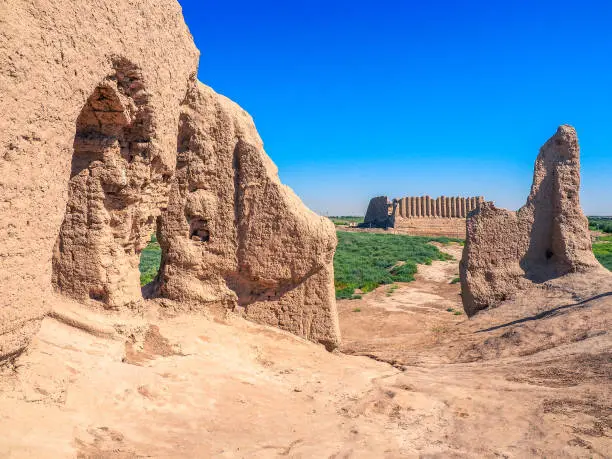
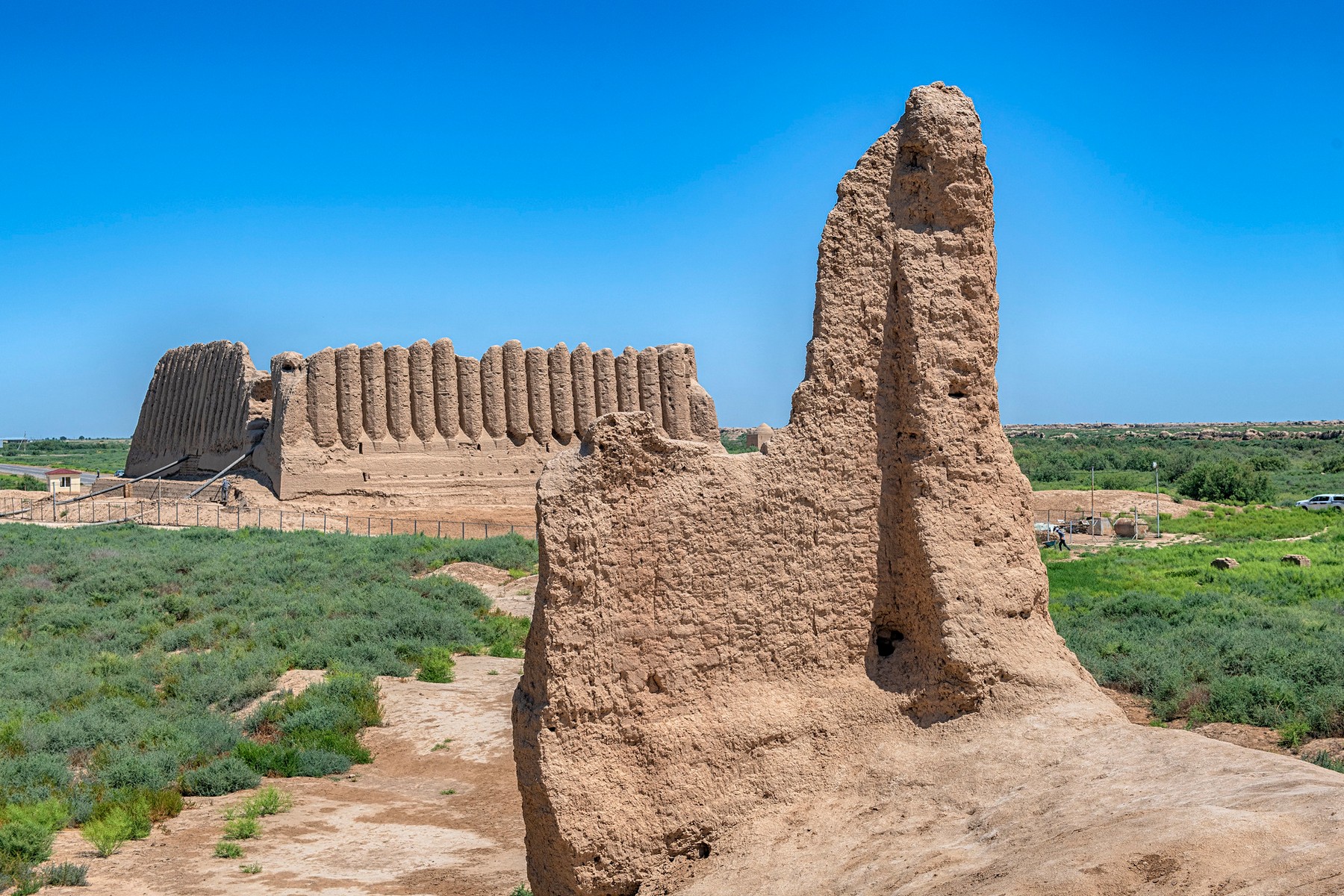
Explore the distinctive mud-brick fortresses of Greater Kyz Kala and Lesser Kyz Kala, dating from approximately the 7th to 12th centuries.

Askhabs Mausoleums and Ancient Sardoba

Visit the sacred mausoleums associated with the companions of the Prophet Muhammad.

Nearby, see the remains of medieval public baths and the historic Sardoba, an ingenious desert water-storage system.

Erk Kala and Gyaur Kala

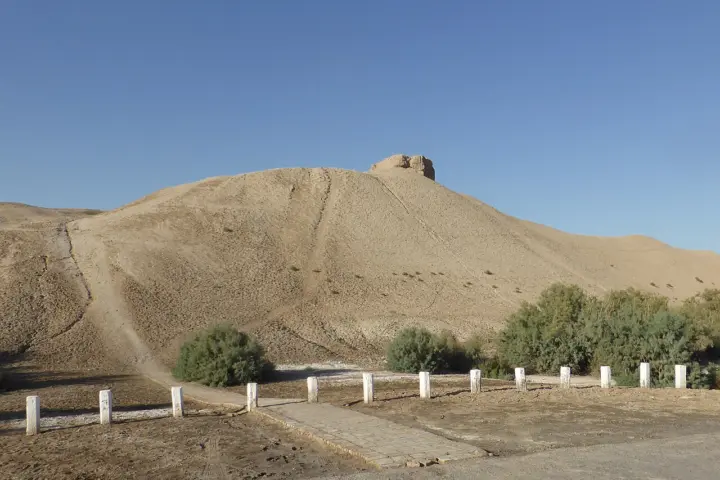
Explore the ancient settlements of Erk Kala and Gyaur Kala and enjoy panoramic views across the archaeological landscape.

Please note: Ancient Merv contains many additional historic ruins. Smaller monuments can be explored depending on available time and your interests.

Return to Ashgabat

After completing the Ancient Merv tour, travel back to Ashgabat along the high-speed motorway.

Farewell Dinner

Enjoy a farewell dinner at a local restaurant in Ashgabat.

Airport Transfer

Depending on your international flight schedule, enjoy a private transfer to Ashgabat International Airport (ASB).

End of Tour Services.

Compare Routes and Plan Your Visit

If you have fewer days available, compare our 3-day Ashgabat tour via Kunya-Urgench and Darvaza.

You can also compare the route and stops with our 4-day Ashgabat, Ancient Merv and Darvaza tour.

Prepare for the archaeological sites with our Ancient Merv travel guide.
Tour route

  1. Ashgabat International Airport (ASB)

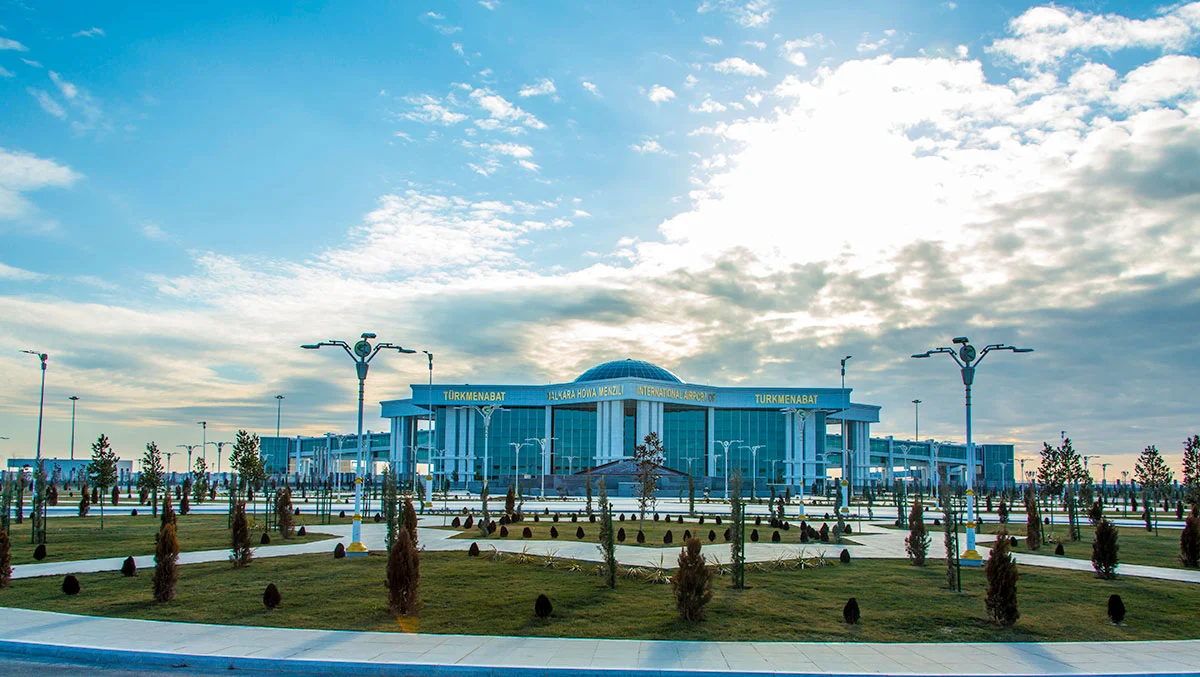
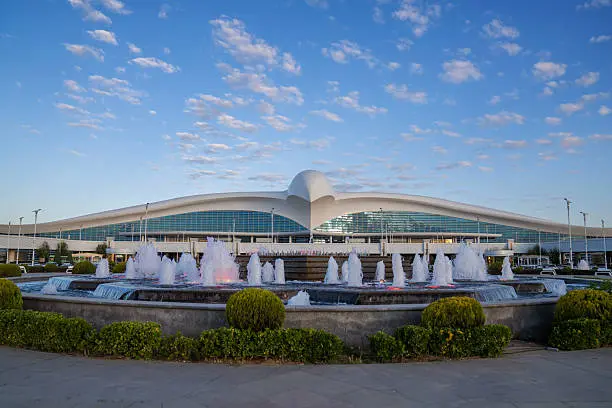
    Fountains in front of Ashgabat International Airport's curved terminal

    Ashgabat International Airport is the arrival and departure point for many Turkmenistan tours. From here, travellers continue into the capital or transfer to the next stage of their journey. Driver meeting arrangements, pickup times and onward travel are coordinated with the booked flight and the agreed itinerary.

  2. Ashgabat

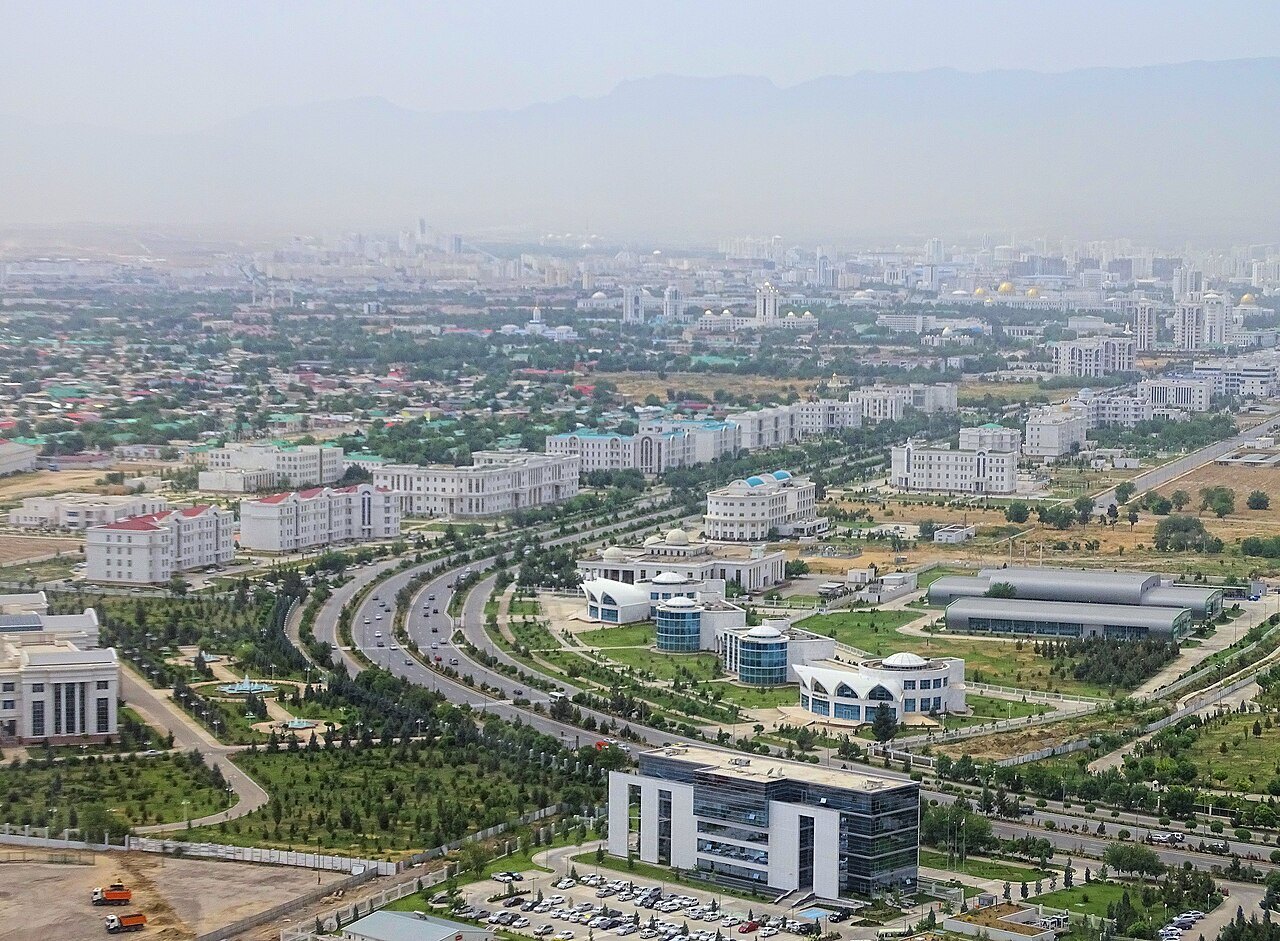
    Aerial view of Ashgabat's broad avenues and white buildings

    Turkmenistan's capital combines broad avenues, landscaped spaces and monumental marble architecture. City visits introduce the country's modern urban landscape between the desert and historical stages of the journey.

  3. Dashoguz International Airport (TAZ)

    Dashoguz International Airport serves northern Turkmenistan. Itineraries with a domestic flight use it as an arrival point before travelling to Dashoguz, Kunya-Urgench or the Darvaza Gas Crater. After collecting luggage, travellers continue by road according to their confirmed tour programme.

  4. Dashoguz

    Dashoguz

    Dashoguz introduces everyday life in northern Turkmenistan. The city serves as a base for Khorezm's monuments and a starting point for the onward journey across the Karakum.

  5. Kunya-Urgench

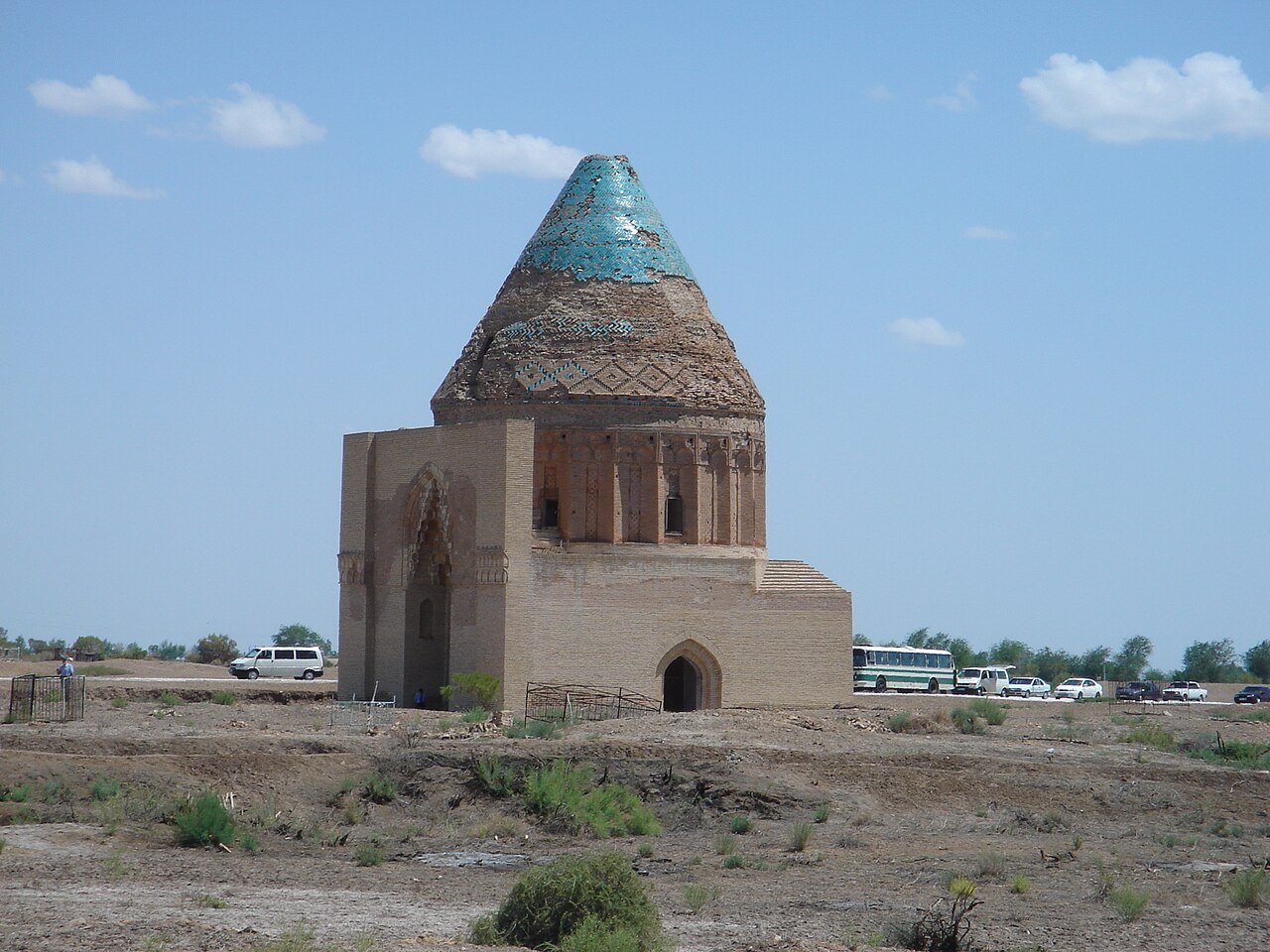
    Conical tiled roof of the Tekesh mausoleum in Kunya-Urgench

    Kunya-Urgench preserves monuments of Khorezm's former capital. Its minarets, mausoleums and urban remains reveal the skill of medieval builders working with brick and architectural ornament.

  6. Kutlug-Timur Minaret

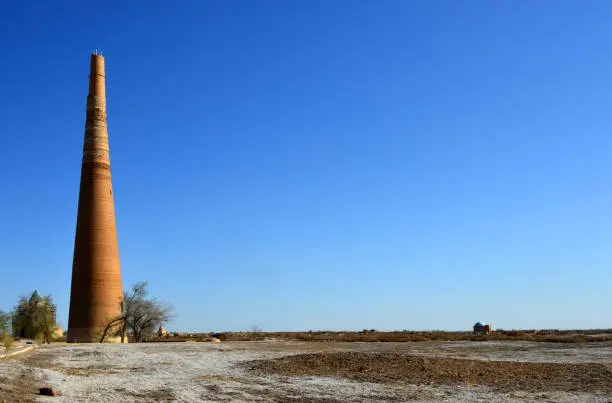
    Kutlug-Timur Minaret
    This tall brick minaret rises above the archaeological landscape of Kunya-Urgench. Bands of masonry and inscriptions articulate its tapering shaft, recalling the monumental architecture of medieval Khorezm.
  7. Turabek-Khanum Mausoleum

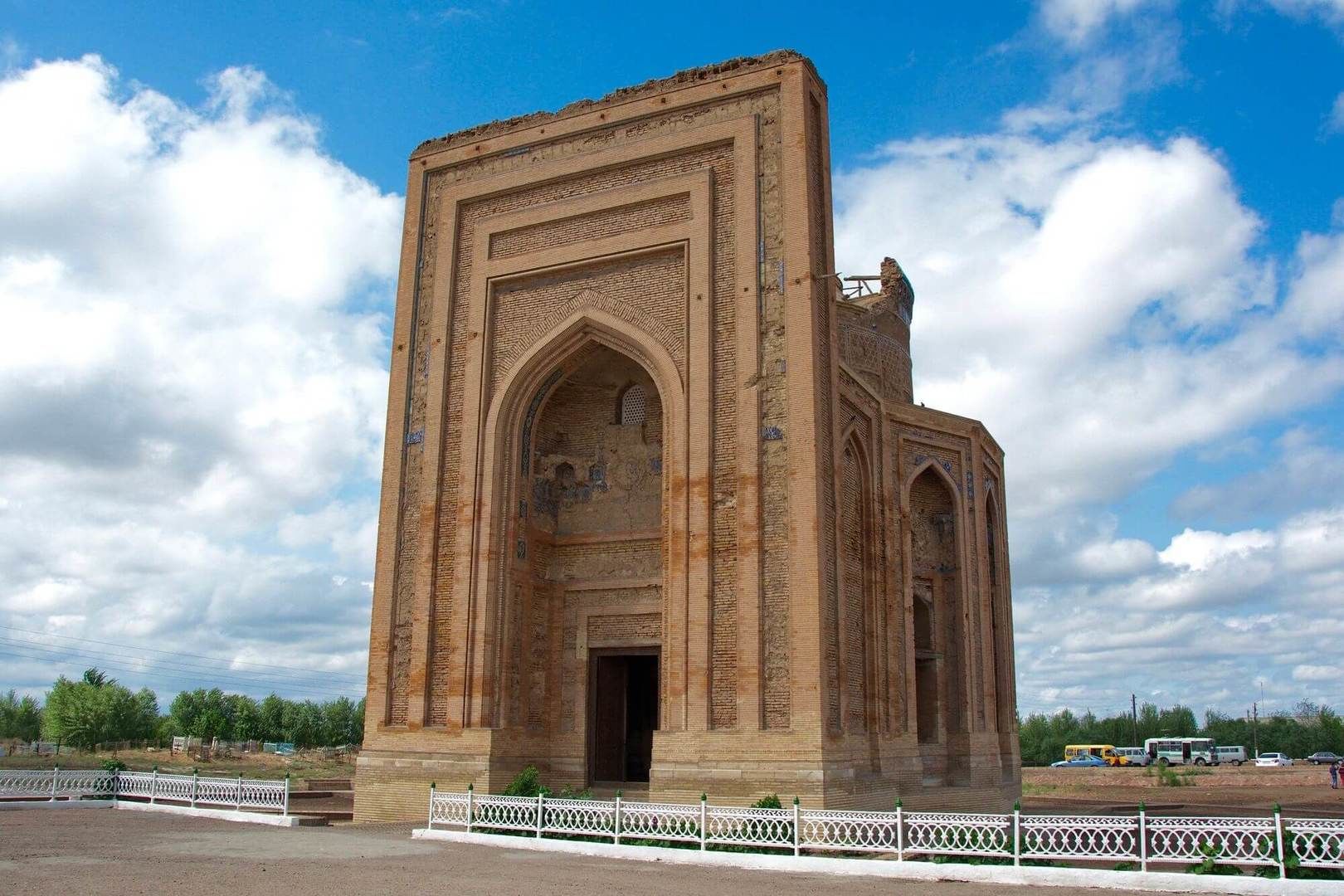
    Brick entrance portal of the Turabek Khanum mausoleum in Kunya-Urgench
    Turabek-Khanum Mausoleum is distinguished by the geometry of its interior decoration. Multicoloured vault mosaics draw the eye upward, their repeating patterns suggesting a star-filled sky.
  8. Sultan Tekesh Mausoleum

    Conical tiled roof of the Tekesh mausoleum in Kunya-Urgench

    The mausoleum associated with Khorezmshah Tekesh is recognisable by its tall conical roof. Its substantial form and brick ornament offer a useful contrast with neighbouring Kunya-Urgench monuments.

  9. Il-Arslan Mausoleum

    Il-Arslan Mausoleum
    The compact Il-Arslan Mausoleum combines carved terracotta decoration with a faceted roof. It is a distinctive example of the earlier architectural heritage preserved at ancient Urgench.
  10. Kunya-Urgench Caravanserai Gate

    Kunya-Urgench Caravanserai Gate
    A solitary brick portal recalls the buildings of the vanished city. It is traditionally called the Caravanserai Gate, although the original function of the structure remains debated.
  11. Dashoguz Central Bazaar

    Dashoguz Central Bazaar

    Dashoguz Central Bazaar introduces the trading life of northern Turkmenistan. Local produce, seasonal fruit, textiles and everyday goods give a glimpse of the city beyond its main streets. A market walk can complement a journey to historical sites or through the Karakum Desert. Ask permission before photographing people.

  12. Karakum Desert

    Karakum Desert

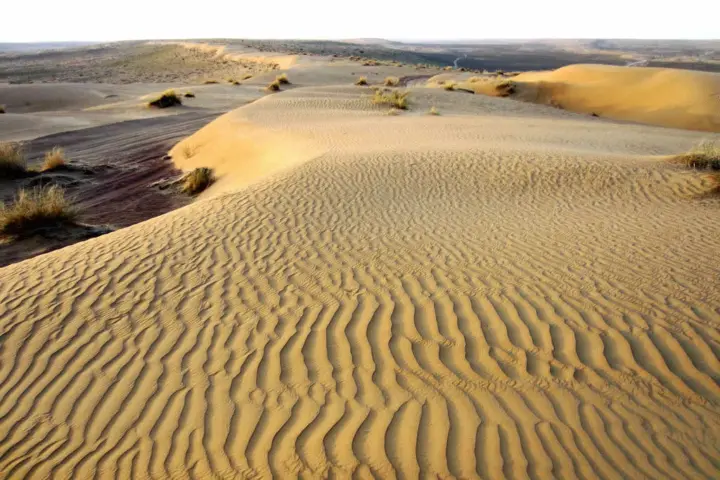
    Journeys through the Karakum reveal sandy landscapes and sparse desert vegetation. The stops included depend on the chosen tour itinerary.

    Photo: David Stanley / Wikimedia Commons, CC BY 2.0.

  13. Darvaza Gas Crater

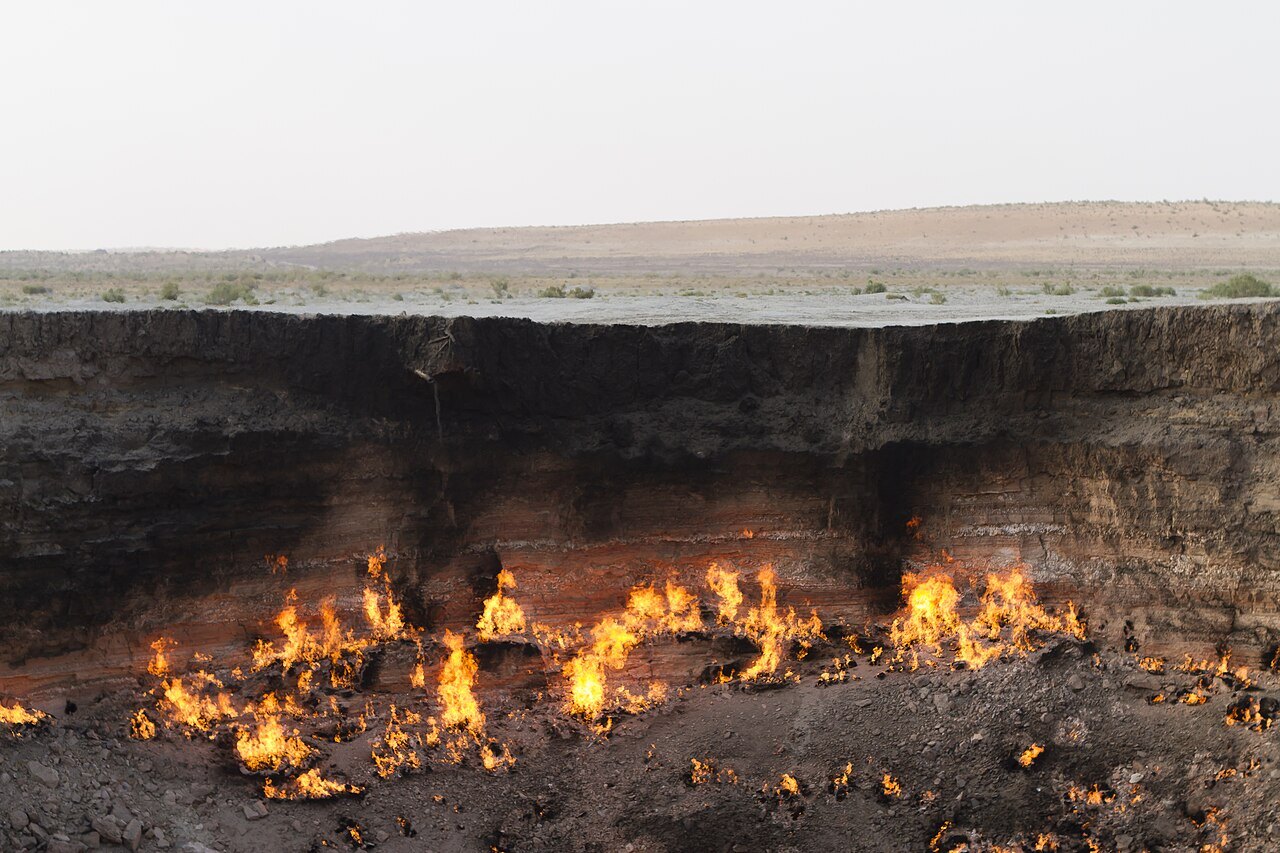
    Flames inside the Darvaza gas crater in daylight

    In the Karakum Desert, escaping gas sustains combustion inside a collapsed cavity. The evening visit offers changing views of the crater before an overnight stay at a desert camp.

  14. Darvaza Water Crater

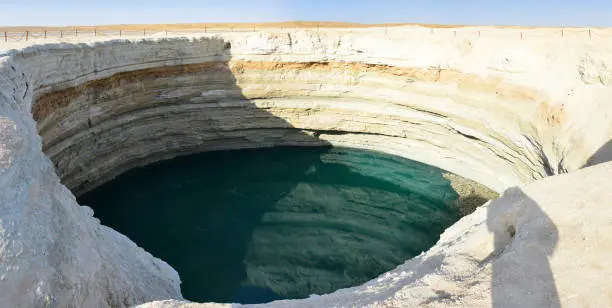
    Green water at the bottom of Darvaza's steep-sided water crater
    The Water Crater reveals another side of the desert's collapsed cavities, with water at its base. This short stop complements the burning crater and invites comparison between nearby formations.
  15. Darvaza Mud Crater

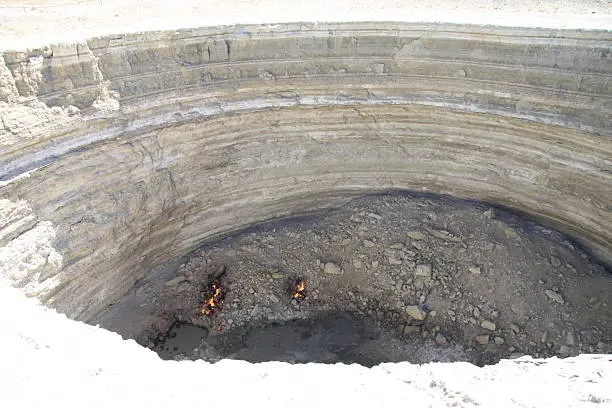
    Layered walls and small flames on the floor of Darvaza's mud crater
    The Mud Crater is one of the brief stops on the road between Darvaza and Ashgabat. Here the focus shifts from flames to the shape of the depression and its muddy interior.
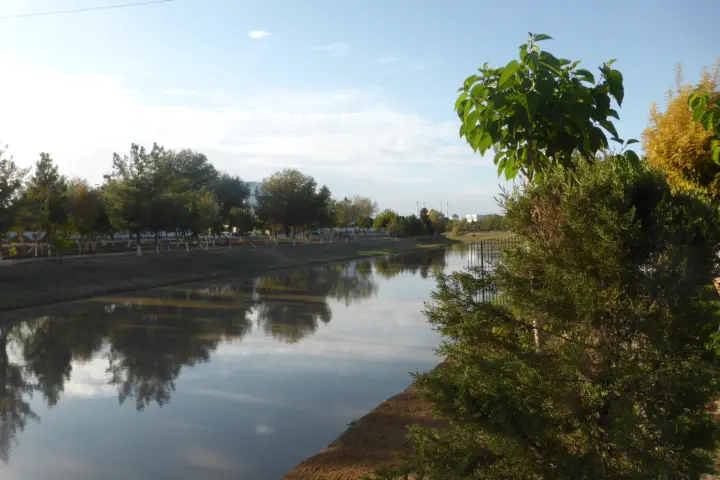
  16. Mary

    Mary

    Mary is a modern city of the Murgab oasis and a base for Merv and Gonur Depe. Its streets and public buildings complement the archaeological visits with an introduction to regional life.

    Photo: Hans Birger Nilsen / Wikimedia Commons, CC BY 2.0. Archive photograph, 2018. Resized and cropped for display.

  17. Ancient Merv

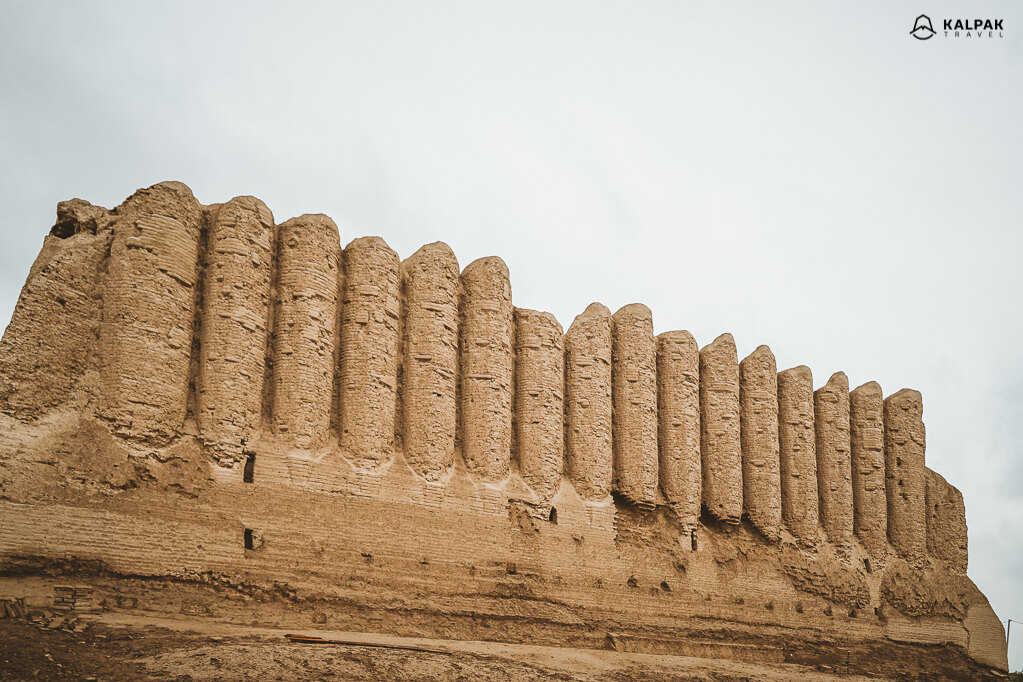
    Corrugated earthen wall of Great Kyz Kala at Merv

    Merv brings together the remains of neighbouring cities from different periods. The archaeological park reveals changing fortifications and centres of life within a major Silk Road oasis.

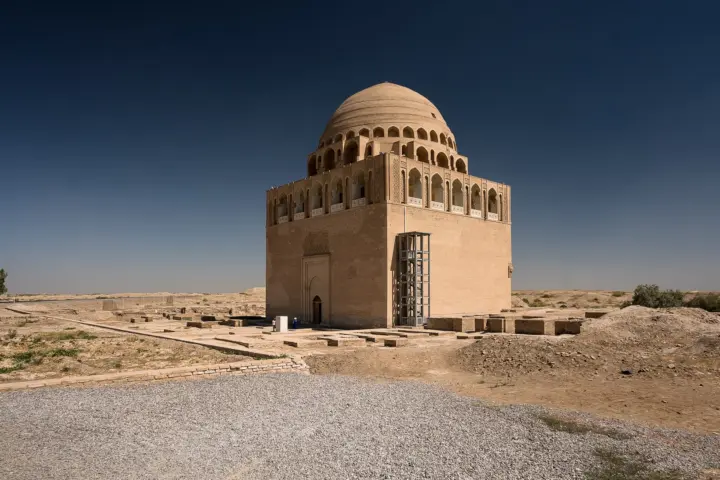
  18. Sultan Sanjar Mausoleum

    Sultan Sanjar mausoleum and surrounding ruins in the open landscape of Merv

    This substantial domed mausoleum recalls Merv's Seljuk period. Its proportions and surviving decorative details make it a prominent architectural landmark among the city's ruins.

  19. Greater Kyz Kala

    Corrugated earthen wall of Great Kyz Kala at Merv
    Greater Kyz Kala is recognisable by its substantial corrugated walls. This fortified earthen building on a raised base displays distinctive construction techniques associated with the Merv oasis.
  20. Lesser Kyz Kala

    Lesser Kyz Kala

    Lesser Kyz Kala stands near the better-known larger building. Comparing the two ruins highlights differences in scale and preservation within Merv's distinctive earthen architecture.

    Photo: Hergit; Commons revision by Hic et nunc / Wikimedia Commons, CC BY-SA 3.0.

  21. Askhabs Mausoleums

    Askhabs Mausoleums

    The Askhabs mausoleums represent the pilgrimage traditions of Merv. Their memorial structures connect the archaeological landscape with local reverence for early followers of Islam.

    Photo: Dr. Alexey Yakovlev / Wikimedia Commons, CC BY-SA 2.0.

  22. Merv Sardoba

    A sardoba is a water-storage structure of particular importance in an arid oasis. Several survive at Merv, illustrating urban water supply and protection of stored water from evaporation.

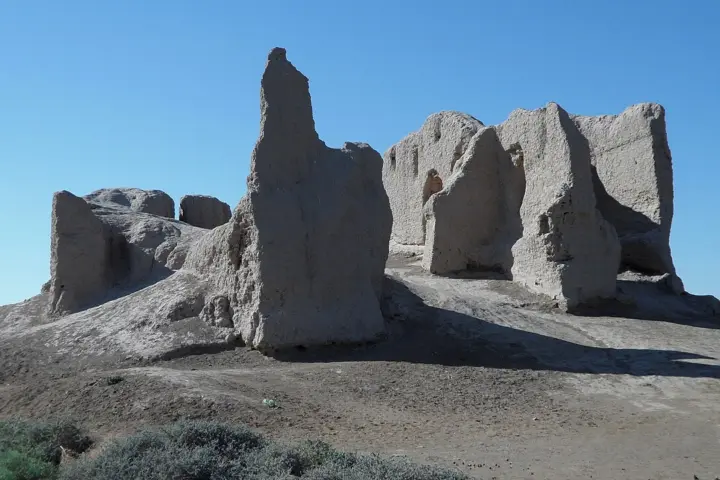
  23. Erk Kala

    Erk Kala

    Erk Kala is one of Merv's early fortified enclosures. Its high earthen ramparts outline an ancient urban space and help visitors understand the oasis's defensive structures.

    Photo: Hans Birger Nilsen / Wikimedia Commons, CC BY-SA 2.0.

  24. Merv Gyaur Kala

    Gyaur Kala forms an extensive fortified area of ancient Merv. Its layout and long ramparts reveal the scale of the city that developed beside the earlier Erk Kala.

Route map