Route: Ashgabat – Turkmenbashi – Yangykala Canyon – Balkanabat – Nohur – Kow-Ata – Ashgabat – Ancient Merv – Ashgabat – Darvaza Gas Crater – Ashgabat
About This 8-Day Turkmenistan Highlights Tour
Discover some of the country’s most remarkable destinations on this 8-day Turkmenistan highlights tour, combining modern cities, dramatic desert landscapes, ancient Silk Road history and traditional mountain culture.
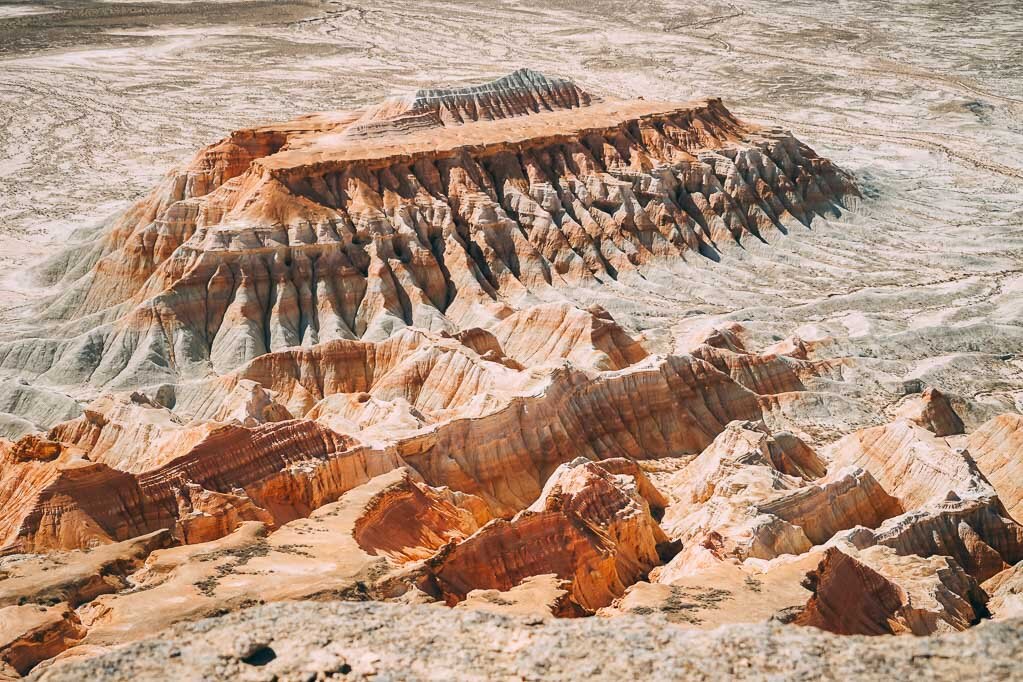
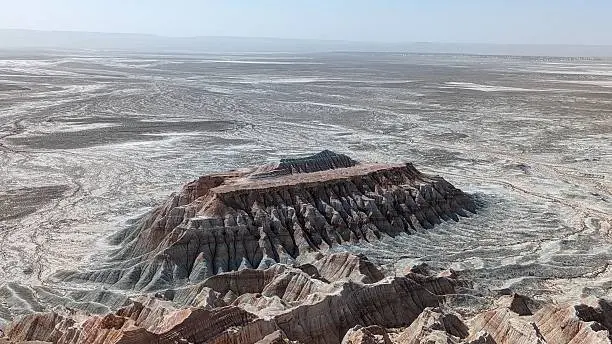
Begin in Ashgabat, famous for its striking white-marble architecture, before travelling by overnight train towards the Caspian Sea coast. Explore Turkmenbashi and continue to the spectacular Yangykala Canyon, where colourful limestone cliffs create one of Turkmenistan’s most impressive natural landscapes.
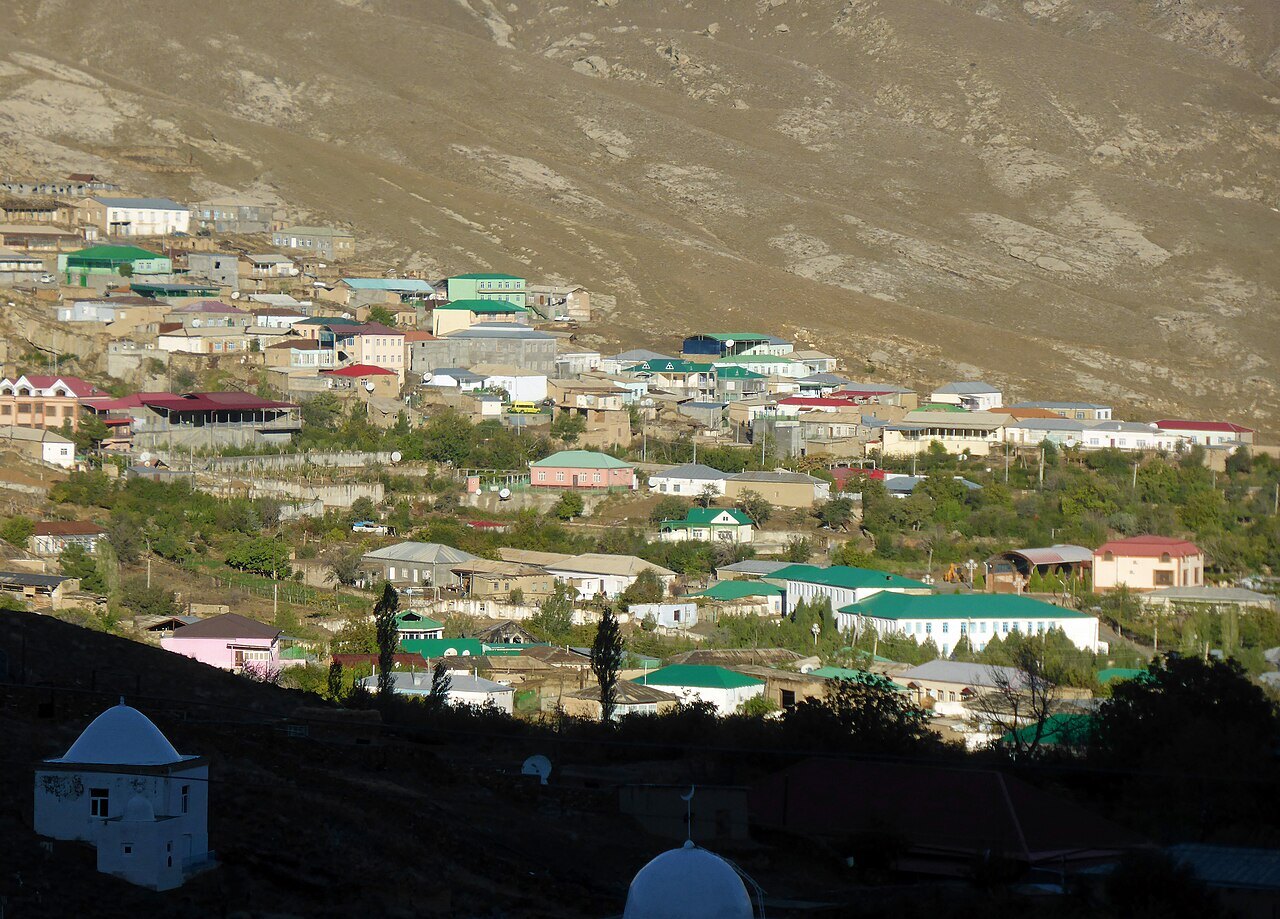
The journey then leads into the Kopetdag Mountains to visit Nohur village, known for its distinctive traditions and isolated mountain setting. Continue to the underground Kow-Ata Lake, where naturally warm mineral-rich water offers a relaxing break from the road.
Later, travel east to discover Ancient Merv, a UNESCO World Heritage Site and one of the great historical centres of the Silk Road.
The adventure concludes deep in the Karakum Desert with an unforgettable night beside the glowing Darvaza Gas Crater, followed by a return to Ashgabat for your final departure.
Day 1: Arrival in Ashgabat
Welcome to Turkmenistan
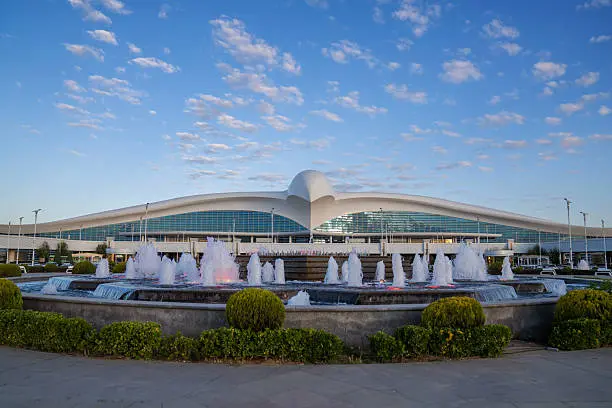
Upon arrival at Ashgabat International Airport (ASB), complete customs, passport control and immigration formalities.
After leaving the arrivals area, meet our guide or driver. Our team will recognise you using the photograph provided in advance.
Airport Transfer and Hotel Check-In
Enjoy a private transfer directly to your hotel in Ashgabat.
Check in and take time to rest after your journey.
Standard hotel check-in times apply. However, early or late arrival arrangements will be coordinated according to your flight schedule whenever possible.
Overnight: Hotel in Ashgabat.
Day 2: Ashgabat City Tour – Overnight Train to Turkmenbashi
After breakfast, begin your guided Ashgabat city tour.
Explore Ashgabat
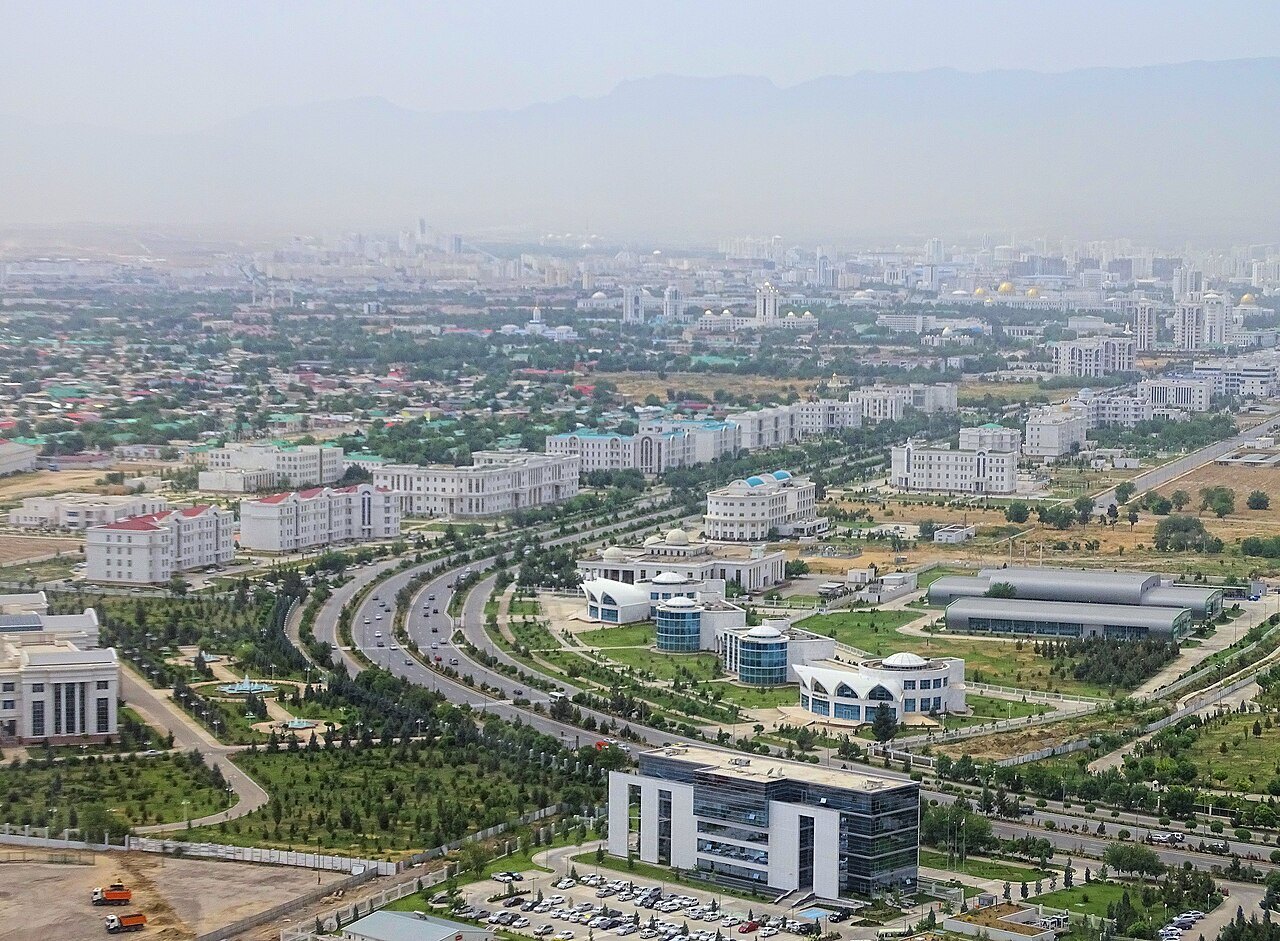
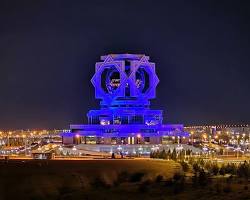
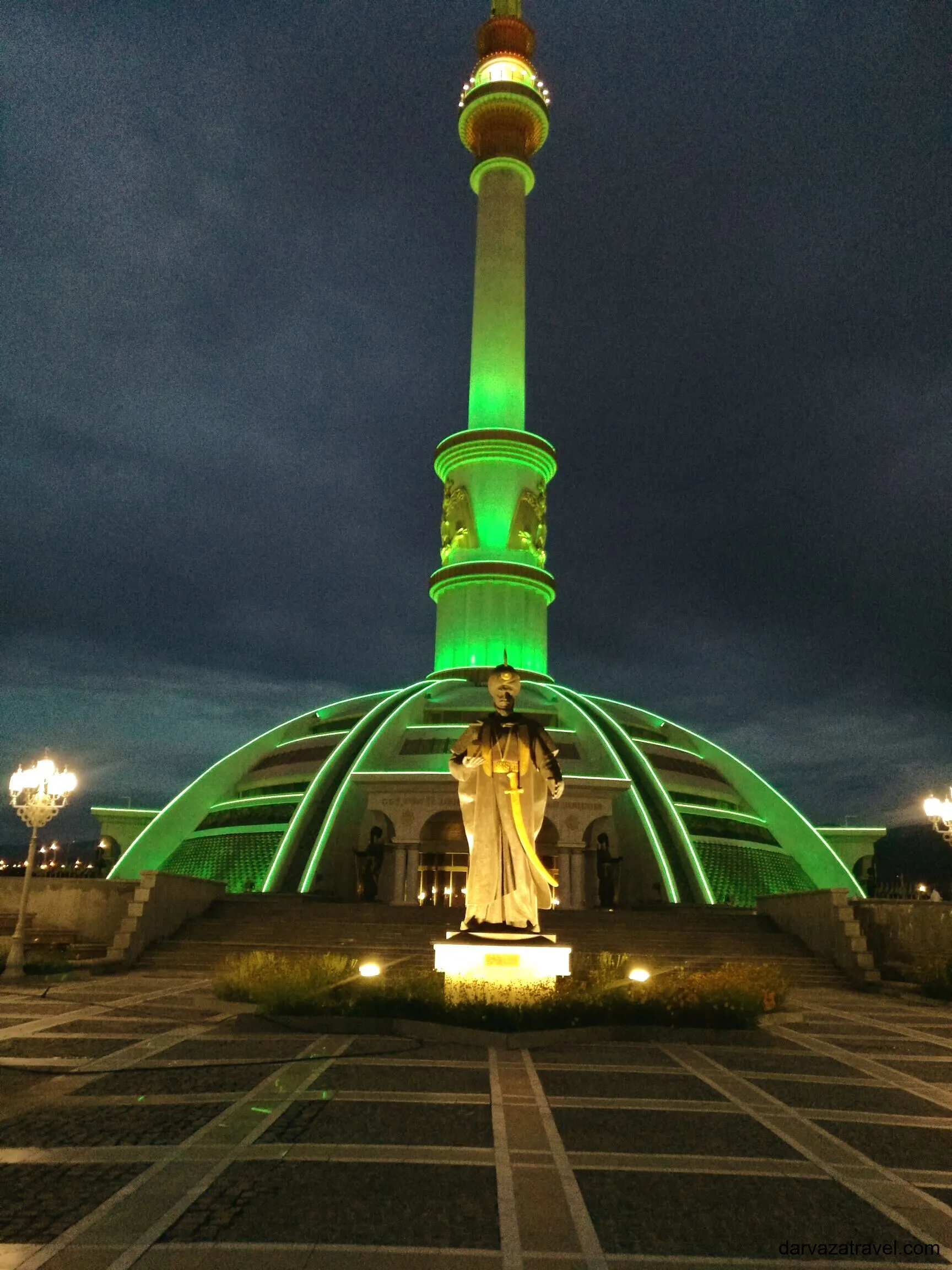
Discover the capital’s distinctive white-marble architecture, monuments, parks and cultural attractions.
The sightseeing programme can be adapted to your interests and preferred pace.
Traditional Lunch
During the tour, enjoy lunch at a local restaurant and experience traditional Turkmen cuisine.
Transfer to Ashgabat Railway Station
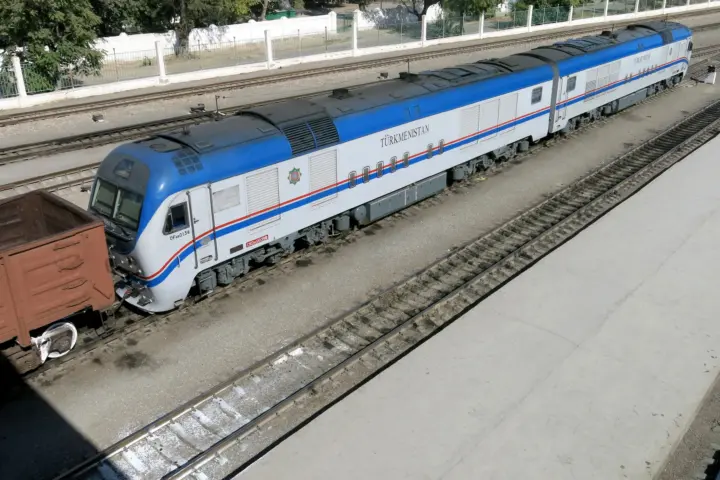
In the afternoon, transfer to the railway station for your overnight train journey to Turkmenbashi on the Caspian Sea coast.
Dinner for the Train Journey
Because the train departs in the early evening, there may not be enough time for a full restaurant dinner before departure.
Your guide will therefore help you visit a local market or café to purchase a packed dinner, fresh fruit, drinks and snacks to enjoy comfortably during the journey.
Overnight Train Journey
Settle into your compartment and travel west across Turkmenistan towards the Caspian coast.
Overnight: Train in a comfortable 4-berth compartment.
Day 3: Turkmenbashi – Yangykala Canyon – Balkan Region
08:05 – Arrival in Turkmenbashi
Arrive in Turkmenbashi by overnight train and meet your private driver at the railway station.
Turkmenbashi and Caspian Coast
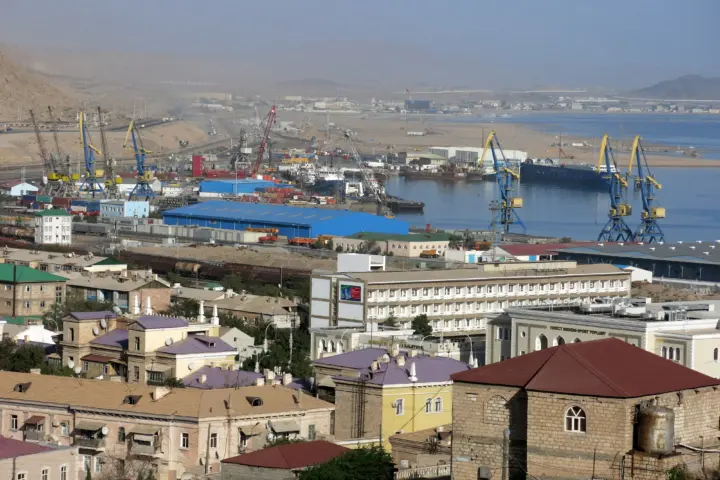
Begin with a short introductory tour of the historic port city.
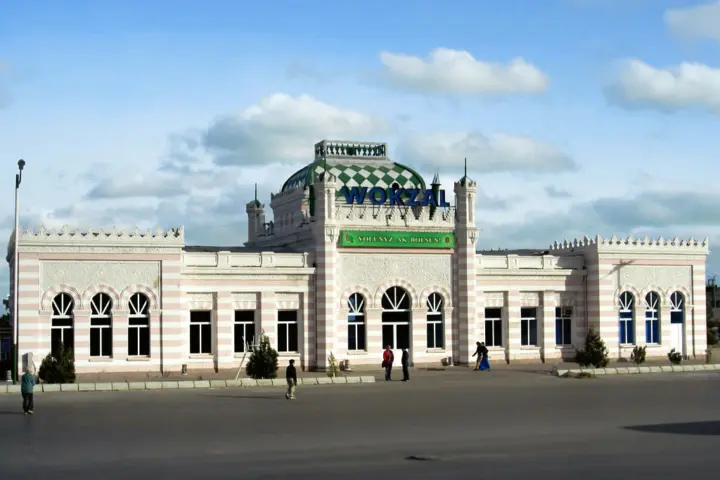
See examples of pre-revolutionary architecture built from Caspian limestone and stop by the elegant 1895 railway station, known for its Moorish architectural details.
You will also have time to enjoy views of the Caspian Sea coastline.
Optional Visit to Awaza
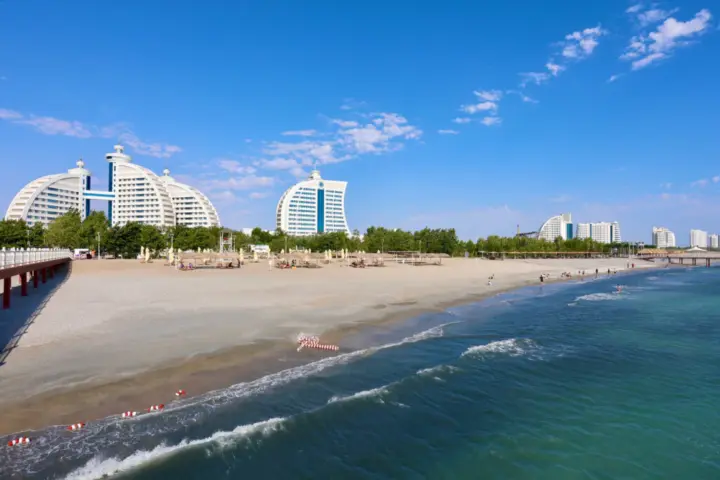
Upon request, a visit to the modern seaside resort of Awaza may be arranged.
Please note that access depends entirely on whether the resort area is open and accessible to visitors at the time of your trip.
Lunch
Enjoy fresh seafood or a traditional local lunch before continuing towards Yangykala Canyon.
Drive to Yangykala Canyon
Depart Turkmenbashi and travel east towards one of Turkmenistan’s most impressive natural attractions.
The journey to Yangykala Canyon covers approximately 160 km and usually takes around 3 hours.
The final sections of the route follow uneven desert tracks, so expect some off-road driving.
Sunset at Yangykala Canyon
Arrive at the canyon plateau and explore its enormous layers of red, pink, orange and white limestone.
Stay until sunset, when the changing light creates some of the most dramatic views of the canyon.
Dinner
Depending on the season and weather conditions, dinner will either be served as a picnic among the canyon landscapes or later upon arrival at your overnight destination.
Transfer to the Balkan Region
After sunset, travel south from the canyon towards your hotel.
The drive to the nearest suitable transport hub normally takes around 2 to 2.5 hours.
Overnight: Hotel in Balkanabat or another nearby location in the Balkan Region, subject to availability.
Day 4: Balkan Region – Nohur Village – Kow-Ata – Ashgabat
Morning Departure
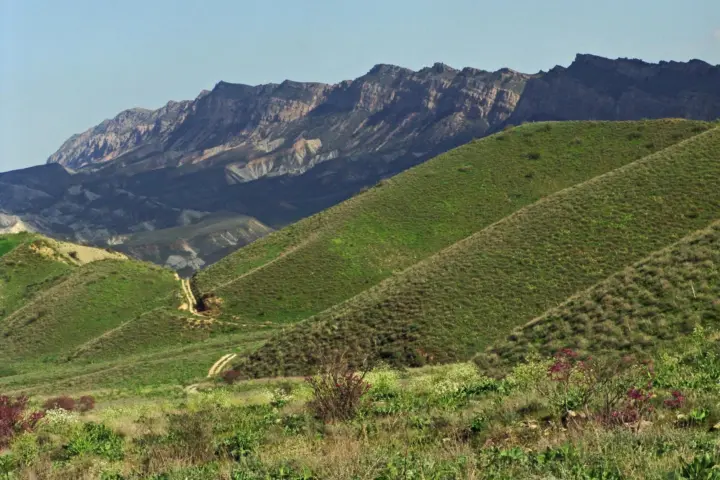
At approximately 08:30, leave your hotel and continue east along the route running beside the Kopetdag Mountains.
Enjoy views of the mountain landscape as you travel towards Nohur.
Nohur Mountain Village
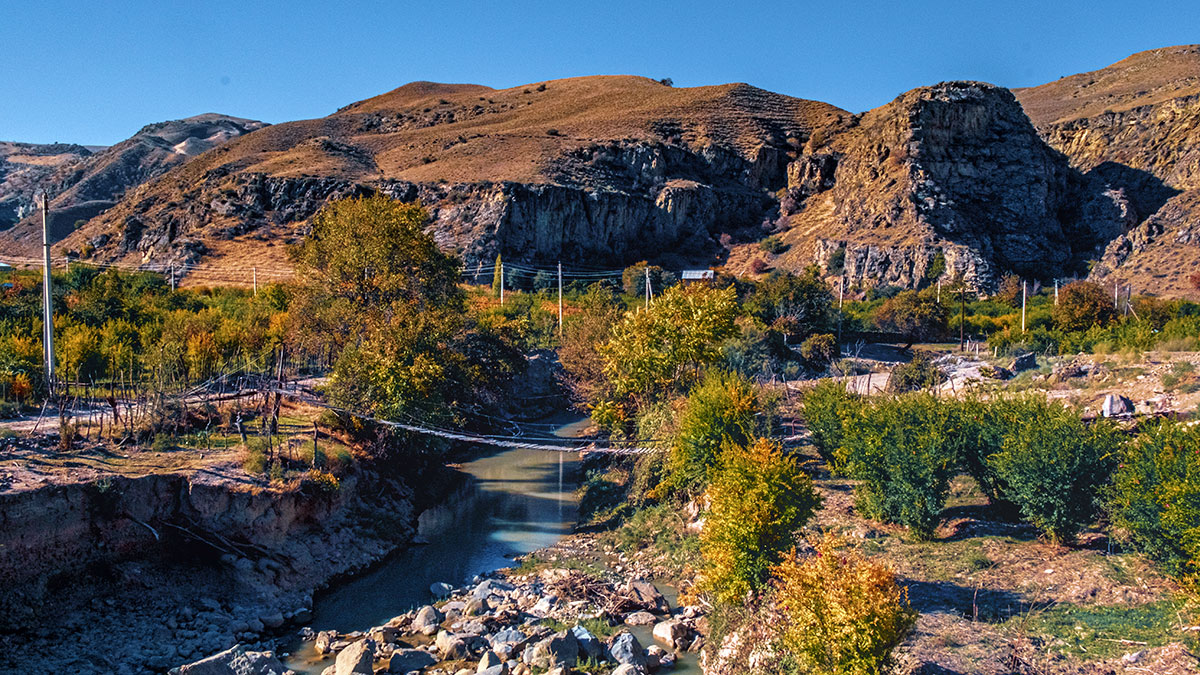
Hidden in the mountains at an altitude of more than 1,000 metres, Nohur is known for its distinctive local traditions and long-preserved cultural identity.
Mountain Drive
Travel along scenic mountain roads towards the isolated village.
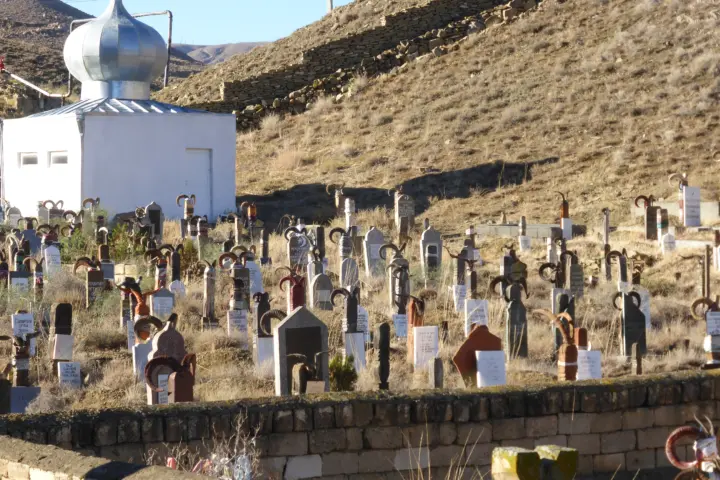
Nohur Cemetery
Visit the well-known local cemetery, where many graves are marked with mountain goat horns — one of the village’s most distinctive traditions.
Local Culture
Learn about the lifestyle of the Nohurli people, who have preserved their own dialect, customs and traditional handicrafts.
Traditional Lunch
Enjoy a village-style lunch with a local family or at a nearby restaurant using local produce.
Please note: Access to Nohur depends on weather and road conditions. During heavy snowfall, rain or other unsafe conditions, the programme may be adjusted and an alternative lunch arrangement provided.
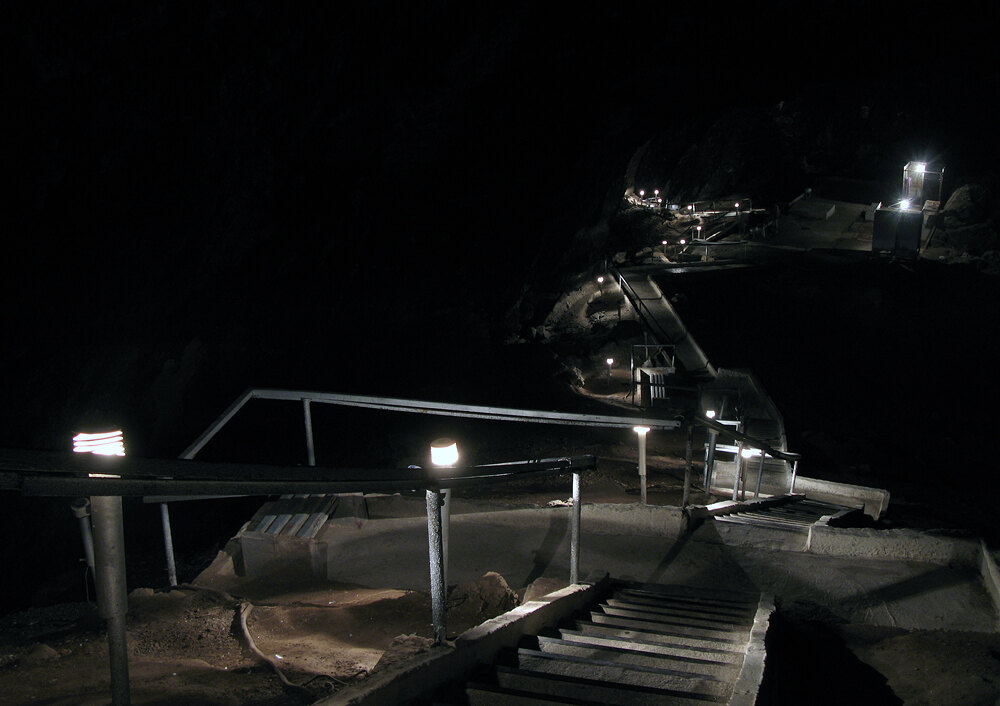
Kow-Ata Underground Lake
After lunch, continue towards Kow-Ata, one of Turkmenistan’s unusual natural attractions.
Descent into the Cave
Walk towards the entrance of the Bakharden Cave and descend into the limestone cavern containing the underground lake.
The visit normally takes around 1 hour.
Swimming in Kow-Ata
If you wish, swim in the naturally warm mineral-rich water of the underground lake.
The water temperature remains at approximately 35°C throughout the year.
Return to Ashgabat
After visiting Kow-Ata, travel back to Ashgabat.
The final section covers approximately 100 km and takes around 1.5 hours.
Dinner in Ashgabat
Enjoy dinner at a local restaurant and relax after the day’s mountain and cave journey.
Overnight: Hotel in Ashgabat.
Day 5: Ashgabat – Ancient Merv – Ashgabat
07:30 – Departure for Ancient Merv
Leave Ashgabat early in the morning and travel east along the Ashgabat–Mary high-speed motorway.
The distance is approximately 360 km, with a driving time of around 3.5 to 4 hours.
Lunch in the Mary Region
Upon arrival in the Mary Region, enjoy a traditional lunch at a local restaurant in Mary or Bayramaly.
Ancient Merv Guided Tour
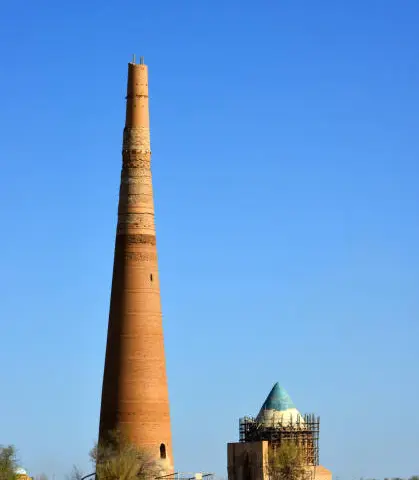
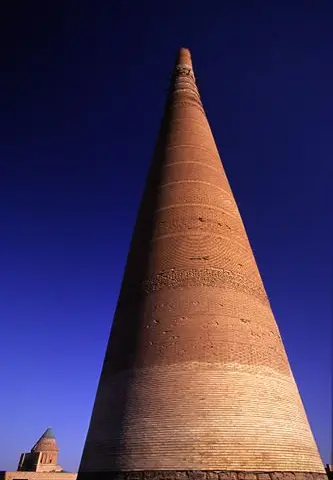
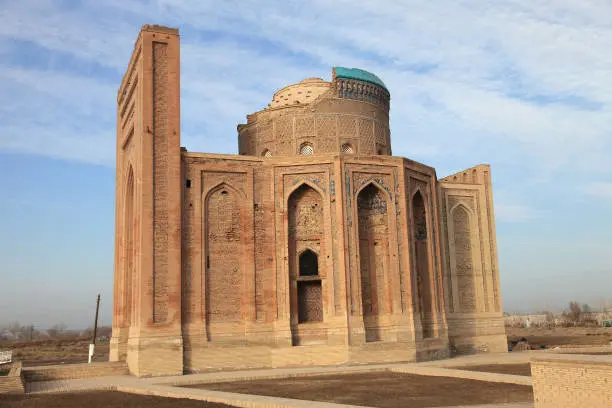
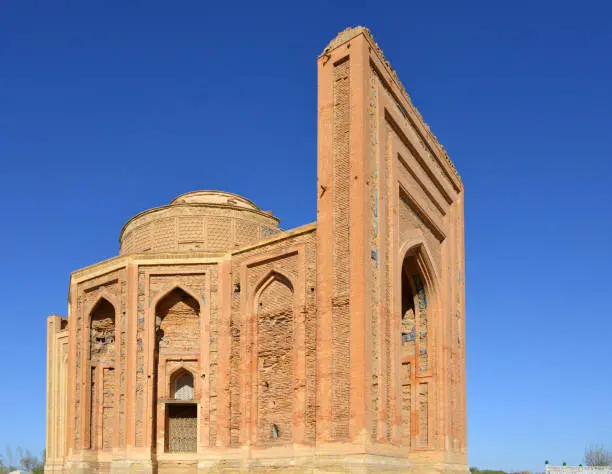
Continue to the archaeological park of Ancient Merv, one of the most important historical sites in Turkmenistan and a recognised UNESCO World Heritage Site.
Ancient Merv was once one of the great urban centres of the Silk Road.
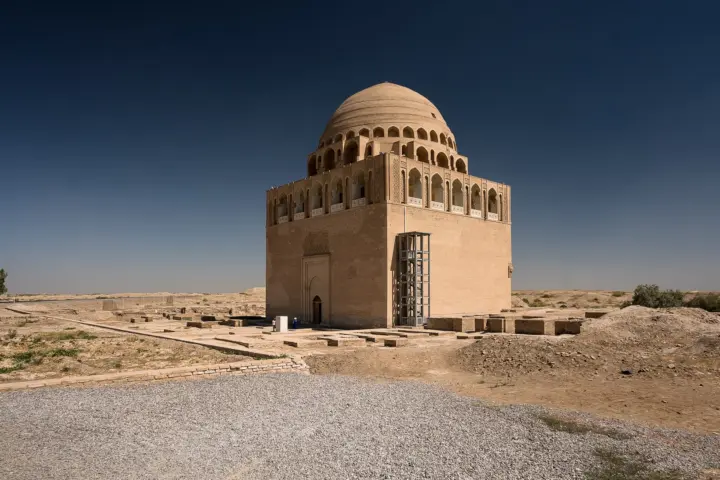
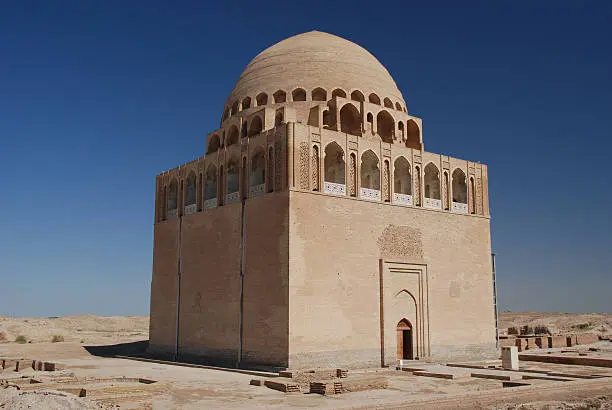
Mausoleum of Sultan Sanjar
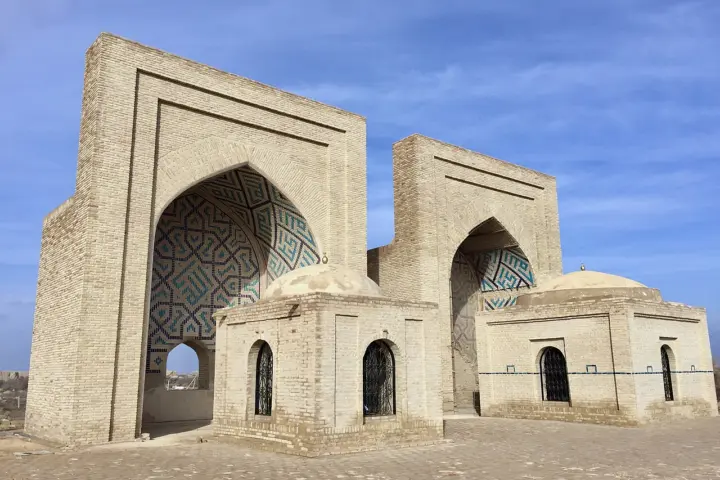
Visit the monumental Mausoleum of Sultan Sanjar, a 12th-century masterpiece of Seljuk architecture known for its impressive double-dome design.
Greater and Lesser Kyz Kala
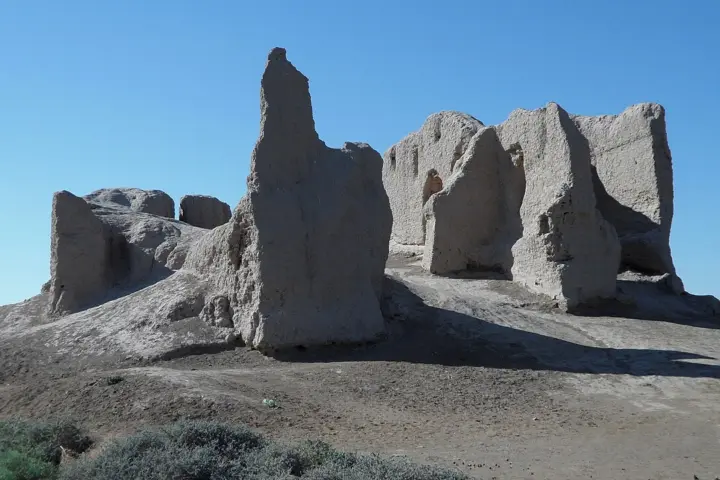
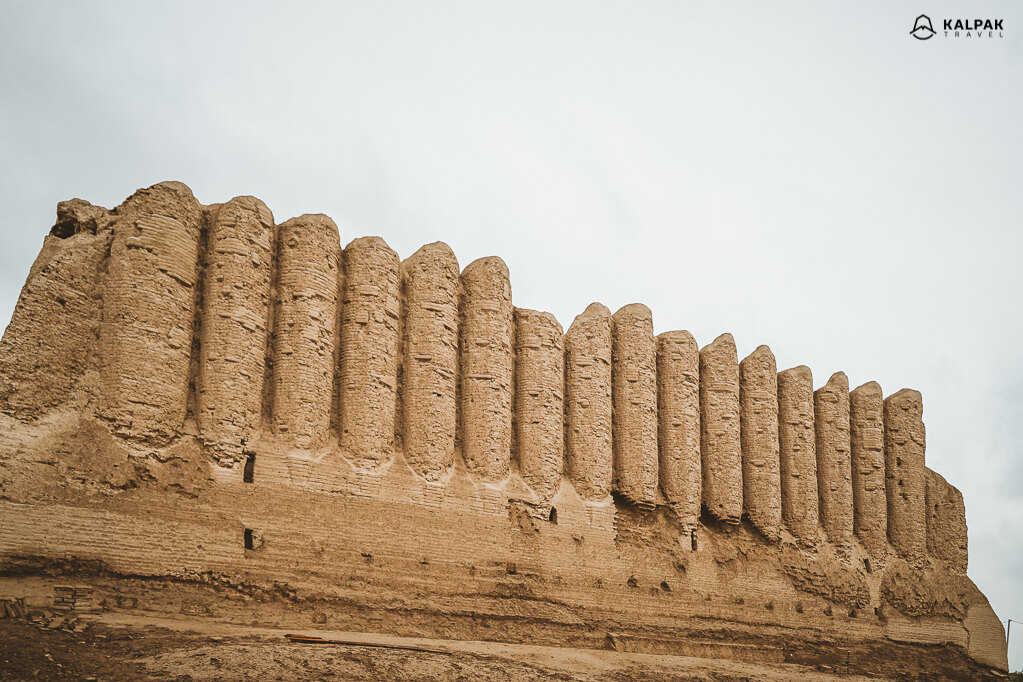
Explore the striking mud-brick fortresses of Greater Kyz Kala and Lesser Kyz Kala.
Dating from approximately the 7th to 12th centuries, they are famous for their distinctive corrugated walls.
Askhabs Mausoleums and Ancient Sardoba
Visit the sacred mausoleums associated with the companions of the Prophet Muhammad.
Nearby, see the remains of medieval public baths and the historic Sardoba, an important water-storage structure designed for the desert environment.
Erk Kala and Gyaur Kala
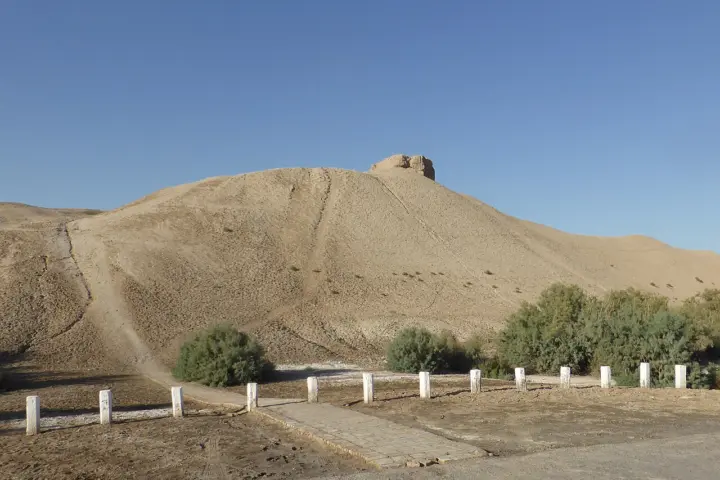
Explore the vast ancient settlements of Erk Kala and Gyaur Kala and enjoy panoramic views across the archaeological landscape.
Please note: Ancient Merv contains many additional ruins and smaller monuments. Further sites can be explored depending on available time and your interests.
Return to Ashgabat
After completing the Ancient Merv tour, travel back to Ashgabat along the high-speed motorway.
Overnight: Hotel in Ashgabat.
Day 6: Ashgabat – Water Crater – Mud Crater – Darvaza Gas Crater
Morning in Ashgabat
After breakfast, continue exploring Ashgabat’s monuments, parks and cultural attractions.
The morning sightseeing programme can be adapted according to what you have already visited and your personal interests.
Lunch
Before leaving the capital, enjoy a traditional lunch at a local restaurant.
Journey to the Karakum Desert
In the afternoon, depart Ashgabat and travel north towards the Darvaza Gas Crater.
The distance is approximately 270 km, and the drive usually takes around 3.5 hours.
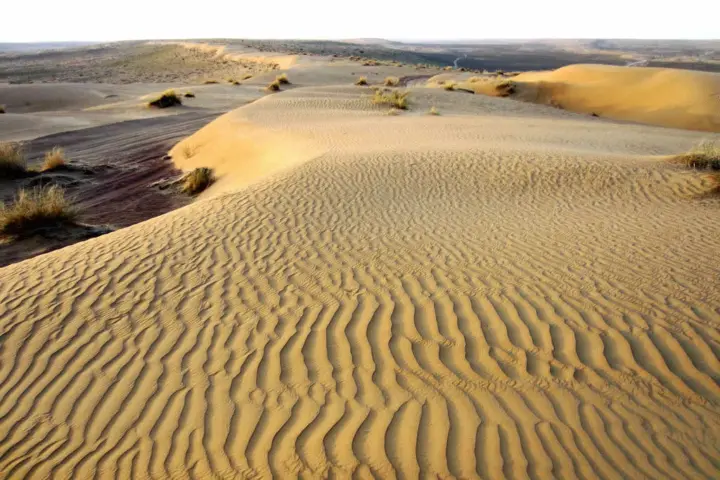
Some sections of the road are rough and uneven, so expect a bumpy journey through the Karakum Desert.
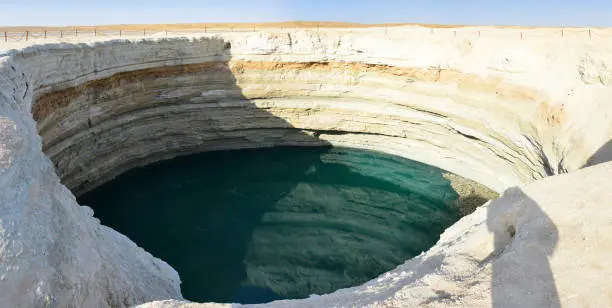
Water and Mud Craters
On the way to Darvaza, make short stops at the unusual Water Crater and Mud Crater.
These geological formations offer an interesting contrast to the burning gas crater further north.
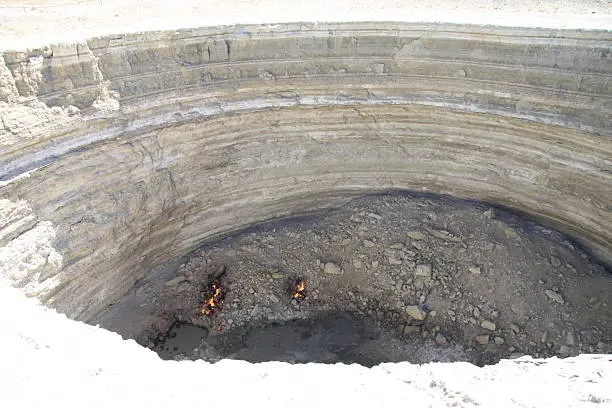
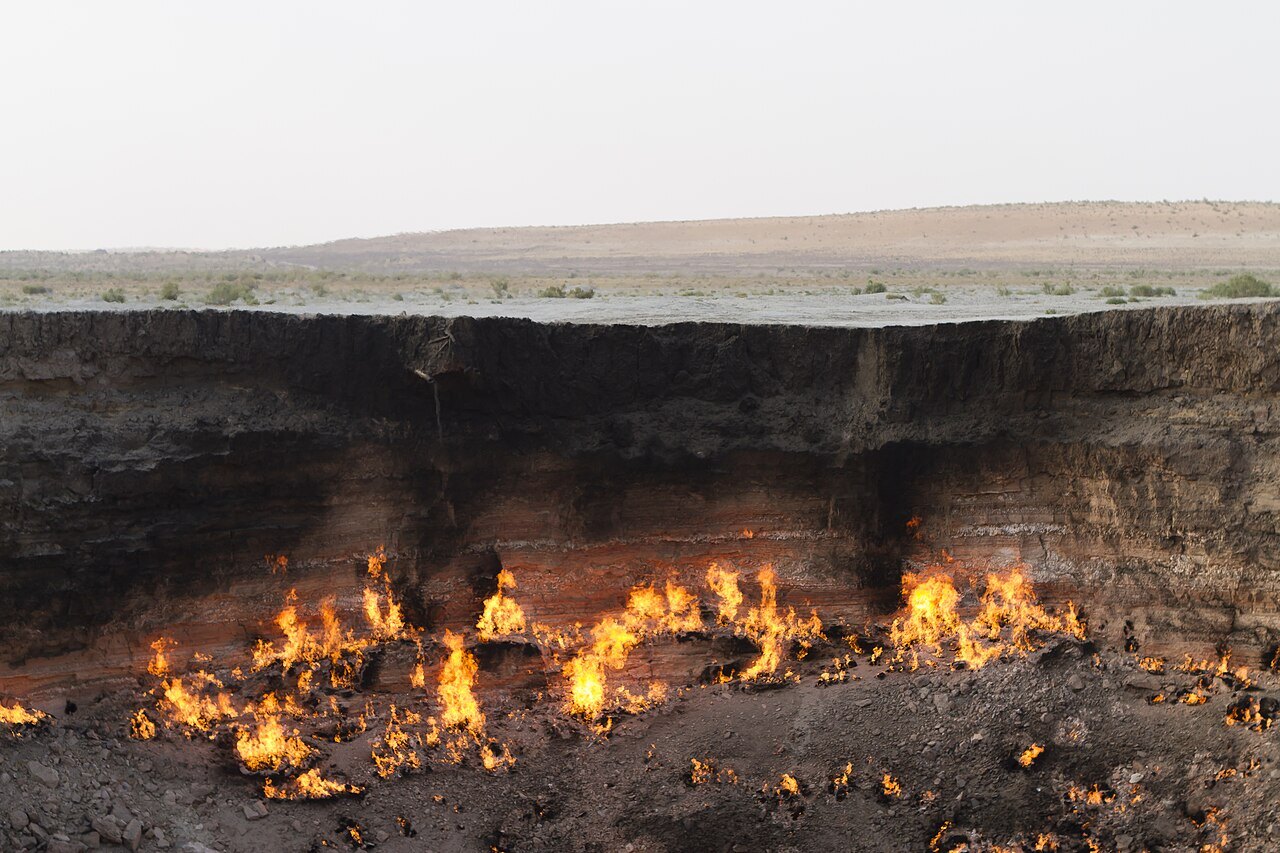
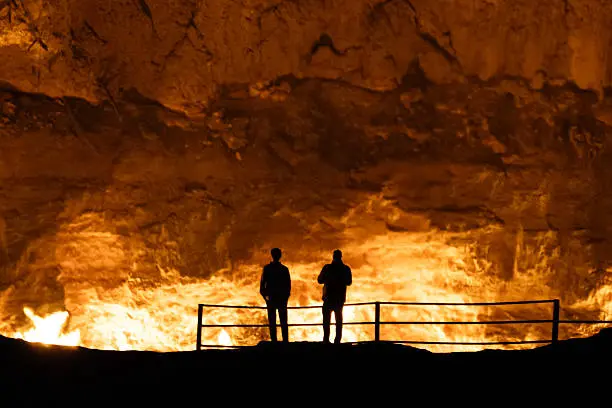
Darvaza Gas Crater
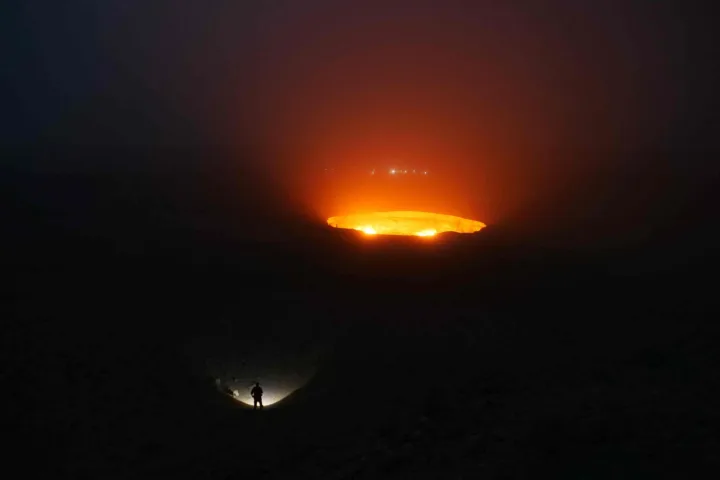
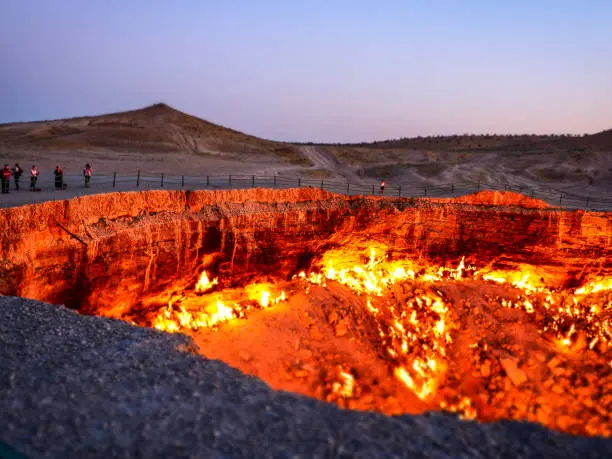
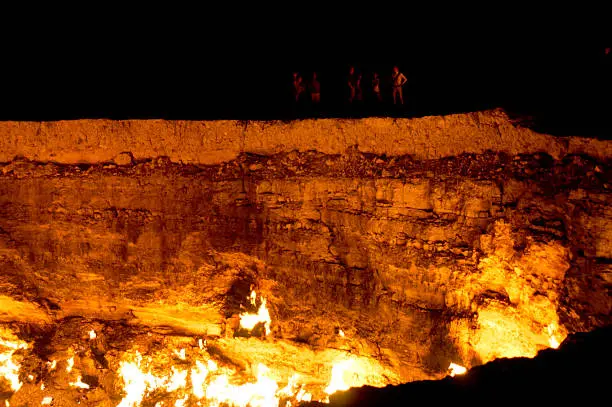
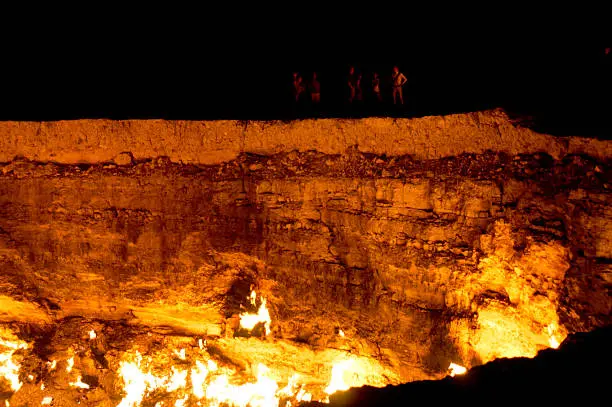
Arrive at the legendary Darvaza Gas Crater, internationally known as the “Gates of Hell”.
The best views begin around sunset, when the fiery glow becomes increasingly intense against the darkening desert sky.
BBQ Dinner
Enjoy a traditional outdoor BBQ dinner prepared by our team at the camp.
After dinner, spend time beside the crater, enjoy the desert atmosphere and take advantage of the excellent night photography opportunities.
The remote location also provides good conditions for stargazing away from city lights.
Overnight Beside Darvaza
Spend the night close to the crater in a traditional Turkmen yurt or comfortable tented camp.
Overnight: Yurt or tented camp at Darvaza.
What to Bring for Darvaza
- Warm clothing: Desert temperatures can fall significantly after sunset.
- Comfortable closed shoes: Recommended for walking around the sandy and uneven terrain.
- Camera and tripod: Useful for night photography.
- Sun protection: Sunglasses and sunscreen are recommended during daytime travel.
Day 7: Darvaza Sunrise – Ashgabat
Optional Sunrise at Darvaza
Wake before dawn for an optional return to the crater edge.
Experience the changing colours of the desert as the final glow of the flames contrasts with the early morning light.
Breakfast and Departure
Return to camp for breakfast before beginning the journey south to Ashgabat.
The distance is approximately 270 km, with an estimated driving time of around 3.5 hours.
Lunch in Ashgabat
Enjoy lunch after arriving back in the capital.
Final Ashgabat Sightseeing
Spend the afternoon visiting any remaining sights, museums or local bazaars that were not covered earlier in the tour.
This is also a convenient opportunity to look for souvenirs before departure.
Overnight: Hotel in Ashgabat.
Day 8: Departure from Ashgabat
Airport Transfer
Depending on your flight schedule, enjoy breakfast at the hotel before your private transfer to Ashgabat International Airport (ASB).
Please make sure that your passport, flight documents, travel insurance and personal belongings are ready before leaving the hotel.
International passengers are advised to arrive at the airport well in advance of departure according to airline requirements.
Our team will coordinate your airport transfer according to your scheduled flight.
End of Tour Services.
Compare Routes and Plan Your Visit
If you have fewer days available, compare our 6-day circular Turkmenistan tour from Ashgabat.
If you can allow more time, explore our 9-day Turkmenistan tour with Yangykala and Gonur Depe.
For more on the canyon landscape, read our Yangykala Canyon travel guide.
Prepare for your trip with our Kow-Ata underground lake guide.