Abiverd and Serakhs introduce two different sides of Turkmenistan’s Silk Road heritage: the remains of a trading city and the architecture of a historic oasis. Both are associated with Khorasan, but they are separate destinations. A visit can suit travellers who want to explore beyond the country’s better-known monuments.
Where are Abiverd and Serakhs?
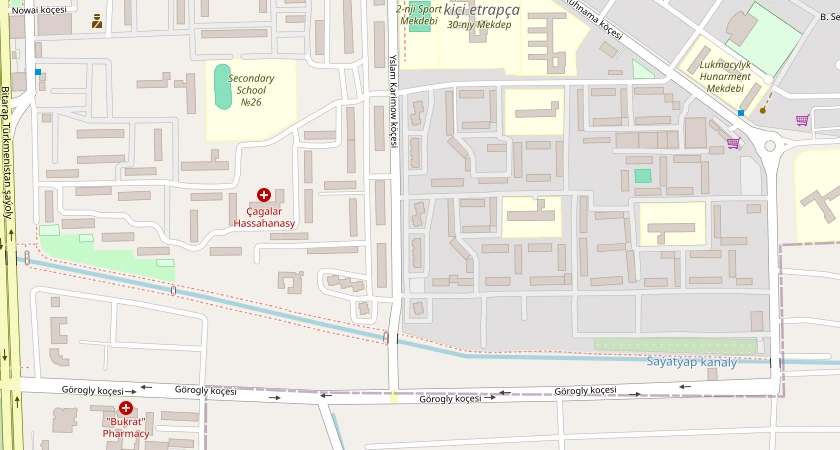
Both sites are in Ahal region in southern Turkmenistan, but they are separate stops:
- Abiverd (Abivard) lies west of Kaka, also known as Kaakhka. The visit focuses on the remains of a medieval trading city.
- Serakhs (Sarakhs) lies in the upper Tejen River valley. Old Sarakhs includes the historic urban site and the Abul-Fazl mausoleum, also called Serakhs-Baba.
For an Ashgabat–Mary itinerary, check whether Abiverd is included as a stop. If Serakhs is a priority, request it by name when planning the route; it is not included in every tour that visits Abiverd.
Abiverd: an ancient city near Kaakhka
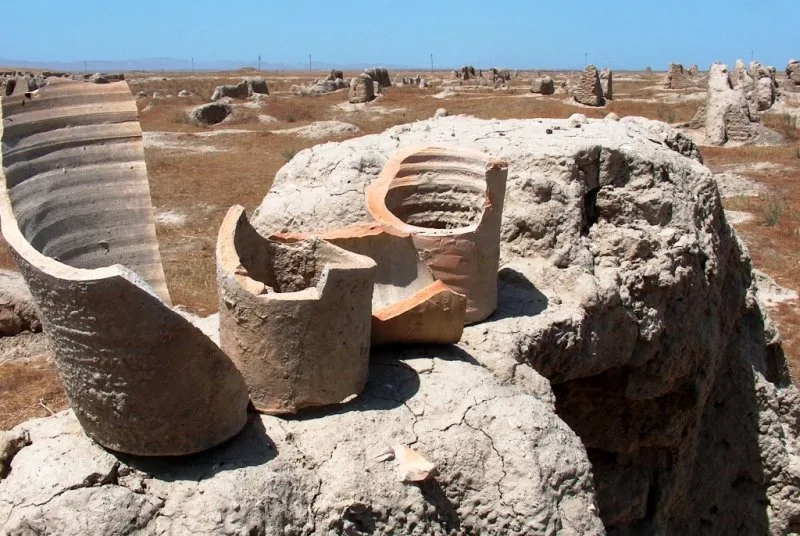
Medieval Abiverd benefited from routes connecting Merv, Nisa, Khorezm and Persia. Trade, farming and crafts all contributed to its development.
Archaeological research has identified fortifications, a citadel area, craft quarters and evidence of water management. Today the interest lies in interpreting the site’s layout and surviving remains. A guide or site plan can help you understand how the city was organised without imagining that its streets and buildings survive intact.
Serakhs and the Serakhs-Baba mausoleum
Serakhs developed in the Tejen River valley on the caravan route between Merv and Mashhad. Its builders became known beyond the oasis, working on prestigious buildings elsewhere in the region. The town’s history offers useful context for the brick architecture of medieval Khorasan.
The mausoleum of Sheikh Abul-Fazl, known as Serakhs-Baba, is a key monument. Its present appearance reflects a long history of repairs and alterations. Look at the building’s proportions and brickwork with your guide, and observe local customs when visiting this place of pilgrimage.
Planning a route through southern Turkmenistan
If you plan to enter at Sarakhs, compare our Turkmenistan routes from Iran. Tell us your travel dates so we can check the crossing and whether a visit to the Serakhs-Baba mausoleum fits your itinerary.
On the five-day tour from Bukhara to Khiva or Nukus, you stop at Abiverd on day three, on the drive from Mary through Anau to Ashgabat. A visit to Serakhs requires a separate arrangement.
Abiverd can be considered when planning travel between Ashgabat and the Merv region. Serakhs needs its own transport and access arrangements; it should not be treated as a short, automatic addition to that journey. Start with your available days and the places that matter most to you.
When comparing Turkmenistan tours, check the itinerary by day. Ask whether Abiverd, Serakhs or both are included, which monuments will be visited and how much time is available on site. Confirm any additional stop and its cost before booking.
Advice for visiting the ruins and mausoleum
Bring water, a hat, sun protection and shoes suitable for uneven ground. Discuss walking distances and accessibility in advance, particularly if travelling with children or anyone who needs a slower pace. Leave time for photographs and explanations rather than fitting too many sites into one day.
Stay on permitted routes, avoid climbing walls and leave pottery fragments where they are. Do not touch historic decoration. At Serakhs-Baba, follow the guidance of your escort or the caretaker and ask about photography before entering.
Are these UNESCO World Heritage sites?
Abiverd and monuments of Serakhs appear in the tentative submission “Silk Roads Sites in Turkmenistan”. A tentative listing is a proposal for consideration; it is not the same as inscription on the World Heritage List.
Arrange a historical itinerary
Contact Darwaza Travel with your dates, group size, starting point and the monuments you want to see. Consult our Turkmenistan visa page when preparing your visit.
Sources: the Turkmen state news agency on Abiverd and Serakhs, and the UNESCO tentative-list entry.