Old Nisa is a ruined Parthian royal citadel near the village of Bagyr, about 18 km west of Ashgabat at the foot of the Kopet Dag mountains. Together with New Nisa, it forms the UNESCO World Heritage property “Parthian Fortresses of Nisa”, inscribed in 2007.
Why visit Old Nisa?
Also known as Mithradatkert, Old Nisa is associated with the Arsacid dynasty. Excavations have revealed substantial buildings, sculptures, carved ivory rhytons and ostraca: pottery fragments bearing written records. These finds help researchers understand Parthian art and economic life.
The neighbouring city has a different history. Our guide to New Nisa explains its later occupation and why the names “Old” and “New” can be misleading. Check which site is actually included when an itinerary simply mentions Nisa.
What to look for on the site
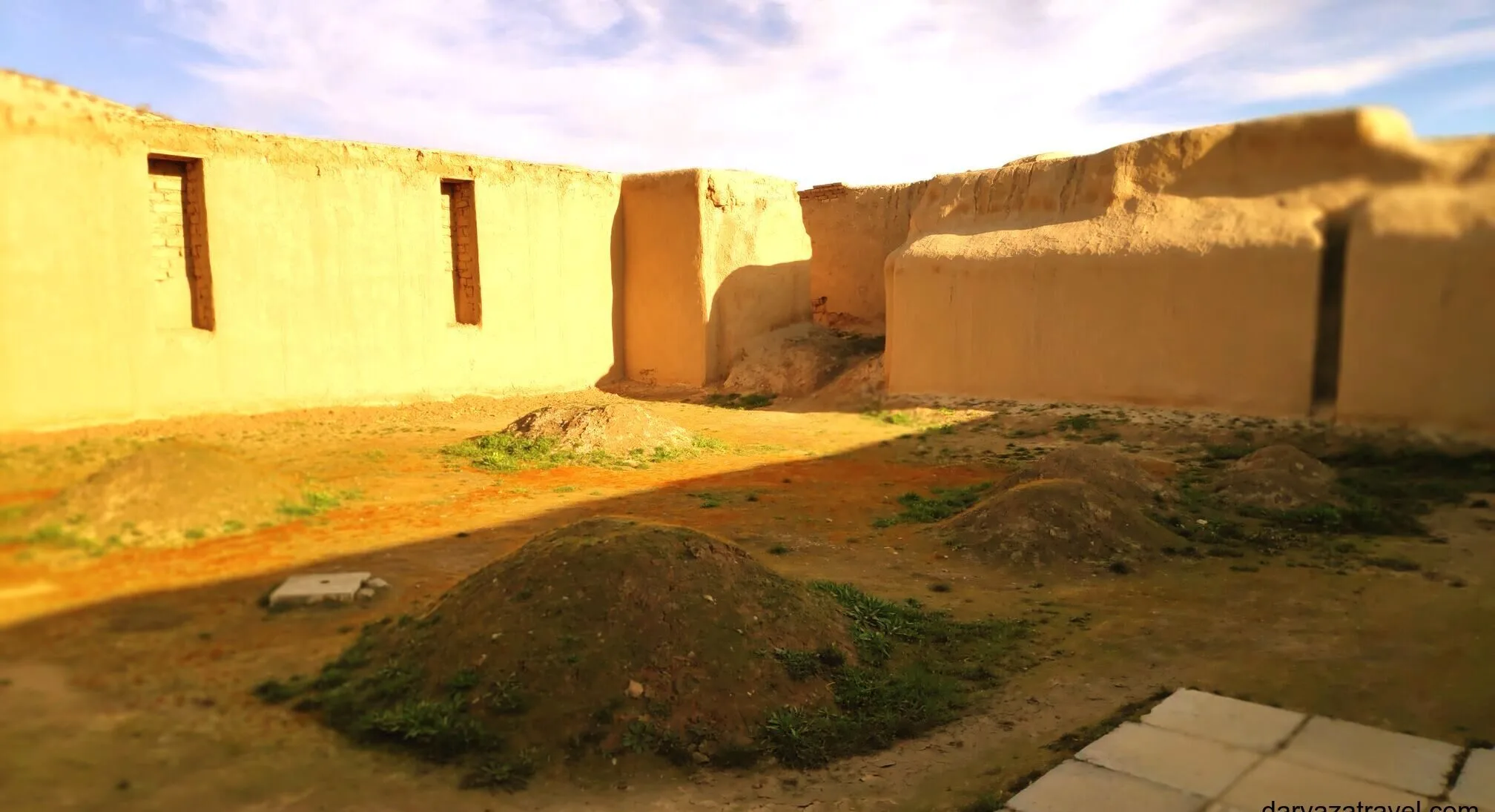
Walls and the overall plan. Begin with the layout of the complex. Its earthen architecture is vulnerable to weathering, so the outline you see today differs greatly from the original buildings. Use the permitted routes and ask your guide to identify original fabric and conservation work.
The Square Hall and round building. Comparing their plans helps reveal the variety of architectural solutions at Nisa. A reconstruction can make the surviving walls easier to understand. The exact use of some spaces remains debated, so suggested ceremonial or religious functions should be explained as interpretations.
The archaeological finds. Objects from Nisa are held in Turkmenistan’s museum collections. If the ivory vessels and sculpture are a priority, discuss a separate museum visit in Ashgabat and confirm the available displays. The excavation site and museum offer complementary ways to understand the ancient complex.
Planning a Nisa tour from Ashgabat
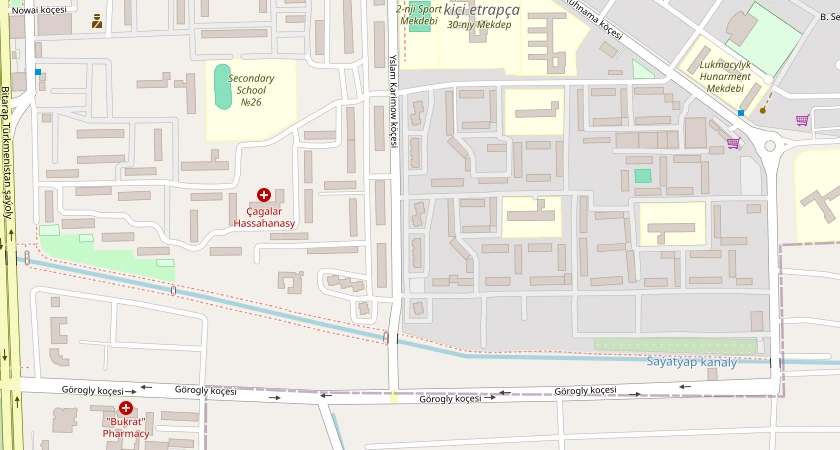
The coordinates for Old Nisa are 37.95126, 58.21099. The UNESCO map of the two sites shows the royal citadel and the neighbouring site of New Nisa separately.
Agree the meeting point, transport, guide language and walking time before setting out. The journey depends on where you start and the day’s route; a fixed promise of a twenty-minute drive is not suitable for every hotel or itinerary. Check entry arrangements and accessible sections for your dates.
Choose a time that suits the forecast and your comfort with walking outdoors. Bring water, sun protection and practical footwear. For photography in late-afternoon light, first confirm that the visiting hours and planned return allow it.
Do not climb ancient walls or enter closed excavation areas. Leave any pottery fragments in place. A site plan and a guide’s explanation will tell you more than searching the ground for objects.
Including Old Nisa in your Turkmenistan trip
On day three of the five-day tour from Bukhara to Khiva or Nukus, you visit Old Nisa and the National Museum of History in Ashgabat after travelling from Mary via Abiverd and Anau. Our Ashgabat travel guide can help you plan other stops in the capital.
Look for Old Nisa in the detailed daily programme of your chosen tour. If it is not listed, contact Darwaza Travel before booking to discuss a visit. Mention New Nisa and a museum separately if you would like to include them too.
Sources: UNESCO’s Nisa entry, archaeologist Viktor Pilipko’s guide to the site and the Turkmen state news agency’s historical overview.