Abiverd and Serakhs — The Forgotten Titans of Greater Khorasan
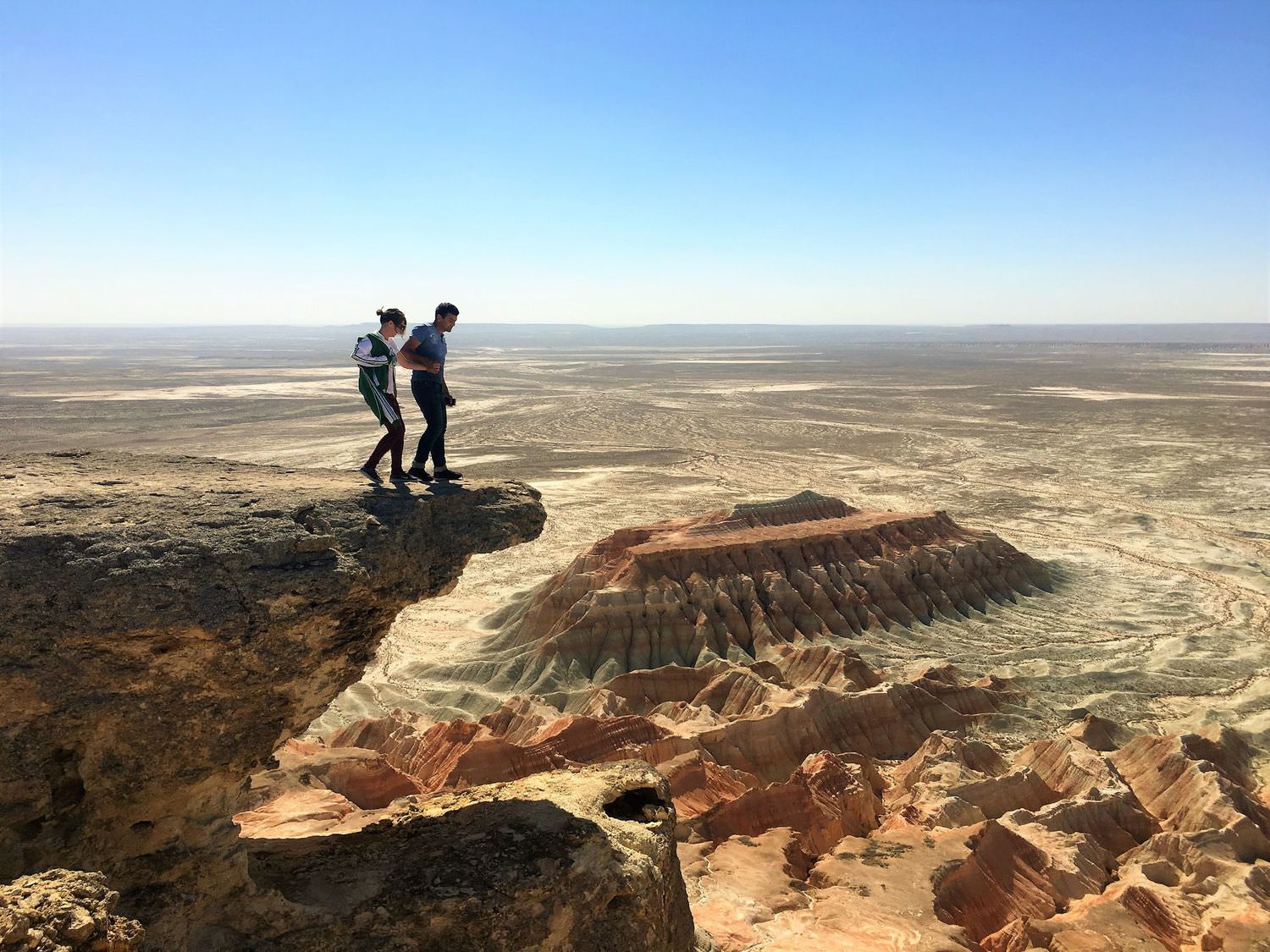
On the vast plains where the foothills of the Kopetdag meet the sands of the Karakum, time seems to slow its pace. Here, along the ancient trade route that once linked East and West, lie the ruins of cities whose names were once spoken with reverence from Baghdad to Beijing. Abiverd and Serakhs.
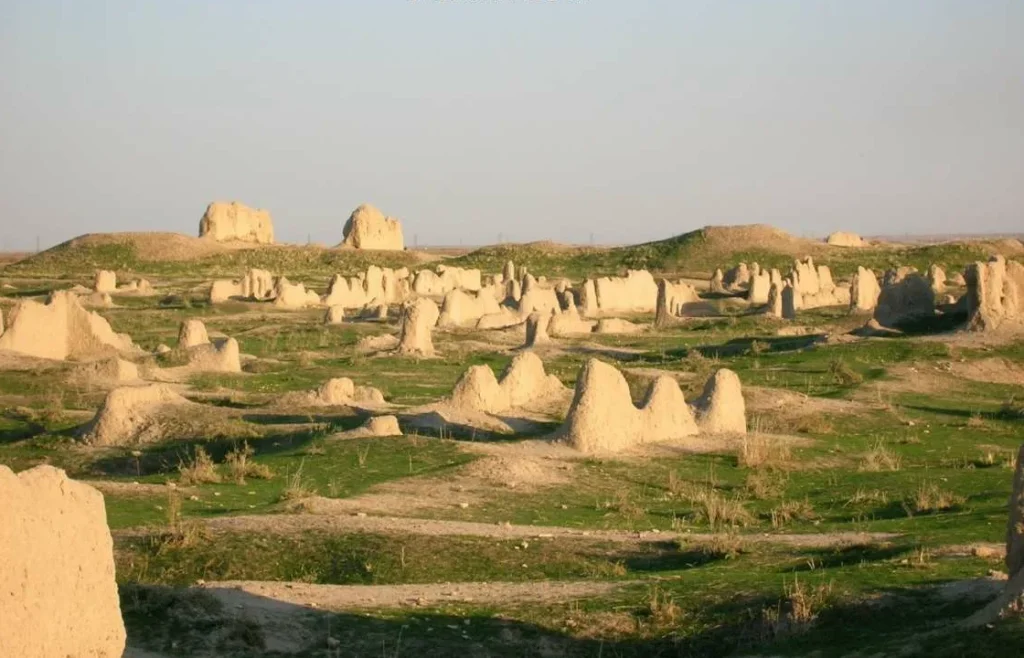
Today, they are majestic mounds and silent walls, yet if one presses an ear to their ancient brickwork, the rumble of hundreds of camel caravans and the voices of great sultans can still be heard. In this chapter, we journey into the very heart of Northern Khorasan to resurrect two jewels from oblivion—jewels without which the history of Turkmenistan and the entire Islamic world would be incomplete.
Part 1: Abiverd — The Impregnable Sentinel of the Plains
At the Origins of Kakhi-Kakha: The Genesis of a City
Abiverd (known in the Middle Ages as Baverd or Abivard) is situated near the modern town of Kaakhka. The archaeological layers of Abiverd reach back millennia to the Sassanid era, but the city’s true flowering occurred during the period of the Islamic Renaissance.
Geographically, Abiverd occupied a unique position. It was the “gateway” between the mountains and the desert—a fortress city that shielded fertile valleys from nomadic raids. Yet Abiverd did not only wage war; it created.
Architecture and Technology: How Greatness was Built
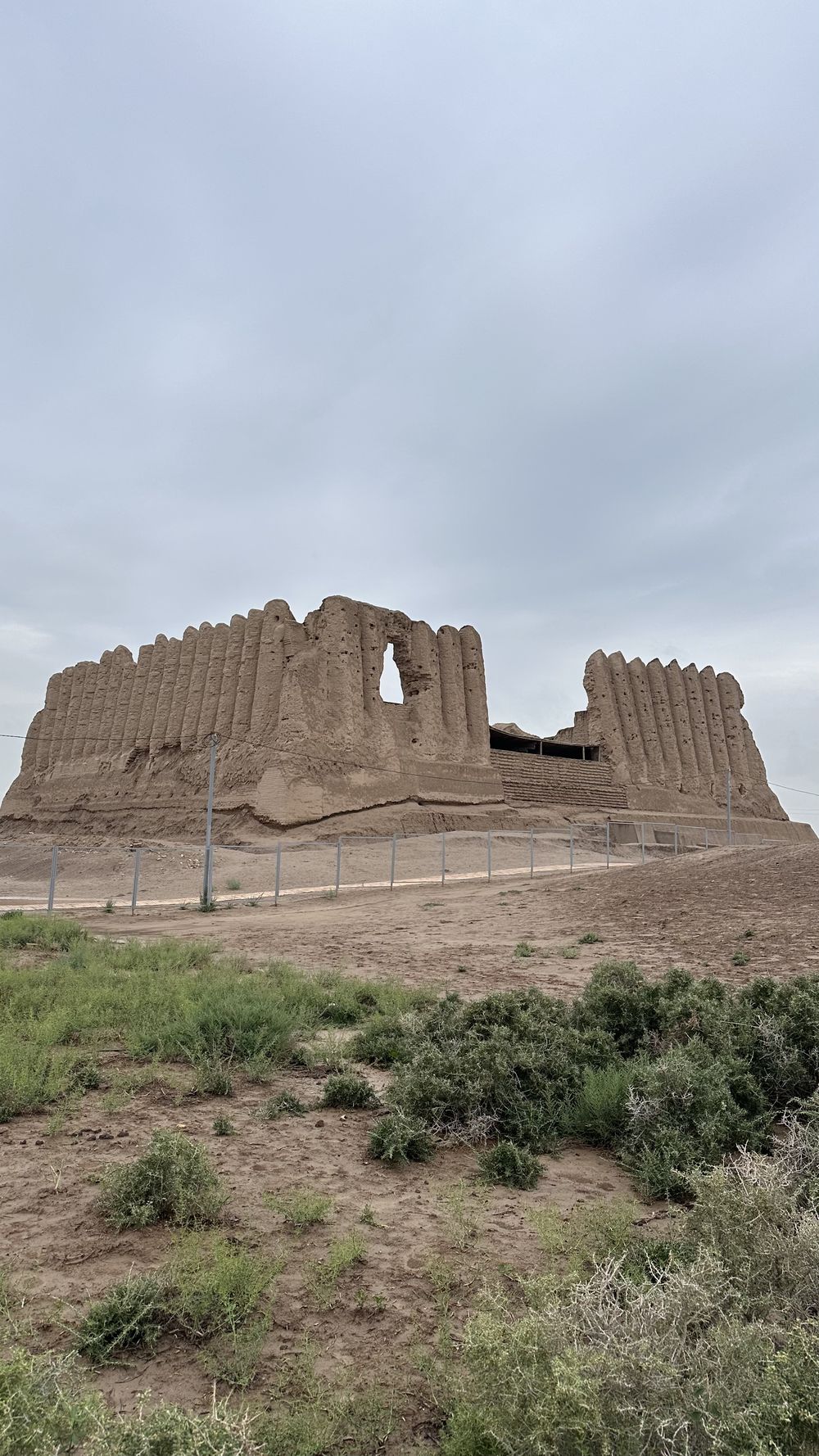
Abiverd was a paragon of medieval urban planning. At its centre rose the Citadel (Ark), surrounded by a deep moat. The city walls were constructed from pakhsa (rammed earth) and fired brick, bonded by a unique mortar of ganch and natural adhesive additives, the composition of which is still being studied by restoration chemists today.
- An Irrigation Miracle: Abiverd operated a highly sophisticated water supply system. Qanats—underground channels—delivered ice-cold water from the Kopetdag mountains directly to the city’s fountains and gardens. This allowed Abiverd to be more than just a fortress; it was a blooming garden amidst the arid plains.
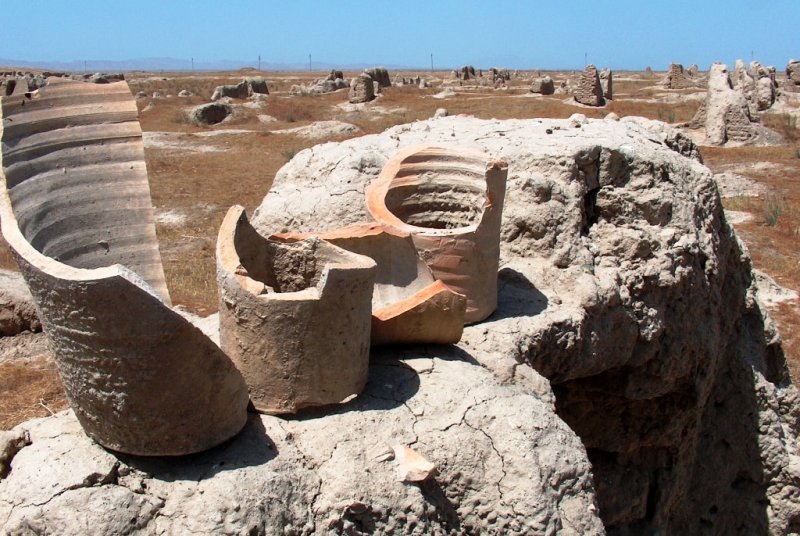
- Craftsmanship Glory: Archaeologists have uncovered entire quarters of potters here. Abiverd ceramics were famed for their glaze—vibrant blues and emerald greens—the secret of which lay in the use of local minerals mined in the nearby mountains.
Legends and Spirits of Abiverd
Folk tales claim that Abiverd held treasures that even Nader Shah could not find. It is said that beneath the citadel lies a network of tunnels leading directly into the heart of the mountains.
One of the most beautiful legends concerns the origin of the name: “Ab” meaning water, and “Verd” meaning flower. The City of Water and Flowers. They say that roses once bloomed in Abiverd with a fragrance so potent it could be detected three days’ journey away. It was believed that anyone who inhaled this scent would be healed of any sorrow.
Part 2: Serakhs — The Mirror of Khorasan and the Abode of Masters
If Abiverd was the sentinel, then Serakhs was the intellect of Khorasan. Situated on the banks of the Tejen River, this city was a vital node of the Great Silk Road. Here, the roads to Merv, Nishapur, and Herat converged.
The Serakhs School of Architecture: When Brick Comes to Life
Serakhs entered the history of world art as the birthplace of supreme architects. The “Serakhs Masters” were valued at their weight in gold. It was they who created the masterpieces we see today in Merv and even in far-off India. Their signature was their work with fired brick; they did not rely on bright paints, but rather made the brick itself play with light and shadow through incredibly complex geometric masonry.
The Mausoleum of Abu Fazil (Serakhs-Baba)
The primary sanctuary of Serakhs is the mausoleum of the 11th-century Sufi sheikh, Abu Fazil. This building is the quintessence of craftsmanship.
- The Double Dome: Serakhs architects were among the first to employ double-dome technology. The inner dome created an intimate atmosphere for prayer, while the outer dome—vast and majestic—served as a landmark for caravans.
- The Mysticism of Mathematics: The proportions of the mausoleum are calculated to the millimetre. At noon, a sunbeam passes through a window in such a way that it illuminates a specific symbol on the wall, indicating the time for prayer. It was a perfect symbiosis of astronomy and architecture.
The Yarty-Gumbez Mausoleum
In the environs of Serakhs lies the enigmatic Yarty-Gumbez (“Half-Dome”). Though partially ruined, the surviving section is striking for its terracotta carvings. This place is shrouded in legends of love and devotion. It is believed that a great scholar is buried here, who sacrificed his fortune to save the city from drought.
Part 3: The Era of Khwarazmshahs and Seljuks — A Political Whirlwind
Abiverd and Serakhs were more than just cities; they were political weights. In the 11th and 12th centuries, great dynasties fought for control over them.
- The Seljuks made these cities centres of their culture. Sultan Sanjar frequently visited Serakhs, considering its scholars his chief advisors.
- The Khwarazmshahs transformed Abiverd into a formidable military base. It was here that the might of the army was forged, which would later clash with the Mongols.
The political intrigues of that time could provide the plot for an epic drama. Betrayals of governors, secret correspondences on parchment, golden keys to gates handed over in exchange for peace… These cities saw it all, from triumphal processions to tragic sieges.
Part 4: Archaeological Secrets and Finds
Excavations continue in Abiverd and Serakhs to this day. What do scientists find?
- Coin Hoards: Hundreds of gold dinars and silver dirhams, testifying to the incredible wealth of the local merchant class.
- Observatories: Remnants of astronomical instruments were found in Serakhs. Local scholars calculated the movement of planets with an accuracy that astounds modern astronomers.
- Medical Instruments: Surgical kits were discovered in Abiverd, indicating a high level of medicine. Here, they did not only heal with herbs but also performed complex operations.
Part 5: A Guide for the True Explorer
If you decide to visit these “forgotten jewels,” prepare for a journey out of time.
How to feel Abiverd?
Arrive early in the morning. When the mist descends from the Kopetdag onto the ruins of the citadel, it feels as though you can see the ghostly figures of sentries. Be sure to climb to the top of the main mound—the view from there has not changed for thousands of years: the gold of the desert and the blue of the mountains.
How to understand Serakhs?
In Serakhs, spend time at the Mausoleum of Abu Fazil. Touch the brickwork—it is warm, as if it breathes. Look at the ornaments: they are not merely patterns, but encrypted messages from ancient mathematicians.
Travel Tips:
- Transport: A good highway leads from Ashgabat to Kaakhka (Abiverd). The journey to Serakhs is longer, but the road through the Tejen desert offers the best views of the sand dunes.
- Photography: The best light is the “golden hour” before sunset. The shadows accentuate the relief masonry of the Serakhs masters.
- Local Flavour: Try the local bread. In these regions, it is baked according to recipes that date back to the times of the Khwarazmshahs.
Epilogue: Why must we not forget them?
Abiverd and Serakhs serve as a reminder that nothing is eternal, yet true beauty and wisdom leave a permanent mark. These cities gave the world great architects, scholars, and warriors. They are the roots upon which the tree of modern Turkmen culture has grown. To visit them is to pay tribute to a magnificent past that continues to live in every fired brick and in every gust of wind over the Misrian plain.
🏆 Quiz from “The Great Book”:
One of the greatest architects of the 12th century lived in Serakhs, and his name was immortalised on one of the most significant monuments in Merv. Do you know the name of this master who, according to legend, “knew how to make stones sing,” and which specific masterpiece in Merv did he build? (Hint: His name is closely linked with the Mausoleum of Sultan Sanjar).